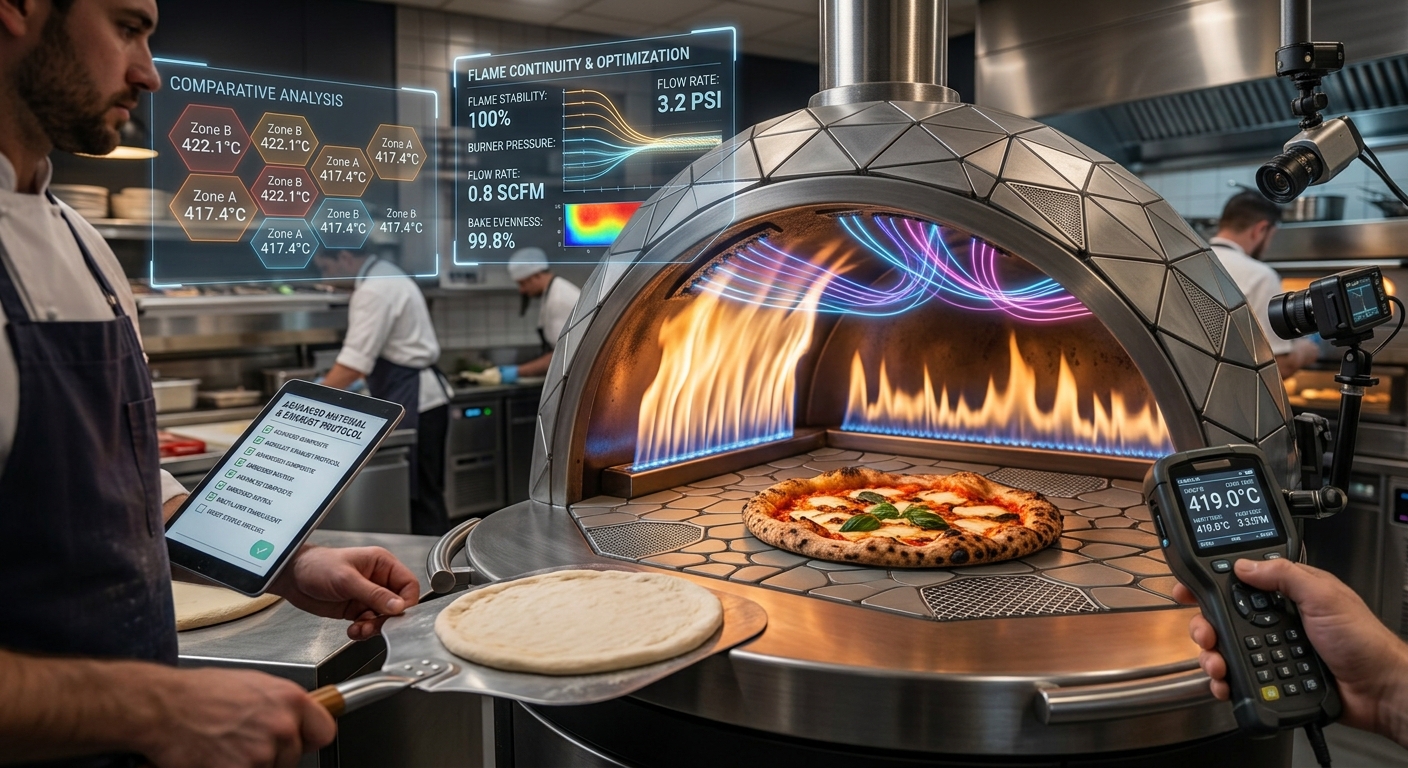
The quest for the perfect Neapolitan pizza, with its blistered crust and smoky char, often leads passionate home cooks and professional chefs alike to invest in a pizza oven. Yet, achieving consistent, restaurant-quality results from these powerful ovens hinges on more than just high temperatures. A critical, often overlooked, element is pizza oven exhaust tuning. The way your oven expels smoke and hot air directly impacts its heating efficiency, cooking performance, and even the safety of your cooking environment. Understanding and mastering this aspect can transform a good pizza oven into a truly exceptional one.
This guide will explore the intricate world of pizza oven exhaust tuning, breaking down the science behind flue design, the impact of chimney placement and size, and the practical adjustments you can make to optimize your oven’s performance. We’ll cover how to diagnose common exhaust issues and implement solutions that will lead to better heat retention, faster cooking times, and ultimately, more delicious pizzas.
Key Takeaways
- Exhaust System is Crucial: The chimney and flue system are vital for proper airflow, heat management, and smoke evacuation in a pizza oven.
- Draft is Paramount: A strong draft pulls fresh air into the oven, fueling combustion and efficiently expelling hot gases.
- Chimney Height & Diameter Matter: These dimensions directly influence the strength of the draft and the oven’s overall heating performance.
- Flue Location Impacts Heat: The position of the flue opening affects heat retention and cooking zone temperature.
- Troubleshooting Common Issues: Understanding signs of poor draft, excessive smoke, or uneven heating can lead to targeted solutions.
- Tuning Involves Adjustment: Minor modifications to chimney caps, baffles, or flue openings can significantly improve oven performance.
- Safety First: Proper exhaust is essential for preventing carbon monoxide buildup and ensuring a safe cooking environment.
Credit: www.bestbuy.com
The Science Behind Pizza Oven Draft
At its core, a pizza oven’s exhaust system functions to create and manage draft. Draft is the movement of air into and out of the oven, driven by the difference in temperature between the air inside the oven and the air outside. Hot air, being less dense, rises and exits through the chimney, creating a vacuum that draws cooler, oxygen-rich air into the oven through the firebox opening. This continuous flow of air is essential for two primary reasons: fueling the fire and expelling combustion byproducts.
Understanding Natural Draft
The natural draft in a pizza oven is primarily a result of the chimney effect. When the air inside the chimney is significantly hotter and less dense than the ambient air outside, it rises, pulling flue gases with it. The taller and hotter the chimney, the stronger the draft. This process is crucial for maintaining a vigorous fire necessary to reach and sustain the high temperatures required for authentic pizza cooking. Without adequate draft, the fire will smolder, producing insufficient heat and excessive smoke, leading to poorly cooked food and an unpleasant cooking experience.
Factors Influencing Draft Strength
Several factors contribute to the strength of the draft in a pizza oven:
- Temperature Differential: The greater the difference between the internal oven temperature and the external ambient temperature, the stronger the draft. This is why ovens tend to draft better on colder days.
- Chimney Height: A taller chimney generally creates a stronger draft because there’s more hot air to displace and a greater pressure difference.
- Chimney Diameter: The diameter must be proportional to the oven’s size and heat output. Too small a diameter can restrict airflow, while too large a diameter can weaken the draft by allowing flue gases to cool too quickly.
- Flue Gas Velocity: The speed at which hot gases move up the chimney influences how effectively they are expelled.
- Obstructions: Any blockages, such as soot buildup, debris, or poorly designed internal baffles, will impede airflow and reduce draft.
- Wind: While wind can sometimes enhance draft by creating a siphoning effect at the chimney top, strong or erratic winds can also cause downdrafts or turbulence, disrupting the airflow.
The Role Of Oxygen In Combustion
The draft is not just about removing smoke; it’s fundamentally about supplying the fire with oxygen. Combustion is a chemical reaction that requires fuel (wood) and an oxidizer (oxygen). A strong draft ensures a constant supply of fresh air, allowing the fuel to burn efficiently and produce the intense heat needed for pizza baking. Insufficient oxygen leads to incomplete combustion, resulting in lower temperatures, more creosote buildup, and a smoky fire.
Chimney Design And Placement: The Foundation Of Tuning
The design and placement of your pizza oven’s chimney are the most critical elements influencing exhaust performance. These aren’t arbitrary features; they are engineered to optimize airflow and heat management. Understanding how they work is the first step in effective tuning.
Chimney Height And Its Impact
Chimney height is a primary determinant of draft strength. As a general rule of thumb, the top of the chimney should be at least 1.5 times the height of the oven dome or at least 2 feet higher than any part of the oven structure. This ensures that the rising hot air is not unduly influenced by the oven’s shape and that the exhaust gases can escape freely. A chimney that is too short will struggle to create sufficient draft, leading to smoke spilling from the oven opening and poor heating.
- Too Short: Leads to weak draft, smoke spillage, and inefficient combustion.
- Adequate Height: Promotes strong draft, efficient combustion, and clear exhaust.
- Excessively Tall: While it might increase draft, it can also lead to over-cooling of flue gases, potentially causing creosote buildup and reducing overall heat efficiency if not properly insulated.
Chimney Diameter: Finding The Sweet Spot
The diameter of the chimney must be carefully matched to the oven’s size and firebox volume. A common recommendation is that the chimney’s internal diameter should be approximately 1/10th to 1/12th of the oven’s internal diameter. For example, a 30-inch oven might have a 3-inch diameter flue.
- Too Small Diameter: Restricts the volume of air that can pass through, leading to a choked draft and smoke buildup.
- Too Large Diameter: Allows flue gases to expand and cool too quickly, weakening the draft and potentially leading to creosote formation. It also means more heat is being lost up the chimney than is necessary.
Flue Opening Placement: Heat Retention Vs. Exhaust
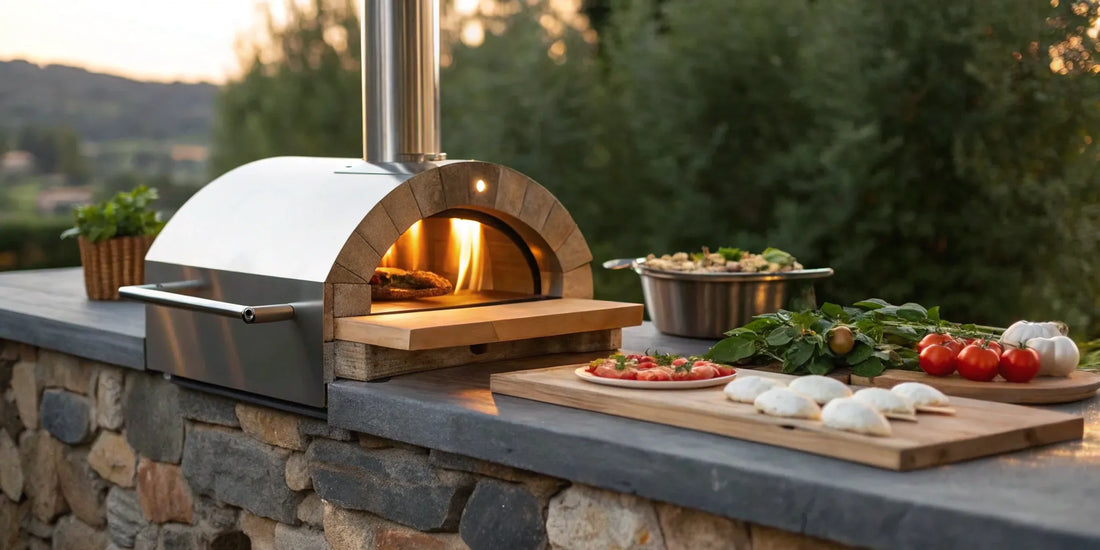
The location of the flue opening (where the chimney connects to the oven dome) is another crucial design element. Traditionally, wood-fired pizza ovens place the flue opening just forward of the oven dome’s apex, towards the mouth of the oven. This placement is a deliberate compromise:
- Forward Placement: Allows the hot air and flames to circulate within the dome, heating the dome and hearth effectively, before exiting. This promotes better heat retention and a more even cooking environment. It also helps to draw smoke away from the cooking surface.
- Rear Placement: While it might seem intuitive to place the flue at the very back, this can lead to heat escaping too quickly from the dome without sufficient circulation, resulting in a cooler oven and potentially more smoke spillage from the front.
- Apex Placement: Placing the flue directly at the highest point of the dome can also lead to rapid heat loss and a less efficient cooking cycle.
The ideal placement ensures that heat is trapped within the dome, radiating onto the pizza, while still allowing for efficient expulsion of combustion gases.

Credit: www.halton.com
Common Pizza Oven Exhaust Problems And Solutions
Even with a well-designed oven, you might encounter issues with your exhaust system. Recognizing these problems early and knowing how to address them is key to maintaining optimal performance.
Problem 1: Excessive Smoke Spillage From The Oven Mouth
This is perhaps the most common and frustrating issue. If you see smoke consistently pouring out of the oven opening during preheating or cooking, it indicates a problem with the draft.
- Causes:
- Insufficient Draft: Chimney is too short, too narrow, or there’s an obstruction.
- Cold Oven/Chimney: Attempting to start a fire in a cold oven without preheating the chimney first.
- Poor Flue Placement: Flue opening is too far back or too large.
- Fuel Issues: Using damp or unseasoned wood, which produces more smoke.
- Solutions:
- Preheat the Chimney: Before lighting the main fire, burn a small amount of kindling directly in the chimney base for 5-10 minutes to establish an initial draft.
- Check for Obstructions: Inspect the chimney for soot, ash, or debris buildup. Clean it regularly.
- Verify Chimney Height and Diameter: Ensure they meet recommended guidelines for your oven size. If the chimney is too short, consider extending it. If it’s too narrow, a chimney extension might help, but a fundamental redesign might be needed for extreme cases.
- Use Dry, Seasoned Hardwood: This is crucial for efficient combustion and minimal smoke.
- Adjust Fuel Load: Don’t overload the oven with wood initially. Build the fire gradually.
Problem 2: Weak Or Inconsistent Draft
A weak draft means the fire struggles to burn intensely, leading to lower temperatures and prolonged preheating times.
- Causes:
- Temperature Fluctuations: Significant changes in outside temperature can affect draft.
- Wind Conditions: Strong winds can sometimes disrupt the draft.
- Creosote Buildup: This tar-like substance narrows the flue and impedes airflow.
- Flue Cap Issues: A poorly designed or clogged chimney cap can restrict airflow.
- Solutions:
- Maintain High Oven Temperatures: A hotter oven generally means a stronger draft.
- Install a Draft-Enhancing Chimney Cap: Caps with specific designs (e.g., wind-directional caps) can help stabilize draft in windy conditions.
- Regular Chimney Cleaning: Essential for preventing creosote buildup. Use a chimney brush and appropriate cleaning agents if necessary.
- Consider a Damper: While less common in traditional pizza ovens, a simple damper can be used judiciously during the initial startup to help build heat and draft before being fully opened.
Problem 3: Uneven Heating And Hot Spots
While not solely an exhaust issue, the exhaust system plays a role in how heat circulates within the oven. If the draft is too strong and exits too quickly, it might not allow sufficient time for radiant heat to build up evenly.
- Causes:
- Chimney Too Large: Excessive heat loss up the flue.
- Flue Opening Placement: If the flue is too far back, hot gases might not circulate adequately.
- Uneven Fuel Burn: Fire is concentrated in one area.
- Solutions:
- Ensure Proper Chimney Diameter: If the chimney is disproportionately large, it might be contributing to heat loss.
- Maintain a Balanced Fire: Distribute wood evenly and manage the fire to ensure consistent heat distribution.
- Consider Internal Baffles (Advanced): Some modern designs incorporate internal baffles near the flue to help retain heat and direct airflow, but these are typically part of the initial oven construction.
Credit: sabrapizza.com
Tuning Your Pizza Oven Exhaust: Practical Adjustments
Once you understand the fundamentals, you can start making practical adjustments to fine-tune your oven’s exhaust system. These are often minor modifications that can yield significant improvements.
Adjusting The Chimney Cap
The chimney cap is the first line of defense against rain, debris, and wind. Its design can significantly impact draft.
- Rain Caps: Simple caps designed to keep water out. Ensure they are not too restrictive.
- Wind-Resistant Caps: These often have a wider base or a design that channels wind to improve, rather than disrupt, the draft. A common type is the “wind-directional” cap that pivots to always face away from the wind.
- Draft-Enhancing Caps: Some caps are designed with specific shapes (e.g., tapered or flared openings) to create a Venturi effect, pulling flue gases upward more effectively.
Pro Tip: When selecting or modifying a chimney cap, prioritize functionality over aesthetics. A cap that improves draft and keeps rain out is far more valuable than one that looks pretty but hinders performance. Ensure the cap’s opening is at least as large as the chimney’s internal diameter.
The Role Of Baffles And Dampers
While traditional pizza ovens often lack complex internal baffles or dampers, understanding their function can inform tuning.
- Baffles: These are internal plates or structures designed to redirect airflow and heat. In some oven designs, a baffle near the flue opening can help retain heat within the dome for longer, improving cooking efficiency. Retrofitting baffles can be complex and is usually part of the initial oven build.
- Dampers: A damper is essentially a movable plate within the chimney that can be opened or closed to control airflow.
- Startup: A damper can be partially closed during initial startup to help the fire build heat more rapidly and establish a strong draft before being fully opened.
- Heat Retention: After the oven reaches temperature and the main fire is dying down, a partially closed damper can help retain heat for longer, allowing for continued cooking with residual heat.
Warning: Never fully close a damper on an actively burning fire. This can lead to a dangerous buildup of carbon monoxide (CO) and soot within the oven and chimney, posing a serious fire and health hazard. Always ensure adequate ventilation.
Modifying The Flue Opening (with Caution)
In some cases, the flue opening itself might need adjustment, though this is a more involved modification.
- Enlarging a Flue Opening: If the flue is consistently too restrictive, a professional might be able to carefully enlarge the opening. This requires careful assessment to ensure it doesn’t compromise the structural integrity of the dome.
- Reducing a Flue Opening: If the chimney is too large and causing excessive heat loss, a metal collar or an adapter could be installed, but this is often a sign of a fundamental mismatch between the chimney and the oven.
Example: A user with a brick oven found that their chimney, while tall enough, was too wide (6 inches for a 24-inch oven). This resulted in a weak draft and slow preheating. They consulted with a local chimney specialist who recommended adding a metal reducer inside the chimney base, effectively narrowing the flue opening to 4 inches. This significantly improved the draft, reducing preheating time by nearly 30 minutes and allowing the oven to reach higher temperatures more consistently.
Optimizing For Different Oven Types
The principles of exhaust tuning apply broadly, but specific adjustments might vary depending on the type of pizza oven you have.
Wood-fired Brick/clay Ovens
These traditional ovens rely heavily on the thermal mass of the dome and hearth.
- Focus: Maintaining high dome temperatures and efficient heat circulation.
- Tuning: Emphasis on chimney height relative to the dome, proper flue placement forward of the apex, and ensuring the chimney diameter is proportional to the oven opening. Regular cleaning to prevent creosote is paramount due to the continuous use of wood.
- Example: Many Neapolitan-style brick ovens feature a relatively short, stout chimney positioned just forward of the dome’s peak. This design encourages heat to “roll” across the dome before exiting, maximizing heat transfer to the pizza.
Gas-fired Pizza Ovens
Gas ovens often have more controlled combustion and may incorporate built-in exhaust systems.
- Focus: Ensuring complete combustion of the gas and efficient removal of exhaust gases.
- Tuning: While less user-adjustable than wood-fired ovens, checking the exhaust vent for blockages and ensuring the burner is functioning correctly is important. Some models might have adjustable baffles within the flue.
- External Link: For gas appliance safety, consult resources like the National Fire Protection Association (NFPA) guidelines on heating equipment safety.
Portable Pizza Ovens (e.g., Ooni, Gozney)
These compact ovens often have integrated, albeit smaller, exhaust systems.
- Focus: Maximizing heat retention within a smaller footprint and efficient fuel usage.
- Tuning: Primarily involves ensuring the chimney attachment is secure and free of obstructions. Using dry fuel is critical. Some models may have specific instructions regarding chimney placement or angles for optimal draft.
- Data Point: Manufacturers often specify recommended chimney heights or designs for optimal performance, recognizing the direct link between exhaust and cooking temperature. For instance, some portable ovens achieve optimal temperatures around 850-900°F (450-480°C), which requires efficient airflow.
Comparison Of Exhaust Considerations By Oven Type
| Oven Type | Primary Fuel | Key Exhaust Considerations | Common Tuning Focus | Potential Issues |
|---|---|---|---|---|
| **Wood-Fired Brick/Clay** | Wood | Chimney height, diameter, flue placement, draft strength | Chimney height/diameter ratios, flue position, cleaning | Smoke spillage, slow preheating, creosote buildup |
| **Gas-Fired** | Natural Gas/Propane | Complete combustion, vent clearance, burner function | Vent obstructions, burner efficiency | Incomplete combustion, CO buildup, inconsistent flame |
| **Portable (Wood/Pellet)** | Wood/Pellets | Compact chimney design, secure attachment, fuel dryness | Chimney security, fuel quality | Restricted airflow, overheating, inefficient fuel burn |
Maintaining Your Exhaust System For Peak Performance
Regular maintenance is not just about fixing problems; it’s about preventing them and ensuring your oven performs at its best consistently.
Regular Cleaning Schedule
- Frequency: Depending on usage, the chimney and flue should be inspected and cleaned at least twice a year, or more frequently if you notice signs of reduced draft or excessive smoke. Heavy users might need monthly checks.
- Tools: A stiff chimney brush (sized correctly for your flue diameter), a shop vacuum, and possibly a ladder if the chimney is high.
- Process:
- Ensure the oven is completely cool.
- Use the chimney brush to scrub the inside of the flue, dislodging soot and creosote. Work from top to bottom if possible.
- Use a shop vacuum to remove loosened debris from the base of the chimney and oven.
- Inspect the chimney cap and interior dome near the flue for any obstructions.
Inspecting For Damage And Wear
Over time, the materials of your exhaust system can degrade.
- Brick/Mortar Ovens: Check for cracked bricks, deteriorating mortar joints, or loose components around the chimney base. These can create air leaks, compromising draft.
- Metal Chimneys: Look for rust, corrosion, or holes, especially at joints and seams. Damaged metal chimneys can be a fire hazard.
- Flue Liners: If your oven uses a ceramic or metal flue liner, ensure it is intact and properly seated.
Fuel Quality Matters
The type of fuel you use directly impacts the cleanliness and efficiency of your exhaust system.
- Seasoned Hardwood: Always use dry, seasoned hardwood (like oak, maple, or fruitwoods). Wood with a moisture content below 20% burns hotter and cleaner, producing less creosote.
- Avoid: Treated lumber, green wood, or softwoods like pine, which burn quickly and produce excessive soot and creosote.
A well-maintained exhaust system is a cornerstone of safe and effective pizza oven operation. It ensures efficient combustion, optimal temperatures, and a pleasant cooking experience, free from excessive smoke.
Frequently Asked Questions
What Is The Ideal Chimney Height For A Pizza Oven?
The ideal chimney height is generally considered to be at least 1. 5 times the height of the oven dome or a minimum of 2 feet higher than the highest point of the oven structure. This ensures adequate draft by allowing hot air to escape effectively without being overly influenced by the oven’s shape.
How Do I Know If My Pizza Oven Has A Draft Problem?
Signs of a draft problem include consistent smoke spillage from the oven mouth, difficulty lighting or maintaining a strong fire, prolonged preheating times, and lower-than-expected cooking temperatures. If you see smoke billowing out the front instead of rising cleanly up the chimney, it’s a clear indicator.
Can I Adjust The Flue Opening Size On My Existing Pizza Oven?
Adjusting the flue opening size is a more significant modification and should be approached with caution. For brick or masonry ovens, this might involve carefully removing and replacing bricks or adding a metal collar, which requires masonry skills. For metal or portable ovens, it might involve adding or replacing a specific flue adapter if available from the manufacturer.
It’s advisable to consult with the oven manufacturer or a qualified professional before making such changes.
How Often Should I Clean My Pizza Oven Chimney?
The frequency of cleaning depends on how often you use your oven and the type of wood you burn. For regular users (several times a week), cleaning every 1-2 months is recommended. For occasional users, a thorough cleaning at the beginning and end of the cooking season, or at least twice a year, is advisable.
Always inspect for creosote buildup before and after cleaning.
Does Wind Affect My Pizza Oven’s Draft?
Yes, wind can significantly affect your pizza oven’s draft. While a steady breeze can sometimes enhance the

As the author of the “Ultimate Pizza Guide: Recipes, Tips & Secrets Revealed,” I’m dedicated to sharing my love for pizza and empowering others to create delicious homemade pizzas with ease. Join me on a journey to uncover the secrets to perfecting your pizza game!


