When you’re craving that perfect slice of pizza, every detail counts—especially how you heat your oven. You might wonder, does preheating really make a difference in pizza quality?
The answer might surprise you. Preheating isn’t just a step to follow blindly; it plays a key role in crafting a crispy crust, evenly melted cheese, and flavorful toppings. If you skip it, you could end up with a soggy base or unevenly cooked pizza that leaves you disappointed.
Keep reading to discover why preheating matters and how it can transform your homemade pizza from good to unforgettable. Your next pizza night could be a game-changer!

Credit: www.redbaron.com
Impact Of Preheating On Crust
Preheating plays a vital role in shaping the crust of your pizza. The temperature of the oven and baking surface affects how the dough cooks and forms its texture. Understanding the impact of preheating helps in achieving a crust that is crispy on the outside and soft inside.
Proper heat in the oven ensures the crust cooks evenly. Without preheating, the dough might bake unevenly, leading to unwanted textures and flavors.
Heat Distribution And Crust Texture
Preheating the oven helps spread heat evenly across the baking surface. This even heat creates a consistent cooking environment for the dough. When the surface is hot, the crust cooks quickly, locking in moisture and forming a crisp outer layer. A cold or uneven surface causes the crust to cook slowly and unevenly, making it soggy or tough in some parts.
Using a preheated pizza stone or steel transfers intense heat to the dough. This rapid heat transfer creates small air pockets in the dough, giving the crust a light and airy texture. Without proper heat distribution, the crust may become dense and chewy.
Thermal Shock And Dough Rise
Thermal shock happens when dough hits a very hot surface suddenly. This shock makes the dough rise quickly, creating bubbles and a fluffy interior. Preheating ensures the surface is hot enough to cause this effect. Without preheating, the dough warms slowly, reducing the rise and leaving a flat crust.
Quick rise from thermal shock also helps the crust form a golden-brown color and a slight crunch. Slow heating can make the crust pale and soft. Proper preheating supports the ideal balance between a risen, tender inside and a crisp outside.
Credit: www.kroger.com
Role Of Oven Temperature
Oven temperature plays a crucial role in baking a perfect pizza. It controls how the dough rises, how toppings cook, and the final texture of the crust. Setting the right temperature and maintaining it throughout baking ensures that the pizza cooks evenly. This affects the pizza’s taste and overall quality.
High Heat Benefits
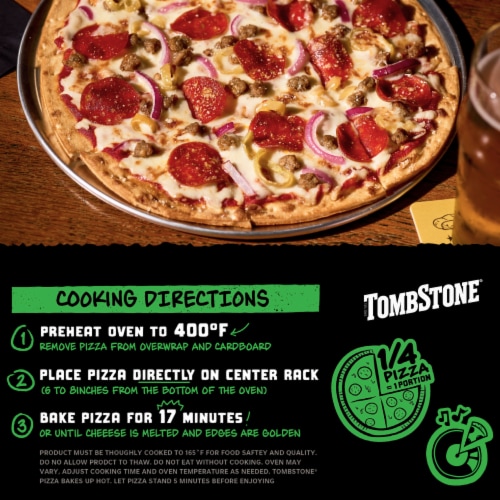
High oven temperatures help create a crispy crust quickly. The intense heat causes the water in the dough to evaporate fast, making the crust crunchy and light. It also helps melt cheese evenly and cook toppings thoroughly without drying them out. Traditional pizzas often bake at temperatures above 450°F (232°C). This heat level mimics wood-fired ovens and produces the best texture and flavor.
Using a preheated pizza stone or steel transfers heat rapidly to the dough’s base. This adds a nice char and browning that low heat cannot achieve. High heat reduces baking time, preventing soggy or undercooked spots. Overall, hot ovens bring out the pizza’s best qualities.
Effects Of Low Or No Preheating
Low or no preheating leads to uneven cooking and longer bake times. The dough may absorb more moisture, resulting in a soft or doughy crust. Toppings can dry out or cook unevenly, affecting flavor and texture. Cold oven starts cause the pizza to cook slowly, losing the crispness that high heat provides.
Not preheating the baking surface means it will not transfer heat well. This often causes the crust to be pale and less appetizing. The pizza may stick to the pan or peel, making it harder to remove. In short, skipping preheating risks a pizza that lacks the desired crunch and balance.
Using Baking Surfaces
Using the right baking surface greatly influences pizza quality. The surface transfers heat directly to the dough. This heat affects how the crust cooks and crisps. Choosing the best surface and preheating it properly makes a big difference. It helps create a pizza with a crunchy base and well-cooked toppings.
Pizza Stone Vs. Steel
Pizza stones are made from ceramic or cordierite. They absorb moisture and create a crispy crust. Stones heat slowly but hold heat well. Steel baking surfaces heat up faster than stones. Steel transfers heat quickly and cooks the crust evenly. Both improve pizza quality but behave differently. Steel is more durable and easier to clean. Stones may crack if exposed to sudden temperature changes.
Preheating Baking Surfaces
Preheating is essential for both stones and steel. A cold surface will not cook the crust well. The dough may stick or become soggy. Preheat the surface in the oven for at least 45 minutes. This ensures even heat distribution. A hot surface cooks the pizza bottom quickly. It creates a crunchy and golden crust. Without preheating, the pizza may cook unevenly and taste doughy.
Preparing The Dough
Preparing the dough is the first step to making great pizza. The dough’s texture and taste depend on how you mix and handle the ingredients. Simple changes can improve the final pizza quality. Understanding hydration, thickness, and additives helps create the perfect base.
Hydration And Thickness
Hydration means the amount of water in the dough. More water makes the dough softer and lighter. Less water creates a firmer dough that crisps up quickly. Thickness affects cooking time and crust texture. Thin dough cooks faster and becomes crispy. Thick dough stays chewy and soft inside. Balance hydration and thickness for the best pizza crust.
Adding Oil And Semolina
Adding oil to the dough makes it tender and helps with browning. Olive oil is the best choice for flavor and texture. Semolina flour is great for dusting the pizza peel. It stops the dough from sticking and adds a crunchy texture to the crust’s bottom. These small additions improve the dough’s handling and final taste.
Baking Techniques For Crispiness
Baking pizza with a crispy crust requires the right techniques. Heat and timing play a big role. Using certain methods can improve texture and taste. These tips help create a crust that is crunchy outside and tender inside.
Experimenting with baking methods can lead to better pizza quality. Two effective ways include par-baking the crust and careful oven positioning. Both help control moisture and heat exposure.
Par-baking The Crust
Par-baking means partially baking the dough before adding toppings. This step dries out the crust slightly. It prevents sogginess caused by wet toppings. The crust starts to firm up and turn golden.
To par-bake, place the rolled dough in a hot oven for 4 to 6 minutes. Remove it just before it fully cooks. Then add sauce, cheese, and toppings. Finish baking until the pizza is ready. This method gives a crisp base with a soft center.
Positioning In The Oven
Oven rack placement affects how heat reaches the pizza. Placing pizza on the lowest rack exposes it to strong bottom heat. This direct heat crisps the crust quickly.
Using a preheated pizza stone or steel on the bottom rack improves results. The stone stores heat and transfers it evenly to the dough. Avoid placing pizza too high, or the crust may stay soft and undercooked.
Adjusting the position helps control browning and crunchiness. It also avoids burning the toppings. Proper placement is key for a well-cooked, crispy pizza crust.
Common Mistakes To Avoid
Many home cooks overlook simple steps that affect pizza quality. Avoiding common mistakes improves your pizza’s texture and flavor. Small errors can lead to soggy, undercooked, or burnt pizza. Focus on the key steps for the best results.
Skipping Preheating
Skipping preheating leads to uneven cooking. The oven and baking surface stay too cool at first. This prevents the crust from crisping properly. Toppings may cook unevenly or dry out. Always preheat the oven fully before baking your pizza. This step ensures a crispy crust and well-cooked toppings.
Using Incorrect Oven Racks
Placing pizza on the wrong rack changes heat exposure. The top rack can burn toppings before the crust cooks. The middle rack might not give enough bottom heat for crispiness. The bottom rack provides intense heat for a crunchy base. Use the lowest oven rack to get a perfect crust. This method helps cook your pizza evenly and thoroughly.
Energy Saving Tips
Saving energy while baking pizza helps reduce utility bills and environmental impact. Small adjustments in preheating can lower oven use without losing pizza quality. Follow these tips to balance heat and energy efficiently.
Balancing Preheating Time
Preheat the oven just long enough for the stone or steel to get hot. Usually, 30 to 45 minutes works well for a home oven. Over-preheating wastes electricity and does not improve pizza quality much. Use an oven thermometer to check when it reaches the right temperature. This balance saves energy and keeps the crust crispy and toppings cooked properly.
When Preheating May Be Optional
Some pizza styles need less heat at start. For example, thin-crust pizzas with fewer toppings cook fast and can bake without full preheating. Also, if you use a pizza oven or grill, preheating time is shorter or not needed. Skip preheating only if the recipe says so. This approach cuts energy use while still making tasty pizza.
Essential Tools For Perfect Pizza
Making perfect pizza at home needs more than just dough and toppings. The right tools help achieve a crispy crust and even cooking. These tools support handling the pizza safely and checking the oven’s heat. Using them improves the pizza’s texture and taste.
Pizza Peel And Parchment Paper
A pizza peel is a flat board used to slide pizza into the oven. It prevents burns and keeps the dough from sticking. Wooden peels are great for assembling pizza, while metal peels work well for baking. Parchment paper helps transfer pizza easily without sticking. It also makes cleanup faster and keeps the peel clean. Both tools make placing and removing pizza from a hot oven safer and simpler.
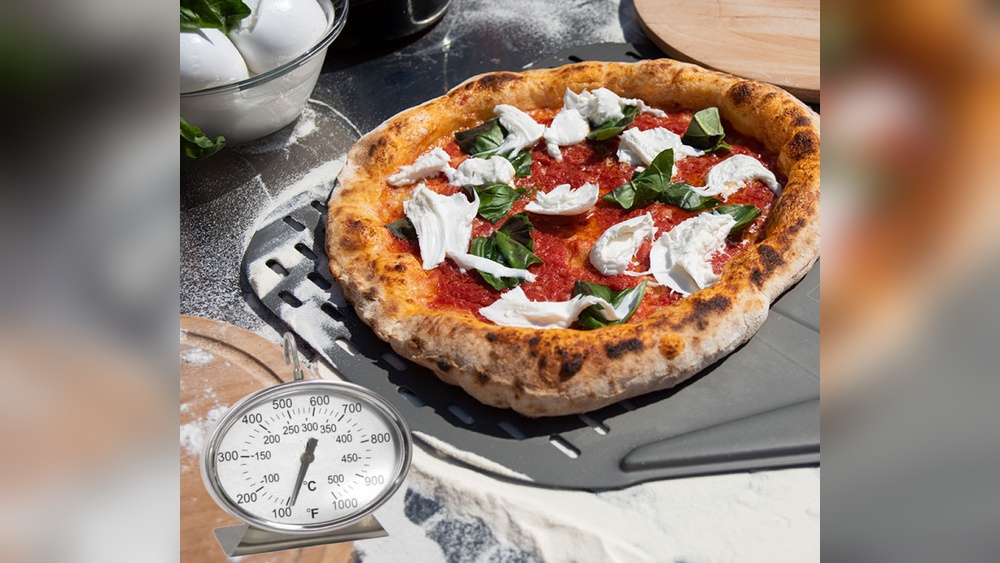
Thermometer For Accurate Heat
Oven temperatures can vary widely. A thermometer ensures the oven is at the right heat for pizza baking. Proper heat is key for a crispy crust and well-cooked toppings. Use an oven thermometer to check and adjust the temperature. This tool helps avoid undercooked or burnt pizza. Accurate heat control improves baking results every time.

Credit: www.amazon.com
Frequently Asked Questions
Is It Better To Preheat The Oven For Pizza?
Preheating the oven ensures a hot surface, producing a crisp, well-browned pizza crust and evenly cooked toppings.
What Is The 55 Rule For Pizza Dough?
The 55 rule for pizza dough means using 55% hydration—55 grams of water per 100 grams of flour. This creates a balanced, easy-to-handle dough with a crispy crust. It helps achieve optimal texture and elasticity for homemade pizzas.
What Is The Secret To A Crispy Pizza Crust?
The secret to a crispy pizza crust is baking on a preheated stone or steel at high heat. Keep the dough thin and reduce moisture. Adding a bit of oil improves browning. Bake on the lowest oven rack to ensure intense heat from below for a crunchy crust.
What Happens If You Don’t Preheat Pizza?
Not preheating pizza leads to uneven cooking, a soggy crust, and less flavorful toppings. Preheating ensures crispiness and proper texture.
Conclusion
Preheating the oven makes a big difference in pizza quality. It ensures the crust cooks evenly and becomes crispy. A hot baking surface helps cook toppings well without sogginess. Skipping preheating often leads to a doughy or uneven crust. Taking time to heat your oven properly improves taste and texture.
This simple step helps you enjoy better homemade pizza every time.

As the author of the “Ultimate Pizza Guide: Recipes, Tips & Secrets Revealed,” I’m dedicated to sharing my love for pizza and empowering others to create delicious homemade pizzas with ease. Join me on a journey to uncover the secrets to perfecting your pizza game!