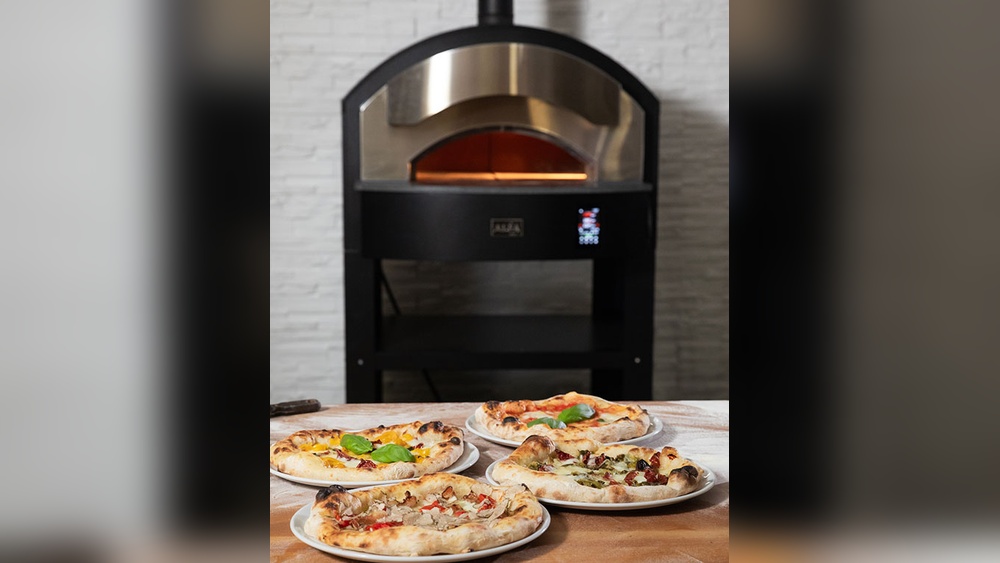
If you love making delicious pizzas at home, you probably wonder how much energy your pizza oven uses. After all, keeping your energy bills low while enjoying crispy, mouth-watering pizza is a win-win.
You might ask yourself: Are all pizza ovens the same when it comes to energy use? Or can you choose one that saves electricity without sacrificing taste? This article will guide you through the secrets of pizza oven energy efficiency.
By the end, you’ll know how to pick, use, and maintain your pizza oven to get the best results with less energy. Ready to save money and cook smarter? Let’s dive in!

Credit: www.ebay.com
Energy Use By Pizza Ovens
Pizza ovens consume energy to reach and maintain high cooking temperatures. Energy use varies based on the oven’s design, size, and how often it operates. Understanding these factors helps in choosing an energy-efficient model. This knowledge can lower energy bills and reduce environmental impact.
Electric Consumption Rates
Electric pizza ovens use power measured in kilowatt-hours (kWh). Most small electric ovens consume about 2 to 3 kWh per hour. Larger or commercial ovens may use 5 kWh or more. Higher temperatures and longer cooking times increase electricity use. Efficient models use insulation to keep heat, reducing energy waste.
Impact Of Oven Size And Type
Oven size directly affects energy use. Bigger ovens need more power to heat the larger space. Wood-fired ovens use different energy forms but still require fuel to maintain heat. Convection ovens circulate hot air, cooking faster and using less energy than traditional ovens. Choosing the right type fits your cooking needs and energy goals.
Usage Frequency Effects
How often you use the oven impacts total energy consumption. Frequent use means higher electricity costs. Turning the oven on and off repeatedly wastes energy. Keeping the oven on for many pizzas can be more efficient than heating it multiple times. Planning cooking sessions helps save energy and money.

Credit: www.amazon.com
Comparing Cooking Appliances
Choosing the right cooking appliance affects energy use and costs. Different devices cook food in unique ways. Comparing their energy efficiency helps save money and reduce waste. This section explores popular kitchen appliances for pizza and other meals. It highlights their energy costs and cooking benefits.
Air Fryer Vs Oven Energy Costs
Air fryers use less electricity than traditional ovens. They heat up quickly and cook food faster. This reduces cooking time and energy use. For small meals, air fryers are more efficient. Ovens take longer to preheat and use more power. However, ovens can handle large meals in one go. Air fryers may need multiple batches, raising energy use for big dishes.
Benefits Of Convection Cooking
Convection cooking uses a fan to spread hot air evenly. This speeds up cooking and lowers energy waste. Both air fryers and convection ovens use this method. It cooks food faster and more uniformly. Less cooking time means less electricity consumed. Convection cooking also keeps food crispier and tastier.
When Ovens Are More Efficient
Ovens become more energy-efficient for large or multiple dishes. They cook many items at once without reheating. This saves electricity compared to running an air fryer several times. Ovens also work better for slow cooking or baking. Using the right oven size and keeping the door closed helps reduce heat loss. Proper oven use can cut energy bills effectively.
Maximizing Pizza Oven Efficiency
Maximizing pizza oven efficiency helps save energy and improves cooking results. Efficient ovens maintain consistent heat, reducing fuel or electricity use. Small changes in oven handling lead to big energy savings. Focus on heat retention, proper preheating, and using the right materials.
Optimal Heat Retention Techniques
Heat retention keeps the oven hot longer without extra fuel. Use thick oven walls made from firebrick or stone. These materials absorb and slowly release heat. Keep the oven door closed during cooking to trap heat inside. Avoid opening the door too often. Use a door with good sealing to prevent heat loss.
Proper Preheating Practices
Preheat the oven fully before cooking pizza. This ensures even cooking and reduces energy waste. Preheat for the recommended time, usually 30 to 60 minutes. Avoid overheating, which wastes energy. Use an oven thermometer to check the temperature. Turn off the heat a few minutes before cooking to save energy while keeping heat inside.
Using Insulation And Materials
Insulation improves oven efficiency by reducing heat loss. Add insulation around the oven dome and base. Ceramic fiber blankets or mineral wool work well. Use heat-resistant materials that trap heat inside the oven. Avoid metal parts that cool down quickly. Proper insulation keeps the oven hot longer and lowers energy needs.
Gas Vs Electric Ovens For Pizza
Choosing between gas and electric pizza ovens affects energy use and cooking results. Both types have strengths and weaknesses. Understanding these differences helps pick the best oven for your needs and energy goals.
Heat Speed And Intensity
Gas ovens heat up quickly. They reach high temperatures fast. This speed saves energy during short cooking times. Gas flames produce intense heat, ideal for crispy crusts. Electric ovens heat slower but keep heat steady. They take longer to reach top temperature. Electric heat is gentler, good for even cooking. Both types offer strong heat, but gas is faster.
Control And Consistency
Electric ovens provide precise temperature control. They keep heat stable for uniform baking. This consistency uses energy efficiently. Gas ovens can have slight heat swings. Flame size changes affect temperature. Skilled cooks can adjust gas flames quickly. Electric ovens suit users wanting steady heat. Gas ovens fit those who prefer manual control.
Indoor And Outdoor Use
Electric ovens are safe for indoor use. They need standard power outlets and less ventilation. Gas ovens often work better outdoors. Open flame requires fresh air and space. Outdoor gas ovens can use natural gas or propane. Electric ovens offer more placement options. Both types fit different spaces and energy setups.
Cost-saving Tips
Saving money on pizza oven energy costs is easier than many think. Small changes in how you use and select your oven can cut energy bills. Smart habits and choices reduce waste and boost efficiency. These tips help you enjoy delicious pizzas without high costs.
Reducing Energy Waste
Turn off the oven a few minutes before cooking ends. The stored heat finishes the baking. Avoid opening the door often to keep heat inside. Use an oven thermometer to avoid overheating. Clean the oven regularly to maintain good heat flow. These steps lower energy use and save money.
Choosing Energy-efficient Models
Select pizza ovens with good energy ratings. Look for ovens with insulation and quick heat-up features. Electric ovens with convection fans use energy better. Smaller ovens use less power for small meals. Choosing the right size and type cuts electricity costs. Investing in efficient models pays off over time.
Cooking Strategies For Savings
Cook several pizzas in one session to save energy. Preheat the oven only for the required time. Use thicker pizza dough to reduce cooking time. Use pizza stones or steel for even heat distribution. Batch cooking lowers the number of heating cycles. These strategies make cooking cheaper and faster.

Credit: fastabiqsehat.com
Frequently Asked Questions
Do Pizza Ovens Use A Lot Of Electricity?
Pizza ovens use moderate electricity depending on size, type, and usage. Energy-efficient models reduce consumption and costs effectively.
How Much Does It Cost To Run An Electric Oven For 3 Hours?
Running an electric oven for 3 hours typically costs around $2. 70, based on average energy rates. Energy use varies by oven size and efficiency.
Is It Cheaper To Run An Air Fryer Or The Oven?
An air fryer uses less energy and costs less to run for small meals due to faster heating and efficient cooking. Ovens may be cheaper for large meals cooked at once.
Is A Gas Oven Better Than An Electric Oven For Pizza?
Gas ovens heat quickly and provide better moisture control, ideal for crispy pizza crusts. Electric ovens offer even, stable heat. For traditional, charred flavors, gas is preferred. Electric ovens suit consistent baking and easy temperature control. Choice depends on pizza style and cooking preference.
Conclusion
Choosing an energy-efficient pizza oven saves electricity and reduces costs. Smaller ovens heat quickly and use less power. Proper insulation keeps heat inside, improving efficiency. Cooking in batches lowers energy use over time. Regular maintenance ensures the oven runs smoothly and saves energy.
Smart use of your pizza oven helps the environment too. Enjoy tasty pizza while keeping energy waste low. Simple steps make a big difference in energy efficiency.

As the author of the “Ultimate Pizza Guide: Recipes, Tips & Secrets Revealed,” I’m dedicated to sharing my love for pizza and empowering others to create delicious homemade pizzas with ease. Join me on a journey to uncover the secrets to perfecting your pizza game!


