
Craving pizza but worried about the extra calories and unhealthy ingredients? What if you could enjoy your favorite dish without guilt, savoring every bite while keeping it good for your body?
You’re in the right place. This guide on Healthy Pizza Cooking Techniques will show you simple, smart ways to transform your pizza into a nourishing meal. From choosing the right crust to topping it with fresh, wholesome ingredients, you’ll discover easy tips that make a big difference.
Ready to make pizza night both delicious and healthy? Keep reading and unlock the secrets to guilt-free pizza perfection!
Healthy Crust Choices
Choosing the right crust is key to making pizza healthier. The crust forms the base and can add nutrition or empty calories. Selecting wholesome crust options helps balance taste and health. Many alternatives offer fiber, protein, and fewer carbs. These choices support better digestion and keep energy steady.
Whole Wheat And Alternative Flours
Whole wheat flour adds fiber and nutrients missing in white flour. It creates a denser, heartier crust with a nutty flavor. Other flours like spelt, rye, and oat bring unique tastes and textures. These flours have more vitamins and minerals. Using them increases the pizza’s health value and fullness.
Low-carb And Gluten-free Options
Low-carb crusts reduce sugar spikes and help weight control. Almond flour and coconut flour are popular low-carb bases. They provide healthy fats and protein. Gluten-free flours suit those with gluten intolerance or celiac disease. These include rice flour, chickpea flour, and tapioca starch. These crusts maintain pizza enjoyment without digestive issues.
Cauliflower And Vegetable-based Crusts
Cauliflower crust is a favorite veggie option. It cuts carbs and adds vitamins and fiber. Other vegetables like zucchini, sweet potato, and carrot also work well. These crusts blend cooked veggies with eggs and cheese for binding. They offer a lighter texture and boost vegetable intake. Perfect for those wanting a fresh, nutrient-rich pizza base.
Smart Sauce Selection
Choosing the right sauce boosts your pizza’s health and flavor. Sauces add moisture and taste without extra calories. Select sauces low in salt and sugar for a healthier pie. Fresh ingredients in sauces enhance nutrition and freshness. Explore options beyond traditional tomato sauce for variety and benefits.
No-salt Added Tomato Sauces
No-salt added tomato sauces keep sodium levels low. They retain tomato’s natural sweetness and acidity. These sauces support heart health by reducing salt intake. Choose organic or fresh tomato bases for best results. Use herbs and spices to enhance flavor without salt.
Herb-infused And Homemade Sauces
Making sauces at home controls ingredients and freshness. Add basil, oregano, or thyme for natural flavor boosts. Fresh garlic and onion improve taste and nutrition. Homemade sauces avoid preservatives and hidden sugars. This method lets you customize sauces for your diet.
Creative Sauce Alternatives
Try pesto, hummus, or avocado as sauce bases. These options offer healthy fats and unique flavors. Yogurt-based sauces add creaminess without excess calories. Experiment with pureed vegetables like roasted red peppers. Creative sauces diversify your pizza and increase nutrients.
Nutritious Cheese Options
Choosing the right cheese can make your pizza both tasty and healthy. Cheese adds flavor and texture but can also add extra calories and fat. Selecting nutritious cheese options helps keep your pizza light without losing deliciousness.
Low-fat And Reduced-calorie Cheeses
Low-fat cheeses contain less fat and fewer calories than regular cheese. Mozzarella made with part-skim milk is a popular choice. Ricotta and cottage cheese also come in low-fat versions. These cheeses melt well and keep pizzas creamy without extra calories.
Unconventional Cheeses For Flavor
Try cheeses like feta, goat cheese, or parmesan for new tastes. They often have strong flavors, so you need less cheese. This reduces fat and calories while adding variety. These cheeses pair well with vegetables and herbs for a fresh pizza.
Cheese-less Pizza Ideas
Skip cheese altogether for a lighter pizza. Use tomato sauce, fresh herbs, and plenty of vegetables. Roasted garlic, olives, and artichokes add rich flavors without cheese. You can also spread hummus or pesto instead of cheese for creaminess.
Veggie-packed Toppings
Veggie-packed toppings transform ordinary pizza into a nutritious meal. They add color, flavor, and vitamins. Using a variety of vegetables makes the pizza more interesting and healthy. Vegetables bring fiber and antioxidants, which support overall health. They also keep calories low while adding bulk and taste.
Fresh And Roasted Vegetables
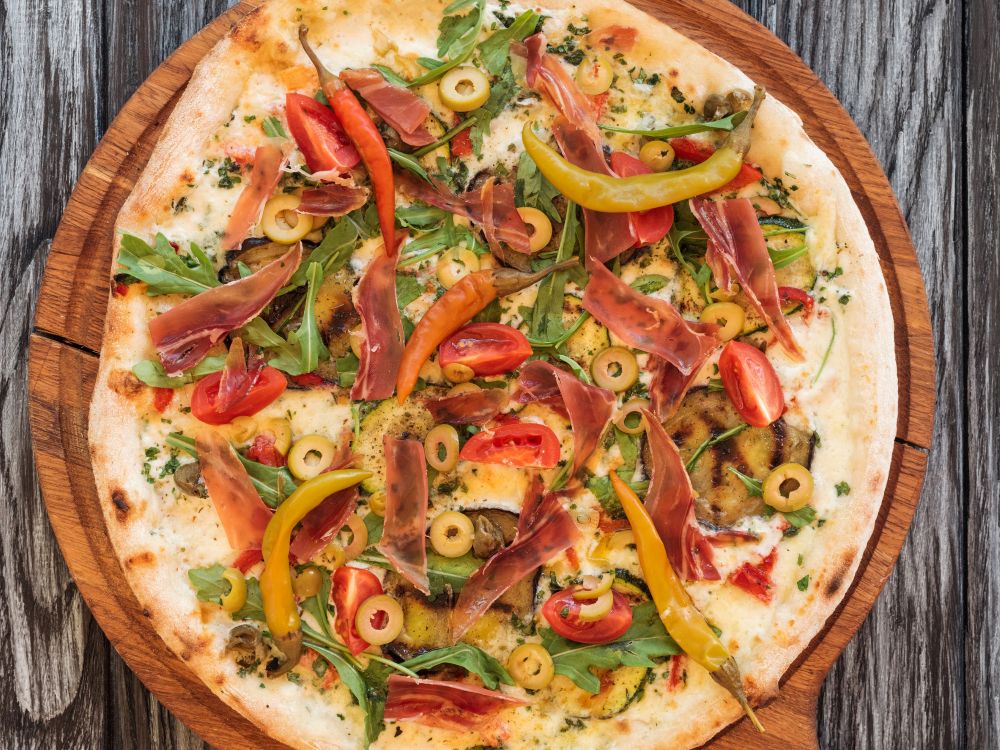
Fresh vegetables add crunch and natural sweetness. Sliced bell peppers, tomatoes, and onions work well raw. Roasting vegetables like zucchini, eggplant, and mushrooms deepens their flavor. Roasting caramelizes their natural sugars, giving a rich taste. Use olive oil lightly to keep them moist and tasty. Roasted veggies blend well with melted cheese and sauce.
Leafy Greens And Herbs
Leafy greens like spinach and arugula boost nutrition without extra calories. Add them after baking to keep their texture and color. Fresh herbs such as basil, oregano, and parsley brighten the flavor. Herbs also add antioxidants and vitamins. Sprinkle them on top just before serving for a fresh taste.
Combining Vegetables With Lean Proteins
Pair vegetables with lean proteins for a balanced pizza. Chicken breast, turkey, or shrimp complement veggie toppings well. This combo provides more protein and keeps fat low. The proteins help keep you full longer. Mix colorful vegetables with lean meats to create a satisfying meal. This approach supports healthy eating without sacrificing flavor.
Lean Protein Additions
Adding lean proteins to your pizza boosts nutrition without extra fat. Lean proteins help build muscle and keep you full longer. They also add great flavor and texture. Choose options that cook quickly and stay moist on pizza.
Grilled Chicken And Turkey
Grilled chicken is a classic lean protein for pizza. Use skinless, boneless chicken breast for less fat. Slice it thin to spread evenly over your pizza. Turkey breast works well too. Both grill fast and stay juicy. Light seasoning with herbs and spices enhances taste without calories.
Seafood And Plant-based Proteins
Seafood like shrimp or salmon adds a fresh, healthy twist. These proteins cook quickly and add omega-3 fats. For plant-based options, tofu or tempeh works nicely. Marinate plant proteins to boost flavor before baking. These choices offer variety and keep pizza light.
Balancing Protein With Other Ingredients
Combine lean proteins with vegetables for a balanced pizza. Add colorful peppers, spinach, or mushrooms to increase vitamins. Use a moderate amount of cheese to avoid extra fat. A thin crust helps keep calories down. This balance makes every slice healthy and tasty.

Credit: www.amazon.com
Cooking Techniques For Health
Cooking pizza in a healthy way starts with the right techniques. These methods reduce extra fat and calories. They keep your pizza tasty and nutritious. Small changes in cooking can make a big difference in health.
Baking Vs. Frying
Baking pizza is healthier than frying. Baking uses dry heat in an oven. It cooks the pizza evenly without extra oil. Frying adds more fat and calories. It can make the crust greasy and heavy. Choose baking to keep your pizza light and crisp.
Using Non-stick Surfaces
Non-stick pans need less oil for cooking. This lowers the amount of added fat. You can bake pizza on a non-stick tray or stone. It helps the crust cook well and prevents sticking. Using non-stick surfaces keeps your pizza cleaner and healthier.
Controlling Portion Sizes
Eating the right portion size helps control calorie intake. Smaller pizza slices reduce overeating. Balance your pizza with vegetables and lean proteins. Avoid piling on too much cheese or meat. Portion control helps maintain a healthy diet and avoids excess weight gain.
Flavor Enhancers Without Extra Calories
Enhancing pizza flavor does not require extra calories. Simple ingredients can boost taste while keeping your meal healthy. Using natural flavor enhancers adds freshness and complexity. These options keep your pizza light and delicious.
Fresh Herbs And Spices
Fresh herbs like basil, oregano, and parsley add bright flavors. Sprinkle them on your pizza after baking for best taste. Spices such as crushed red pepper or garlic powder give a nice kick. These ingredients add flavor without adding fat or sugar.
Balsamic Glaze And Light Drizzles
A small drizzle of balsamic glaze adds sweetness and tang. Use it sparingly to avoid extra calories. Light drizzles of olive oil or hot sauce can also enhance taste. These toppings add depth without overwhelming your pizza.
Using Citrus And Vinegars
A squeeze of lemon or lime juice brightens flavors instantly. Vinegars like red wine or apple cider add a subtle tang. Use these after baking to keep their fresh taste. They add zest without adding unnecessary calories or fat.
Credit: lorieeberwellnesscoaching.com
Balancing Macros For Guilt-free Meals
Balancing macros in pizza helps create meals that satisfy without guilt. Proper balance means adjusting carbs, fats, and proteins. This approach supports energy needs and keeps hunger at bay. Healthy pizzas become both tasty and nourishing.
Adjusting Carbs, Fats, And Proteins
Start with a thin whole-grain crust for complex carbs. Add lean proteins like grilled chicken or turkey. Use healthy fats such as olive oil or avocado slices. Limit cheese to reduce saturated fat. This balance provides steady energy and supports muscle health.
Incorporating Fiber For Satiety
Add plenty of vegetables like spinach, peppers, and mushrooms. Fiber slows digestion and helps you feel full longer. Choose whole grain or legume-based crusts for extra fiber. Fiber also aids digestion and supports heart health. This keeps hunger away after your meal.
Meal Pairing Suggestions
Pair your pizza with a fresh side salad or vegetable soup. Include a source of protein if pizza is low in it. Opt for water or herbal tea instead of sugary drinks. These pairings improve nutrient intake and keep calories in check. They make your meal well-rounded and satisfying.
Quick And Easy Healthy Pizza Recipes
Quick and easy healthy pizza recipes bring flavor and nutrition to your table fast. These recipes use simple ingredients and smart cooking methods. They save time and boost your meal’s health value. Enjoy tasty pizzas without the guilt or long prep times. Perfect for busy days or casual dinners.
High-protein Chicken Pizzas
Chicken adds lean protein that keeps you full longer. Use grilled or shredded chicken for the topping. Choose whole wheat or cauliflower crust for extra fiber. Add fresh vegetables like spinach, tomatoes, or bell peppers. Use low-fat cheese or a light sprinkle of mozzarella. Bake until the crust is crispy and cheese melts. This pizza supports muscle health and balances energy.
Vegetarian And Vegan Options
Vegetarian pizzas focus on colorful vegetables and plant-based toppings. Try mushrooms, olives, onions, and bell peppers. Use tomato sauce or pesto as the base. Vegan pizzas replace cheese with nut-based or soy cheeses. Add protein with tofu, chickpeas, or lentils. Use whole grain or gluten-free crusts for variety. These pizzas are rich in vitamins and fiber, great for plant lovers.
Family-friendly Variations
Family-friendly pizzas please all ages with simple flavors and healthy choices. Use mild tomato sauce and a moderate amount of cheese. Add favorite veggies like corn, carrots, or zucchini. Include lean meats such as turkey or chicken sausage. Make personal-sized pizzas to involve kids in cooking. These variations encourage healthy eating habits in a fun way.
Storage And Reheating Tips
Storing and reheating pizza properly keeps it fresh and tasty. Healthy pizza deserves care even after cooking. Follow simple tips to keep your pizza safe and delicious. These practices help maintain flavor and texture while avoiding food spoilage.
Proper Refrigeration Methods
Cool pizza slices before storing them in the fridge. Place them in airtight containers or wrap tightly with plastic wrap. Use shallow containers to cool pizza faster. Avoid leaving pizza out at room temperature for more than two hours. Store pizza at or below 40°F (4°C) to prevent bacterial growth.
Maintaining Texture And Flavor
Prevent sogginess by separating slices with parchment paper. Reheat only the amount you plan to eat to keep the rest fresh. Use toppings like fresh vegetables after reheating to keep them crisp. Avoid overloading pizza with sauce before storing to maintain the crust’s crunch.
Safe Reheating Practices
Reheat pizza slowly to avoid drying it out. Use an oven or toaster oven at 375°F (190°C) for best results. Heat pizza on a baking sheet or pizza stone for even cooking. Avoid microwaving for too long, as it makes crust chewy or soggy. Reheat pizza until the cheese bubbles and the crust is crisp.

Credit: www.tasteofhome.com
Frequently Asked Questions
What Is The Healthiest Way To Make Pizza?
Use a whole wheat thin crust, low-fat cheese, and plenty of fresh vegetables. Opt for lean proteins and a no-salt tomato sauce. Bake until crispy to retain nutrients and enhance flavor. This method creates a balanced, nutritious, and delicious pizza.
What Is The Healthiest Style Of Pizza?
The healthiest pizza style features a thin whole wheat crust, light cheese, and abundant fresh vegetable toppings. Choose lean proteins like chicken and avoid processed meats. Use no-salt-added tomato sauce and herbs for flavor. Baking at home lets you control ingredients, making pizza both nutritious and delicious.
What’s The 2 Hour Rule For Pizza?
The 2-hour rule states: Do not leave pizza out at room temperature over 2 hours. Bacteria grow quickly after that. Refrigerate leftovers promptly.
How To Make A Slice Of Pizza Healthier?
Choose a thin crust and top with plenty of vegetables like peppers and mushrooms. Use lean protein and reduce cheese. Swap regular sauce for no-salt-added tomato sauce with herbs. Avoid stuffed crust and heavy meats to cut calories and boost nutrients.
Conclusion
Healthy pizza cooking techniques make meals both tasty and nutritious. Choosing whole grain crusts adds fiber and energy. Using fresh vegetables boosts vitamins and flavor. Opting for lean proteins helps keep calories low. Baking instead of frying reduces unhealthy fats.
Small changes bring big benefits to your pizza. Enjoy your pizza with health and happiness in mind. Try these tips and savor every bite guilt-free.

As the author of the “Ultimate Pizza Guide: Recipes, Tips & Secrets Revealed,” I’m dedicated to sharing my love for pizza and empowering others to create delicious homemade pizzas with ease. Join me on a journey to uncover the secrets to perfecting your pizza game!


