When it comes to baking the perfect pizza, temperature isn’t just a number—it’s the secret to achieving that irresistible crust and gooey cheese you crave. But did you know that the baking temperature also plays a key role in the nutrition and overall quality of your pizza?
Whether you’re a homemade pizza enthusiast or simply want to get the most out of your take-and-bake, understanding the right oven settings can transform your meal. You’ll discover the ideal pizza baking temperatures and how they affect not only taste and texture but also the nutritional value of your slice.
Ready to bake smarter and enjoy every bite guilt-free? Keep reading to unlock the best pizza secrets for your kitchen.

Credit: www.freschetta.com
Ideal Oven Temperatures
Choosing the right oven temperature is key to baking a perfect pizza. Temperature affects the crust texture, cooking time, and flavor. Different ovens and tools need different heat levels. Understanding ideal temperatures helps you bake better pizzas at home.
Standard Home Oven Settings
Most home ovens reach up to 500°F (260°C). Preheat the oven fully before baking. Place the pizza on the middle rack for even cooking. Bake for 10 to 15 minutes. Higher temperatures create a crispier crust. Lower temperatures can make the pizza soggy.
Pizza Stone And Steel Use
Pizza stones and steels absorb and hold heat well. Preheat them in the oven for at least 30 minutes. Set the oven to 475°F to 500°F (245°C to 260°C). These tools help create a crispy base by drawing moisture away. They also provide a more even heat distribution.
Convection Oven Tips
Convection ovens circulate hot air for faster cooking. Lower the temperature by 25°F (15°C) from the recipe’s suggestion. Bake pizzas at about 450°F (230°C) for 8 to 12 minutes. Use the middle rack for balanced heat. Watch the pizza closely as it cooks quicker.
High-heat Pizza Ovens
Specialized pizza ovens can reach 700°F to 900°F (370°C to 480°C). These ovens bake pizzas in just 90 seconds to 3 minutes. The high heat creates a light, airy crust with charred edges. They are ideal for Neapolitan-style pizzas but require careful handling.
Baking Times For Different Pizzas
Baking times vary widely depending on the type of pizza and its thickness. Proper timing ensures a perfectly cooked crust and well-melted toppings. Different pizzas require different heat levels and durations to achieve the best taste and texture.
Thin Crust Pizzas
Thin crust pizzas bake quickly due to their slim base. Typically, they need about 7 to 10 minutes at 475°F (245°C). This high temperature crisps the edges while keeping the center tender. Watch closely to avoid burning the crust.
Thick Crust And Pan Pizzas
Thick crust pizzas demand longer baking times. Pan pizzas often take 15 to 20 minutes at 425°F (220°C). The lower temperature helps cook the dough thoroughly without burning toppings. Check if the crust is golden and the cheese fully melted.
Frozen Pizza Baking Times
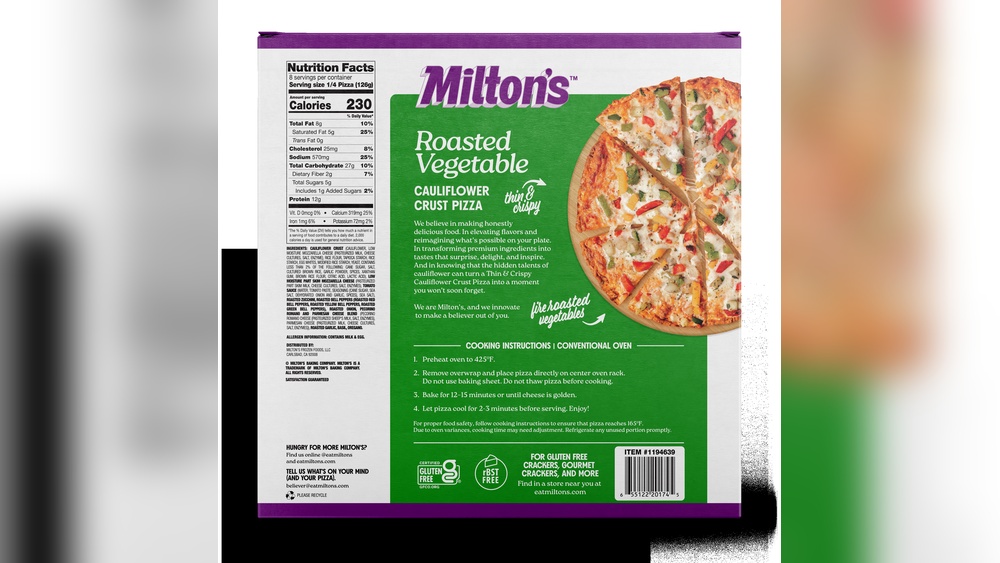
Frozen pizzas usually require more time to cook evenly. Most need 12 to 18 minutes at 400°F (205°C). Remove all packaging before baking. Follow package instructions closely, as times vary by brand and pizza size.
Take-and-bake Pizza Instructions
Take-and-bake pizzas are fresh but uncooked. Bake these at 425°F (220°C) for about 12 to 15 minutes. Place the pizza on a preheated baking stone or tray for best results. Ensure the crust is firm and toppings are hot before serving.
Techniques For Perfect Crust
Creating the perfect pizza crust requires more than just good dough. The baking temperature and techniques play a big role. Small adjustments can change the texture and taste of your crust. These methods help achieve a crust that is crispy outside but soft inside. Understanding oven behavior and heat distribution is key to baking success.
Below are some simple techniques to bake a crust that will impress every time.
Preheating Importance
Always preheat your oven before baking pizza. A hot oven ensures the crust cooks quickly and evenly. It helps to develop a nice rise and golden color. Preheating for at least 30 minutes is best, especially if using a pizza stone or steel. This step locks in heat and creates a firm base for the dough.
Rack Positioning
Where you place your pizza in the oven affects crust texture. The lower rack gives direct heat to the base, making it crispier. The upper rack cooks the top faster but may leave the bottom soft. Placing the pizza in the middle balances the heat for even cooking. Adjust rack height to match your preferred crust style.
Using The Broiler
The broiler adds intense heat from above. Use it for the last minute or two of baking. This technique browns the cheese and toppings quickly. It also creates a slightly charred, smoky flavor. Watch closely to avoid burning the pizza under the broiler. It’s a useful trick for a well-rounded crust finish.
Achieving Crispiness
For a crispy crust, use a preheated pizza stone or steel. These surfaces hold heat better than a baking sheet. They transfer heat directly to the dough’s bottom. Avoid soggy crust by not overloading toppings with moisture. Bake at a high temperature, around 475°F to 500°F. This creates a crunchy texture while keeping the inside tender.
Nutrition Factors In Pizza
Understanding nutrition factors in pizza helps make smarter food choices. Pizza can be both delicious and nutritious depending on ingredients and preparation. Knowing what affects pizza’s nutrition guides healthier eating.
Calorie Content Variations
Calories in pizza vary widely by size and toppings. A thin crust pizza generally has fewer calories than thick crust or deep dish. Cheese amount also affects calorie count. More cheese means higher calories. Meat toppings like pepperoni add more calories than vegetables. Sauce type and amount contribute to calorie differences too.
Impact Of Different Toppings
Toppings change pizza’s nutrition profile significantly. Vegetables add vitamins, fiber, and minerals with fewer calories. Meats provide protein but often add saturated fat and sodium. Choosing lean meats like chicken reduces unhealthy fats. Some toppings, like extra cheese or processed meats, increase fat and salt levels. Balancing toppings improves overall nutrition.
Healthier Ingredient Choices
Using whole wheat crust boosts fiber and nutrients. Low-fat cheese lowers saturated fat content. Tomato sauce is rich in antioxidants and vitamins. Adding plenty of fresh vegetables increases vitamins and fiber. Opt for lean protein options like grilled chicken or turkey. Avoid heavy creamy sauces for a lighter meal.
Portion Control Tips
Controlling portion size helps manage calorie intake. Eating smaller slices or sharing pizza limits overeating. Pair pizza with a side salad to add volume without many calories. Listen to hunger signals and stop eating when full. Avoid eating large amounts of high-calorie toppings in one meal.
Adjusting For Oven Differences
Ovens differ widely in how they heat and cook pizza. Adjusting baking temperature and time is key for good results. Recognizing these differences helps create a pizza with the right texture and flavor. Learning to adapt your process leads to better, tastier pizza every time.
Temperature Variations
Ovens may show different temperatures than what you set. Some run hotter or cooler. Use an oven thermometer to check the real heat inside. Adjust the temperature setting based on this reading. This helps avoid burning or undercooking your pizza.
Cooking Time Adjustments
Pizza cooking time changes with oven type and temperature. A hotter oven needs less time, a cooler one needs more. Start checking pizza a few minutes earlier than the recipe states. Keep track of your oven’s habits for future baking.
Visual Doneness Indicators
Look for a golden-brown crust and bubbling cheese. The edges should be crisp but not burnt. Check the bottom for a firm, slightly browned surface. These signs mean your pizza is ready to eat. Visual cues work better than clocks alone.

Credit: easylunches.com
Common Baking Mistakes
Baking pizza at the right temperature is key for taste and nutrition. Many home bakers make simple errors that affect the pizza’s texture and flavor. These mistakes can lead to poor cooking results and reduce the nutritional value. Avoiding common baking errors ensures a delicious and healthy pizza every time.
Overcooking And Undercooking
Overcooked pizza becomes dry and hard. The crust may burn, and the toppings lose moisture and nutrients. Undercooked pizza has a doughy crust and unmelted cheese. This can cause digestive discomfort and an unpleasant taste. Proper timing is essential to cook pizza evenly and maintain nutrition.
Incorrect Temperature Settings
Setting the oven too high burns the crust and toppings quickly. This can create harmful compounds and reduce vitamins. Too low a temperature causes soggy crust and uneven cooking. The ideal temperature balances crisp crust and melted toppings, preserving both flavor and nutrients.
Improper Use Of Baking Surfaces
Using the wrong baking surface affects heat distribution. Baking directly on cold metal pans can cause uneven cooking. Pizza stones or steel surfaces absorb heat well and create a crisp crust. Placing pizza on parchment paper or baking sheets may trap moisture, leading to a soggy base.
Tips For Homemade Dough
Making homemade pizza dough can be simple and rewarding. Using the right techniques improves texture and flavor. Small changes in preparation affect the final pizza’s quality. Understanding dough preparation, resting times, and thickness will help you bake better pizzas.
Dough Preparation
Start with fresh ingredients: flour, water, yeast, salt, and a little sugar. Mix them evenly until the dough forms a ball. Knead the dough for about 8-10 minutes. This develops gluten, which gives the dough strength and stretch. Avoid adding too much flour during kneading. It can make the dough dry and tough.
Optimal Resting Times
Let the dough rest after kneading. Resting helps the gluten relax and the dough rise. A good resting time is 1 to 2 hours at room temperature. For better flavor, refrigerate the dough overnight. This slow fermentation improves taste and texture. Always cover the dough with a damp cloth or plastic wrap to keep it moist.
Effect Of Dough Thickness On Baking
Thin dough cooks faster and creates a crisp crust. Thick dough needs more baking time and stays soft inside. Choose thickness based on your preference and oven temperature. Thicker dough may require a lower temperature to cook evenly. Use a pizza stone or steel for better heat distribution. This helps achieve a perfect crust regardless of thickness.
Credit: www.redbaron.com
Frequently Asked Questions
Should I Bake Pizza At 400 Or 450?
Bake pizza at 450°F for a crispier crust and faster cooking. Use 400°F for a softer crust and longer bake time. Adjust based on your oven and preference.
What Is The Optimal Temperature To Bake A Pizza?
Bake pizza at 475°F to 500°F (245°C to 260°C) for a crispy crust and evenly melted cheese. Preheat oven thoroughly.
How Long To Bake Pizza In The Oven At 425 Degrees?
Bake pizza at 425°F for 12 to 15 minutes. Check for a golden crust and bubbly cheese before removing.
What Temperature For Take And Bake Pizza?
Preheat your oven to 400°F (204°C) for take and bake pizza. Bake 12-15 minutes until crust is golden and cheese bubbles.
Conclusion
Baking pizza at the right temperature brings out the best flavors and texture. A hotter oven creates a crisp crust and melts cheese perfectly. Nutritional value depends on ingredients and cooking time. Choosing fresh toppings adds vitamins and minerals to your meal.
Remember, watch your pizza closely to avoid burning. Simple steps make homemade pizza both tasty and healthy. Enjoy your pizza with confidence and good taste.

As the author of the “Ultimate Pizza Guide: Recipes, Tips & Secrets Revealed,” I’m dedicated to sharing my love for pizza and empowering others to create delicious homemade pizzas with ease. Join me on a journey to uncover the secrets to perfecting your pizza game!


