“Pizza Oven Stone Vs Steel Health Impact”
When it comes to making the perfect homemade pizza, you might wonder whether a pizza oven stone or steel is better—not just for taste, but for your health too. You want a crust that’s crispy, delicious, and safe to enjoy without worry.
But how do these two popular baking surfaces stack up when it comes to health impact? Should you be concerned about materials, heat transfer, or even maintenance? You’ll discover the key differences between pizza stones and steels, how each affects your pizza’s quality and your wellbeing, and which one fits your lifestyle best.
Keep reading to make an informed choice that satisfies both your pizza cravings and your health goals.
Credit: www.walmart.com
Heat Transfer And Cooking Performance
Heat transfer and cooking performance define the pizza baking experience. The material of your pizza oven surface affects how heat moves to the dough and how the crust turns out. Stone and steel differ in their ability to conduct and retain heat. These differences impact baking speed, crust texture, and the final rise of your pizza. Understanding these effects helps you choose the right cooking surface for your needs.
Speed Of Heat Transfer
Steel conducts heat much faster than stone. It absorbs and transfers heat quickly to the pizza dough. This fast heat transfer shortens baking time. Stone heats more slowly and releases heat gradually. It provides a steady, even temperature over time. Steel’s quick heat can crisp the crust faster. Stone’s slower heat reduces the risk of burning. Both have benefits depending on baking style.
Impact On Crust Texture
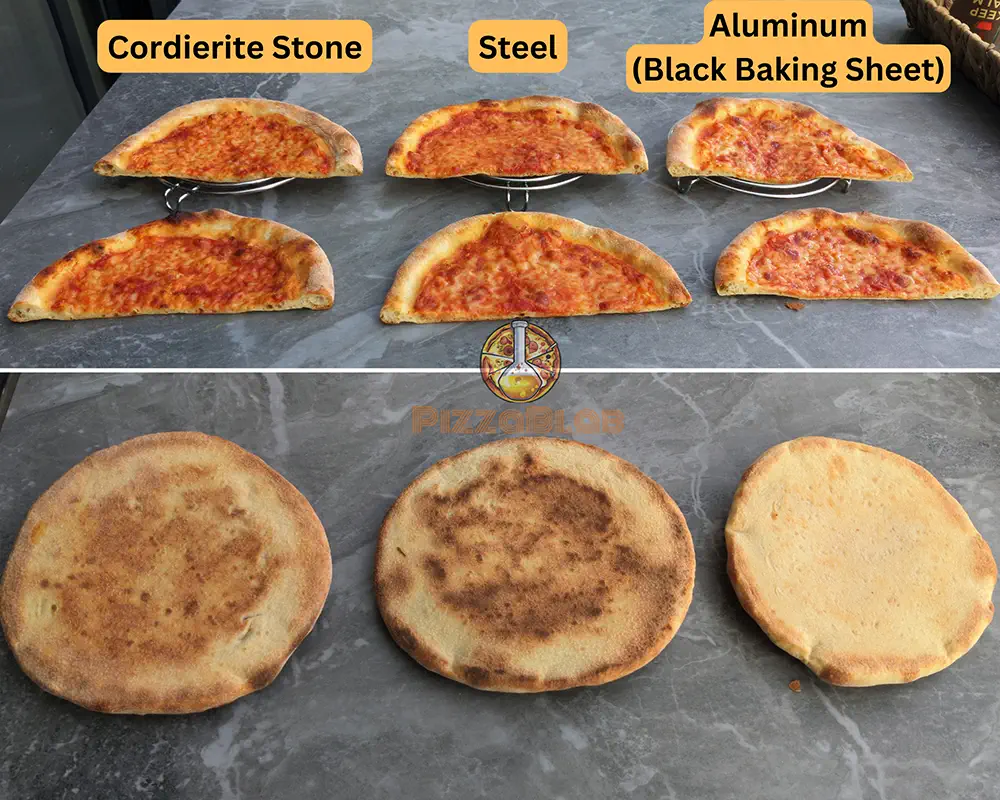
Steel creates a crispier, more blistered crust. Its intense heat causes quick moisture evaporation. This results in a crunchy bottom with a slight char. Stone produces a softer crust with a chewy texture. It absorbs moisture and releases heat gently. This even heat helps avoid hot spots. Stone’s porous surface also absorbs excess moisture. Both materials give distinct crust experiences.
Oven Spring Differences
Oven spring means how much the dough rises in the oven. Steel’s rapid heat causes a strong oven spring. The dough expands quickly, creating light, airy pockets. Stone’s slower heat gives a milder oven spring. The rise is steadier but less dramatic. This affects the pizza’s chewiness and fluffiness. Steel suits pizzas needing a fast, puffy rise. Stone works well for gradual, even baking.
Material Durability And Maintenance
Choosing between a pizza oven stone and steel involves considering material durability and maintenance. These factors affect the product’s lifespan and how safe it is for cooking. Understanding each material’s strengths helps you keep your pizza tools in top shape for healthy cooking.
Resistance To Cracking And Warping
Pizza stones are made from ceramic or cordierite, which can crack under rapid temperature changes. Thermal shock happens if you place a cold stone in a hot oven. Stones may also break if dropped. Steel plates resist cracking and are almost warp-proof under normal oven heat. Steel handles sudden temperature changes better and lasts longer without damage.
Seasoning And Rust Prevention
Steel requires seasoning to create a protective, non-stick surface. Applying a thin coat of oil and heating the steel prevents rust and food sticking. Stones do not need seasoning because they are porous and absorb moisture. However, stones should be dried fully to avoid mold. Steel must be maintained regularly to stop rust, especially in humid kitchens.
Cleaning Tips
Clean stones with a stiff brush or scraper to remove food residue. Avoid soap, as stones absorb it, affecting pizza flavor. Steel surfaces clean easily with a sponge and mild detergent. After washing, dry steel well and reapply oil if needed. Proper cleaning keeps both materials safe and extends their cooking life.
Cost And Longevity
Choosing between a pizza oven stone and steel affects more than cooking style. Cost and longevity are key factors. These affect your budget and how often you replace your cooking surface. Understanding these helps pick the right option for your kitchen.
Initial Investment
Pizza stones usually cost less upfront. They are made from ceramic or cordierite, which are cheaper materials. Steel, on the other hand, has a higher initial price. This is due to its metal composition and manufacturing process. Though costly, steel offers excellent heat conductivity. This means it heats faster and cooks pizza crisply.
Lifespan And Replacement Needs
Pizza stones can crack or break from sudden temperature changes. This makes them less durable over time. They may need replacement every few years. Steel lasts much longer. It is virtually indestructible and resists cracking. Proper care, like seasoning, prevents rust on steel. This extends its lifespan significantly. Choosing steel means fewer replacements and less waste.
Health And Safety Considerations
Choosing between a pizza oven stone and steel involves health and safety factors. These materials affect how safe your food is and your cooking environment. Understanding these impacts helps you pick the right option for your kitchen and well-being.
Both stone and steel have unique properties. Some concerns include material safety, potential toxins, and risks during use. Let’s explore these aspects carefully.
Food Safety Of Stone Materials
Pizza stones are made from natural clay or ceramic. These materials are generally safe and non-toxic. They absorb moisture from dough, helping create a crispy crust.
Porous stones can trap food particles and bacteria if not cleaned well. Avoid using soaps or chemicals on the stone. Use a brush or scraper to keep it clean.
Stones do not release harmful substances into food. They are safe for cooking as long as they remain intact and uncracked.
Toxicity And Coatings In Steel
Pizza steels are usually made of food-grade stainless steel or carbon steel. These metals are safe for cooking when properly maintained.
Some steels come with coatings or seasoning layers. Non-stick coatings may release chemicals if overheated. Avoid steels with unclear coatings to reduce risks.
Seasoned steel forms a natural protective layer. This layer prevents rust and avoids direct metal contact with food. Proper care keeps steel safe and durable.
Potential Health Risks
Both materials can pose risks if misused. Cracked stones may harbor bacteria and break during cooking. Replace damaged stones immediately.
Steel can rust if not dried or seasoned properly. Rust can contaminate food and affect taste. Regular seasoning prevents this issue.
Overheated steel with coatings may emit fumes harmful to health. Always follow manufacturer temperature guidelines. Use uncoated or well-seasoned steel for safety.
Cooking Versatility
Cooking versatility matters for choosing between pizza oven stone and steel. Each material affects what foods you can cook and how they perform in different ovens. Understanding these differences helps you pick the right tool for your kitchen needs.
Types Of Foods Best Suited
Pizza steel excels at cooking thin-crust pizzas with crispy edges. It heats quickly, giving a perfect char and fast bake time. It also works well for searing meats, baking bread, and even making smash burgers.
Pizza stones are better for baking multiple items gently. They handle thicker crust pizzas, cookies, and artisan breads well. The stone’s porous surface absorbs moisture, producing soft and evenly baked goods.
Steel suits foods needing high heat and quick cooking. Stone suits delicate baking that requires steady, even heat over time.
Performance In Various Oven Types
Steel performs best in electric and gas ovens due to its fast heat conduction. It reaches high temperatures quickly and maintains them efficiently. This makes it ideal for home ovens and outdoor grills.
Stone works well in wood-fired ovens where heat is more gradual. It absorbs heat slowly and releases it evenly. This prevents burning and helps cook multiple batches without temperature drops.
Steel may need seasoning to avoid rust in humid environments. Stone requires careful handling to prevent cracks from sudden temperature changes.
Credit: www.pizzablab.com
User Experience And Preferences
Choosing between a pizza oven stone and steel affects how users enjoy baking. Each material offers a unique experience. Preferences depend on ease, weight, and skill level. Understanding these factors helps pick the right tool for every baker.
Ease Of Use
Pizza stones heat slowly but maintain steady temperature. They need preheating for best results. Stones require little care and no seasoning. Steel heats up quickly and cools fast. It demands seasoning to prevent rust. Steel may burn food if temperature is too high. Stones are more forgiving for temperature mistakes. Steel offers faster cooking but needs attention.
Weight And Handling
Stones are generally lighter than steel. They are easier to move and clean. Steel is heavier and bulkier. Lifting steel can be difficult for some users. Steel’s weight helps keep heat steady during cooking. Stones can crack if dropped or handled roughly. Steel resists chipping and breaking. Handling depends on user strength and storage space.
Suitability For Beginners Vs Experts
Beginners often prefer stones for their simplicity. Stones work well without much experience. They allow baking various foods gently. Experts may choose steel for faster, crispier results. Steel suits cooks who control heat closely. It rewards skill with perfect crusts. Both tools benefit different users based on baking style.
Environmental Impact
The environmental impact of choosing between a pizza oven stone and steel matters for eco-conscious cooks. Each material affects the planet differently from production to disposal. Understanding these impacts helps make greener choices in the kitchen.
Sustainability Of Materials
Pizza stones are usually made from natural clay or ceramic. These materials come from the earth and are biodegradable. However, mining clay can disturb soil and ecosystems. Steel is made from iron ore, which requires mining and refining. Steel is recyclable and often reused, reducing waste and resource use. Choosing recycled steel lowers the environmental footprint. Stone is natural but less reusable than steel, which can be melted and remade.
Manufacturing Footprint
Making pizza stones involves firing clay at high temperatures. This process uses a lot of energy, often from fossil fuels. The firing also releases some greenhouse gases. Steel production is energy-intensive too, needing high heat to melt and shape the metal. Steel factories produce carbon emissions and other pollutants. Still, steel’s long life and recyclability can offset the initial impact. Stone may crack and need replacement, increasing waste over time.

Credit: www.amazon.com
Frequently Asked Questions
Is It Better To Cook Pizza On Steel Or Stone?
Cooking pizza on steel yields a crispier, faster crust with better oven spring. Stone heats slower, offering even baking and gentler heat. Steel is durable but costs more and needs seasoning. Stone is affordable, versatile, but can crack. Choose steel for crispiness; stone for gradual heat and versatility.
Is Stone Baked Pizza Healthier?
Stone baked pizza offers a crisp crust with even heat but is not inherently healthier. Health depends on ingredients and portion size.
Is Pizza Steel Non-toxic?
Pizza steel is non-toxic when made from food-grade steel. It does not release harmful chemicals during cooking. Proper seasoning prevents rust and ensures safe use. Always buy from reputable brands for health and safety.
Are Pizza Stones Safe To Use?
Pizza stones are safe to use when properly heated and handled. Avoid sudden temperature changes to prevent cracking. Clean gently without soap.
Conclusion
Choosing between pizza oven stone and steel affects your cooking and health. Steel heats quickly, giving crispier crusts but needs care to avoid rust. Stone heats slower, offering gentle baking and fewer maintenance worries, but it can crack. Both materials are safe if used correctly and cleaned well.
Consider your cooking style, budget, and how often you bake. Each option has unique benefits for making tasty pizzas. Use this guide to pick the best fit for your kitchen and enjoy healthier, delicious homemade pizza.

As the author of the “Ultimate Pizza Guide: Recipes, Tips & Secrets Revealed,” I’m dedicated to sharing my love for pizza and empowering others to create delicious homemade pizzas with ease. Join me on a journey to uncover the secrets to perfecting your pizza game!


