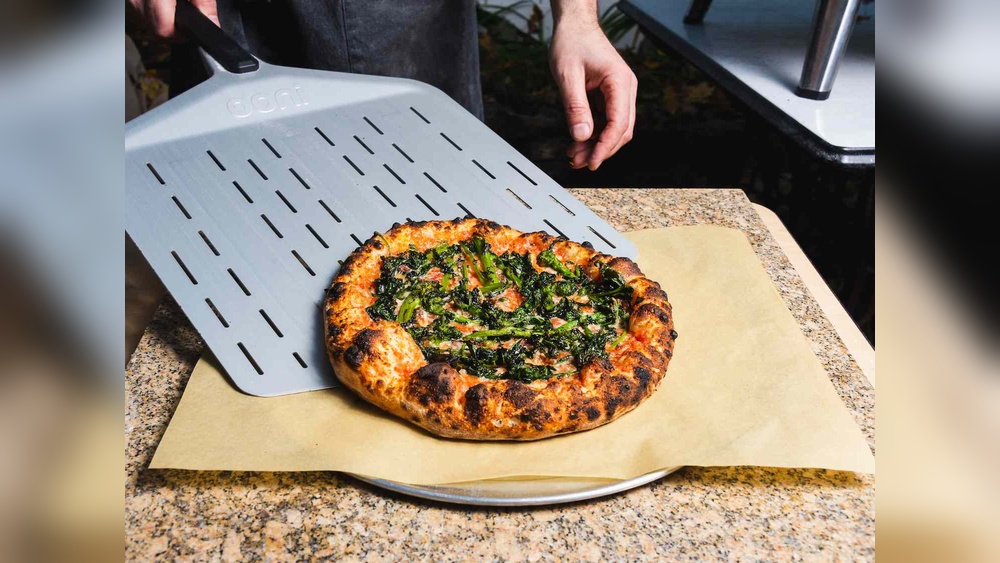
“Pizza Oven Stone Thickness Guide”
If you love making pizza at home, you know that using the right pizza stone can make all the difference. But have you ever wondered how thick your pizza oven stone should be?
The thickness of your pizza stone affects how evenly your pizza cooks, how crispy the crust gets, and how well the stone holds heat. Getting this right can turn your homemade pizza from good to unforgettable. In this guide, you’ll discover the ideal pizza stone thickness to match your baking style and oven type.
Keep reading, and you’ll learn how to choose the perfect stone that helps you bake delicious, restaurant-quality pizzas every time.

Credit: www.amazon.com
Stone Materials
Choosing the right stone material is crucial for your pizza oven’s performance. Each material offers unique benefits and affects heat retention and pizza crust quality. Understanding these materials helps you pick the best stone for your cooking style.
Some stones heat evenly and retain heat well, while others absorb moisture or are easier to handle. Thickness also plays a role in how the stone performs during baking.
Cordierite Benefits
Cordierite is a ceramic material that handles high heat without cracking. It is durable and resists thermal shock better than other stones. This makes it ideal for frequent use in pizza ovens. Cordierite stones provide even heat distribution for consistent baking results.
Pizza Steel Advantages
Pizza steel heats faster than traditional stones and transfers heat quickly. It creates a super-crispy crust by maintaining high surface temperature. Steel is heavier but very durable. It suits cooks who want fast, intense heat for thin crust pizzas.
Biscotto Stone Features
Biscotto stones are very porous and absorb moisture from the dough. This feature helps create a chewy, airy Neapolitan-style crust. They heat evenly but require careful handling to avoid cracks. Biscotto stones excel at managing dough moisture during baking.
Cast Iron And Tiles
Cast iron pans are tough and last a long time. They hold heat well and are affordable options for beginners. Stone tiles are lightweight and easy to handle but may not heat as evenly. Both provide good value for casual pizza makers.
Premium Composite Stones
Premium composite stones combine various materials for near-commercial quality. They offer excellent heat retention and durability. These stones are heavier and need proper care during setup. Ideal for serious pizza enthusiasts seeking professional results.
Thickness Impact
The thickness of a pizza oven stone plays a key role in baking quality. It affects how heat is stored and spread across the stone’s surface. Choosing the right thickness helps you bake evenly cooked pizzas with a crispy crust. Understanding this impact guides you to pick the best stone for your oven.
Heat Retention
Thicker stones hold heat longer than thinner ones. This means the stone stays hot even after placing cold dough on it. A good heat reserve helps cook the pizza base evenly and quickly. Thin stones cool down fast, causing uneven baking and soggy crusts.
Heat Distribution
A thick stone spreads heat more evenly across its surface. This prevents hot spots that can burn parts of your pizza. Thin stones often develop uneven heat zones. Even heat means every slice has the same crispy texture and perfect color.
Weight Considerations
Thicker stones are heavier and harder to move. This can be a challenge for home pizza ovens or grills. Thin stones are lighter and easier to handle but may break easily. Choose thickness based on your oven size and how often you move the stone.
Stone Durability
Thicker stones resist cracks and damage better than thin ones. They endure high temperatures and thermal shocks from cold dough. Thin stones risk breaking under heat stress or quick temperature changes. Durability ensures your stone lasts for many pizza nights.
Choosing Thickness
Choosing the right thickness for your pizza oven stone affects your baking results. The stone’s thickness changes how heat moves and how easy it feels to handle. This guide helps you pick the best thickness for your pizza style and oven setup.
Thin Vs Thick Stones
Thin stones heat up faster but cool down quickly. They are lighter and easier to move. Thin stones suit ovens with steady heat and quick baking times. Thick stones hold heat longer and give a more even bake. They weigh more and take longer to heat. Thick stones work well for ovens with less constant heat.
Ideal Thickness For Styles
Thin stones (about 0.5 to 1 inch) fit thin-crust pizzas like New York style. They crisp the base fast without burning. Thick stones (1 to 2 inches or more) suit Neapolitan or deep-dish pizzas. They keep heat steady and create a soft, well-cooked crust. Pick the thickness based on your pizza’s cooking time and crust type.
Balancing Heat And Handling
Thick stones store more heat but are heavy to lift and clean. Thin stones are easy to handle but need higher oven temperatures. Consider how often you move the stone and your oven’s power. Balance heat retention with ease of use for the best baking experience.
Temperature Tips
Temperature control is crucial for baking perfect pizza on your oven stone. It affects how the crust cooks and the overall texture of your pizza. Understanding the right temperatures helps you get the best results every time.
Different stone thicknesses respond differently to heat. This section covers key temperature tips to help you bake like a pro.
Optimal Baking Temperatures
The ideal baking temperature for pizza stones ranges between 450°F and 550°F. Thinner stones heat up quickly but may cool down fast. Thicker stones hold heat longer for consistent baking.
Maintaining a stable temperature within this range ensures a crispy crust and properly cooked toppings. Avoid lower temperatures that can cause soggy pizza bases.
Preheating Duration
Preheat your pizza stone for at least 30 minutes. Thicker stones need more time, sometimes up to 45 minutes, to reach the right temperature. Rushing this step can lead to uneven cooking.
Proper preheating allows the stone to absorb and retain heat evenly. This step is essential for achieving that perfect golden crust.
Adjusting For Thickness
Thicker stones hold heat better but take longer to heat up. You may need to increase preheating time or adjust oven temperature slightly. Thin stones heat fast but cool quickly when the door opens.
Consider your stone’s thickness when setting baking time and temperature. This adjustment helps avoid undercooked or burnt pizzas.
Maintenance Advice
Proper maintenance keeps your pizza oven stone in top shape. Caring for the stone extends its life and ensures better cooking results. Follow simple steps to clean, protect, and store your stone.
Cleaning Methods
Allow the stone to cool completely before cleaning. Use a brush or scraper to remove food bits. Avoid soap or detergent, which can absorb into the stone. Wipe with a damp cloth to clean stains. Never soak the stone in water to prevent damage.
Avoiding Cracks
Heat the stone gradually to avoid thermal shock. Place it in a cold oven and then heat up slowly. Avoid sudden temperature changes like placing a cold stone on a hot flame. Do not drop or hit the stone, as it may crack. Use a thick stone for better resistance to cracking.
Storage Tips
Store your stone in a dry place to prevent moisture buildup. Keep it away from heavy objects that could cause cracks. If possible, store the stone inside the oven or on a sturdy shelf. Avoid stacking other items on top of the stone. Cover the stone with a cloth to protect it from dust.

Credit: www.amazon.com
Additional Tools
Choosing the right tools can enhance your pizza baking experience. Beyond the stone thickness, additional tools affect heat retention and crust quality. These tools help distribute heat evenly and improve cooking results. Explore some popular options below that complement your pizza oven stone.
Using Baking Steel
Baking steel heats faster and retains heat longer than stones. It creates a crispy crust by transferring heat quickly to the dough. Steel is thinner but much heavier than stone. It resists cracking and lasts for years. Ideal for home ovens and outdoor pizza ovens alike.
Cast Iron Pans
Cast iron pans offer excellent heat retention and durability. They heat evenly and can be used as a pizza stone substitute. Cast iron pans also work well for deep-dish or thicker crust pizzas. Easy to clean and maintain with proper seasoning.
Stone Tiles
Stone tiles are affordable and lightweight options for pizza baking. They heat well but may not retain heat as long as thicker stones. Tiles are easy to handle and replace. Suitable for casual bakers who want a simple upgrade over baking sheets.
Credit: www.fornobravo.com
Frequently Asked Questions
What Is The Best Thickness For A Pizza Stone?
The best pizza stone thickness ranges from 0. 5 to 1 inch. Thicker stones retain heat longer and cook evenly. Choose based on oven type and pizza style.
Is It Better To Have A Thicker Pizza Stone?
A thicker pizza stone retains heat longer and ensures even cooking. It prevents temperature drops when placing dough. However, very thick stones take longer to heat and are heavier to handle. Choose thickness based on your oven and cooking style for best results.
What Stone Is Best For A Pizza Oven?
Cordierite stone suits most ovens with durability and heat tolerance. Pizza steel offers superior heat for crispy crusts. Biscotto stone excels in moisture absorption for Neapolitan style. Cast iron pans provide value and durability. Choose based on cooking style and heat retention needs.
Is 550 Too Hot For Pizza Stone?
550°F is safe for most pizza stones, especially cordierite and ceramic types. Avoid sudden temperature changes to prevent cracking.
Conclusion
Choosing the right pizza oven stone thickness affects cooking results. Thicker stones hold heat longer, creating crispier crusts. Thinner stones heat quickly but cool fast. Consider your oven type and pizza style before deciding. Materials like cordierite, steel, or biscotto stones also impact baking.
Balance heat retention and ease of handling for best performance. Proper thickness ensures even cooking and better pizza texture. Experiment to find what works best for you. A good pizza stone makes homemade pizza tastier and more enjoyable.

As the author of the “Ultimate Pizza Guide: Recipes, Tips & Secrets Revealed,” I’m dedicated to sharing my love for pizza and empowering others to create delicious homemade pizzas with ease. Join me on a journey to uncover the secrets to perfecting your pizza game!


