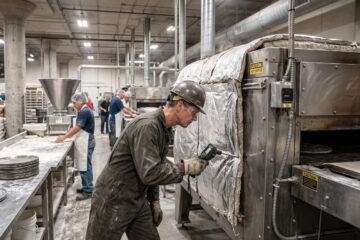
The aroma of perfectly baked pizza, a crisp crust, and bubbling cheese, these are the hallmarks of a great pizza oven. But achieving that ideal bake isn’t solely about high temperatures; it’s also critically dependent on proper airflow. For wood-fired, gas, or even electric pizza ovens, managing how air moves in and out is paramount. This intricate dance of combustion and exhaust dictates not only the cooking temperature and consistency but also the safety and efficiency of the oven. Imbalanced airflow can lead to a host of problems, from uneven cooking and smoky interiors to inefficient fuel consumption and potential safety hazards.
Understanding and mastering pizza oven airflow balancing is a skill that separates the amateur cook from the seasoned pizzaiolo. It involves a keen awareness of how the oven breathes, how fresh air fuels the fire and how smoke and heat are expelled.
This balance is dynamic, changing with fuel type, ambient conditions, and cooking stage. Whether you’re using a portable outdoor oven or a permanent brick structure, achieving optimal airflow ensures your pizza reaches its full potential, delivering that coveted Neapolitan char and perfectly cooked interior every time.
Key Takeaways
- Consistent Heat Distribution: Balanced airflow is crucial for maintaining even temperatures throughout the pizza oven dome and cooking surface, preventing hot spots and ensuring uniform pizza cooking.
- Efficient Combustion: Proper air intake fuels the fire effectively, leading to hotter flames, faster cooking times, and better fuel utilization, whether wood or gas.
- Smoke Management: Effective exhaust removes smoke and combustion byproducts, keeping the oven interior clear for visibility and preventing a sooty taste on the pizza.
- Oven Longevity: Controlled airflow prevents excessive heat buildup and thermal shock, which can damage oven materials over time.
- Safety First: Adequate ventilation is essential for safely expelling carbon monoxide and other harmful gases, protecting users from potential health risks.
- Troubleshooting Common Issues: Understanding airflow helps diagnose and fix problems like sluggish fires, sooty ovens, and unevenly cooked pizzas.
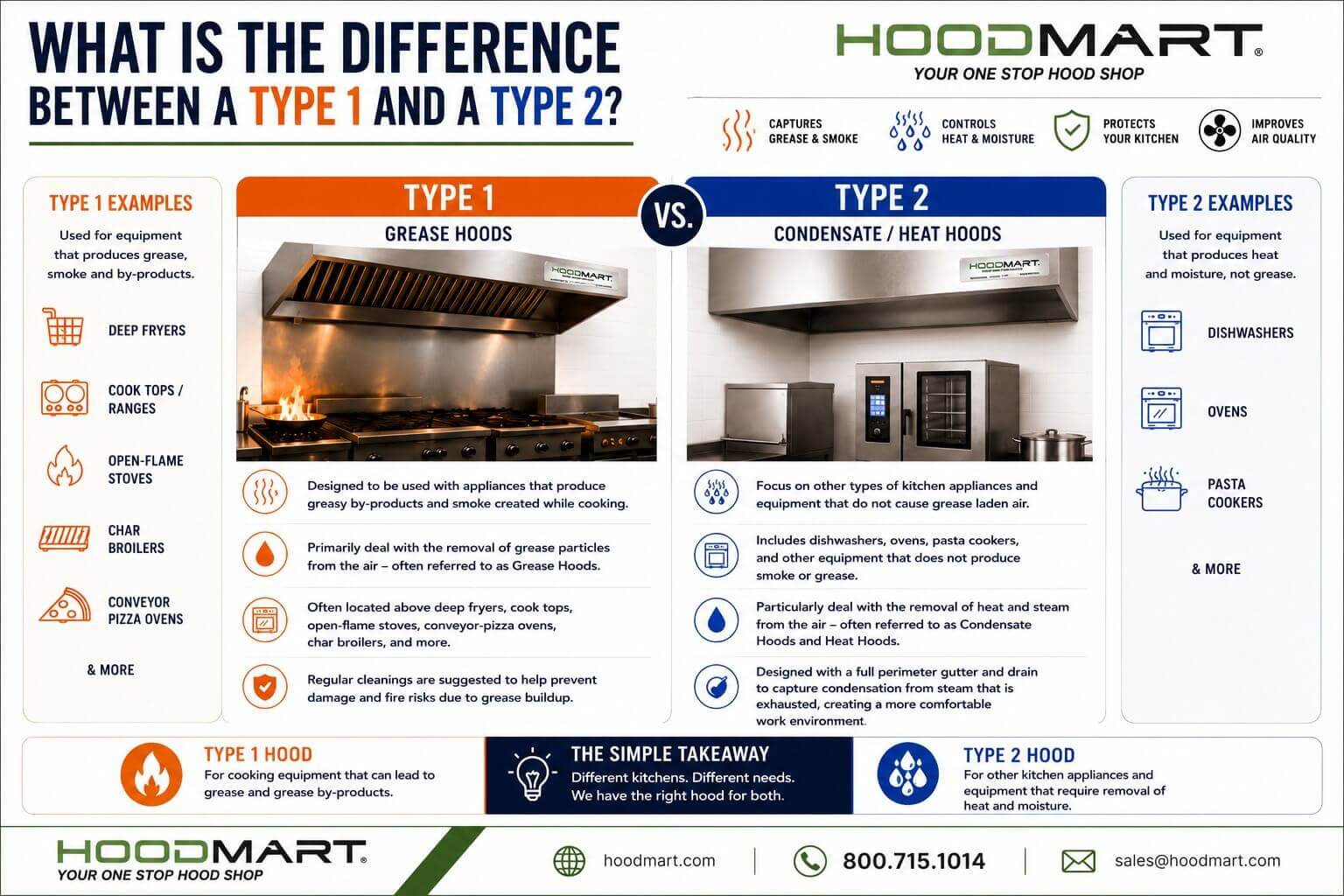
Credit: www.hoodmart.com
The Science Behind Pizza Oven Airflow
At its core, pizza oven airflow is governed by the principles of thermodynamics and fluid dynamics. Heat generated by the combustion of fuel (wood, gas, or electric elements) causes the air inside the oven to become less dense and rise. This creates a natural draft, pulling cooler, oxygen-rich air in from an intake vent and pushing hotter, spent gases out through an exhaust chimney. This continuous cycle is what sustains the fire and heats the oven.
The shape and design of the oven play a significant role. A dome-shaped oven, typical for wood-fired models, encourages this circular motion of air. Heat radiates downwards from the dome, cooking the top of the pizza, while the hot air circulates around the food and then rises to exit through the chimney, located typically at the front of the dome.
In contrast, gas ovens often use strategically placed burners and vents to direct heat and manage exhaust.
The Role Of Oxygen
Oxygen is the lifeblood of any combustion process. Without a sufficient supply, the fire will smolder, produce less heat, and generate more smoke and harmful byproducts like carbon monoxide. The primary air intake, often a vent or opening at the base of the oven or near the burner, is responsible for drawing in the fresh air needed to sustain the flame. The size and adjustability of this intake are critical for controlling the fire’s intensity. Too little air results in a weak, smoky fire; too much can cause the fire to burn too quickly and uncontrollably, potentially overheating the oven or wasting fuel.
The Importance Of Exhaust
The exhaust system, typically a chimney or flue, is responsible for safely removing hot gases, smoke, and excess heat from the oven. A well-designed chimney creates a strong draft, pulling air through the oven. Its height, diameter, and placement are all crucial factors. A chimney that is too short or too narrow may not create sufficient draft, leading to smoke backing up into the oven. Conversely, a chimney that is excessively large or tall can create too much draft, drawing heat away too quickly and making it difficult to maintain the desired cooking temperature. The exhaust also plays a role in directing smoke away from the user and the immediate cooking area.
Convection And Radiation Heat Transfer
While airflow is primarily about gas movement, it directly influences the two main modes of heat transfer within the oven: convection and radiation. Convection occurs as hot air circulates around the food, transferring heat. Balanced airflow ensures this circulation is consistent, leading to even cooking. Radiation occurs when heat is emitted directly from the hot surfaces of the oven (dome, floor, walls) and the flames onto the pizza. The intensity of this radiated heat is directly related to how hot the oven surfaces become, which in turn is dictated by the efficiency of combustion, itself dependent on airflow.
Factors Influencing Airflow Balancing
Achieving the perfect equilibrium in your pizza oven’s airflow isn’t a one-time setup; it’s a dynamic process influenced by several variables. Understanding these factors allows for precise adjustments to optimize performance.
Oven Design And Construction
The fundamental design of a pizza oven is the primary determinant of its airflow characteristics.
- Dome Shape: Traditional Neapolitan-style dome ovens rely on a hemispherical or parabolic shape to promote efficient heat circulation and upward movement of hot air towards the chimney. The ratio of the dome height to the opening width is crucial.
- Chimney Placement and Size: A chimney positioned at the front of the dome, as is common in many wood-fired ovens, creates a specific airflow path where heat travels over the pizza before exiting. Its diameter and height must be proportioned to the oven’s volume to ensure adequate draft without excessive heat loss.
- Mouth Opening: The size of the oven’s mouth (opening) significantly impacts airflow. A larger opening can allow more ambient air in but also more heat to escape, potentially reducing oven efficiency and making it harder to reach high temperatures. It also affects the draft created by the chimney.
- Materials: The thermal mass and conductivity of the oven’s materials (firebricks, refractory cement, insulation) affect how heat is retained and distributed, indirectly influencing airflow needs. For instance, a highly insulated oven might require less aggressive airflow to maintain temperature than a less insulated one.
Fuel Type And Combustion Rate
The type of fuel used and how it burns directly impacts the volume and temperature of gases being produced, thus affecting airflow requirements.
- Wood: Wood combustion is highly variable. The type of wood, its moisture content, how it’s stacked, and the stage of the burn (initial fire, embers, roaring flames) all influence the amount of heat and smoke produced. A roaring wood fire requires significant oxygen intake and a robust exhaust. As embers remain, the airflow needs may decrease.
- Gas: Gas burners offer more consistent heat output. However, the design of the burner and the gas pressure can affect the flame characteristics and the amount of air needed for complete combustion. Gas ovens often have precisely engineered air shutters and exhaust vents to manage this.
- Pellets: Wood pellet burners provide a more controlled and automated burning process compared to traditional wood. They typically have integrated fans for air intake and exhaust, simplifying airflow management but still requiring proper setup.
Ambient Conditions
The environment surrounding the oven can significantly impact its internal airflow dynamics.
- Wind: Strong winds can buffet the oven’s opening and chimney, disrupting the natural draft. Wind blowing directly into the oven mouth can force smoke out prematurely or starve the fire of oxygen. Wind blowing over the chimney can enhance the draft.
- Temperature and Humidity: Colder, drier air is denser and contains more oxygen than warmer, humid air. This means you might need to adjust vents differently in varying weather conditions to achieve the same combustion rate. A very cold day might require a slightly more open air intake to compensate for denser incoming air.
- Altitude: Higher altitudes have thinner air, meaning less oxygen is available for combustion. This can lead to less efficient burning and potentially require adjustments to air intake to ensure sufficient oxygen.
User Adjustments And Controls
Most modern pizza ovens incorporate user-adjustable controls to manage airflow.
- Air Intake Vents/Dampers: These are typically located near the firebox or burner and can be opened or closed to regulate the amount of fresh air entering the oven. They are the primary tool for controlling the fire’s intensity.
- Chimney Dampers: Some ovens have adjustable dampers in the chimney to control the rate at which exhaust gases escape. This can be used to retain heat during cooking but must be used cautiously to avoid smoke buildup.
- Door Management: For ovens with a removable door, the degree to which it is inserted or removed can significantly affect airflow, acting as a secondary control for both intake and exhaust.

Credit: www.fornobravo.com
Common Airflow Problems And Solutions
When your pizza oven isn’t performing as expected, airflow is often the culprit. Recognizing these common issues and knowing how to address them is key to consistent results.
Problem 1: Excessive Smoke Inside The Oven
This is perhaps the most common and frustrating airflow problem. A smoky oven not only obscures your view of the pizza but can also impart an undesirable acrid flavor.
- Causes:
- Insufficient Draft: The chimney is too small, too short, blocked, or there’s not enough heat to create a strong updraft.
- Poor Air Intake: Not enough fresh air is entering to support complete combustion, leading to incomplete burning and excess smoke.
- Cold Oven/Start-up: During the initial firing, the oven and chimney are cold, hindering the creation of a strong draft. Smoke tends to spill out the front.
- Fuel Issues: Using unseasoned (wet) wood produces more smoke.
- Oven Mouth Too Large: A very large opening can allow smoke to spill out before it’s drawn up the chimney.
- Solutions:
- Pre-heat the Chimney: Before adding significant fuel, build a small, hot fire directly in the chimney base or use a blowtorch to heat the chimney flue. This warms the air, creating an initial updraft that helps pull smoke up and away.
- Adjust Air Intake: Gradually open the primary air intake vent to provide more oxygen. Do this slowly to avoid making the fire too aggressive.
- Check for Blockages: Ensure the chimney is clear of debris, creosote buildup, or animal nests.
- Use Seasoned Fuel: For wood-fired ovens, always use dry, seasoned hardwood (less than 20% moisture content).
- Manage Oven Mouth: Partially closing the oven door or using a smaller door insert can help direct smoke towards the chimney, especially during the initial firing stages. Once the oven is hot, you might be able to remove it.
- Increase Fire Intensity: Sometimes, a more vigorous fire with adequate airflow will burn cleaner.
Problem 2: Sluggish Or Weak Fire
A fire that struggles to get going or maintain high heat suggests insufficient oxygen or a weak draft.
- Causes:
- Blocked Air Intake: The primary air vent is closed too much or is obstructed.
- Weak Chimney Draft: The chimney isn’t creating enough pull.
- Insufficient Fuel: Not enough wood or gas is being supplied.
- Damp Fuel: Wet wood won’t burn hot.
- Solutions:
- Open Air Intake: Fully or partially open the primary air intake vent.
- Enhance Draft: Ensure the chimney is clear and hot. Consider a chimney extension if it’s too short for your conditions.
- Add More Fuel: Increase the amount of wood or adjust the gas burner settings.
- Use Dry Fuel: Replace damp wood with properly seasoned fuel.
Problem 3: Uneven Cooking Temperatures
If one side of your pizza cooks faster than the other, or the top cooks before the bottom (or vice-versa), airflow might be the issue.
- Causes:
- Hot Spots/Cold Spots: Uneven heat distribution within the oven due to poor air circulation.
- Draft Imbalance: Too much heat being drawn out through the chimney, leading to a cooler cooking floor.
- Flame Impingement (Gas Ovens): Burner flame directly hitting one side of the pizza.
- Solutions:
- Rotate the Pizza: This is the most common fix. Regularly rotate your pizza during cooking to expose all sides to the hottest parts of the oven.
- Adjust Airflow: Slightly reduce the primary air intake or adjust the chimney damper (if available) to slow down the exhaust and retain more heat. This can help even out temperatures.
- Manage Fuel Load (Wood Ovens): Ensure a consistent bed of embers and a moderate flame rather than intense, localized flames.
- Check Burner Settings (Gas Ovens): Ensure gas burners are functioning correctly and not creating uneven heat patterns. Some ovens have adjustable baffles to help diffuse heat.
- Allow Oven to Fully Stabilize: Ensure the entire oven, including the floor and dome, has reached a stable, high temperature before putting pizzas in.
Problem 4: Overheating And Loss Of Control
Conversely, an oven that becomes too hot or difficult to control can also be an airflow problem.
- Causes:
- Excessive Air Intake: The primary air vent is too open, feeding the fire too much oxygen.
- Over-Stoked Fire (Wood Ovens): Too much wood added at once.
- Chimney Draft Too Low: Not enough heat escaping, causing a runaway temperature increase.
- Solutions:
- Reduce Air Intake: Gradually close the primary air vent.
- Manage Fuel Load: Add smaller amounts of wood less frequently. Reduce gas burner settings.
- Open Chimney: If you have a chimney damper, open it slightly to allow more heat to escape. If not, you may need to briefly remove the oven door to vent excess heat.

Credit: www.fornobravo.com
Optimizing Airflow For Different Oven Types
While the fundamental principles remain the same, specific strategies for balancing airflow can vary depending on the type of pizza oven you’re using.
Wood-fired Pizza Ovens
These ovens are the most dynamic in terms of airflow management, relying heavily on natural draft and user intervention.
- The Importance of the Chimney: In most dome-style wood-fired ovens, the chimney is located at the front. This design requires the fire to be built towards the back or center. As the wood burns, the hot gases rise, travel over the dome, heat the cooking surface, and then are drawn towards the front opening and up the chimney.
- Initial Firing: This is critical. You need to establish a strong draft before the oven reaches peak temperature. Start with a small fire and gradually increase it. Use a blowtorch or a small amount of kindling at the chimney opening if needed to get the air moving upwards. Once a good updraft is established, build the main fire.
- Maintaining the Burn: A consistent bed of glowing embers is key, supplemented by a moderate flame. Too much wood added at once can smother the fire and create smoke. Too little can lead to insufficient heat.
- Air Intake Control: Most wood-fired ovens have a simple adjustable vent or a removable door. The door’s insertion level is a primary airflow control. A fully inserted door restricts air, while a partially removed door allows more air in and heat out.
- Example: A pizzaiolo might start a wood-fired oven with a small fire, using a hairdryer or torch to initially draw air up the chimney. Once the chimney is hot and drafting well, they add larger pieces of seasoned oak. As the oven heats, they might partially close the air vent or insert the door further to maintain a steady, hot flame without excessive smoke.
Gas Pizza Ovens
Gas ovens offer more precise control, often with built-in regulators and vents.
- Burner Design: The type and placement of gas burners are crucial. Some ovens have burners underneath the cooking deck, others heat the dome, and some use a combination. The flame pattern needs to be consistent and even.
- Air Shutter Adjustments: Most gas ovens have adjustable air shutters on the burner assembly. These control the mix of air and gas.
- Blue Flame: An ideal, efficient flame is typically blue with a bright white or yellow tip. This indicates good combustion.
- Yellow/Orange Flame: A predominantly yellow or orange flame suggests incomplete combustion, often due to insufficient air. This leads to soot buildup and less heat. You’ll need to open the air shutter.
- Detached Flame: If the flame lifts completely off the burner nozzle, there might be too much air, or gas pressure issues.
- Exhaust Vents: Gas ovens typically have dedicated exhaust vents, often integrated into the oven body or near the burner housing. Their size and placement are designed to complement the burner’s output.
- Example: A user of a popular countertop gas pizza oven notices their pizzas have black soot on the crust. Upon inspection, they see the flames are mostly yellow. They locate the air shutters on the burner and slightly open them. This allows more oxygen to mix with the gas, resulting in a hotter, bluer flame and significantly reducing soot.
Electric Pizza Ovens
While electric ovens don’t involve combustion, airflow still plays a role in heat distribution and maintaining temperature.
- Heating Elements: Electric ovens use resistive heating elements, often positioned above and/or below the cooking surface.
- Convection Fans: Many modern electric pizza ovens incorporate convection fans. These fans actively circulate the hot air within the oven cavity.
- Benefits: Fans ensure more even heat distribution, reducing hot and cold spots and leading to more consistent cooking. They can also help achieve crispier crusts by promoting airflow over the pizza surface.
- Control: Some ovens allow you to turn the fan on or off, or adjust its speed. For a traditional Neapolitan-style bake where radiant heat is dominant, you might prefer to cook with the fan off to allow the dome to superheat. For a crispier, more evenly cooked pizza, using the fan can be beneficial.
- Ventilation: Even electric ovens have some form of ventilation to prevent pressure buildup and allow moisture to escape. The design usually ensures this doesn’t significantly impact internal temperatures.
- Example: An owner of a home electric pizza oven finds the bottom of their pizzas cooks much faster than the top. They experiment with turning on the oven’s convection fan. This circulates the hot air more effectively, transferring heat to the top of the pizza and balancing the cooking process, resulting in a perfectly cooked pizza.
Tools And Techniques For Measuring And Adjusting Airflow
While experienced pizzaiolos often rely on intuition and visual cues, there are tools and techniques that can provide more objective measurements and help fine-tune airflow.
Visual Inspection And Experience
This is the most fundamental technique. Observing the flame color, the amount of smoke, and how quickly the oven heats up and cools down provides valuable information.
- Flame Color: As mentioned, blue flames generally indicate efficient combustion (gas ovens), while a clean, hot flame from wood (often with less visible smoke) signifies good oxygen supply. Excessive, thick black smoke is a clear indicator of a problem.
- Heat Distribution: Using an infrared thermometer to check the temperature of the cooking deck and dome in different areas can reveal hot or cold spots related to airflow patterns.
- Smoke Behavior: Where does the smoke go? Does it billow out the front, or does it efficiently travel up the chimney?
Infrared Thermometers
An infrared thermometer is invaluable for checking surface temperatures.
- Usage: Point it at the pizza stone, the oven dome, and even the fuel source (if visible) to get real-time temperature readings. This helps you understand if the heat is evenly distributed and if your adjustments are having the desired effect on oven temperature.
- Insights: If one side of the stone is significantly hotter than the other, it might indicate uneven heat transfer due to airflow. For example, if the side closest to the chimney is cooler, it might suggest too much air is being pulled out too quickly.
Anemometers (less Common For Home Ovens)
An anemometer measures wind speed. While typically used outdoors, specialized, small-probe anemometers can, in principle, measure airflow velocity within the oven’s chimney or intake.
- Challenges: Using an anemometer inside a very hot pizza oven presents safety challenges and requires specialized equipment. It’s more common in commercial settings or for professional oven designers.
- Application: Measuring the velocity of air exiting the chimney can give an indication of draft strength. Comparing this speed before and after adjustments can quantify the impact of changes.
Smoke Pellets Or Sticks
These are small devices that produce a controlled stream of visible smoke when lit.
- Usage: Introduce a smoke pellet near the air intake or in various parts of the oven cavity. Observe the smoke’s movement.
- Intake Adjustment: If the smoke is immediately drawn into the oven and up the chimney, your intake and draft are likely well-balanced. If it spills outwards, you may need more intake air or a stronger draft.
- Circulation Patterns: In wood-fired ovens, observing smoke movement within the dome can reveal circulation patterns and identify areas where heat might be stagnating or escaping too rapidly.
- Pro Tip: Use smoke pellets cautiously and ensure good ventilation after use, as they can create their own smoke. They are best used during the oven’s cool-down phase or initial, low-temperature firing for diagnostic purposes.
The Process Of Adjustment
Balancing airflow is an iterative process:
- Assess: Observe the flame color, smoke behavior, and heat distribution. Use an infrared thermometer to check deck and dome temperatures. Note any hot spots, cold spots, or excessive smoke.
- Adjust: Make one change at a time—open or close the intake vent slightly, adjust the chimney damper, or reposition the fire. Avoid making multiple adjustments simultaneously, as this makes it difficult to identify what worked.
- Observe: Wait a few minutes for the oven to respond. Check flame color, smoke patterns, and temperature readings again.
- Repeat: Continue assessing and adjusting in small increments until the desired balance is achieved—clean flame, minimal smoke, even temperatures, and efficient fuel consumption.
- Document: Record the vent settings, damper position, and fuel load that produced optimal results. This becomes your baseline for future firings.
Troubleshooting Quick-Reference Table
| Problem | Likely Cause | Solution |
|---|---|---|
| Excessive smoke inside oven | Poor draft, wet fuel, blocked chimney | Preheat chimney, use dry wood, clean flue |
| Weak or sluggish fire | Insufficient air, blocked intake, damp fuel | Open intake vent, clear blockage, use seasoned wood |
| Uneven cooking | Hot/cold spots, poor circulation, flame impingement | Rotate pizza, adjust vents, reposition fire |
| Overheating / loss of control | Too much air, over-stoked fire, damper open | Reduce intake, manage fuel load, adjust damper |
| Yellow/orange gas flame | Insufficient air for combustion | Open air shutter, check gas pressure |
| Flame lifting off burner | Too much air or high gas pressure | Adjust air shutter, check regulator |
Frequently Asked Questions
How do I know if my pizza oven has balanced airflow?
Signs of balanced airflow: a clean, bright flame with minimal smoke, steady heat-up times, even cooking across the deck, and efficient fuel consumption. Smoke should travel up the chimney, not spill from the oven mouth.
Why does smoke spill out of my oven’s front?
Smoke spillage usually means insufficient draft. Causes include a cold chimney, a blocked flue, a chimney that’s too short, or a large oven opening. Preheat the chimney, check for blockages, and consider partially closing the door during start-up.
How often should I adjust my oven’s airflow?
Airflow adjustments are dynamic—needed at start-up, during cooking, and when conditions change (wind, fuel type, temperature). Check and adjust as needed during each firing session.
Can I use a chimney damper to control temperature?
Yes. Partially closing the damper reduces draft and retains heat; opening it increases airflow and heat loss. Use it carefully to avoid smoke buildup.
What’s the ideal flame color for a gas oven?
A blue flame with a slight yellow tip indicates efficient combustion. A predominantly yellow or orange flame means incomplete combustion—open the air shutter to allow more oxygen.
How does wind affect my oven’s airflow?
Wind can disrupt draft. Wind blowing into the oven mouth can push smoke back or starve the fire; wind across the chimney top can enhance or disrupt draft. Use a windbreak or adjust vents during windy conditions.
How do I measure airflow in my oven?
For home use, visual cues (flame color, smoke behavior) and an infrared thermometer are sufficient. Smoke pellets can help visualize circulation. Anemometers are used in commercial or design settings.
What’s the most common airflow mistake?
Rushing the start-up. A cold chimney doesn’t draft well—preheat it gradually with a small fire before building the main fire.
Conclusion
Pizza oven airflow balancing is the invisible skill behind every great bake. From the science of draft and combustion to the practical adjustment of vents and dampers, mastering airflow ensures even cooking, efficient fuel use, and safe operation. Each oven type—wood-fired, gas, or electric—has unique airflow dynamics requiring tailored strategies. Diagnose problems systematically: smoke spillage, weak fires, and uneven cooking all have identifiable causes and solutions. Adjust one variable at a time, observe the results, and document what works. Master the air, and you master the oven—delivering perfectly baked pizza, every time.

As the author of the “Ultimate Pizza Guide: Recipes, Tips & Secrets Revealed,” I’m dedicated to sharing my love for pizza and empowering others to create delicious homemade pizzas with ease. Join me on a journey to uncover the secrets to perfecting your pizza game!