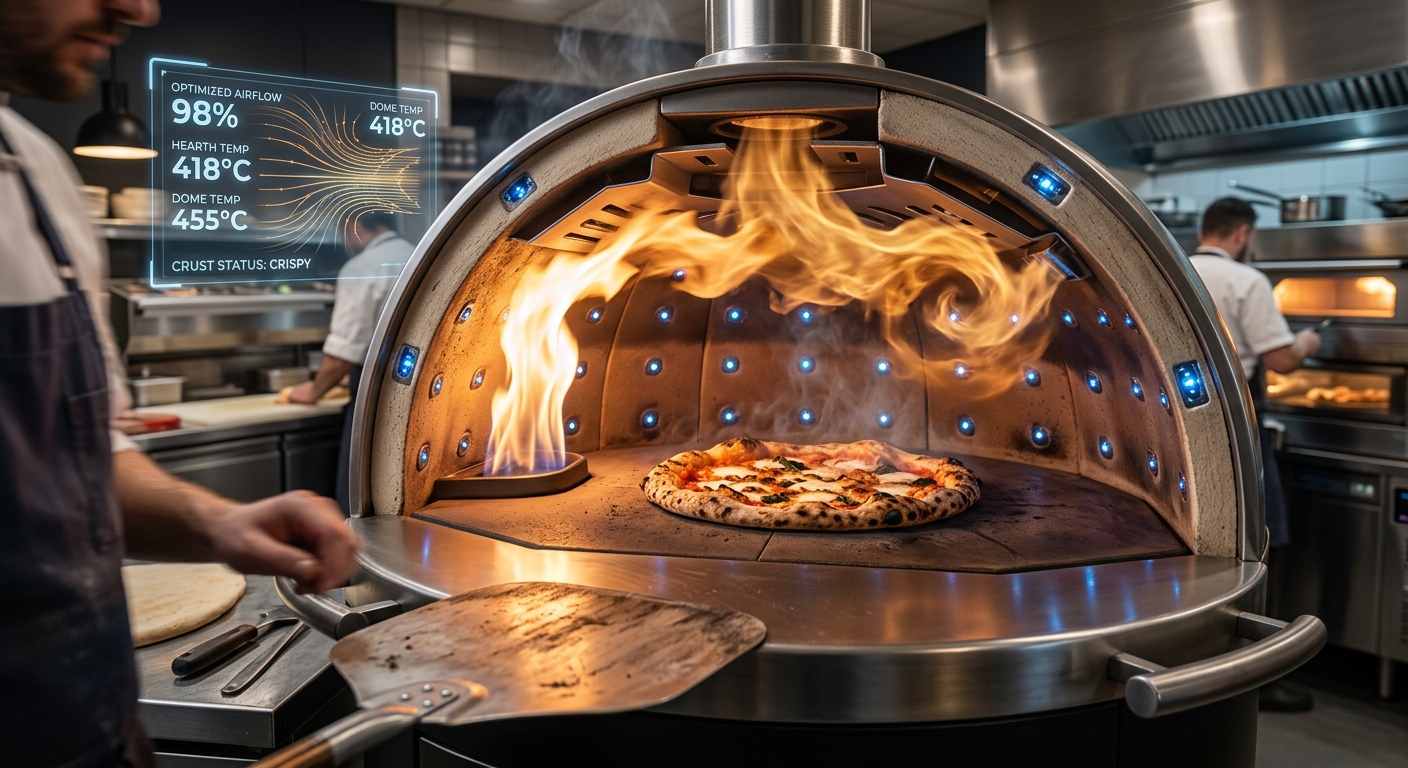
Mastering pizza oven airflow is the secret ingredient that separates a good pizza from a truly exceptional one. Whether you’re a home enthusiast with a backyard wood-fired oven or a professional chef aiming for Neapolitan perfection, understanding and controlling airflow is paramount.
It dictates everything from how quickly your oven reaches temperature to the quality of the crust and the evenness of the cook. Without optimized airflow, you risk an oven that’s either too smoky and slow to heat, or one that burns your pizza before the cheese can melt.
This comprehensive guide will equip you with the knowledge to fine-tune your pizza oven’s airflow, ensuring consistent, delicious results every time. We’ll explore the fundamental principles of combustion, the role of different oven components, and practical techniques for diagnosing and resolving airflow issues.
By the end, you’ll have a deep understanding of how to achieve the perfect balance of heat and oxygen for your culinary creations.
Key Takeaways
- Airflow is Crucial: Proper airflow fuels the fire, manages heat, and removes smoke, directly impacting cooking speed and pizza quality.
- Components Matter: The chimney, mouth opening, and dome shape are key elements that influence how air moves through your oven.
- Combustion Basics: A three-stage process (primary, secondary, and tertiary air) is essential for efficient burning of fuel.
- Diagnosing Issues: Signs like excessive smoke, slow heating, or uneven cooking point to airflow problems.
- Optimization Techniques: Adjusting chimney damper, managing fuel, and considering oven design can significantly improve airflow.
- Consistency is Key: Fine-tuning airflow leads to predictable, repeatable cooking results and superior pizza.

Credit: bestofbackyard.com
The Science Behind Pizza Oven Airflow
At its core, a pizza oven is a sophisticated combustion chamber designed to reach and maintain extremely high temperatures. The process of combustion is a chemical reaction that requires three key elements: fuel, oxygen, and heat. In a pizza oven, the fuel is typically wood, the heat is generated by the burning wood, and the oxygen is supplied by the air drawn into the oven. Airflow is the mechanism that delivers this vital oxygen and manages the entire combustion process.
Understanding Combustion Stages
Efficient combustion in a pizza oven occurs in three main stages, each requiring specific air delivery:
- Primary Air: This is the initial air that enters the oven, usually from below or around the fuel source. It provides the oxygen needed for the initial breakdown of the wood, allowing it to gasify and begin burning. Insufficient primary air leads to smoldering, incomplete combustion, and excessive smoke.
- Secondary Air: As the wood gasifies, it produces volatile gases. Secondary air is introduced above or around the fuel to mix with these gases and ensure they burn completely. This stage is critical for achieving high temperatures and minimizing unburned particles, contributing to a cleaner burn and hotter flames.
- Tertiary Air: In some advanced oven designs, tertiary air can be introduced to further combust any remaining unburned gases and fine-tune the flame. This is less common in traditional wood-fired ovens but is a principle used in high-efficiency modern designs to ensure complete combustion and maximize heat output.
The interplay of these air stages is directly controlled by the oven’s design and how you manage its openings and fuel.
The Role Of Oxygen
Oxygen is the lifeblood of a fire. Without an adequate and consistent supply, the fire will struggle, produce more smoke, and fail to reach optimal temperatures. In a pizza oven, airflow is responsible for:
- Feeding the Fire: Continuously supplying fresh oxygen to the burning fuel.
- Removing Smoke and Gases: Carrying away combustion byproducts (smoke, carbon dioxide, water vapor) to prevent them from smothering the flame and making the oven environment unpleasant and inefficient.
- Regulating Temperature: While the fuel and oven mass are primary temperature controllers, airflow significantly influences how quickly the oven heats up, how hot it gets, and how long it retains heat. Too much airflow can draw heat away too quickly, while too little can lead to inefficient burning and lower temperatures.
Heat Transfer And Airflow
Airflow doesn’t just feed the fire; it also plays a crucial role in how heat is distributed within the oven. Hot air rises, and in a well-designed pizza oven, this rising hot air circulates around the dome, radiating heat downwards onto the cooking surface and the pizza.
The movement of air within the dome is a delicate balance. Too much draft can pull hot air out of the oven too quickly through the chimney, while stagnant air can lead to uneven heating and a less efficient cooking environment.

Credit: www.amazon.ae
Key Pizza Oven Components Affecting Airflow
Several integral parts of a pizza oven are specifically designed to manage airflow. Understanding their function is the first step towards optimization.
The Chimney And Damper System
The chimney is arguably the most critical component for controlling airflow. Its primary functions are to:
- Exhaust Smoke and Gases: It provides a pathway for combustion byproducts to escape the oven.
- Create Draft: The rising hot air within the chimney creates a vacuum effect, drawing fresh air into the oven through the mouth and other openings. This is known as draft. The taller and wider the chimney (within design limits), the stronger the draft.
Many wood-fired ovens feature a damper, a movable plate within the chimney that can be partially or fully closed.
- Open Damper: Allows maximum airflow, ideal for starting the fire, bringing the oven up to temperature quickly, and when the oven is actively burning a large amount of wood.
- Partially Closed Damper: Reduces the draft, helping to retain heat once the oven is hot and you’re ready to cook. This is crucial for maintaining stable cooking temperatures for extended periods without burning excessive fuel.
- Fully Closed Damper: Should be used cautiously, primarily after the fire has died down to embers and you want to conserve residual heat for baking or slow cooking. Closing it too early with an active fire can lead to smoke backing up into the oven.
Pro Tip: The ideal damper position is often a “sweet spot” that balances heat retention with efficient combustion. This often requires experimentation based on your specific oven and fuel.
The Mouth Opening
The size and shape of the oven’s mouth opening play a significant role in controlling how much air enters the oven and how heat is retained.
- Air Intake: A larger opening allows more air to be drawn in, which can be beneficial for rapid heating but can also lead to heat loss.
- Heat Retention: A smaller opening helps to keep heat contained within the oven dome, which is essential for maintaining cooking temperatures.
- Draft Influence: The mouth opening works in conjunction with the chimney to create the necessary draft. A well-proportioned mouth allows for a steady intake of air without creating excessive turbulence or heat escape.
The ideal mouth opening is often a balance between allowing sufficient air for combustion and retaining the intense heat needed for baking pizza. For many traditional Neapolitan-style ovens, the mouth is designed to be roughly 60-65% of the height of the dome opening.
The Dome Shape And Its Impact
The curvature of the oven dome is not just for aesthetics; it’s a critical aerodynamic feature.
- Heat Reflection: The dome reflects heat downwards onto the cooking floor and the pizza.
- Air Circulation: The curved shape encourages the hot air produced by the fire to circulate within the dome. This circulation helps to distribute heat evenly and efficiently, ensuring that both the top of the pizza and the crust cook simultaneously.
- Draft Assistance: The dome’s shape can also help direct smoke and hot gases towards the chimney, contributing to a smoother airflow.
The Hearth (cooking Floor)
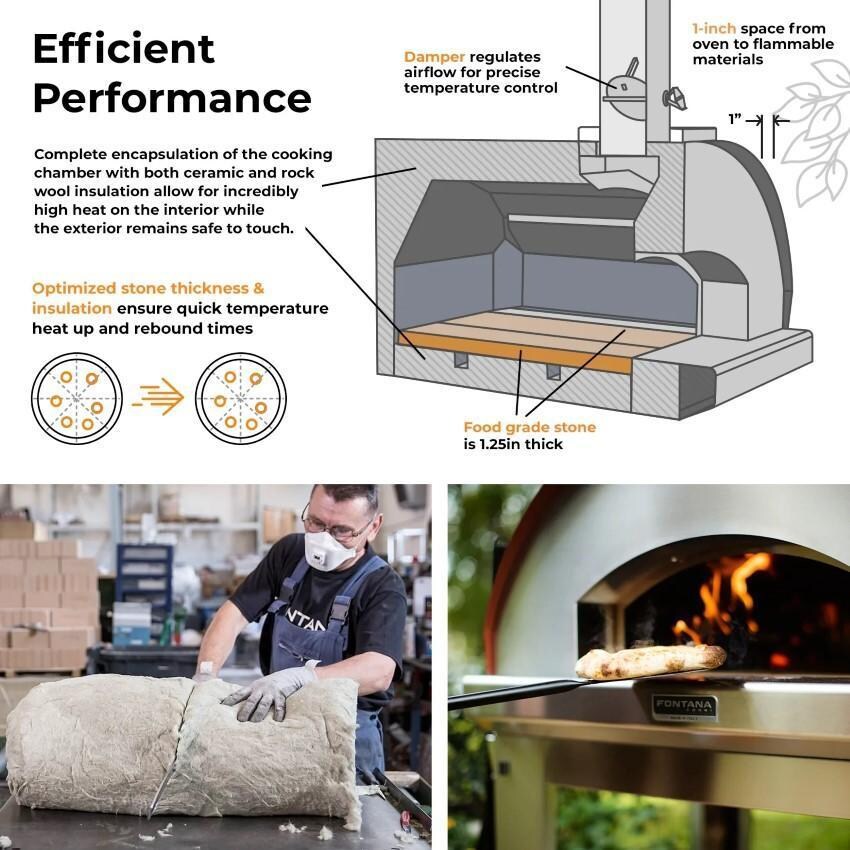
While not directly controlling airflow in the same way as the chimney or mouth, the hearth’s material and thickness influence how heat is stored and transferred. A dense, heat-retaining hearth (like refractory brick or cordierite) absorbs and radiates heat back up, contributing to a crisp crust.
The airflow across the hearth’s surface is what carries the heat from the fire to the pizza base.
 "Pizza Oven Airflow Optimization: Essential Tips for Better Heat and Crispy Crusts 4")
Credit: www.bbqguys.com
Diagnosing Airflow Problems In Your Pizza Oven
Recognizing the signs of poor airflow is the first step to correcting them. These issues often manifest in predictable ways, affecting your oven’s performance and the quality of your pizzas.
Excessive Smoke
One of the most common indicators of airflow problems is excessive smoke. This usually stems from incomplete combustion, meaning the fuel isn’t getting enough oxygen to burn efficiently.
- Smoldering Fire: If your fire is producing thick, black, acrid smoke, it’s a sign that primary and secondary air supplies are insufficient. The wood is essentially steaming and smoldering rather than burning cleanly.
- Smoke Backing Up: If smoke persistently blows out of the oven mouth instead of going up the chimney, it indicates a lack of strong draft. This could be due to a blocked chimney, a closed damper, or insufficient air intake.
Slow Oven Heating
An oven that takes an unusually long time to reach its target temperature, even with ample fuel, often suffers from poor airflow.
- Insufficient Oxygen: Without enough oxygen, the fire burns inefficiently, producing less heat.
- Heat Loss: If the airflow is too strong and unregulated, it can pull too much heat out of the oven through the chimney and mouth opening before the oven mass can absorb it.
Uneven Cooking And Hot Spots
While some degree of unevenness is inherent in wood-fired cooking, persistent hot spots or areas that cook much slower than others can be a sign of poor air circulation within the dome.
- Stagnant Air: If hot air isn’t circulating properly, certain areas of the oven may remain cooler than others.
- Direct Flame Impingement: In some cases, poor airflow can cause the flame to lick directly at one side of the oven, creating an intense hot spot while other areas remain cooler.
Burning Pizza Crusts Before Toppings Cook
This classic pizza-making dilemma can be directly linked to airflow.
- Overly Intense Fire: If the fire is too strong due to excessive, uncontrolled airflow, it can superheat the cooking surface, burning the bottom crust rapidly.
- Insufficient Dome Heat: Conversely, if airflow is poor, the dome might not be hot enough to cook the toppings and cheese effectively by the time the crust is done. This often happens when the fire has died down too much, and the damper is closed too soon.
Optimizing Airflow: Practical Techniques And Strategies
Once you’ve identified potential airflow issues, you can implement several strategies to improve your oven’s performance. These techniques range from simple adjustments to more involved considerations of your oven’s design.
Managing Fuel And Fire Building
The way you build and maintain your fire has a direct impact on airflow.
- Start with Dry, Seasoned Hardwood: Wet or green wood produces more smoke and less heat, exacerbating airflow problems. Hardwoods like oak, maple, or fruitwoods burn hotter and cleaner.
- Build a Proper Fire: Start with kindling and small pieces of wood, gradually adding larger logs. Arrange the wood to allow air to circulate freely around it, especially at the base.
- Position the Fire: In most dome ovens, the fire is built to one side or towards the back of the oven, allowing the hot air to circulate around the dome. Avoid blocking the entire oven floor with fuel.
- Feed the Fire Consistently: For sustained cooking, you’ll need to add wood periodically. Aim to add smaller pieces more frequently rather than large logs infrequently. This helps maintain a consistent temperature and efficient burn.
Adjusting The Chimney Damper
As mentioned, the damper is your primary tool for regulating draft and heat retention.
- During Heat-Up: Keep the damper fully open to allow maximum air in and smoke out, helping the oven reach temperature quickly.
- During Cooking: Once the oven is hot and you’re ready to cook, you’ll typically want to reduce the draft by partially closing the damper. This slows down the rate at which hot air escapes, helping to maintain a stable cooking temperature for longer.
- Finding the Balance: Experiment with different damper positions. A good starting point is to close it about halfway. You’re looking for a point where the fire still burns efficiently without excessive heat loss. If you see smoke starting to creep out the mouth, the damper is likely too closed. If the oven cools too quickly, it might be too open.
Oven Mouth Management
While you can’t easily change the physical size of your oven mouth, you can manage how it affects airflow.
- Using a Door: For ovens designed for it, using a door (especially a partially open one) can help retain heat and control airflow during longer cooking periods or when the fire is dying down. This is common for baking bread.
- Strategic Placement of Fuel: Ensure that the fuel you add doesn’t obstruct the mouth opening, hindering air intake or exit.
Understanding Draft And Its Variables
Draft is the movement of air caused by a pressure difference, typically driven by the temperature difference between the inside and outside of the oven.
- Temperature Gradient: The hotter the air inside the oven and chimney, the faster it rises, creating a stronger draft.
- Chimney Height and Diameter: Taller chimneys generally create stronger drafts. The diameter must be proportional to the oven’s size to avoid over-drafting or under-drafting.
- Wind Conditions: External wind can sometimes affect draft, either by pushing air into the chimney (positive pressure) or pulling it out (negative pressure), influencing the oven’s internal airflow.
Example: The “rolling Flame” Technique
A common technique used by experienced pizza makers is the “rolling flame.” This involves building a fire that creates a consistent, rolling flame that moves around the inside of the dome. This indicates good airflow and even heat distribution. To achieve this:
- Start with a well-established fire on one side of the oven.
- Once the oven is hot, push the burning embers and wood to the side or back.
- As you add small pieces of wood, they should ignite and create flames that lick around the dome, drawing towards the chimney.
- If the flame is sluggish or dies out quickly, you may need to open the damper slightly or ensure more air can enter the oven. If the flame is too aggressive and blasts out the mouth, you might need to close the damper a little.
Advanced Airflow Considerations And Oven Design
For those looking to build their own oven or understand the nuances of existing designs, certain architectural features significantly impact airflow.
The Importance Of A Refractory Dome
The dome’s material is crucial for heat absorption and radiation, but its shape dictates how air moves.
- Hemispherical vs. Tumbling Dome: A perfect hemisphere can sometimes lead to a “dead spot” at the top. Many modern designs use a slightly flattened or “tumbling” dome shape to encourage better air circulation and prevent heat from pooling at the very apex.
- Dome Height-to-Mouth Ratio: This ratio is critical. If the dome is too low relative to the mouth, heat will escape too easily. If it’s too high, the heat might not circulate down effectively. A common guideline for Neapolitan ovens is a dome height that is roughly 80-85% of the mouth opening’s height.
Integrating Secondary Air
While many traditional ovens rely on ambient air entering the mouth and fuel bed for secondary combustion, some designs incorporate dedicated secondary air inlets.
- Controlled Air Injection: These inlets, often small holes drilled into the oven structure or a secondary flue, allow pre-heated air to be introduced directly into the combustion zone above the fuel. This ensures more complete combustion of wood gases, leading to higher temperatures and cleaner emissions.
- Benefits: Improved efficiency, higher temperatures, and reduced smoke.
Hearth Design And Airflow
The cooking surface itself plays a role in how heat is delivered to the pizza.
- Heat Storage: A thick refractory hearth stores a lot of heat, which is then radiated upwards.
- Airflow Across the Surface: The movement of hot air over the hearth is what cooks the pizza. If airflow is uneven, one side of the pizza might cook faster than the other. This is why rotating the pizza is essential.
- Insulation: Proper insulation beneath the hearth is vital to prevent heat loss downwards, ensuring that most of the heat is directed upwards towards cooking.
Materials And Their Thermal Properties
The materials used in oven construction affect how heat is stored and transferred, which indirectly influences airflow needs.
- Refractory Bricks: High thermal mass, absorb and radiate heat slowly and evenly.
- Ceramic Fiber Insulation: Excellent at retaining heat, reducing the amount of fuel needed and allowing for more stable cooking temperatures once the oven is hot.
- Fireclay: Often used in the dome, it has good thermal expansion properties and can withstand high temperatures.
The interplay of these materials determines how quickly the oven heats up and how stable the temperature remains, influencing how you manage airflow.
Troubleshooting Common Airflow Scenarios
Let’s look at specific problems and how to address them, drawing on practical experience.
Scenario 1: Smoke Pours Out The Mouth Constantly
- Problem: Lack of draft, insufficient exhaust.
- Possible Causes:
- Chimney is blocked (soot, debris).
- Damper is too closed.
- Mouth opening is too large for the chimney size.
- Oven is not hot enough for strong draft.
- External wind is pushing down the chimney.
- Solutions:
- Clean the chimney: Thoroughly inspect and clean the chimney flue.
- Open the damper: Ensure it’s fully open during heat-up.
- Manage fuel: Ensure the fire is robust and hot.
- Consider oven design: If the mouth is disproportionately large, you may need to use a door or manage expectations.
- Wind deflection: If wind is an issue, consider a chimney cap designed to mitigate downdrafts.
Scenario 2: Oven Heats Up Very Slowly And Never Gets Hot Enough
- Problem: Insufficient combustion, heat loss.
- Possible Causes:
- Wood is too wet or not dense enough.
- Primary and secondary air supply is inadequate.
- Damper is closed too soon, restricting air.
- Oven is not well-insulated, losing heat too quickly.
- Solutions:
- Use dry, seasoned hardwood: This is paramount.
- Ensure good airflow to the fire: Arrange wood for easy air access.
- Keep damper open during heat-up: Resist the urge to close it until the oven is thoroughly heated.
- Check insulation: Ensure the oven base and dome are adequately insulated.
- Increase fuel: You may simply need to burn more wood, especially in larger ovens or colder weather.
Scenario 3: Pizza Cooks Unevenly, Burnt Bottom, Undercooked Top
- Problem: Imbalance between hearth temperature and dome temperature.
- Possible Causes:
- Hearth is too hot relative to the dome.
- Airflow is too strong, drawing heat out of the dome.
- Fire is too small or has died down too much for dome heat.
- Not enough “soak” time after the fire dies down.
- Solutions:
- Manage the fire: Ensure you have a good rolling flame in the dome.
- Adjust the damper: Partially close it to retain dome heat.
- Rotate the pizza: This is a crucial step for even cooking.
- Allow for “soak” time: Let the oven retain residual heat after the active flames die down, especially for baking.
- Check hearth temperature: Use an infrared thermometer to gauge the hearth temp and adjust fire accordingly.
Real-world Examples Of Airflow Optimization
Case Study: The Home Pizza Oven Enthusiast
John, a hobbyist with a small, portable wood-fired pizza oven, struggled for months to achieve consistent results. His pizzas often had a pale, undercooked top and a slightly charred bottom, with a persistent smoky flavor. After researching airflow, he realized his fire-building technique was the culprit.
He was piling too much wood in the center, restricting airflow to the base.
- Action Taken: John began building his fire to the side, using smaller, seasoned hardwood pieces. He also experimented with his oven’s small chimney vent, finding that keeping it mostly open during the initial heat-up and then closing it about 75% of the way once the dome was hot significantly improved heat retention in the dome.
- Result: His pizzas began to cook more evenly, with a crispier crust and perfectly melted toppings. The smoky flavor became a pleasant aroma rather than an overpowering taste.
Case Study: The Professional Pizzeria
“Pizzeria Bella” relied on a large, brick-built wood-fired oven for their authentic Neapolitan pizzas. While generally happy, the head chef noticed that on particularly cold or windy days, the oven took longer to heat up and occasionally produced more smoke than usual, impacting service times.
- Action Taken: The pizzeria invested in a chimney damper system that offered finer control. They also trained staff to be more mindful of the fire’s position and size, ensuring consistent fuel addition. They documented the optimal damper settings for various external weather conditions.
- Result: By precisely controlling airflow with the new damper and standardizing fire management, Pizzeria Bella achieved more consistent oven temperatures regardless of the weather. This led to faster service, reduced fuel consumption, and consistently high-quality pizzas, enhancing their reputation.

As the author of the “Ultimate Pizza Guide: Recipes, Tips & Secrets Revealed,” I’m dedicated to sharing my love for pizza and empowering others to create delicious homemade pizzas with ease. Join me on a journey to uncover the secrets to perfecting your pizza game!


