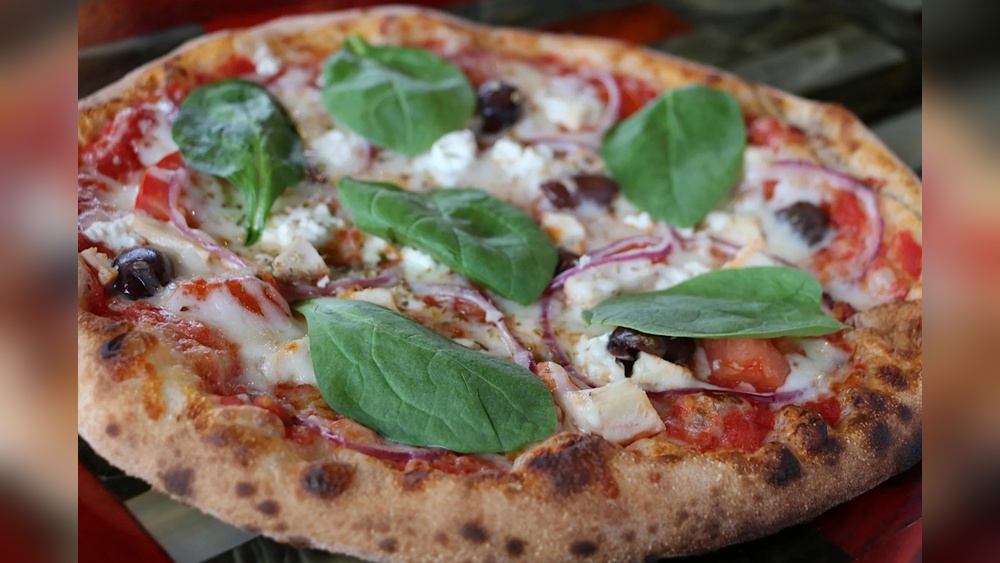
“Is Wood-Fired Pizza Healthier”
Are you wondering if wood-fired pizza is actually healthier than the regular kind? You’re not alone.
Many people love the smoky flavor and crispy crust that comes from cooking pizza in a wood-fired oven, but does that taste come with health benefits too? The truth is, the way your pizza is cooked can affect its nutrition.
Wood-fired ovens cook pizza quickly at very high temperatures, which can help lock in the nutrients of fresh veggies and reduce the need for extra oils. But there are also some things you should be careful about, like avoiding burnt spots that might carry harmful compounds. You’ll discover how wood-fired pizza stacks up when it comes to health, what makes it better or worse for you, and simple tips to enjoy your favorite pizza without guilt. Keep reading to find out if your next slice can be both delicious and good for you!
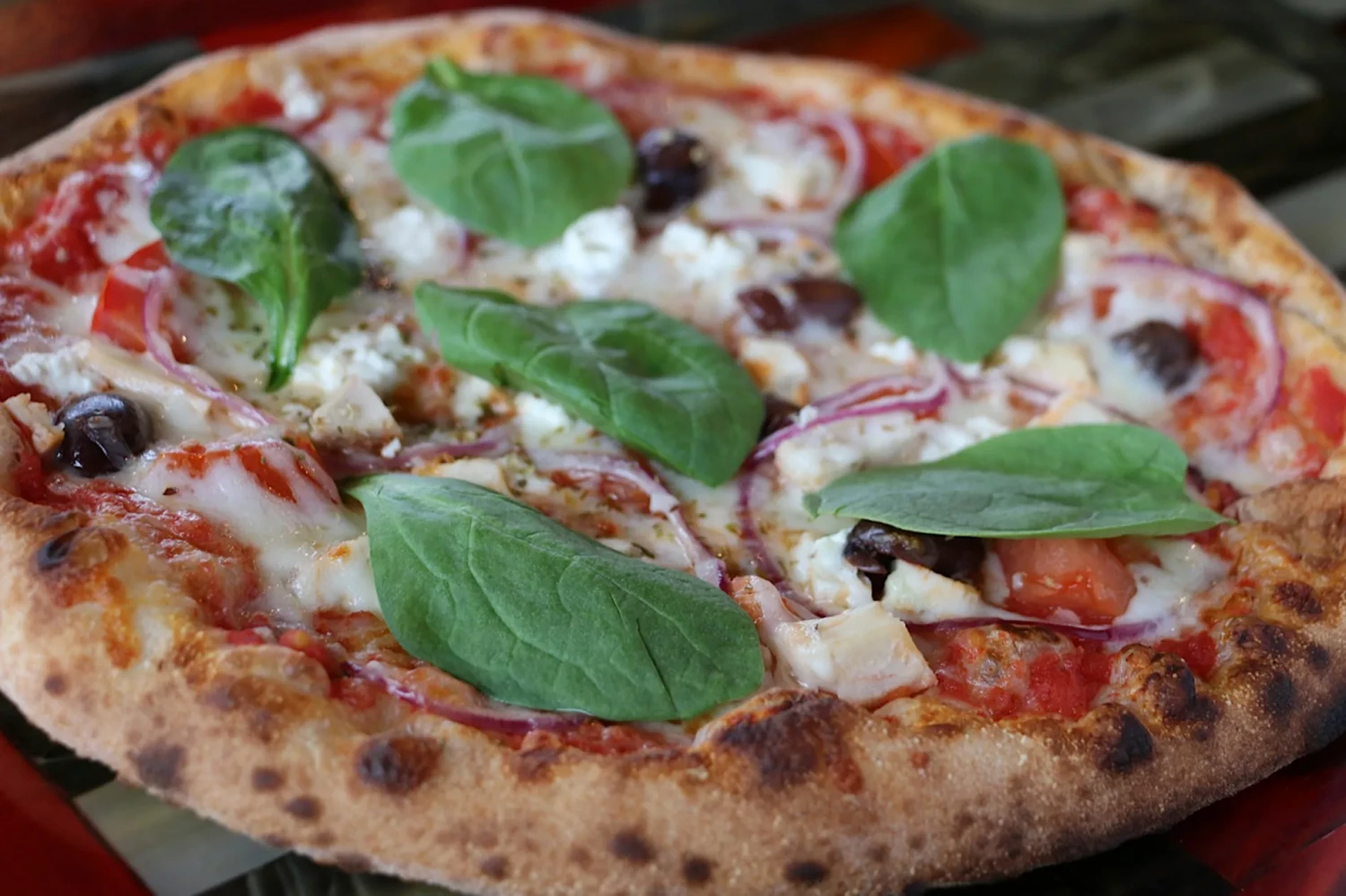
Credit: smokinoakpizza.com
Health Benefits Of Wood-fired Pizza
Wood-fired pizza offers unique health benefits compared to traditional baking methods. The intense, quick heat cooks pizza fast, preserving nutrients in fresh toppings. It uses less added fat, making it lighter. This cooking style also encourages fresh ingredients, which add vitamins and minerals. High heat from wood fire can make digestion easier by breaking down food quickly.
Nutrient Retention In Toppings
Wood-fired ovens cook pizza rapidly at high temperatures. This quick cooking helps lock in vitamins and antioxidants in vegetables. Ingredients like tomatoes, peppers, and spinach keep more nutrients. Slow cooking in a regular oven can reduce these nutrients. Wood fire’s fast heat preserves the natural benefits of fresh toppings.
Reduced Use Of Added Fats
Wood-fired pizza often needs less oil or butter. The intense heat crisps the crust without extra fat. This lowers the overall calorie count. Less added fat means a healthier meal. It also reduces unhealthy saturated fat intake from excessive cheese or oily toppings.
Fresh Ingredient Emphasis
Wood-fired pizzas usually highlight fresh and simple ingredients. Chefs often choose fresh vegetables, lean meats, and quality cheeses. These choices boost the vitamin and mineral content. Fresh ingredients also add natural flavors without artificial additives. This focus makes wood-fired pizza a wholesome option.
Easier Digestion From High Heat
The high temperature of wood-fired ovens helps break down food quickly. This can make the pizza easier to digest. Fast cooking reduces the chance of tough or heavy crust. It also lessens the presence of complex starches that slow digestion. Eating wood-fired pizza may feel lighter on the stomach.
Health Risks Linked To Wood-firing
Wood-fired pizza offers a unique flavor and cooking style. Yet, it also brings health risks that need attention. Understanding these risks helps you make safer food choices.
Formation Of Carcinogenic Compounds
Wood fires produce smoke that contains harmful chemicals. Some of these chemicals can stick to the pizza crust. These are called carcinogens, which may raise cancer risk. Cooking at very high temperatures increases these compounds. Avoiding overcooked or burnt pizza reduces exposure.
Impact Of Charred And Burnt Sections
Charred pizza parts look tasty but can be harmful. The burnt areas contain toxic substances formed by burning food. Eating these often might affect your health negatively. Cutting off blackened edges lowers the chance of harm. Choose a lightly cooked pizza for better safety.
Smoke Exposure Concerns
Cooking with wood creates a lot of smoke. Breathing in this smoke over time can irritate the lungs. People working near wood-fired ovens face higher risks. Proper ventilation in cooking spaces helps reduce smoke exposure. Enjoy wood-fired pizza in well-ventilated areas only.
Comparing Wood-fired And Conventional Pizza
Wood-fired and conventional pizzas differ in many ways. These differences affect taste, nutrition, and cooking style. Understanding these can help choose a healthier option.
Wood-fired ovens use intense heat and short cooking times. Conventional ovens cook pizzas slower at lower temperatures. Both styles have unique effects on the pizza’s quality and health aspects.
Cooking Time And Nutrient Preservation
Wood-fired ovens cook pizza in about 2 to 3 minutes. This fast cooking helps keep vitamins in vegetables intact. Conventional ovens take 10 to 15 minutes, which can reduce nutrient levels. Longer heat exposure breaks down some sensitive nutrients and antioxidants.
Quick cooking also preserves moisture. This keeps toppings fresh and tasty. Slow cooking may dry out ingredients and lower the nutritional value.
Flavor Differences And Health Implications
Wood-fired pizza has a smoky, charred flavor from burning wood. This can add a rich taste without extra fats or oils. The charred crust adds crunch without needing much cheese or sauce.
Conventional pizza often has a softer crust and milder flavor. It may require more cheese or oil to boost taste. Eating less cheese and oil can reduce fat intake and calories.
Too much charring on wood-fired pizza can create harmful chemicals. Eating burnt parts should be avoided for better health.
Calorie And Fat Content Variations
Wood-fired pizzas usually need less oil during cooking. This lowers total fat and calorie content. The fast cooking also means less oil absorption.
Conventional pizzas may use more oil and cheese to keep moist. This adds extra calories and fat. Choosing thin crust and fewer toppings helps control calorie intake in both types.
Overall, wood-fired pizza can be lighter and healthier if made with fresh ingredients and moderate toppings.

Credit: www.thepizzaproject.co.uk
Tips For Healthier Wood-fired Pizza
Making wood-fired pizza healthier starts with smart ingredient choices and cooking methods. Simple changes improve nutrition without losing flavor. Focus on fresh produce, better crusts, lean toppings, and careful cooking. These tips help keep your pizza tasty and good for you.
Choosing Fresh And Ample Vegetables
Load your pizza with fresh vegetables. Use colorful options like spinach, tomatoes, peppers, and mushrooms. Vegetables add fiber, vitamins, and minerals. They also boost flavor and texture. Fresh veggies cook quickly in the high heat of a wood-fired oven, keeping nutrients intact.
Opting For Whole Wheat Or Alternative Crusts
Choose whole wheat or alternative grain crusts. Whole wheat adds fiber and nutrients missing in white flour. Alternative crusts like cauliflower or chickpea offer more protein and fewer carbs. These options support digestion and keep blood sugar stable. Thin crusts reduce extra calories.
Limiting Fatty Meats And Cheese
Use lean meats like grilled chicken or turkey instead of pepperoni or sausage. Fatty meats add saturated fat and sodium. Limit cheese amounts or pick lower-fat varieties. Cheese adds calcium and protein but can be high in fat. Less cheese lowers calories and helps heart health.
Avoiding Over-charring And Burnt Areas
Wood-fired ovens cook fast and hot, causing charring. Over-charred or burnt pizza parts contain harmful chemicals. Avoid eating blackened edges. Watch cooking time closely to prevent burning. Moderate heat and attention keep pizza safe and tasty.
Popular Healthy Pizza Styles
Healthy pizzas come in many delicious forms. Choosing the right toppings and crust can make a big difference.
Wood-fired pizzas often use fresh, high-quality ingredients. This style highlights natural flavors and nutrients.
Veggie-loaded Options
Vegetables add fiber, vitamins, and antioxidants to pizza. Spinach, tomatoes, mushrooms, and peppers work well.
Veggie toppings boost nutrition and lower calorie density. They make each slice more satisfying and wholesome.
Lean Protein Toppings
Lean proteins like grilled chicken or turkey add muscle-building nutrients. They keep fat and calories low.
Seafood and plant-based proteins also provide healthy alternatives. These toppings support balanced meals on pizza.
Thin Crust And Lower-calorie Choices
Thin crust pizzas reduce overall calories and carbs. They let toppings shine without extra heaviness.
Whole wheat or cauliflower crusts add fiber and nutrients. These options improve digestion and promote fullness.
Balancing Enjoyment And Health
Enjoying wood-fired pizza offers a tasty treat and some health benefits. Balancing pleasure and nutrition is important. This balance helps you savor pizza without harming your health.
Choosing how much, how often, and what to eat with pizza makes a difference. Small changes improve your meal and keep it healthy.
Moderation In Portion Sizes
Eating pizza in moderate portions prevents overeating. Large slices add extra calories and fat. Smaller portions help control calorie intake and keep your diet balanced. Savor each bite slowly to feel full and satisfied with less food.
Frequency Of Consumption
Having wood-fired pizza occasionally keeps it a special treat. Eating pizza every day can lead to excess calories and poor nutrition. Limit pizza to once or twice a week to enjoy it without health risks. Balance pizza meals with other healthy foods during the week.
Combining Pizza With Nutrient-rich Sides
Pair pizza with fresh salads or steamed vegetables to add vitamins and fiber. These sides help balance the meal and reduce calorie density. Choose water or unsweetened drinks to stay hydrated without extra sugar. Adding nutrient-rich sides makes pizza meals healthier and more filling.

Credit: thewoodfiredco.com.au
Frequently Asked Questions
Is Wood Fired Pizza Healthier Than Regular Pizza?
Wood-fired pizza cooks quickly, preserving vegetable nutrients and using less oil. Avoid burnt parts to reduce harmful compounds. Overall, it can be healthier than regular pizza when topped with fresh veggies and lean proteins.
What Is The Healthiest Style Of Pizza?
The healthiest pizza style features a thin, whole-wheat crust topped with fresh vegetables and lean proteins like chicken. Wood-fired pizzas retain more nutrients due to quick cooking but avoid charred parts to reduce harmful compounds. Limit cheese and fatty meats for a balanced, nutritious meal.
Is Wood Fired Food Healthy?
Wood-fired food retains more nutrients due to quick cooking and less oil use. Avoid excessive charring to reduce harmful compounds. Choose fresh ingredients and moderate portions for a healthier meal.
What Is The Healthiest Way To Eat Pizza?
Eat pizza with a thin, whole-wheat crust topped with plenty of fresh vegetables and lean proteins. Limit cheese and avoid burnt edges. Wood-fired pizzas retain more nutrients due to quick cooking but consume in moderation to reduce harmful charred compounds.
Conclusion
Wood-fired pizza offers a tasty, healthier choice for many. The fast cooking locks in vitamins and uses less oil. Fresh ingredients shine, making each bite nutritious and fresh. Watch out for burnt spots to avoid harmful compounds. Choosing veggie toppings and lean proteins boosts health benefits.
Enjoy wood-fired pizza in moderation for a balanced meal. This style can fit well into a healthy diet plan. Simple changes make your pizza both delicious and better for you. Try it and taste the difference today.

As the author of the “Ultimate Pizza Guide: Recipes, Tips & Secrets Revealed,” I’m dedicated to sharing my love for pizza and empowering others to create delicious homemade pizzas with ease. Join me on a journey to uncover the secrets to perfecting your pizza game!