
Mastering your pizza oven’s airflow is the secret ingredient that separates a good pie from a truly exceptional one. Whether you’re a seasoned pizzaiolo with a professional wood-fired oven or a home cook experimenting with a backyard model, understanding how air moves through your oven is paramount.
Proper airflow dictates not only the temperature stability and cooking speed but also the quality of the crust, the evenness of the bake, and the efficiency of your fuel consumption. Inefficient airflow can lead to a smoky, unevenly cooked pizza, or worse, a frustratingly slow burn that leaves you waiting too long for that perfect margherita.
This guide will demystify the complex interplay of air currents within your pizza oven, providing actionable strategies to optimize its performance. We’ll explore the fundamental principles of combustion, the critical role of intake and exhaust vents, and how external factors can influence your oven’s internal environment.
By the end, you’ll possess the knowledge to diagnose airflow issues, make informed adjustments, and consistently achieve that coveted Neapolitan-style blistered crust.
Key Takeaways
- Combustion Needs Oxygen: Pizza ovens require a precise balance of oxygen for fuel (wood or gas) to burn efficiently, generating the high temperatures needed for cooking pizza.
- Exhaust is Crucial: The chimney and exhaust system are vital for removing smoke and hot gases, creating a draft that pulls fresh air in.
- Intake Controls Temperature: The amount of air entering the oven chamber directly impacts the burning rate of the fuel and the oven’s internal temperature.
- Vent Placement Matters: The location and size of both intake and exhaust vents significantly influence airflow patterns and heat distribution.
- External Factors Impact Performance: Wind, humidity, and ambient temperature can affect your oven’s draft and require adjustments to airflow settings.
- Regular Maintenance is Key: Cleaning the chimney and oven interior ensures unobstructed airflow and optimal performance.
The Science Of Pizza Oven Combustion And Airflow
At its core, a pizza oven is a sophisticated combustion chamber designed to reach and maintain extremely high temperatures. The process relies on a fundamental chemical reaction: combustion. For any fuel, whether it’s hardwood or natural gas, to burn effectively, it requires three elements: fuel, heat, and an oxidizer, which is primarily oxygen. This is often referred to as the “fire triangle.”
In a pizza oven, the airflow system is responsible for delivering this crucial oxygen to the fuel source and then efficiently removing the byproducts of combustion, smoke and hot gases. This continuous cycle creates a draft, a natural upward movement of air. The heat generated by the burning fuel causes the gases to expand and become less dense, making them rise and exit through the chimney. As these hot gases escape, they create a low-pressure area that draws in fresh, oxygen-rich air through the intake vents. This creates a self-sustaining system, provided it’s properly designed and managed.
The efficiency of this cycle directly impacts your oven’s performance. Too little oxygen, and the fire will smolder, producing excessive smoke and failing to reach optimal temperatures. Too much oxygen, and the fire can burn too intensely, potentially overheating the oven or consuming fuel too rapidly without maintaining a stable cooking temperature. The goal is to find that sweet spot where the fire burns cleanly and hot, providing consistent heat to cook your pizzas perfectly.
Understanding The Fire Triangle In Oven Design
The fire triangle is the foundational concept for understanding any combustion process, and pizza ovens are no exception.
- Fuel: This is what burns to create heat. For wood-fired ovens, it’s typically seasoned hardwoods like oak, maple, or fruitwoods. For gas ovens, it’s natural gas or propane. The type and quality of fuel significantly affect combustion. Dry, seasoned wood burns hotter and cleaner than wet or green wood.
- Heat: The initial heat source starts the combustion process, and the burning fuel sustains it. The oven’s design, particularly its insulation and dome shape, helps to trap and retain this heat.
- Oxygen: This is the critical element that airflow management directly controls. Oxygen is needed to oxidize the fuel, releasing energy in the form of heat and light. Without an adequate and consistent supply of oxygen, the fire will be weak and inefficient.
The interplay between these elements, managed through the oven’s airflow system, is what allows a pizza oven to reach temperatures of 700-1000°F (370-540°C) or even higher, necessary for cooking pizzas in a matter of minutes.
The Role Of Draft: The Engine Of Airflow
The draft is the natural upward movement of air and gases through the oven and its chimney. It’s the invisible force that drives the entire airflow system. A strong, consistent draft is essential for several reasons:
- Oxygen Supply: It pulls fresh, oxygen-rich air into the combustion chamber, fueling the fire.
- Smoke Removal: It efficiently expels smoke and combustion byproducts, preventing them from filling the oven and imparting a bitter taste to the food.
- Temperature Control: By regulating the rate of air intake, you indirectly control the intensity of the fire and thus the oven’s temperature.
- Efficiency: A good draft ensures that fuel is burned efficiently, maximizing heat output and minimizing fuel waste.
The strength of the draft is influenced by several factors, including chimney height, diameter, temperature difference between the inside and outside air, and external wind conditions. A taller chimney generally creates a stronger draft due to the increased buoyancy of the hot gases.
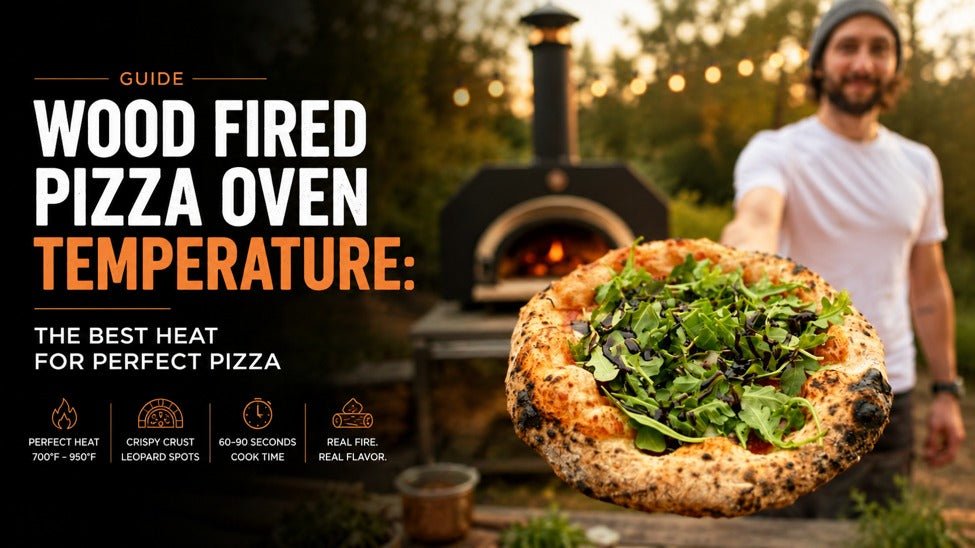
Credit: chicagobrickoven.com
Anatomy Of A Pizza Oven Airflow System
To effectively optimize airflow, it’s crucial to understand the key components that facilitate it. These components work in concert to create the necessary environment for high-temperature cooking.
Intake Vents: The Lungs Of The Oven
Intake vents are where fresh, oxygen-rich air enters the oven. Their design, placement, and adjustability are critical for controlling the fire’s intensity and the oven’s temperature.
- Location: Intake vents are typically located near the base of the oven, often integrated into the hearth or the front opening. In wood-fired ovens, they might be small openings near the firebox or controllable gaps around the main door. Gas ovens usually have specific air intake ports.
- Size and Adjustability: The size of the intake opening determines how much air can enter. Many ovens feature adjustable vents or baffles that allow users to precisely control the air supply. This is your primary tool for temperature regulation. Opening the vents wider allows more air in, making the fire burn hotter and faster. Closing them restricts airflow, cooling the fire down.
- Purpose: The primary purpose of intake vents is to supply oxygen to the fire and to help control the oven’s temperature. They also play a role in directing air over the fuel source.
Exhaust System: The Chimney And Flue
The exhaust system, primarily the chimney or flue, is responsible for expelling smoke and hot gases. Its design is just as important as the intake system for creating a proper draft.
- Chimney Placement: In traditional wood-fired dome ovens, the chimney is often placed *forward* of the dome’s apex, near the oven opening. This design encourages heat to circulate within the dome before exiting, maximizing heat transfer to the cooking surface and dome walls. Gas ovens might have a more conventional rear or top-mounted flue.
- Chimney Height and Diameter: A properly sized chimney is essential. Too short, and the draft may be weak, leading to smoke spillage. Too narrow, and it can restrict the exit of gases. Too wide, and the draft might be too strong, pulling heat out too quickly. The ideal height typically extends above the highest point of the oven or any nearby structures to ensure a consistent draw, unaffected by downdrafts.
- Damper (Optional): Some ovens, particularly wood-fired ones, may have a damper, a controllable plate within the chimney, that can be adjusted to further fine-tune the draft and retain heat when the oven is not in active use.
The Oven Dome And Hearth: Heat Dynamics
While not directly part of the “airflow system” in terms of vents and chimneys, the oven’s internal structure profoundly influences how air and heat behave.
- Dome Shape: The hemispherical or parabolic shape of most pizza oven domes is designed to reflect and concentrate heat evenly onto the pizza. It also facilitates the natural convection of hot air, guiding it towards the chimney.
- Hearth Material: The cooking surface, or hearth, is typically made of dense refractory materials like firebrick or cordierite. These materials absorb and retain a significant amount of heat, providing a stable, high-temperature base for cooking the pizza crust. The airflow over the hearth is crucial for a crispy bottom.

Credit: www.fornobravo.com
Optimizing Airflow For Wood-fired Pizza Ovens
Wood-fired ovens present unique challenges and opportunities for airflow management due to the variable nature of burning wood. Achieving the perfect bake requires a dynamic approach to controlling the fire.
Building And Maintaining The Fire
The process of building and maintaining a fire is where airflow optimization truly begins.
- Initial Fire Ignition: Start with small, dry kindling and gradually add larger pieces of seasoned hardwood. Initially, you’ll want to have the intake vents fully open to establish a strong flame and begin heating the oven dome.
- Reaching Temperature: As the wood burns and the oven heats up, you’ll notice the smoke becoming less dense and clearer. This indicates cleaner combustion. You’ll need to continue adding wood to saturate the dome and hearth with heat. This can take anywhere from 30 minutes to over an hour, depending on the oven’s size and insulation.
- Managing the Fire for Cooking: Once the oven reaches its target temperature (often indicated by the dome interior turning white or clear of soot), you’ll shift from actively building the fire to maintaining it. This is where precise airflow control becomes paramount. You’ll typically reduce the intake airflow to a level that sustains a moderate, clean flame or even just a bed of glowing embers, while ensuring the exhaust system continues to draw effectively. The goal is to maintain a consistent oven temperature without excessive fuel consumption or smoke.
The Art Of Vent Adjustment
For wood-fired ovens, the intake vent is your primary temperature control.
- Full Open: Used during the initial fire-building phase to get the oven up to temperature quickly.
- Partially Open: Used to maintain a high temperature once the oven is saturated with heat. This allows enough oxygen to keep the fuel burning steadily without creating excessive heat loss.
- Nearly Closed: Used when the oven is extremely hot and you need to let it stabilize or cool slightly, or when you are just holding residual heat for a longer period. It’s crucial not to close it completely, as this will starve the fire of oxygen and cause it to die out or produce excessive smoke.
Pro Tip: In my experience, learning to read the flame and the color of the smoke is as important as watching a thermometer. A clean, bright flame with minimal smoke indicates efficient combustion and optimal airflow.
Chimney Draft In Wood-fired Ovens
The chimney’s role is to create a consistent pull, drawing air through the intake vents and over the fire.
- Preventing Smoke Spillage: If smoke is coming out of the oven opening instead of going up the chimney, it usually indicates insufficient draft. This could be due to a chimney that is too short, too narrow, or blocked. Cold weather can also temporarily reduce draft as the temperature differential is smaller.
- Maintaining Heat: While you want a good draft to remove smoke, an excessively strong draft can pull too much heat out of the oven, requiring you to burn more fuel to compensate. This is where a damper, if present, can be useful for fine-tuning.
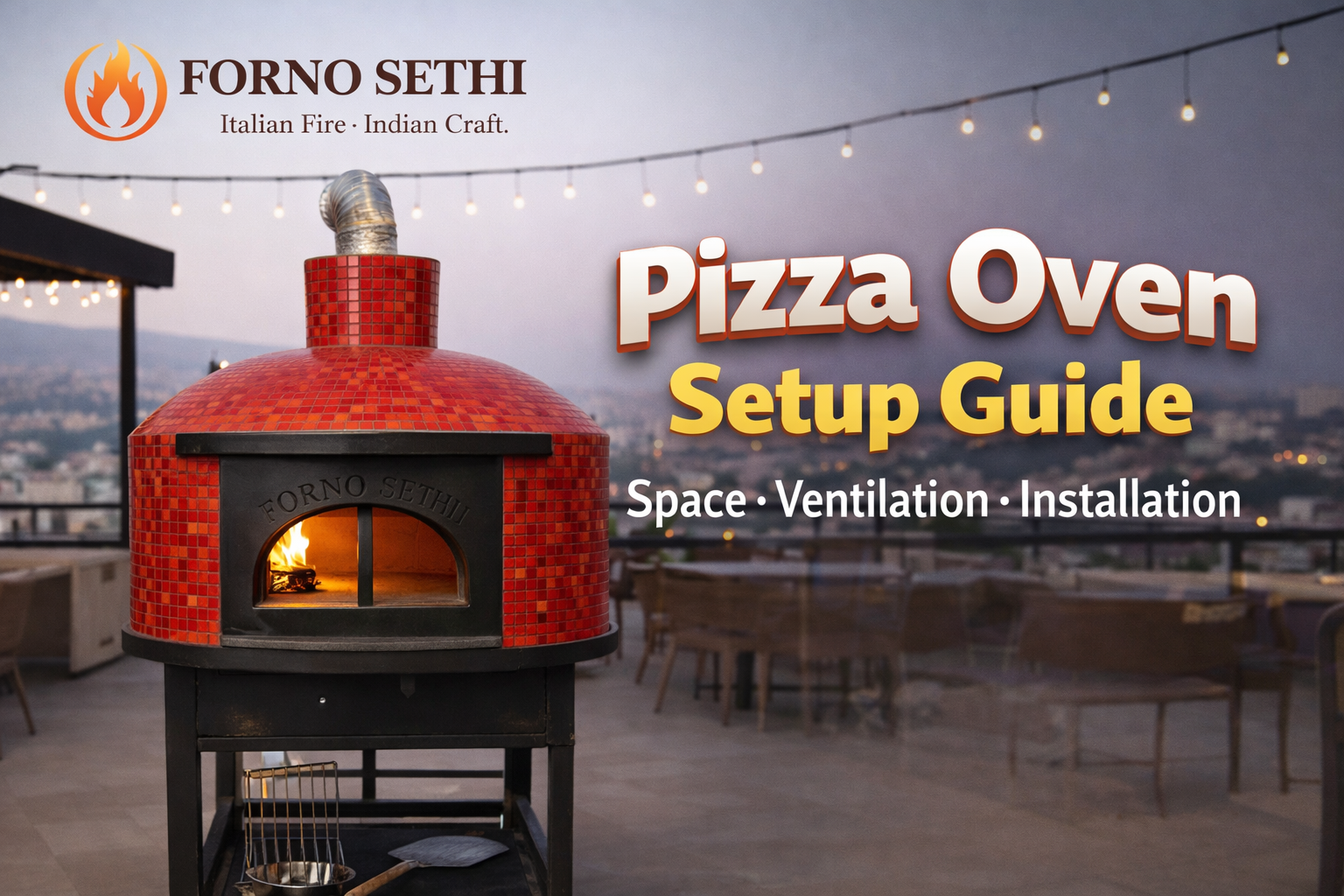
Credit: fornosethi.com
Optimizing Airflow For Gas Pizza Ovens
Gas pizza ovens offer a more controlled and predictable heat source, simplifying some aspects of airflow management, but still requiring attention to detail.
Understanding Gas Burner Dynamics
Gas burners are designed for efficient combustion, but their performance is still dependent on adequate air supply.
- Primary Air Intake: Most gas burners have a primary air intake located near the burner itself. This mixes air with the gas before ignition. The size of this intake is often fixed or has limited adjustability.
- Secondary Airflow: In enclosed ovens, additional airflow is needed to ensure complete combustion and to circulate heat effectively throughout the oven cavity. This is where the oven’s overall design and vent configuration come into play.
Vent Configuration In Gas Ovens
Gas ovens typically have simpler vent systems than wood-fired models, but their placement is critical.
- Intake Ports: These are designed to allow ambient air to enter the oven chamber, often around the base or sides. Their size and number are engineered to provide sufficient oxygen for the burner and for heat circulation.
- Exhaust Flue: A dedicated flue or chimney directs the combustion gases and excess heat out of the oven. The size and placement of this flue are crucial for establishing a proper draft. In many smaller, countertop gas pizza ovens, the “flue” might simply be the oven opening itself, combined with specific air channels designed to create a convection effect. Larger, built-in gas ovens will have a more traditional chimney.
Temperature Control In Gas Ovens
Temperature control in gas ovens is primarily managed via the gas valve and thermostat. However, airflow plays a supporting role.
- Thermostat Settings: The main control is the thermostat, which regulates the gas flow to the burner.
- Airflow’s Influence: While the thermostat dictates the heat *source*, airflow influences how that heat is distributed and maintained within the oven. If the exhaust is too restrictive, heat can build up unevenly. If the intake is insufficient, the burner might not perform at its peak efficiency. For ovens designed with specific air channels, ensuring these are not blocked is key.
Example: A common issue with some portable gas pizza ovens is uneven heating. This can sometimes be attributed to airflow patterns. If the air isn’t circulating properly around the flame and into the oven cavity, one side might get hotter than the other. Ensuring the oven is on a level surface and that no external objects are obstructing the designed air intake/exhaust paths is important.
External Factors Affecting Pizza Oven Airflow
The environment surrounding your pizza oven can have a significant impact on its performance, often requiring adjustments to your usual airflow settings.
Wind Conditions
Wind is perhaps the most influential external factor.
- Direct Wind: A strong wind blowing directly into the oven opening can force excess air in, potentially making the fire too hot or unstable. Conversely, wind blowing *away* from the opening can sometimes help to pull smoke out, enhancing the draft.
- Chimney Draft: Wind blowing across the top of the chimney can either help or hinder the draft. A strong crosswind can create turbulence and reduce the chimney’s effectiveness, while a wind blowing in the direction of the chimney’s exit can sometimes enhance the updraft (the “stack effect”).
- Mitigation: If wind is a persistent issue, consider building a windbreak around your oven or using a chimney extension. For ovens with adjustable vents, you’ll likely need to partially close the intake vents during windy conditions to compensate for the increased air being pushed in.
Humidity And Ambient Temperature
These factors subtly influence the density of air and the buoyancy of hot gases, affecting the draft.
- High Humidity: Humid air is less dense than dry air because water vapor molecules are lighter than the nitrogen and oxygen molecules they displace. This can slightly reduce the buoyancy of hot gases, leading to a weaker draft.
- Cold Ambient Temperature: A large temperature difference between the inside of the oven and the outside air creates a strong draft. As the outside temperature drops, the draft generally becomes stronger, assuming the chimney is tall enough. This means you might need to slightly reduce your intake airflow in very cold weather to prevent the oven from overheating or burning fuel too quickly.
- Hot Ambient Temperature: Conversely, on very hot days, the temperature difference is smaller, potentially leading to a weaker draft. You might need to open your intake vents slightly more to compensate.
Fuel Quality And Moisture Content
For wood-fired ovens, the fuel itself is a critical variable.
- Seasoned vs. Unseasoned Wood: As mentioned earlier, well-seasoned hardwood (dried for at least 6-12 months) burns hotter and cleaner, producing less smoke and requiring less airflow adjustment than wet or green wood. Wet wood smolders, produces a lot of smoke, and requires a much stronger draft to burn efficiently, often leading to a sooty oven and poor cooking results.
- Wood Type: Denser hardwoods burn longer and hotter, providing more stable heat. Softer woods ignite easily but burn out faster.
Diagnosing And Solving Airflow Problems
Even with the best design, pizza ovens can develop airflow issues. Recognizing the symptoms and knowing how to address them is key to maintaining optimal performance.
Symptom: Excessive Smoke Spillage From The Oven Opening
This is the most common sign of poor airflow.
- Possible Causes:
- Insufficient Draft: Chimney too short, too narrow, blocked, or insufficient temperature differential.
- Overcrowded Fire: Too much wood packed into the firebox, restricting air circulation.
- Incorrect Vent Settings: Intake vents closed too much, starving the fire of oxygen and causing smoldering.
- Wet Fuel: Using unseasoned or damp wood.
- Solutions:
- Check Chimney: Ensure it’s clear of obstructions (creosote, nests, debris). Consider a chimney extension if it’s too short relative to the oven’s height.
- Manage Fire Size: Reduce the amount of wood in the firebox to allow better air circulation.
- Adjust Intake Vents: Open them further to provide more oxygen.
- Use Dry Fuel: Ensure you are using properly seasoned hardwood.
Symptom: Oven Not Reaching Or Maintaining Target Temperature
This indicates insufficient heat generation or excessive heat loss.
- Possible Causes:
- Insufficient Oxygen: Intake vents are too restricted, starving the fire.
- Poor Fuel Quality: Using wood that burns too quickly or doesn’t produce enough heat.
- Heat Loss: Poor insulation, gaps in the oven structure, or excessive draft pulling heat out.
- Incorrect Chimney/Vent Sizing: Chimney might be too large, creating excessive draft and pulling heat out too fast.
- Solutions:
- Open Intake Vents: Gradually open the intake vents to allow more air to the fire.
- Use Better Fuel: Switch to denser, seasoned hardwoods.
- Inspect Oven for Gaps: Seal any cracks or openings in the oven structure or door.
- Consider Damper Use: If you have a damper, experiment with closing it slightly to reduce draft and retain heat.
Symptom: Uneven Cooking (hot Spots Or Cold Spots)
This relates more to heat distribution, which is influenced by airflow patterns.
- Possible Causes:
- Poor Heat Circulation: Air isn’t moving effectively around the dome and hearth.
- Fire Location: In wood-fired ovens, if the fire is consistently on one side, it can create a hot spot.
- Obstructions: Debris or ash buildup on the hearth or in air channels.
- Design Flaw: Inherent design limitations of the oven.
- Solutions:
- Rotate Pizza: Frequently rotate the pizza during cooking.
- Manage Fire Location: For wood-fired ovens, periodically move the burning wood to the center or opposite side to distribute heat more evenly.
- Clean Oven Regularly: Remove ash and debris from the hearth and firebox.
- Check Gas Burner (Gas Ovens): Ensure the burner is functioning correctly and evenly.
Table 1: Common Pizza Oven Airflow Problems and Solutions
| Problem | Likely Cause(s) | Solution(s) |
|---|---|---|
| **Excessive Smoke Spillage** | Insufficient draft, overcrowded fire, restricted intake, wet fuel | Check/clear chimney, reduce fuel load, open intake vents, use dry wood |
| **Low Temperature** | Insufficient oxygen, poor fuel, excessive heat loss, too much draft | Open intake vents, use quality fuel, seal oven gaps, adjust damper (if applicable) |
| **Uneven Cooking (Hot Spots)** | Poor heat circulation, fire location, ash buildup, design limitations | Rotate pizza, manage fire placement, clean oven, check gas burner function |
| **Oven Overheating** | Too much oxygen, fire too intense, external heat sources | Reduce intake airflow, manage fire size, ensure proper insulation, shield from direct external heat sources |
| **Difficulty Maintaining Heat** | Excessive draft, poor insulation, frequent door opening | Slightly close intake vents, adjust damper, improve insulation, minimize door opening time |
Maintenance For Optimal Airflow
Regular maintenance is not just about longevity; it’s crucial for ensuring your pizza oven’s airflow system functions as intended. Neglecting maintenance can lead to gradual performance degradation and potential safety hazards.
Cleaning The Chimney And Flue
Creosote, a flammable byproduct of burning wood, can build up inside the chimney over time. This buildup narrows the flue, restricts airflow, and can be a fire hazard.
Frequency: The frequency of cleaning depends on how often you use your oven and the type of wood you burn. A visual inspection every few months is recommended. Heavy creosote buildup might require cleaning after every 50–100 uses, or at least once a year for regular users. If you notice reduced draft, smoke spillage, or a strong smoky odor even when the oven isn’t in use, it’s time to clean the chimney.
How to clean:
- Use a chimney brush sized to your flue diameter, attached to flexible rods.
- Work from the top down or bottom up, depending on access.
- Scrub the entire length of the flue, removing creosote, soot, and debris.
- Collect all removed material safely—creosote is flammable and should be disposed of properly.
- After cleaning, inspect the chimney cap and spark arrestor for blockages.
Professional cleaning: For stubborn buildup, difficult access, or commercial ovens, hire a certified chimney sweep. They have the tools and expertise to ensure a thorough, safe cleaning.
Cleaning The Oven Interior
Ash, soot, and food debris can accumulate on the hearth, dome, and inside air channels, obstructing airflow and affecting heat distribution.
Daily/After Each Use:
- Once the oven has cooled, sweep or scrape ash and debris from the hearth.
- Remove any burnt food particles from the dome and walls.
- Ensure air intake and exhaust openings are free of obstructions.
Periodic Deep Cleaning:
- Remove ash from the firebox and ash pit.
- Check for soot buildup on the dome—excessive soot can insulate the dome and reduce radiant heat.
- Clean any air channels or vents that may have become clogged with ash or debris.
Inspecting Vent And Damper Operation
Intake Vents:
- Ensure adjustable vents move freely and are not stuck or obstructed.
- Check for rust, corrosion, or debris that could impede operation.
- Verify that the vent mechanism holds its position when adjusted.
Damper (if present):
- Test the damper to ensure it opens and closes smoothly.
- Check for warping, rust, or debris that could prevent proper sealing.
- A stuck damper can severely compromise airflow control and safety.
Checking For Gaps And Seals
Door Seals:
- Inspect the oven door gasket for cracks, wear, or compression.
- A damaged seal allows uncontrolled air infiltration, disrupting the intended airflow path and reducing efficiency.
- Replace worn gaskets promptly.
Structural Seals:
- Check for cracks or gaps in the oven dome, hearth, and chimney connections.
- Seal any gaps with high-temperature refractory mortar or sealant.
- Unsealed gaps can allow air leaks, smoke spillage, and heat loss.
Seasonal Airflow Considerations
Spring and Summer
- Humidity: High humidity can reduce draft. Monitor oven performance and adjust intake vents accordingly.
- Wind: Summer storms and gusts can cause downdrafts. Use a wind-resistant chimney cap and adjust vents during windy conditions.
- Insects and Nesting: Birds and insects may nest in the chimney during warmer months. Inspect the chimney cap and flue regularly.
Autumn and Winter
- Cold Air: Cold ambient temperatures increase draft—sometimes too much. You may need to reduce intake airflow to prevent overheating or excessive fuel consumption.
- Snow and Ice: Ensure the chimney cap is clear of snow and ice. Blockages can cause smoke spillage and carbon monoxide buildup.
- Freeze-Thaw Damage: Inspect the oven structure for cracks caused by freezing moisture. Seal any damage before the next use.
Frequently Asked Questions
How do I know if my pizza oven has poor airflow?
Common signs include excessive smoke spilling from the oven opening, difficulty reaching or maintaining target temperatures, uneven cooking (hot spots or cold spots), and the oven taking too long to heat up. These symptoms usually indicate insufficient draft, blocked vents, wet fuel, or incorrect vent settings.
How often should I clean my pizza oven’s chimney?
Inspect the chimney every few months. Clean it at least once a year for regular use, or every 50–100 uses if you burn heavily. If you notice reduced draft, smoke spillage, or a strong smoky odor, clean it immediately. Creosote buildup is a fire hazard and must not be ignored.
What’s the ideal chimney height for a pizza oven?
The chimney should extend above the highest point of the oven and any nearby structures within a 10-foot (3-meter) radius. A taller chimney generally produces a stronger draft, but excessive height can cause over-drafting and heat loss. Follow the manufacturer’s recommendations for your specific oven model.
Can I use a damper to control airflow?
Yes. A damper is a valuable tool for fine-tuning draft. Partially closing it reduces excessive draft and helps retain heat; opening it fully increases airflow for hotter fires. However, a stuck or poorly functioning damper can severely compromise airflow and safety—inspect and maintain it regularly.
Why does my oven smoke when I open the door?
Smoke spillage when opening the door usually indicates insufficient draft. Causes include a cold chimney, a blocked flue, a chimney that’s too short, or wind-induced downdraft. Preheat the chimney thoroughly, check for blockages, and consider a wind-resistant chimney cap.
How does wind affect my pizza oven’s airflow?
Wind can either enhance or disrupt draft. A steady breeze across the chimney top can increase draft (Venturi effect), while strong gusts or downdrafts can push smoke back into the oven. Use a wind-resistant cap, position the oven away from prevailing winds, and adjust intake vents during windy conditions.
Can I use my pizza oven in cold weather?
Yes, but cold weather increases draft—sometimes too much. You may need to reduce intake airflow to prevent overheating or excessive fuel consumption. Preheat gradually to avoid thermal shock, and ensure the chimney is clear of snow and ice.
What type of wood is best for optimal airflow?
Use dry, seasoned hardwood (moisture content below 20%) such as oak, maple, ash, or fruitwoods. Hardwoods burn hotter, longer, and cleaner than softwoods or wet wood, producing less smoke and requiring less airflow adjustment.
Conclusion
Pizza oven exhaust airflow optimization is the invisible art behind every perfectly baked pizza. From the fire triangle and the science of draft to the anatomy of intake and exhaust systems, every element works together to create the controlled, high-temperature environment that pizza demands. Wood-fired ovens require dynamic fire management—reading the flame, adjusting vents, and managing fuel quality. Gas ovens demand attention to burner dynamics and vent configuration. External factors like wind, humidity, and temperature must be anticipated and compensated for. Regular maintenance—cleaning chimneys, inspecting vents, sealing gaps—ensures that airflow remains unobstructed and efficient. Diagnose problems systematically: smoke spillage, low temperatures, and uneven cooking all have identifiable causes and solutions. Master airflow, and you master the oven. And a mastered oven delivers the perfect pizza—every time.

As the author of the “Ultimate Pizza Guide: Recipes, Tips & Secrets Revealed,” I’m dedicated to sharing my love for pizza and empowering others to create delicious homemade pizzas with ease. Join me on a journey to uncover the secrets to perfecting your pizza game!


