“Pizza Oven Safety Tips”
Are you ready to enjoy delicious, homemade pizzas with your pizza oven? Before you fire it up, it’s crucial to keep safety at the top of your mind.
Whether you’re a seasoned pizza pro or just starting out, knowing the right safety tips can protect you, your loved ones, and your property. Imagine savoring every bite without worrying about burns, fires, or harmful fumes. In this guide, you’ll discover simple yet essential pizza oven safety tips that anyone can follow.
Keep reading to make your pizza-making experience fun, safe, and stress-free!
Choosing The Right Location
Choosing the right location for your pizza oven is crucial for safety. The placement affects how well you can use the oven and keep your space secure. A bad location increases fire risks and makes cooking harder. This section covers key points to guide you in picking a safe spot.
Safe Distance From Structures
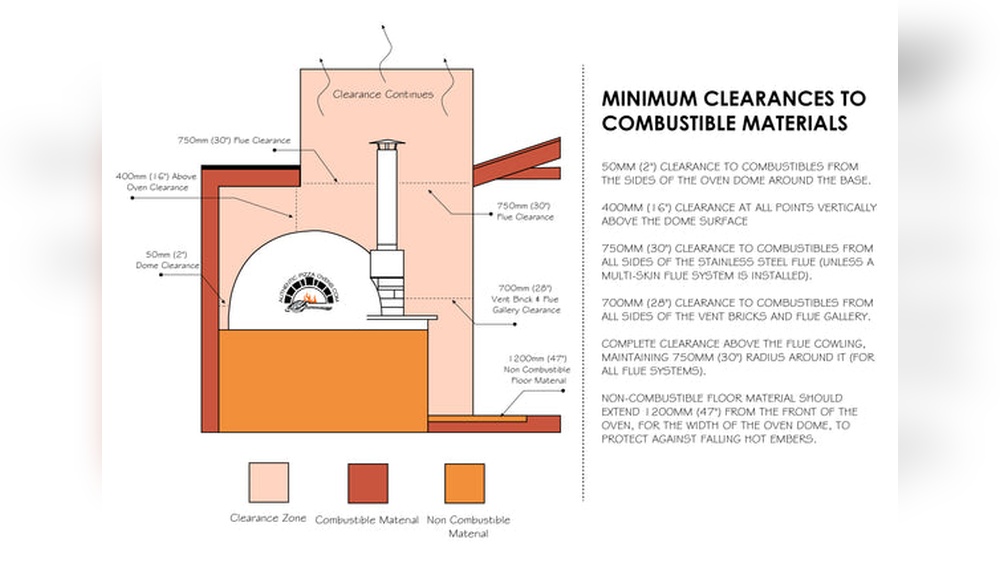
Keep your pizza oven at least 10 feet away from buildings. This distance helps prevent heat damage and fire hazards. Avoid placing the oven near wooden fences or dry plants. Clear space around the oven reduces the risk of accidental fires.
Ventilation Requirements
Good airflow is vital for a pizza oven. Place it in an open area to allow smoke to escape easily. Avoid enclosed spaces or areas with poor air circulation. Proper ventilation protects you from harmful smoke and keeps the fire burning well.
Avoiding Overhead Hazards
Check for overhead obstacles like tree branches or wires. These can catch fire or block smoke from rising. Keep the area above the oven clear and open. This step lowers fire risk and helps smoke exit safely.

Credit: backyardbrickovens.com
Proper Installation
Proper installation of your pizza oven is essential for safety and performance. It prevents accidents and ensures the oven works well. Follow key steps to install your oven securely and safely.
Stable And Heat-resistant Base
Place your pizza oven on a firm, level surface. The base must support the oven’s weight without shifting. Use materials that resist heat, such as concrete or stone. Avoid wood or other flammable materials. A stable base prevents tipping and fire hazards.
Correct Fuel Connections
Check all fuel connections carefully. Use the right hoses and fittings for gas ovens. Ensure connections are tight to avoid leaks. Test for leaks with soapy water before lighting. For wood-fired ovens, keep fuel storage away from the oven. Proper fuel setup reduces fire and gas risks.
Following Manufacturer Guidelines
Read the manufacturer’s instructions fully before installation. Follow their advice on placement, clearances, and ventilation. Use recommended parts and accessories only. Do not alter the oven structure or fuel system. Following guidelines keeps the oven safe and maintains warranty coverage.
Using Protective Gear
Using protective gear is crucial for safe pizza oven cooking. It shields you from burns and accidents. Wearing the right gear helps you handle the oven confidently. Proper protection reduces the risk of injury while managing high heat.
Heat-resistant Gloves
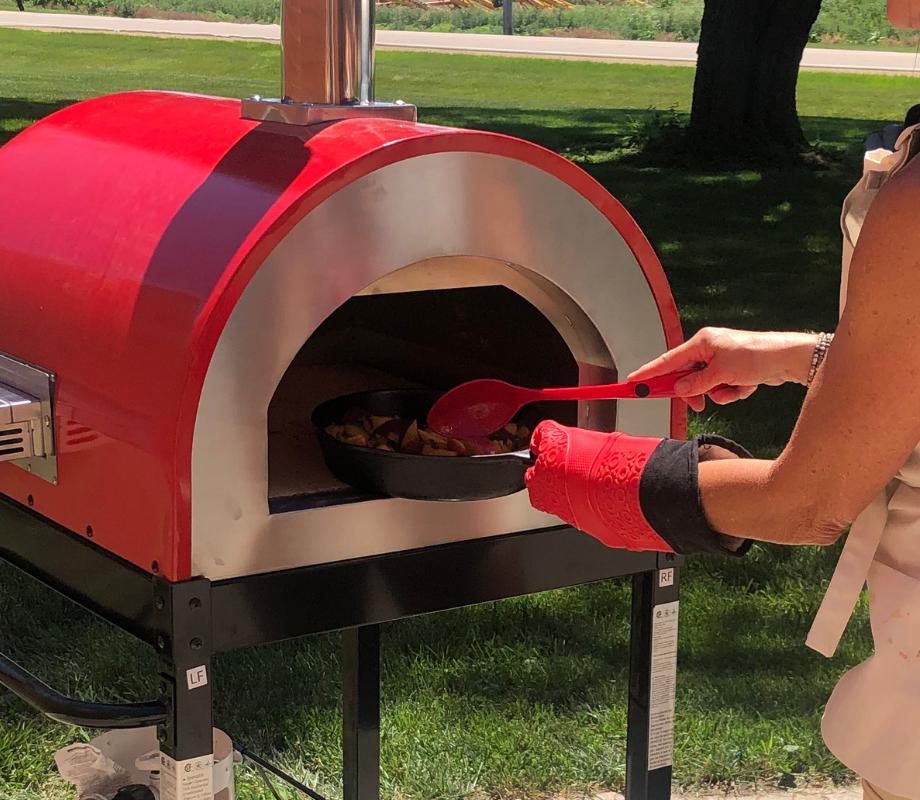
Heat-resistant gloves protect your hands from extreme oven temperatures. They allow safe handling of hot trays and pizza peels. Choose gloves made from materials like silicone or leather. Make sure gloves fit well for better control and comfort. Always wear gloves before touching anything hot inside the oven.
Long-handled Tools
Long-handled tools keep your hands far from the fire and heat. Use long pizza peels, brushes, and forks designed for oven use. These tools help you turn and remove pizzas safely. Longer handles reduce the chance of burns by keeping you at a safe distance. They also provide better reach inside deep ovens.
Appropriate Clothing
Wear clothing that covers your arms and legs to protect from heat sparks. Avoid loose or synthetic fabrics that can catch fire or melt. Opt for natural fibers like cotton or wool instead. Use closed-toe shoes to shield your feet from hot embers or dropped items. Proper clothing adds an important layer of safety during cooking.

Credit: www.igneuswoodfiredovens.com
Safe Operation Practices
Operating a pizza oven safely requires careful attention to several key practices. These safe operation practices help prevent accidents and ensure delicious results. Always stay alert and focused while cooking. Use the right tools and follow simple rules to protect yourself and others.
Monitoring Cooking Process
Keep a close eye on the pizza as it cooks. Check the progress often to avoid burning. Use a timer or watch the oven carefully. Open the oven door only when needed. This keeps heat steady and cooking safe. Watching the pizza helps catch problems early.
Managing Flames And Heat
Control the flames to keep the oven temperature even. Avoid letting flames flare too high. Use a fireproof glove and long tools to adjust wood or fuel safely. Keep a safe distance from the fire at all times. High heat cooks pizza fast but needs careful handling.
Avoiding Overloading The Oven
Do not put too many pizzas in the oven at once. Overloading lowers the temperature and causes uneven cooking. Leave enough space between pizzas for heat to circulate. Cook in batches if needed. Proper spacing helps pizzas bake evenly and prevents accidents.
Handling Emergencies
Handling emergencies with a pizza oven requires quick thinking and calm actions. Fires or accidents can happen suddenly. Knowing what to do reduces risks and keeps everyone safe.
This section covers key steps to handle emergencies safely. It includes how to manage grease fires, shut down the oven safely, and prepare emergency contacts.
Dealing With Grease Fires
Grease fires start from oil or fat catching fire. Never use water to put out a grease fire. Water spreads the flames and makes the fire worse.
Instead, cover the fire with a metal lid or baking sheet. This cuts off oxygen and stops the fire. Use a fire extinguisher rated for grease fires if needed.
Keep a fire blanket nearby. Smother small flames quickly to avoid injury and damage.
Safe Oven Shutdown
Turn off the fuel source immediately after use. For wood ovens, close the air vents to stop oxygen flow. This lowers the fire and cools the oven safely.
Do not open the oven door during a fire. Opening the door lets oxygen in and can cause flare-ups.
Wait until the oven cools completely before cleaning or maintenance. Use heat-resistant gloves to protect your hands.
Emergency Contact Preparation
Keep emergency numbers visible near the oven area. Include local fire department and poison control contacts.
Inform family or guests about emergency procedures. Everyone should know how to call for help fast.
Have a first aid kit ready and stocked. Quick treatment of minor burns or cuts can prevent infections.
Regular Maintenance
Regular maintenance of your pizza oven is crucial for safe and efficient cooking. Keeping the oven in good condition helps prevent accidents. It also extends the oven’s lifespan and ensures better tasting pizza every time.
Simple upkeep tasks done regularly stop small problems from becoming big safety hazards. This section covers key maintenance tips to keep your pizza oven safe and ready to use.
Cleaning Residue And Grease
Remove food residue and grease after each use. These buildups can catch fire easily. Use a brush or scraper designed for pizza ovens. Avoid harsh chemicals that can damage oven surfaces.
Clean the oven floor, walls, and door thoroughly. This prevents smoke and flare-ups during cooking. Regular cleaning keeps heat distribution even for perfect baking.
Inspecting For Damage
Check your pizza oven often for cracks or broken parts. Heat can cause bricks or metal to wear out over time. Small cracks may grow and cause heat loss or unsafe conditions.
Look for rust on metal components and loose fittings. Replace or repair damaged parts quickly. This protects you from burns and fire risks while cooking.
Scheduling Professional Checks
Have a professional inspect your pizza oven annually. Experts spot hidden damage and ensure safe operation. They can clean hard-to-reach areas and service gas or electric parts.
Professional checks provide peace of mind and keep your oven working at its best. A well-maintained oven is a safe oven for your family and friends.
Indoor Vs Outdoor Use
Choosing between indoor and outdoor pizza ovens affects safety and usage. Each setting has unique risks and benefits. Understanding these helps prevent accidents and ensures delicious results.
Risks Of Indoor Use
Indoor pizza ovens can be dangerous without proper ventilation. Smoke and carbon monoxide can build up quickly. This causes health risks like poisoning and suffocation. Fire hazards increase if the oven is too close to flammable materials. Poor air circulation worsens these dangers. Using a non-certified oven indoors is especially risky. Always avoid using outdoor-only ovens inside your home.
Certified Indoor Ovens
Some pizza ovens are designed for indoor use and meet safety standards. These ovens have built-in ventilation or require special venting systems. They limit smoke and harmful gases from entering your living space. Certified indoor ovens also have clearances to prevent fires. Installing these ovens usually needs professional help. Follow all manufacturer instructions carefully. Using certified ovens reduces risks and improves safety.
Outdoor Oven Safety Benefits
Outdoor pizza ovens offer natural ventilation. Smoke and gases escape easily into open air. This lowers the chance of carbon monoxide buildup. Outdoor ovens keep fire risks away from enclosed spaces. They also reduce heat buildup inside the home. Safe distances from walls and trees prevent accidental fires. Outdoor cooking areas should be clean and free of debris. This keeps your pizza oven experience safe and enjoyable.
Fuel Safety Tips
Fuel plays a big role in pizza oven safety. Handling fuel the right way prevents accidents and fire risks. This section covers key tips to keep your pizza oven safe and your cooking worry-free.
Using The Right Fuel Type
Choose fuel recommended by your oven maker. Wood, charcoal, or gas types vary by oven model. Using the wrong fuel can cause damage or dangerous flare-ups. Always read the manual to find suitable fuels. Clean-burning fuels help avoid smoke and soot buildup.
Safe Fuel Storage
Store fuel in a dry, cool place. Keep wood and charcoal away from direct sunlight and moisture. Gas tanks need to be stored upright and outside the home. Avoid storing fuel near heat sources or open flames. Proper storage extends fuel life and reduces fire hazards.
Avoiding Hazardous Materials
Never burn treated wood, painted wood, or trash in your oven. These materials release toxic fumes and harmful chemicals. Avoid using lighter fluids or gasoline as starters. Use natural fire starters or kindling made for pizza ovens. This keeps the air clean and your oven safe to use.
Credit: wppollc.com
Frequently Asked Questions
Is It Safe To Use A Pizza Oven Indoors?
Using a pizza oven indoors is safe only if it’s certified for indoor use. Ensure proper ventilation and follow all safety guidelines. Avoid wood-fired ovens indoors due to fire and carbon monoxide risks. Gas ovens need correct gas connections and clearance.
Always monitor the oven while in use.
What Are Three Oven Safety Rules?
Keep the oven clean to prevent grease buildup and fire hazards. Always use oven gloves and long-handled tools to avoid burns. Never leave the oven unattended while it is on to ensure safety.
How Far Should A Pizza Oven Be From A House?
Place a pizza oven at least 10 feet away from your house to prevent fire hazards and ensure proper ventilation. Maintain clear space around for safety and airflow.
How Safe Are Pizza Ovens?
Pizza ovens are safe when used outdoors with proper ventilation and distance from structures. Use heat-resistant gloves and tools. Clean regularly to avoid grease fires. Never leave the oven unattended while in use. Avoid indoor use unless the oven is certified for indoor operation with proper ventilation.
Conclusion
Using a pizza oven can be fun and rewarding. Always stay alert and follow safety rules. Keep children and pets away from the hot oven. Use proper tools and protective gloves to avoid burns. Clean the oven regularly to prevent grease fires.
Place the oven in a well-ventilated outdoor area, away from flammable materials. These simple steps help protect you and your home. Enjoy delicious pizza safely every time. Safety first, great taste always!

As the author of the “Ultimate Pizza Guide: Recipes, Tips & Secrets Revealed,” I’m dedicated to sharing my love for pizza and empowering others to create delicious homemade pizzas with ease. Join me on a journey to uncover the secrets to perfecting your pizza game!


