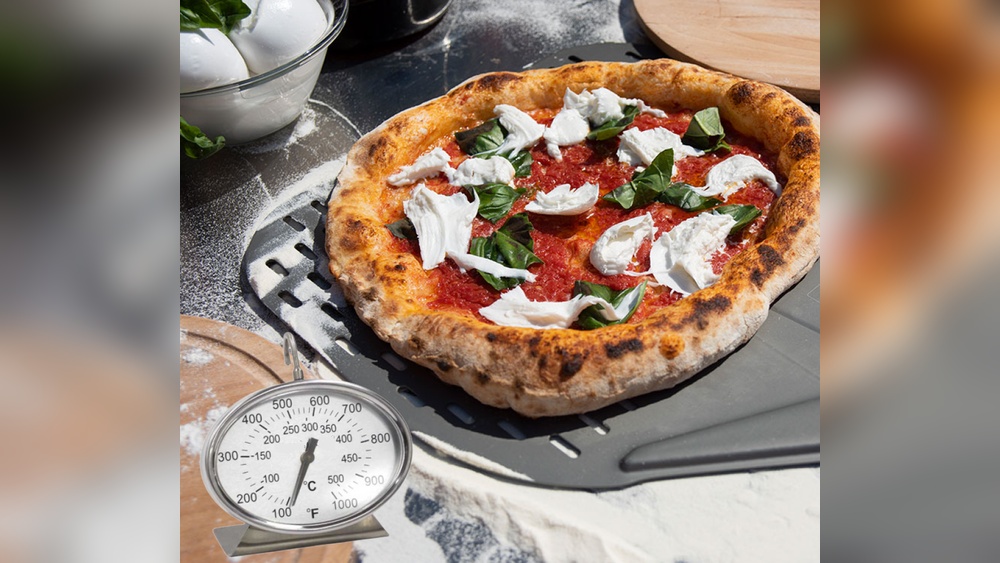
When you bake pizza at home, the oven temperature isn’t just a number on a dial—it’s the secret behind the texture of your crust. Have you ever wondered why some pizzas come out perfectly crispy on the outside yet soft and airy inside, while others feel doughy or burnt?
The truth is, the heat of your oven plays a major role in how your pizza turns out. Understanding how oven temperature affects pizza texture can transform your cooking and help you enjoy restaurant-quality pies right from your kitchen. Ready to discover the key to baking the perfect crust every time?
Keep reading to unlock the science and tips that will change your pizza game forever.
Oven Temperature And Crust Texture
Oven temperature plays a key role in shaping the texture of pizza crust. The heat level controls how the dough cooks, which changes its crunchiness and softness. Different temperatures create distinct crust textures, from crispy to chewy. Understanding how temperature affects the crust helps improve baking results.
High Heat For Crispy Crusts
High oven heat, around 450°F to 500°F (230°C to 260°C), makes the crust crisp quickly. The outside browns and hardens while the inside stays soft. Fast water evaporation creates steam, which puffs the dough. This gives the crust a light, airy feel with a crunchy shell.
Low Heat And Doughiness
Low oven heat, below 400°F (200°C), cooks the dough slowly. The crust may stay soft and doughy inside. It lacks a crisp outer layer and can feel heavy. The water evaporates slowly, which reduces the rise and air pockets in the dough.
Effects On Crust Rise And Airiness
High temperatures boost crust rise by trapping steam inside the dough. This makes air bubbles expand quickly, giving a fluffy texture. Lower heat slows this process, leading to a denser crust. Proper heat balance ensures a good rise and perfect airiness.

Credit: www.joespizzastone.ca
Moisture And Heat Interaction
Moisture and heat play a crucial role in shaping the texture of pizza crust. The interaction between water in the dough and oven temperature determines whether the crust turns out soft, crispy, or chewy. Understanding this relationship helps in baking pizzas that satisfy every bite. The right balance of moisture and heat can elevate your pizza’s texture from ordinary to delicious.
Steam Creation And Dough Expansion
As the oven heats the dough, water inside turns into steam. This steam expands, causing the dough to rise quickly. The trapped steam creates air pockets, making the crust light and airy. High temperatures speed up this process, helping the dough puff up before the crust hardens.
Rapid Evaporation Impact
At very high temperatures, water evaporates fast from the dough surface. This quick evaporation dries the crust, making it crispy and crunchy. If the oven is too hot, the crust can become too dry and hard. Slow evaporation at lower heat keeps the crust soft but may lack crispiness.
Balancing Moisture For Perfect Texture
To achieve the perfect pizza texture, moisture must be balanced with heat. Enough steam must form inside to create a tender crumb. At the same time, the crust should dry enough to become crisp. Controlling oven temperature helps keep this balance, producing a crust that is both soft inside and crispy outside.
Cooking Time And Temperature Balance
Balancing cooking time and temperature is key to perfect pizza texture. The right heat level cooks the crust evenly. It creates a crisp outside and a soft inside. Too much heat cooks pizza too fast. Too little heat makes it soggy and undercooked. Adjusting time and temperature carefully ensures the best texture for every pizza.
Quick Cooking At High Temperatures
High heat cooks pizza very fast. The crust crisps up quickly while staying airy inside. Steam from the dough rises fast, helping it puff up. This method is common for Neapolitan-style pizzas. It locks in flavor and texture in just a few minutes. Fast cooking keeps toppings fresh and vibrant.
Risks Of Overcooking Or Burning
High temperatures also bring risk. Cooking even a little too long burns the crust. Burnt spots taste bitter and ruin the pizza’s texture. Overcooking dries the dough, making it hard and tough. Watch the pizza closely and remove it at the right time. Timing is just as important as heat.
Adjusting Time For Different Oven Types
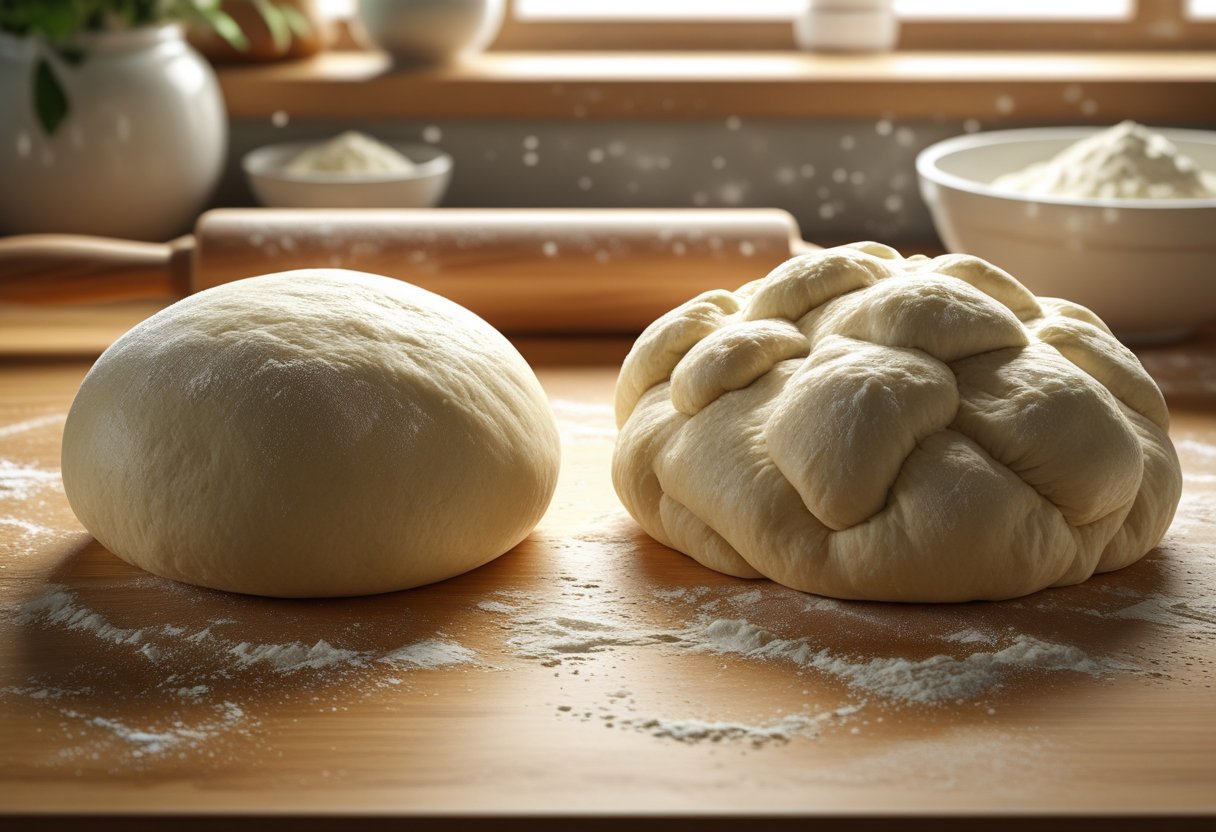
Ovens vary in heat and air flow. A wood-fired oven cooks pizza faster than a home electric oven. Conventional ovens may need longer cook times at lower temperatures. Use your oven’s style to guide time and heat settings. Testing and adjusting helps find the perfect balance for each oven type.
Credit: www.prepapizza.com
Temperature Ranges For Various Ovens
Understanding the right temperature range for different types of ovens is essential for baking pizza with perfect texture. Each oven type heats differently, which impacts how the crust and toppings cook. Adjusting the temperature according to your oven ensures a crispy, airy crust and well-cooked toppings. Below are ideal temperature settings for common oven types.
Wood-fired Oven Settings
Wood-fired ovens reach very high temperatures, often between 700°F and 900°F (370°C to 480°C). This intense heat cooks pizza quickly, usually in 90 seconds to 2 minutes. The high temperature creates a crisp outside while keeping the inside soft and chewy. Flames and hot air circulate, adding a smoky flavor. Maintaining this heat range is key to authentic Neapolitan-style pizza.
Electric And Gas Oven Guidelines
Home electric and gas ovens usually operate at lower temperatures, around 450°F to 500°F (230°C to 260°C). Baking pizza at these temperatures takes longer, often 10 to 15 minutes. The crust becomes golden and firm, but not as blistered as in wood-fired ovens. Using a pizza stone or steel helps mimic higher heat by retaining and radiating heat evenly.
Commercial Oven Temperature Tips
Commercial ovens vary widely but often reach 600°F to 700°F (315°C to 370°C). Conveyor ovens, deck ovens, or gas pizza ovens each have specific temperature ranges. Higher temperatures speed up cooking and improve crust texture. Operators adjust heat based on pizza style, size, and dough thickness. Consistent temperature control in commercial ovens ensures uniform baking results.
Flavor Development And Crust Texture
The oven temperature plays a key role in shaping the flavor and texture of pizza crust. It controls how the dough cooks, browns, and crisps. Different temperatures create distinct taste profiles and crust feels. Understanding this helps bakers make better pizzas that satisfy both the palate and the senses.
Maillard Reaction At High Heat
The Maillard reaction happens when proteins and sugars in the dough meet heat. This reaction creates the brown color and complex flavors on the crust. High heat speeds up this process, giving the pizza a nicely charred and savory crust. It adds rich, roasted notes that deepen the pizza’s taste.
How Temperature Enhances Taste
Higher oven temperatures bring out more flavor in the dough and toppings. Fast baking locks in moisture, keeping the inside soft and chewy. The quick heat release also caramelizes sugars in the crust, creating a sweet, nutty flavor. This balance of crisp outside and tender inside makes each bite enjoyable.
Avoiding Bitterness From Overheating
Too much heat can burn the crust and toppings. This causes bitter, unpleasant flavors that mask the pizza’s natural taste. Controlling the temperature prevents overcooking and keeps the crust golden brown. Proper heat ensures the pizza tastes fresh, not burnt or harsh.
Practical Tips For Home Baking
Baking pizza at home can be simple and rewarding. Small changes in oven temperature change the pizza’s texture a lot. Knowing how to control your oven helps you bake better crusts and toppings. Follow these practical tips to get the best results in your kitchen.
Recommended Oven Temperatures
Set your oven between 450°F and 500°F for most home pizzas. This range gives a crispy outside and a soft inside. For thinner crusts, use higher heat near 500°F. Thicker crusts bake well around 450°F to cook through without burning. Avoid low temperatures under 400°F. They make the crust chewy and dry.
Using Pizza Stones Or Steel
Place a pizza stone or steel in your oven before baking. These tools hold heat and spread it evenly. They help make the crust crispy and golden. Preheat them at oven temperature for at least 30 minutes. Slide your pizza directly on the stone or steel for best contact. This mimics the heat of professional pizza ovens.
Monitoring And Adjusting Heat
Keep an eye on your pizza as it bakes. Oven temperatures can vary, so watch for signs of burning or undercooking. If the crust browns too fast, lower the heat slightly. If the pizza cooks slowly, raise the temperature a bit. Rotate the pizza halfway through baking for even heat. Use an oven thermometer for accuracy.
Credit: spice.alibaba.com
Frequently Asked Questions
Should I Bake Pizza At 400 Or 450?
Bake pizza at 450°F for a crisp, airy crust and quick cooking. Use 400°F for a softer, chewier texture and longer bake time.
How Does Baking Temperature Affect The Final Texture Of The Pizza Crust?
Baking pizza at high temperatures creates a crispy outside and airy inside by rapidly evaporating dough moisture. Lower heat yields a denser, chewier crust.
Is 250 Degrees Hot Enough For Pizza?
Yes, 250 degrees Celsius is hot enough to bake pizza. It produces a well-cooked crust but may lack the crispiness of higher temperatures. Cooking time increases at 250°C, resulting in a softer, less airy texture compared to pizzas baked above 300°C.
Can You Overcook Pizza At 350?
Yes, you can overcook pizza at 350°F. Extended baking dries out the crust and toppings, causing a tough, less flavorful pizza.
Conclusion
Oven temperature plays a big role in pizza texture. High heat makes the crust crispy outside and soft inside. Lower heat results in a chewier, less crispy crust. Choosing the right temperature depends on your pizza style. Experiment with temperatures to find what you like best.
Understanding this helps you bake better pizzas every time. Keep your oven hot for that perfect bite. Texture changes with heat—simple but important. Enjoy baking and tasting your ideal pizza crust!

As the author of the “Ultimate Pizza Guide: Recipes, Tips & Secrets Revealed,” I’m dedicated to sharing my love for pizza and empowering others to create delicious homemade pizzas with ease. Join me on a journey to uncover the secrets to perfecting your pizza game!


