
“Infrared Heat Effects on Pizza”
When it comes to making the perfect pizza, heat plays a starring role. But have you ever wondered how infrared heat affects your pizza’s taste, texture, and cooking time?
Understanding the power of infrared heat can transform the way you bake, ensuring crispy crusts, perfectly melted cheese, and rich flavors every time. You’ll discover how infrared heat works, why it’s becoming a favorite among pizza enthusiasts, and how you can use it to elevate your homemade pizza experience.
Ready to unlock the secret behind that mouthwatering slice? Keep reading to find out!
Credit: www.bestbuy.com
Infrared Heat Basics
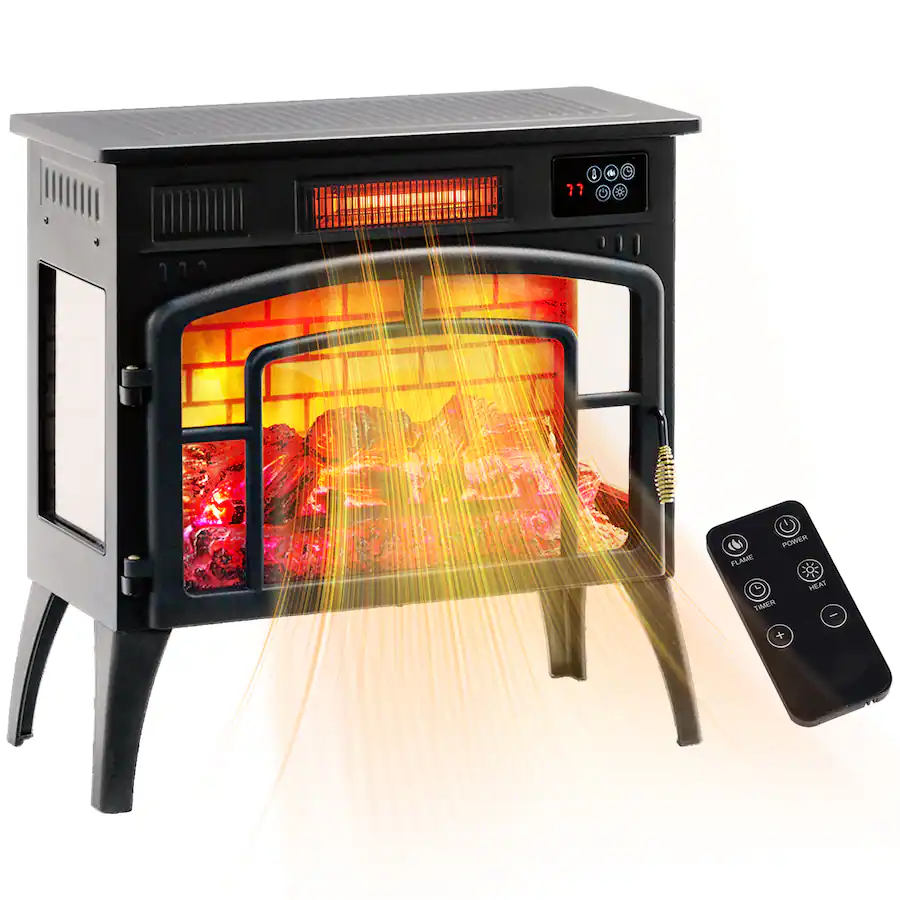
Infrared heat uses invisible light waves to cook food. These waves transfer heat directly to the pizza’s surface. This method heats food quickly and evenly. Infrared heat is different from regular heat sources like gas or electric ovens.
Understanding how infrared heat works helps explain its effects on pizza. It can create a crispy crust while keeping toppings juicy. Chefs and pizza lovers often prefer this method for its fast and consistent cooking.
How Infrared Cooking Works
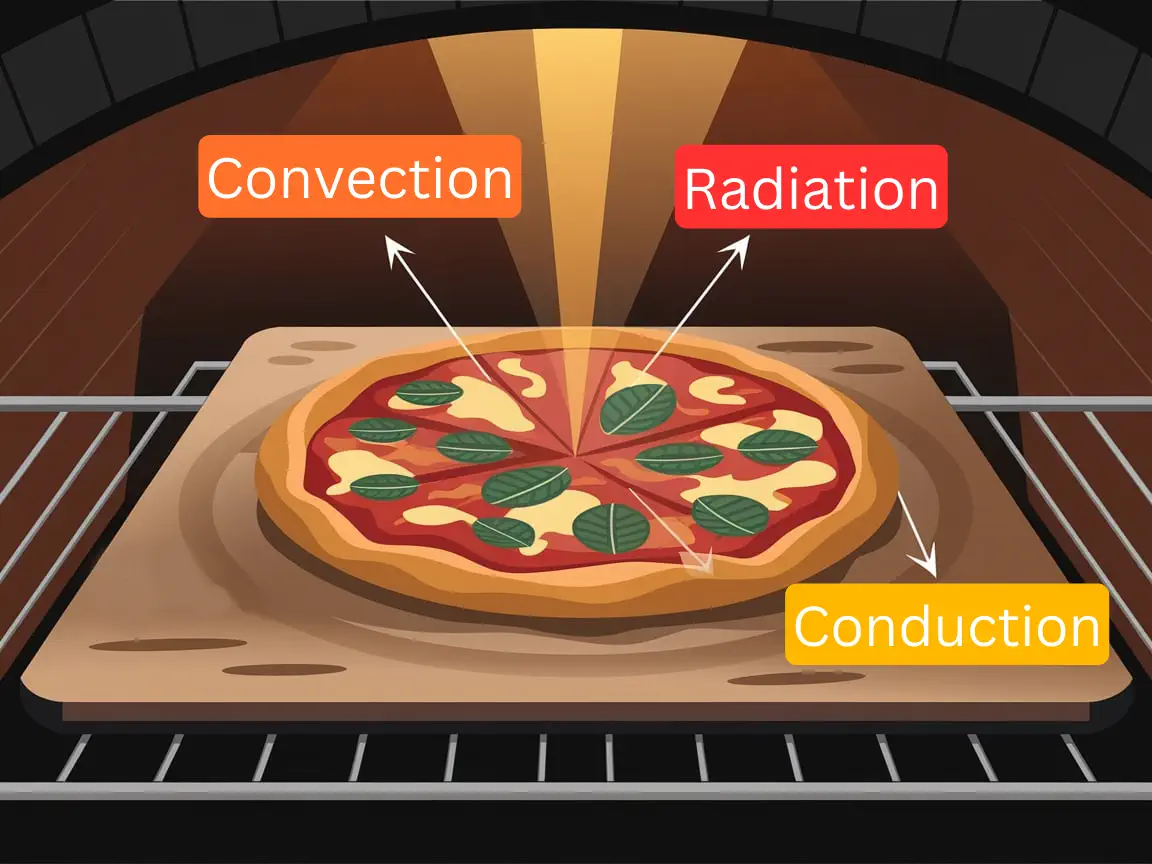
Infrared cooking uses radiation to transfer heat. The heat moves in straight lines to the pizza. It does not heat the air first. This direct transfer cooks the pizza faster.
The infrared waves excite water molecules in the pizza. This action creates heat inside the food. The crust browns quickly, creating a perfect texture. The toppings cook evenly without drying out.
Infrared Vs Traditional Heat
Traditional ovens heat the air inside the oven. This air then cooks the pizza slowly. Infrared heats the pizza directly without heating the air. This difference makes cooking faster.
Infrared heat also uses less energy. It reaches high temperatures quickly. Traditional ovens take longer to reach the same heat level. Infrared ovens help reduce cooking time and energy use.
With infrared, the crust becomes crispier. Traditional heat may cook the crust unevenly. Infrared ovens give better control over cooking results. This control is ideal for making perfect pizza.
Impact On Pizza Texture
Infrared heat changes the texture of pizza in unique ways. It cooks the pizza quickly and evenly. This fast heat impacts the crust, cheese, and toppings. The result is a pizza with a special texture that many enjoy. Understanding these effects helps bakers create better pizza.
Achieving Crispy Crusts
Infrared heat reaches high temperatures fast. This quick heat helps create a crispy crust. The surface dries rapidly, forming a crunch without burning. The crust stays soft inside while crisp outside. This method makes the crust light and airy, not dense. Infrared heat enhances the contrast between crunchy and soft parts.
Effect On Cheese And Toppings
Cheese melts evenly under infrared heat. It forms a smooth, bubbly layer without overcooking. Toppings cook quickly but keep their moisture. Vegetables stay fresh and vibrant, not soggy. Meats get seared, locking in flavor and juices. Infrared heat prevents toppings from becoming dry or burnt.
Optimal Infrared Temperatures
Using the right infrared temperature is key for perfect pizza baking. Infrared heat cooks pizza quickly and evenly. It helps create a crispy crust and melts cheese perfectly. Choosing the optimal temperature ensures the pizza cooks well without burning.
Different infrared temperature levels affect the pizza’s texture and taste. Too low, the pizza stays soggy. Too high, it burns fast outside but stays raw inside. Understanding these temperature ranges leads to better results every time.
Temperature Ranges For Baking
Ideal infrared temperatures for pizza baking usually range from 600°F to 900°F (315°C to 480°C). At this heat, the crust crisps quickly. The cheese melts evenly without burning. High temperatures create the classic Neapolitan-style pizza texture.
For thicker crust pizzas, a slightly lower temperature between 600°F and 700°F works best. This allows heat to reach the center without burning the outside. Thin-crust pizzas do well at higher levels near 900°F for fast, even cooking.
Bacteria Safety And Heat Levels
Proper infrared heat kills bacteria in pizza toppings and dough. Most harmful bacteria die at temperatures above 140°F (60°C). Infrared ovens reach much higher heat, ensuring food safety.
Cooking pizza at the right infrared temperature prevents foodborne illness. It also keeps the pizza fresh and tasty. Always make sure the pizza’s internal temperature reaches at least 165°F (74°C) for safe eating.
Infrared Pizza Oven Features
Infrared pizza ovens use special technology to cook pizzas evenly and quickly. They rely on infrared heat, which penetrates the dough and toppings efficiently. This type of heat helps create a crispy crust and melts cheese perfectly.
The design and safety features of these ovens improve the cooking experience. They focus on heat distribution and user protection. These features make infrared pizza ovens popular among home cooks and professionals.
Designs That Enhance Heat Distribution
Infrared pizza ovens use materials that spread heat evenly across the cooking surface. Ceramic stones and metal plates absorb and radiate heat well. This stops hot spots and ensures every part of the pizza cooks uniformly.
Some ovens include fans to circulate warm air. This helps maintain a steady temperature inside the oven. Consistent heat means the pizza crust cooks without burning, while toppings stay juicy and fresh.
Safety Mechanisms And Precautions
Infrared pizza ovens often include automatic shutoff systems. These turn the oven off if it overheats or runs for too long. This feature prevents accidents and protects the oven from damage.
Many models have heat-resistant handles and insulated exteriors. These reduce the risk of burns while handling the oven. Users should still use oven mitts and keep children away from hot surfaces.
Best Pizza Dough For Infrared Heat
Infrared heat cooks pizza differently than traditional ovens. It delivers intense, direct heat that crisps the crust quickly. The dough needs to handle this rapid cooking without burning or staying raw inside.
Choosing the right dough improves texture and flavor under infrared heat. A balanced hydration and proper thickness help the dough cook evenly. Careful handling and proofing bring out the best in the dough’s rise and chewiness.
Dough Hydration And Thickness
Dough hydration affects how the pizza bakes under infrared heat. A hydration level between 60% and 65% works well. It keeps the dough moist but not too sticky or wet.
Thickness plays a key role in cooking time. Thin dough cooks fast and crisps nicely. Thicker dough needs longer to cook through, which may burn the outside. Aim for a medium thickness, about 1/4 inch.
This balance prevents soggy or burnt crusts and makes slicing easier.
Handling And Proofing Tips
Handle the dough gently to keep its structure intact. Avoid overworking to prevent tough dough. Use light flour dusting to stop sticking during shaping.
Proof the dough at room temperature for 1 to 2 hours. This allows good fermentation and rise. For better flavor, try a cold proof in the fridge overnight.
Proper proofing ensures the dough puffs up well and bakes evenly under infrared heat.
Credit: www.pizzablab.com
Cooking Techniques
Cooking pizza with infrared heat changes how heat moves through the food. It cooks the pizza quickly and evenly. Understanding the right techniques helps you get the best results. Infrared heat can be used in different ways, like grilling or baking. Choosing the correct method affects the pizza’s texture and taste.
Tools like infrared thermometers help control temperature. This control is important for consistent cooking. Let’s look at some cooking techniques using infrared heat on pizza.
Using Infrared Thermometers
Infrared thermometers measure the surface temperature without touching the pizza. This tool gives instant readings and helps avoid burning. Checking the temperature ensures the pizza cooks at the right heat. It saves energy by preventing overheating. You point the device at the pizza or oven surface. The reading shows if the heat is high enough for cooking. This way, you cook the pizza perfectly every time.
Grilling Vs Baking With Infrared
Grilling with infrared heat cooks pizza from the top. It creates a crispy crust and melts cheese quickly. The direct heat adds a smoky flavor. Baking uses infrared heat from all sides. It cooks the dough evenly and softens toppings well. Baking is slower but gives a balanced texture. Grilling is faster and good for thin crusts. Choose grilling for crunch and baking for a tender bite.
Common Challenges
Infrared heat offers unique benefits for baking pizza, but it also brings some challenges. The intense heat can cause issues that affect pizza quality. Understanding these common problems helps achieve better results with infrared ovens. Two main challenges are burnt crusts and uneven cooking. Both require careful attention to heat control and cooking technique.
Preventing Burnt Crusts
Infrared heat cooks very fast, which can burn the crust easily. The direct heat makes the pizza base crisp quickly, but it can become too dark or charred. To prevent burnt crusts, monitor the cooking time closely. Adjust the heat level to avoid overheating the dough. Using a pizza stone or tray can help distribute heat evenly and protect the crust from direct infrared rays. Also, placing the pizza higher in the oven reduces direct heat exposure to the base.
Managing Uneven Cooking
Uneven cooking is a common issue with infrared ovens. Some parts of the pizza may cook faster than others due to hot spots. This causes the toppings or cheese to burn while the dough remains undercooked. Rotating the pizza during baking improves heat distribution. Make sure the pizza is centered in the oven for balanced cooking. Using a thermometer to check temperature consistency helps control heat better. Even cooking results in a well-baked pizza with melted cheese and a golden crust.
Infrared Cooking Safety
Infrared cooking uses heat waves that warm food quickly and evenly. This method does not use open flames, reducing fire risks. The heat is intense but focused, so handling requires care. Understanding safety helps prevent accidents and ensures good cooking results.
Cooktops or ovens with infrared heat get very hot on the surface. This heat can cause burns if touched accidentally. Keeping children and pets away from the cooking area is important. Using the right cookware and following safety tips protects users from harm.
Heat Risks And Precautions
Infrared heat is strong and direct, which can burn skin quickly. Avoid touching the heating element or nearby surfaces while cooking. Use oven mitts or heat-resistant gloves when handling hot items.
Keep flammable materials far from the infrared source. Although there is no open flame, hot surfaces can ignite nearby objects. Do not leave the cooking area unattended during use to prevent accidents.
Safe Cookware Choices
Choose cookware with flat, heavy bottoms for even heat distribution. Stainless steel and cast iron are best for infrared cooking. Avoid thin or warped pans that heat unevenly and can damage the cooktop.
Use cookware that can withstand high temperatures without warping or melting. Avoid plastic or wooden utensils near the heat source to prevent fires. Proper cookware improves cooking and ensures safety.
Foods Beyond Pizza
Infrared heat is not just perfect for cooking pizza. It also works well with many other foods. The intense, even heat helps create crispy crusts and well-cooked toppings. This effect can enhance various dishes beyond pizza. Infrared ovens bring out unique textures and flavors in flatbreads, focaccia, desserts, and snacks.
Flatbreads And Focaccia
Flatbreads and focaccia benefit from infrared heat’s fast cooking. The heat quickly crisps the outside while keeping the inside soft. This method locks in moisture and flavor. The golden crust and airy texture become more pronounced. Infrared cooking also reduces baking time, making these breads ready faster. It is ideal for achieving that perfect homemade bread taste.
Desserts And Snacks
Desserts and snacks cook evenly under infrared heat. Cookies, brownies, and pies develop a crispy top without drying out. The heat ensures a moist and tender inside. Snacks like fries and onion rings get crispy and golden quickly. Infrared ovens maintain consistent heat, preventing uneven cooking. This makes them a great choice for a wide range of sweet and savory treats.

Credit: www.amazon.com
Frequently Asked Questions
What Foods Cook Best With Infrared?
Infrared cooking works best for pizzas, flatbreads, biscuits, cookies, fries, and roasted vegetables. It ensures even, fast heating and crispy results.
How To Use An Infrared Thermometer For A Pizza Oven?
Point the infrared thermometer at the pizza oven floor or walls from a few inches away. Press the trigger to read the surface temperature. Avoid measuring steam or flames for accurate results. Use this temperature to adjust cooking time and ensure the oven reaches the ideal pizza-baking heat.
Is Infrared Heat Safe For Cooking?
Yes, infrared heat is safe for cooking. It uses low-energy light waves, heats food quickly, and reduces fire risks. Use proper cookware and handle hot surfaces carefully.
What Temperature Kills Bacteria In Pizza?
Heating pizza to an internal temperature of 165°F (74°C) kills harmful bacteria effectively. Always use a food thermometer to check.
Conclusion
Infrared heat changes how pizza cooks and tastes. It cooks pizza quickly and evenly. The crust becomes crispy while the cheese melts perfectly. Infrared ovens keep the pizza moist inside without drying it out. This method saves energy and reduces cooking time.
Using infrared heat can improve homemade and restaurant pizzas alike. Understanding this heat type helps you bake better pizza at home. Experimenting with infrared heat offers tasty results and fun cooking experiences.

As the author of the “Ultimate Pizza Guide: Recipes, Tips & Secrets Revealed,” I’m dedicated to sharing my love for pizza and empowering others to create delicious homemade pizzas with ease. Join me on a journey to uncover the secrets to perfecting your pizza game!


