
Are you wondering if sourdough pizza is actually healthier than the regular kind you usually enjoy? You’re not alone.
Many people are curious about whether swapping to a sourdough crust can make a real difference for your health. After all, pizza is a favorite comfort food, but we all want to make smarter choices without giving up taste. You’ll discover what sets sourdough pizza apart, how it can affect your digestion and blood sugar, and whether it’s the better option for you.
Keep reading to find out if sourdough pizza deserves a spot in your next meal—and why it might just satisfy both your cravings and your wellness goals.
Credit: mypizzacorner.com
Sourdough Vs Regular Pizza
Sourdough pizza is gaining popularity among food lovers. Many ask if it is healthier than regular pizza. The main difference lies in the dough. Sourdough uses natural fermentation, while regular pizza often uses commercial yeast. This change affects the taste, texture, and nutrition of the pizza.
Understanding these differences helps you make better choices for your diet. Below, we explore key points that set sourdough pizza apart from regular pizza.
Differences In Dough Fermentation
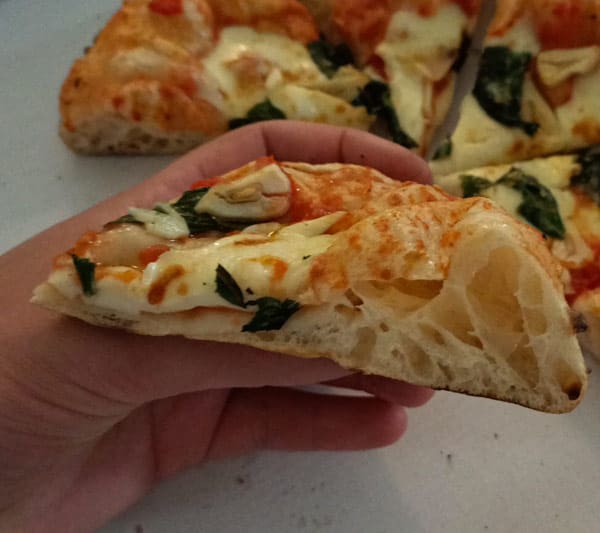
Sourdough dough ferments slowly using wild yeast and lactic acid bacteria. This natural process takes hours or even days. It creates a tangy flavor and chewy texture. Regular pizza dough uses fast-acting commercial yeast. It rises quickly, often within an hour.
The slow fermentation in sourdough breaks down some gluten and starches. This can make it easier to digest. Regular dough does not undergo this process, so it may be harder on the stomach for some people.
Impact On Nutritional Profile
Sourdough fermentation changes the dough’s nutrients. It increases the availability of minerals like magnesium and zinc. These minerals are important for the body’s functions. The fermentation also lowers the dough’s glycemic index. This means sourdough pizza may cause smaller blood sugar spikes.
Regular pizza dough often has a higher glycemic index. It can cause quicker rises in blood sugar. Sourdough may also have more probiotics due to the fermentation. These good bacteria support gut health. Regular pizza lacks this benefit since it uses commercial yeast.
Credit: littlespoonfarm.com
Health Benefits Of Sourdough Pizza
Sourdough pizza offers more than just a unique tangy flavor. It carries several health benefits compared to regular pizza. The natural fermentation process improves its nutritional profile. This makes sourdough pizza a smarter choice for many people.
Understanding these benefits helps you make better food choices. Here are some key health advantages of sourdough pizza.
Blood Sugar Regulation
Sourdough fermentation lowers the pizza’s glycemic index. This means it causes a slower rise in blood sugar levels. People with diabetes or insulin resistance may find it easier to manage blood sugar after eating sourdough pizza. The natural acids and bacteria in sourdough slow carbohydrate digestion.
Improved Digestibility
The fermentation breaks down gluten and other proteins in the dough. This makes sourdough pizza easier to digest. It may reduce bloating and discomfort for some people. The good bacteria in sourdough can also support gut health. This helps with nutrient absorption and overall digestion.
Lower Sodium Content
Sourdough pizza dough often contains less salt than traditional dough. Lower sodium intake supports healthy blood pressure. It also reduces the risk of heart disease. Choosing sourdough pizza can help you control salt levels in your diet. This is important for maintaining long-term health.
Nutrient Content Comparison
Comparing the nutrient content of sourdough pizza to regular pizza helps understand its health benefits. Sourdough fermentation changes the dough’s makeup. This process can affect fiber, protein, vitamins, and minerals. These nutrients play important roles in overall health. Let’s examine the differences in detail.
Fiber And Protein Levels
Sourdough pizza dough typically contains more fiber than regular dough. The natural fermentation breaks down some starches, making fiber more available. This helps support digestion and keeps you feeling full longer.
Protein content may also be higher in sourdough pizza. Fermentation can increase the availability of protein from the flour. More protein supports muscle repair and helps maintain energy throughout the day.
Vitamins And Minerals
Sourdough fermentation can boost certain vitamins in the dough. B vitamins, such as folate and niacin, often increase during fermentation. These vitamins help with energy production and brain function.
Minerals like magnesium, iron, and zinc may become easier to absorb in sourdough dough. The fermentation process reduces compounds that block mineral absorption. This makes sourdough pizza a potentially better source of essential minerals.
Sourdough’s Effect On Gut Health
Sourdough pizza offers more than just unique taste and texture. Its fermentation process affects gut health positively. The natural fermentation changes the dough’s structure and nutrients. This can impact digestion and gut bacteria in several ways.
Understanding sourdough’s effect on gut health helps in choosing better pizza options. It is important to explore its probiotic potential and influence on the gut microbiome.
Probiotic Potential
Sourdough fermentation involves wild yeast and lactic acid bacteria. These bacteria produce acids that preserve the dough and add flavor. Some of these bacteria act like probiotics. Probiotics are good microbes that support digestive health.
Eating sourdough pizza means you may consume some of these beneficial bacteria. They can help balance gut flora and improve digestion. This is different from regular pizza dough made with commercial yeast only.
Influence On Gut Microbiome
The gut microbiome is the community of microbes living in the intestines. Sourdough’s fermentation changes the dough’s chemical makeup. It lowers phytic acid, which blocks nutrient absorption. This makes minerals more available for the body.
Sourdough may promote growth of healthy gut bacteria. These bacteria aid nutrient absorption and support immune function. Eating sourdough pizza might help maintain a diverse and balanced microbiome. This can lead to better gut health and overall wellness.
Sourdough Pizza And Weight Management
Sourdough pizza may influence weight management differently than regular pizza. Its unique fermentation process changes how your body reacts to the dough. This can affect feelings of fullness and calorie absorption, which are key to managing weight.
Understanding these effects helps you make smarter food choices. Let’s explore how sourdough pizza supports satiety and calorie use in your body.
Satiety And Fullness
Sourdough pizza can make you feel full faster. The fermentation creates acids and fibers that slow digestion. This means the stomach empties more slowly, keeping hunger away longer.
Eating less often helps control calorie intake. Feeling satisfied reduces the chance of snacking on unhealthy foods. This can support weight management by lowering overall calories eaten.
Calorie Absorption Differences
The natural fermentation in sourdough changes the dough’s structure. It breaks down some starches, which can reduce calorie absorption. Your body might get fewer calories from the same amount of food.
This effect helps in managing weight by lowering energy intake. It also improves gut health, which plays a role in metabolism. Choosing sourdough pizza could be a better option for those watching their calorie intake.
Traditional Italian Pizza And Sourdough
Traditional Italian pizza has a rich history rooted in simple, natural ingredients. The dough forms the base of this beloved dish. Many Italian bakers use sourdough or natural leavening methods to make their pizza dough. This approach enhances flavor and digestibility. Sourdough pizza reflects a connection to old baking traditions and regional yeast cultures across Italy.
Neapolitan Sourdough Practices
Neapolitan pizza is famous for its soft, chewy crust and fresh toppings. Bakers in Naples often use sourdough starters instead of commercial yeast. This starter is a mix of wild yeasts and bacteria collected from the environment. It ferments slowly, giving the dough a complex taste and better texture. The slow fermentation also breaks down gluten, making the pizza easier to digest.
Neapolitan sourdough pizza follows strict rules for ingredients and baking. The dough is made with flour, water, salt, and natural starter only. It is hand-kneaded and left to rise for hours. The pizza is cooked quickly in a very hot wood-fired oven. This method preserves the dough’s natural flavors and nutrients.
Yeast Variations In Italy
Italy has diverse yeast traditions that vary by region. Some areas rely on sourdough starters, while others use fresh or dry yeast. Each type of yeast brings unique qualities to the pizza dough. Fresh yeast produces a lighter, softer crust. Dry yeast offers convenience and a more consistent rise. Wild yeast, found in sourdough, adds depth and a slight tang to the flavor.
The choice of yeast affects the pizza’s health benefits. Sourdough’s natural fermentation can reduce phytic acid and increase nutrient absorption. This makes sourdough pizza a good option for those seeking better digestion and balanced blood sugar. Regional yeast practices show how Italians blend tradition and taste in their pizza making.
Alternative Healthy Pizza Crusts
Alternative healthy pizza crusts offer great ways to enjoy pizza without guilt. Many options use different ingredients to boost nutrition. These crusts often add fiber, protein, and vitamins. They also suit various diets, including gluten-free and low-carb. Exploring these choices can make pizza nights healthier and tastier.
Cauliflower Crust Benefits
Cauliflower crusts are low in carbs and calories. They provide fiber and vitamin C. This crust is gluten-free and light on the stomach. It helps increase vegetable intake in your diet. Cauliflower crusts can be crispy and flavorful too.
Chickpea And Almond Flour Options
Chickpea flour adds protein and fiber to crusts. Almond flour is rich in healthy fats and vitamin E. Both flours create gluten-free, nutrient-dense bases. These crusts often keep you full longer. They have a nutty taste that pairs well with toppings.
Whole Grain And Sprouted Crusts
Whole grain crusts contain more fiber than white flour. Sprouted grains improve digestion and nutrient absorption. These crusts offer steady energy release and better blood sugar control. They also support heart health. Whole grain and sprouted crusts keep pizza wholesome.
Vegetable-based Crust Choices
Vegetable crusts can include zucchini, sweet potato, or spinach. They add vitamins, minerals, and antioxidants. These crusts are lower in calories than traditional dough. They help increase daily vegetable servings easily. Vegetable-based crusts bring color and nutrition to pizza.
Choosing The Best Crust For Your Diet
Choosing the best crust for your diet is key to enjoying pizza without guilt. Different crusts offer various benefits depending on your health goals. Understanding these options helps you pick a crust that fits your lifestyle and nutritional needs.
Low-carb Needs
For those watching their carb intake, traditional pizza crusts can be a challenge. Low-carb crusts made from almond flour or cauliflower are good alternatives. They reduce carbs but still provide a satisfying base. These options help maintain energy levels without spiking blood sugar.
Gluten-free Options
Gluten-free crusts are essential for people with celiac disease or gluten sensitivity. These crusts use ingredients like rice flour, tapioca, or chickpea flour. They prevent digestive issues and inflammation. Choosing gluten-free crusts supports better gut health and comfort.
Fiber And Protein Focus
Crusts high in fiber and protein keep you full longer. Whole grain or sourdough crusts are great choices here. They aid digestion and provide steady energy. Adding seeds or legumes into the dough increases these nutrients even more.
Credit: www.abeautifulplate.com
Frequently Asked Questions
Is Sourdough Pizza Healthier Than Normal Pizza?
Sourdough pizza often digests easier and may help regulate blood sugar better than regular pizza. It contains fewer preservatives and may support gut health. However, overall health depends on toppings and portion size. Choose whole ingredients for the healthiest option.
What Type Of Pizza Is The Healthiest?
The healthiest pizza features a thin crust made from whole grains, sourdough, or vegetable flours like cauliflower or chickpea. Choose toppings rich in vegetables and lean proteins. Avoid heavy cheese and processed meats to keep calories and fat low.
Do Italians Use Sourdough For Pizza?
Italians often use naturally leavened dough similar to sourdough for traditional pizzas like Neapolitan. Not all pizzas use sourdough, as some rely on commercial yeast. Sourdough is one of several methods Italians use to prepare pizza dough.
What Is The Healthiest Dough For Pizza?
The healthiest pizza doughs include cauliflower, chickpea, almond, and whole-grain or sprouted flours. These options offer more fiber, protein, vitamins, and lower carbs than traditional white flour crusts. Choose based on your dietary needs for a nutrient-rich, lower-refined-carb pizza base.
Conclusion
Sourdough pizza offers some health benefits over regular pizza. It may help control blood sugar and improve digestion. The natural fermentation process adds nutrients and reduces harmful compounds. Still, toppings and portion size affect overall health the most. Choose fresh ingredients and eat in moderation for best results.
Enjoying sourdough pizza can be a tasty and smarter choice.

As the author of the “Ultimate Pizza Guide: Recipes, Tips & Secrets Revealed,” I’m dedicated to sharing my love for pizza and empowering others to create delicious homemade pizzas with ease. Join me on a journey to uncover the secrets to perfecting your pizza game!