“Pizza Dough Extensibility Tips”
If you’ve ever struggled with pizza dough that snaps back or tears while stretching, you’re not alone. Getting that perfect, pliable dough can feel like a tricky art.
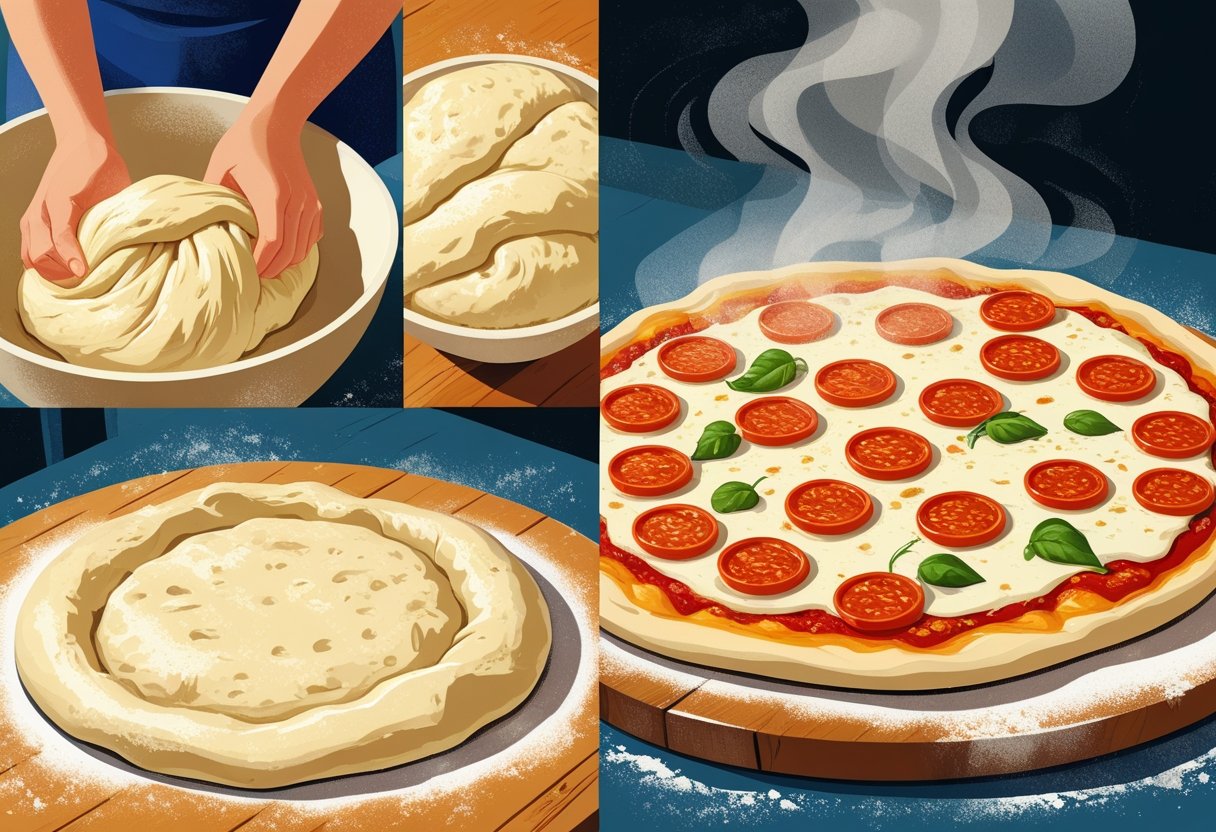
But what if you could learn simple, effective tips to make your dough stretch effortlessly every time? Imagine pulling your pizza base thin without any resistance, creating the perfect canvas for your favorite toppings. You’ll discover practical tricks to improve your pizza dough’s extensibility—making it softer, more flexible, and easier to handle.
Stick around, because these tips will change the way you stretch your dough and help you bake delicious, restaurant-quality pizza right at home.
Credit: www.prepapizza.com
Dough Ingredients For Flexibility
Creating flexible pizza dough starts with choosing the right ingredients. Each ingredient affects how soft and stretchable the dough becomes. Understanding these choices can help you make dough that stretches easily without tearing. Focus on fats, dairy additions, and flour types for better extensibility.
Adding Fats For Softness
Fats like olive oil or vegetable oil make dough softer. They coat gluten strands, reducing toughness. This makes dough easier to stretch and less likely to snap back. Even a small amount can improve dough texture and flexibility significantly.
Incorporating Yogurt
Yogurt adds moisture and tenderizes the dough. It breaks down some gluten, creating a softer feel. The natural acidity in yogurt helps relax the dough, making it more pliable. Use plain yogurt for best results and mix it gently into your dough.
Choosing High-gluten Flour
High-gluten flour contains more protein, which strengthens dough elasticity. This type of flour supports good stretch without tearing. It allows the dough to hold shape while being flexible. For a chewy crust and easy stretching, pick flour labeled “bread flour” or “high-gluten.”
Fermentation Techniques
Fermentation plays a key role in pizza dough extensibility. It affects dough texture, flavor, and stretchability. Proper fermentation relaxes gluten strands, making the dough easier to stretch without tearing. The process also develops the dough’s taste and aroma. Understanding fermentation techniques helps create the perfect dough for your pizza.
Long Cold Fermentation Benefits
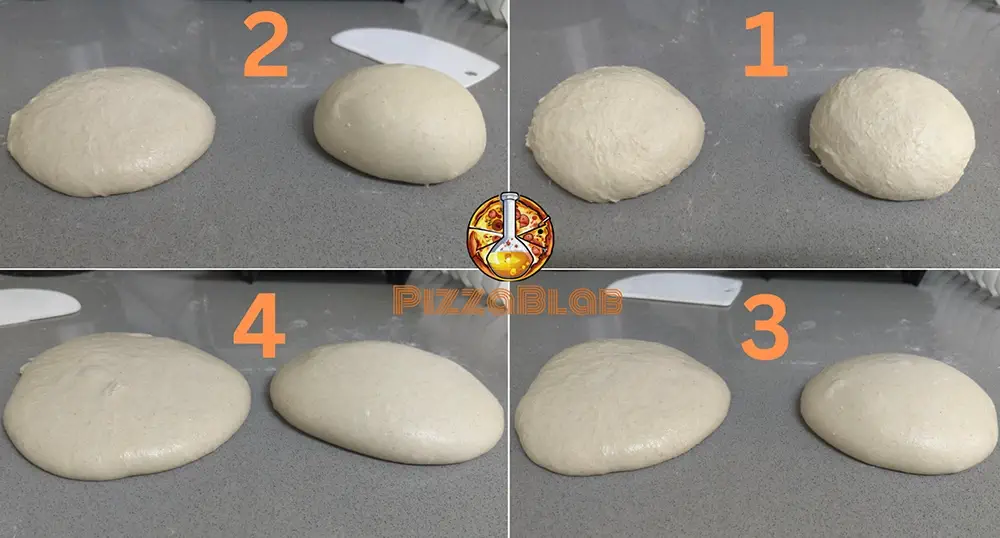
Cold fermentation slows yeast activity. This allows gluten to rest and develop gradually. The dough becomes more elastic and less likely to snap back. Flavor improves as natural sugars and acids form over time. Dough texture turns smoother and easier to handle. Cold fermentation usually lasts 24 to 72 hours in the fridge. It is ideal for enhancing dough extensibility and taste.
Signs You Need More Fermentation
If dough feels tough or springs back after stretching, it needs more time. Dough that resists stretching often has tight gluten strands. It may tear or shrink while shaping. A lack of fermentation time results in bland flavor and poor texture. Letting dough ferment longer allows gluten to relax fully. This makes stretching easier and prevents dough from snapping back.
Preparing Dough For Stretching
Preparing pizza dough for stretching is a key step for a smooth, elastic crust. Proper preparation helps the dough stretch easily without tearing. It also improves the dough’s texture and flavor. Understanding how to handle the dough before stretching can save frustration and lead to better pizza results.
Warming Dough To Room Temperature
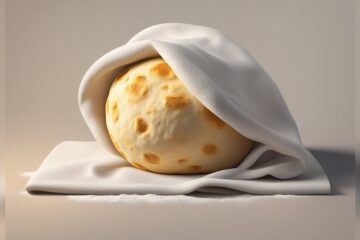
Cold dough is stiff and hard to stretch. Take the dough out of the fridge at least one hour before stretching. Let it sit covered on the counter. The dough will warm up and become soft. Warmer dough relaxes the gluten strands. This makes the dough more flexible and easier to shape.
Resting Times Before Stretching
Resting the dough after warming is important. Let the dough rest for 20 to 30 minutes before stretching. Cover it with a clean cloth to keep moisture in. Resting lets the gluten relax fully. This reduces resistance and prevents the dough from shrinking back. If the dough feels tight, give it more rest time.

Credit: www.prepapizza.com
Stretching Methods And Tips
Stretching pizza dough is an important step to create the perfect crust. The method you choose affects the dough’s extensibility and final texture. Gentle techniques and simple tools help achieve a thin, even base without tearing. Small adjustments improve dough handling and make stretching easier.
Gentle Handling Techniques
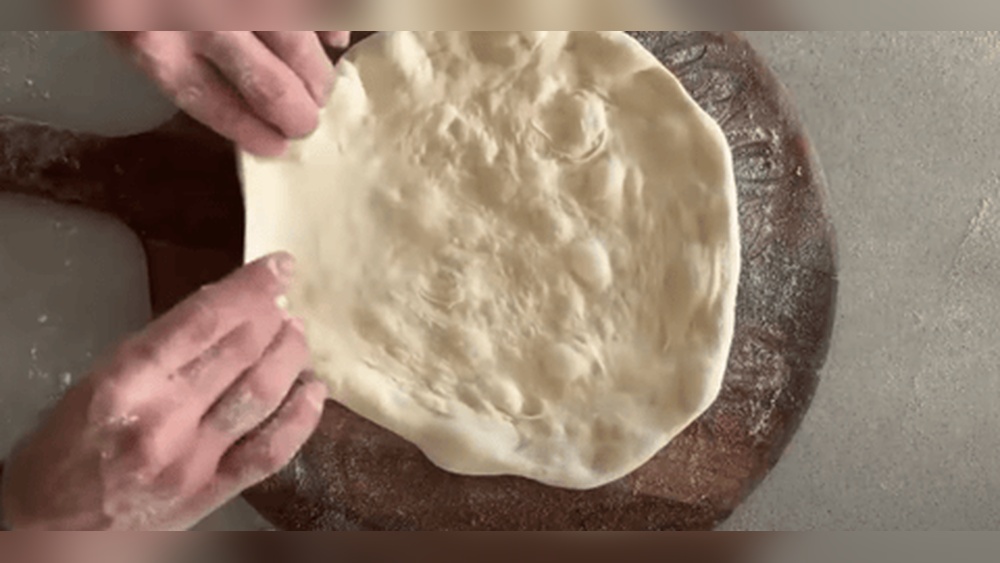
Handle the dough softly to protect its structure. Press the dough gently with your fingers instead of using force. Avoid pressing too hard to keep air bubbles intact. Use your knuckles to stretch the dough slowly and evenly. Let the dough rest a few minutes if it feels tight. This helps relax the gluten and prevents shrinkage.
Using Olive Oil For Ease
Apply olive oil to your hands and the dough surface. Oil reduces sticking and allows the dough to glide smoothly. It also adds moisture, making the dough easier to stretch. Lightly coat the dough edges to keep them soft and flexible. Olive oil helps maintain the dough’s extensibility during stretching and baking.
Hand Stretching Vs Gravity Stretching
Hand stretching gives more control over thickness and shape. It works well on a flat surface or your palms. Gravity stretching lets the dough hang naturally, using its own weight to stretch. This method is gentle and reduces the risk of tearing. Both methods can produce great results depending on your dough’s strength and size.
Troubleshooting Stretching Issues
Stretching pizza dough can sometimes be tricky. Problems like the dough springing back or tearing can slow down your pizza-making process. Understanding why these issues happen helps you fix them quickly. Below are simple tips to solve common stretching problems and get smooth, even dough every time.
Dealing With Dough That Springs Back
Dough that springs back means gluten is too tight. This happens when the dough is too cold or not rested enough. Let the dough rest at room temperature for 20 to 30 minutes before stretching. This relaxes the gluten and makes stretching easier.
Using olive oil in the dough can also help. The oil lubricates gluten strands, reducing elasticity. Avoid pulling the dough too hard or fast. Stretch gently and slowly to prevent it from snapping back.
Preventing Tears And Rips
Tears happen when the dough is too thin or dry. Keep your hands and work surface lightly oiled to avoid sticking. This lets the dough glide smoothly without tearing.
Make sure the dough has enough moisture. Adding a small amount of yogurt or olive oil during mixing improves softness and flexibility. Stretch the dough evenly, starting from the center and moving outward.
If the dough tears, patch it gently with a small piece of dough. Press the edges together to seal. Rest the dough more if it rips often. This gives gluten time to strengthen and become more elastic.
Credit: www.pizzablab.com
Frequently Asked Questions
What Is The 55 Rule For Pizza Dough?
The 55 rule for pizza dough means using 55% hydration—55 grams of water per 100 grams of flour—for ideal stretchiness and texture.
How To Make Pizza Dough More Pliable?
Relax pizza dough by resting it at room temperature. Add olive oil or yogurt for softness. Warm dough before stretching and handle gently with oiled hands. Longer fermentation enhances gluten flexibility, making dough easier to stretch without tearing.
How Long Should Pizza Dough Rest Before Being Stretched?
Let pizza dough rest for 30 minutes to 2 hours at room temperature before stretching. This relaxes gluten and improves stretchability.
Is It Better To Stretch Pizza Dough Warm Or Cold?
Stretch pizza dough warm to relax gluten and increase pliability. Cold dough is stiff and harder to stretch. Let dough rest at room temperature before stretching for best results.
Conclusion
Perfect pizza dough stretch takes patience and simple care. Let the dough rest and warm up before stretching. Adding a bit of oil or yogurt helps make it soft and flexible. Stretch gently with your hands, using oil to prevent sticking.
If dough feels tough, give it more time to ferment. These easy steps help you create smooth, stretchy dough every time. Enjoy making delicious pizza with confidence and ease. Keep practicing, and your dough will improve with each try.

As the author of the “Ultimate Pizza Guide: Recipes, Tips & Secrets Revealed,” I’m dedicated to sharing my love for pizza and empowering others to create delicious homemade pizzas with ease. Join me on a journey to uncover the secrets to perfecting your pizza game!