“Pizza Oven Temperature Guide”
Are you ready to unlock the secret to baking the perfect pizza right in your own oven? Whether you’re aiming for a crispy New York slice, a fluffy Neapolitan, or a hearty Chicago deep-dish, the right oven temperature is the key to getting it just right.
But how hot should your pizza oven really be? Too low, and your crust might turn soggy; too high, and your toppings could burn before the dough is cooked through. In this Pizza Oven Temperature Guide, you’ll discover exactly what temperatures work best for different pizza styles, how to adjust for your toppings, and expert tips to ensure every pie you bake is mouthwateringly delicious.
Keep reading, and you’ll soon be tossing out perfect pizzas that impress everyone at the table.

Credit: grillscapes.com
Ideal Temperatures For Pizza Ovens
Knowing the ideal temperatures for pizza ovens makes a big difference in pizza quality. Each temperature affects cooking speed, crust texture, and flavor. This guide helps you find the right heat for your preferred pizza style. It also explains how heat changes the pizza’s crust and toppings.
High Heat Benefits
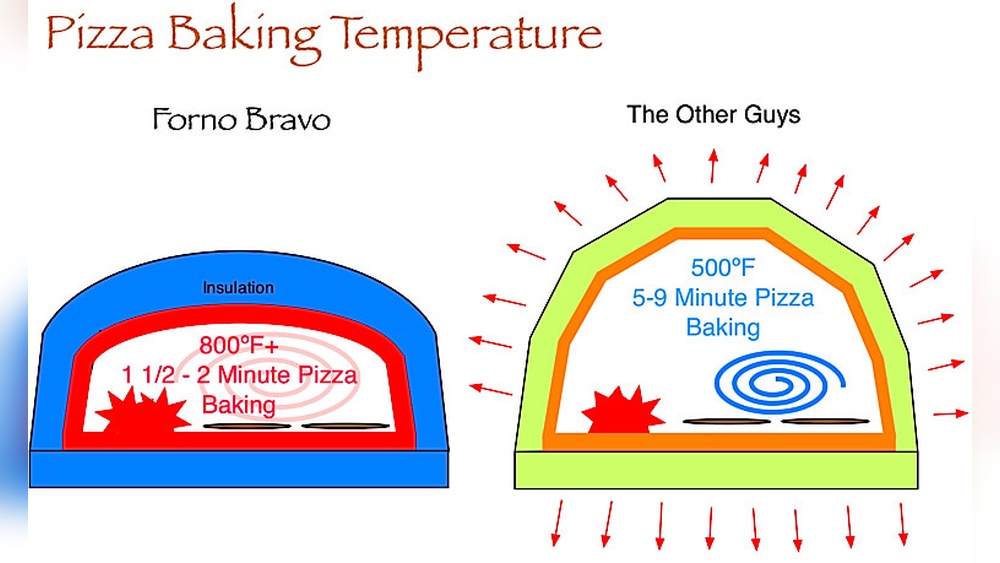
High heat cooks pizza quickly. It creates a crispy crust with a chewy inside. The intense heat helps toppings cook evenly without drying out. Traditional wood-fired ovens reach very high temperatures. This heat locks in flavor and keeps the pizza moist. A hot oven also forms nice charred spots on the crust. These spots add smoky flavor and texture.
Temperature Ranges For Styles
Different pizza styles need different temperatures. Neapolitan pizzas bake best between 800°F and 900°F. This high heat cooks pizzas in 60 to 90 seconds. New York style pizzas use lower heat, around 500°F to 600°F. They take 10 to 15 minutes to bake fully. Chicago deep-dish pizzas need even lower heat, around 425°F to 475°F. They bake slowly to cook thick crust and dense toppings.
Impact On Crust And Texture
Heat level changes the crust’s texture and taste. High temperatures create a light, airy crust with crisp edges. Lower temperatures produce a denser, chewier crust. Too much heat can burn toppings before the crust cooks. Too little heat can make the crust soggy or tough. Correct oven temperature balances a golden crust and perfectly melted cheese.
Credit: www.patioandpizza.com
Temperature By Pizza Style
Different pizza styles require different oven temperatures for the best results. Each style has unique dough thickness, toppings, and cooking times. Adjusting the temperature helps achieve the perfect crust and flavor for every type.
Neapolitan Pizza
Neapolitan pizza needs very high heat. The ideal oven temperature is around 800°F to 900°F (425°C to 485°C). This heat cooks the pizza quickly, usually in 60 to 90 seconds. The crust puffs up with air bubbles and chars slightly. This style uses simple toppings and a soft, chewy base.
New York Style
New York style pizza cooks at a lower temperature than Neapolitan. Aim for 500°F to 600°F (260°C to 315°C). The crust is thinner but sturdier to hold more toppings. Baking takes about 7 to 10 minutes. This temperature gives a crispy bottom and slightly chewy crust.
Chicago Deep-dish
Chicago deep-dish pizza requires a moderate oven temperature. Set it between 425°F and 475°F (220°C to 245°C). This pizza has a thick crust and many toppings. It needs longer cooking time, usually 25 to 30 minutes, to cook through without burning.
Other Popular Styles
Other pizzas like Sicilian or California style have varied temperatures. Sicilian pizza cooks well at 450°F (230°C) for a thick, airy crust. California style often bakes at 500°F (260°C) for a balanced crispy and soft texture. Adjust heat based on dough thickness and topping weight.
Essential Tools For Temperature Control
Controlling the temperature inside your pizza oven is key to baking perfect pizzas. Using the right tools helps maintain steady heat for even cooking. Proper temperature control prevents burning and ensures the crust cooks well. These essential tools guide you to manage heat effectively.
Using An Infrared Thermometer
An infrared thermometer measures the surface temperature without contact. Point it at your pizza stone or oven walls to get quick readings. This tool helps you avoid guesswork and ensures the oven is hot enough. It is simple, fast, and very accurate.
Monitoring Stone And Oven Heat
The pizza stone absorbs and radiates heat evenly to the dough. Use a thermometer to check the stone’s temperature, aiming for about 700°F (370°C) for Neapolitan-style pizza. Monitor the oven air temperature too, since it affects cooking speed. Keeping both steady gives you consistent results.
Adjusting For Toppings And Dough
Thicker dough or heavy toppings need lower heat to cook through without burning. Lighter toppings and thin crusts cook best at higher temperatures. Adjust the oven heat based on your pizza type. Watch the pizza closely and tweak the temperature as needed.
Outdoor Pizza Oven Tips
Cooking pizza outdoors is a rewarding experience. Your pizza oven’s temperature control greatly affects the final taste and texture. Proper heat management ensures the crust is crispy and toppings are perfectly cooked. Follow these outdoor pizza oven tips to improve your pizza-making skills and enjoy delicious results every time.
Preheating Strategies
Preheating your pizza oven is key. Start heating the oven at least 45 minutes before cooking. Use a thermometer to check the stone’s temperature. Aim for 700°F (370°C) for traditional pizzas. Keep the door closed during preheating to retain heat. This helps the stone cook the pizza evenly from the bottom.
Managing Heat With Wood And Gas
Wood-fired ovens add flavor but need attention. Place wood on one side to create a hot zone and a cooler zone. Add small pieces of wood gradually to keep steady heat. For gas ovens, adjust the flame to control temperature. Use low flames for slow cooking and high flames for fast cooking. Monitor the oven temperature often.
Cooking Techniques For Even Results
Rotate your pizza regularly to avoid burning. Use a pizza peel to turn the pizza every 30 seconds. Move the pizza closer to or farther from the fire to control cooking speed. Watch the crust and toppings carefully. Remove the pizza when the cheese is bubbly and the crust is golden brown.
Home Oven Pizza Temperature Hacks
Cooking pizza at home can be tricky without the right temperature. Many ovens don’t reach the high heat of professional pizza ovens. These temperature hacks help you get a crispy crust and perfectly melted cheese using your home oven.
Using Pizza Stones And Baking Steels
Pizza stones and baking steels absorb and hold heat well. Place one on the middle rack and preheat the oven for at least 45 minutes. This creates a hot surface that cooks the pizza base evenly and crisply. Baking steels heat faster than stones and give a nice char to the crust. Both tools improve heat retention and reduce soggy bottoms.
Convection Vs Conventional Settings
Convection ovens use a fan to circulate hot air. This helps cook pizza faster and more evenly. Lower the temperature by 25°F compared to conventional baking. Conventional ovens cook with still air, so use a higher temperature. Turn on the convection fan only if your oven allows it. This setting is great for thin crust pizzas.
Adapting Temperatures For Frozen Pizzas
Frozen pizzas need a slightly lower temperature to cook through without burning. Set your oven to 425°F (220°C) instead of the usual 450-500°F. Place the pizza on a preheated stone or steel for better heat distribution. Watch the pizza closely after 10 minutes to avoid overcooking. Frozen toppings can release moisture, so a lower heat helps keep the crust crisp.

Credit: cruovens.com
Timing Guidelines For Perfect Pizza
Timing is key to baking the perfect pizza in your oven. Each temperature requires a specific cooking time for the crust and toppings to cook evenly. Knowing the right timing helps avoid burnt edges or underdone dough. The guide below provides clear timing rules and tips.
Cooking Times By Temperature
At 700°F (370°C), cook pizza for 90 seconds to 2 minutes. This high heat suits Neapolitan-style pizza, creating a soft, airy crust with charred spots.
At 500°F (260°C), bake for 7 to 10 minutes. This temperature works well for New York-style pizzas with a crispier crust and more toppings.
At 425°F (220°C), cook for 12 to 15 minutes. This is best for deep-dish or thicker pizzas, allowing toppings and crust to cook through slowly.
Signs Of Doneness
Look for golden-brown crust edges that feel firm but not hard. The cheese should be fully melted and bubbling.
The bottom of the pizza should be crisp and slightly browned. Lift the pizza gently to check the crust’s color.
A good smell of toasted dough and cooked toppings signals readiness. Avoid doughy or wet spots on the crust.
Troubleshooting Undercooked Or Overcooked Pizza
If the crust is pale and soft, increase cooking time or temperature slightly. Ensure the oven is fully preheated before baking.
For burnt crust or toppings, reduce heat or shorten cooking time. Place the pizza higher in the oven to avoid direct heat.
If toppings cook too fast but crust stays raw, try pre-baking the crust for a few minutes before adding toppings.
Common Mistakes And How To Avoid Them
Many pizza lovers face common issues with pizza oven temperatures. These problems affect pizza quality and cooking time. Understanding these mistakes helps improve your baking experience. Avoiding them ensures better, more consistent pizzas every time.
Overheating Issues
Overheating your pizza oven can burn the crust quickly. It also risks undercooking the toppings inside. Keep the oven temperature controlled and steady. Use a reliable thermometer to check heat levels often. Avoid leaving the oven empty for too long at high heat. This can cause the stone to crack or become too hot.
Inconsistent Oven Temperatures
Fluctuating temperatures lead to uneven cooking. One part of the pizza may burn while another stays raw. This happens when the oven is opened too often. Heat escapes, causing temperature drops. Preheat your oven well before cooking. Limit opening the door during baking to keep heat stable.
Incorrect Placement Of Pizza
Placing the pizza too close to the heat source causes burning. Too far away results in a soggy crust and slow cooking. Find the right position inside your oven. Usually, the center or slightly off-center works best. Rotate the pizza halfway through cooking for even heat. This placement ensures a crispy crust and perfectly melted cheese.
Advanced Tips For Pizza Perfection
Perfecting pizza takes more than just setting the right oven temperature. Advanced techniques help achieve an ideal crust and balanced toppings. Small adjustments can make a big difference in taste and texture. Understanding dough types, topping layers, and heat management leads to better results every time.
Adjusting For Dough Variations
Different doughs need different temperatures and baking times. Thin crusts cook faster at higher heat. Thick or stuffed doughs require lower heat and longer baking. Check dough elasticity and moisture to decide the best temperature. Keep notes on what works for each recipe.
Layering Toppings For Even Cooking
Place toppings thoughtfully to avoid soggy or burnt spots. Start with a thin layer of sauce to prevent wet dough. Add cheese next for even melting. Finish with heavier or moisture-rich toppings like vegetables or meats. This order helps toppings cook evenly and keeps the crust crisp.
Using Residual Heat For Finishing Touches
Turn off the oven a few minutes before the end of baking. Use the leftover heat to gently melt cheese and crisp edges. This method avoids overcooking and burning. It works well for delicate toppings and gives a perfect finish to your pizza.
Frequently Asked Questions
What Temperature Do You Cook Pizza In A Pizza Oven?
Cook pizza in a pizza oven at 700°F to 900°F for Neapolitan style. Adjust to 500°F-600°F for thicker crusts. High heat ensures a crispy crust and bubbly cheese. Use an infrared thermometer to check stone temperature for best results.
Should Pizza Be At 375 Or 400?
Bake pizza at 400°F for a crisp crust and bubbly cheese. Use 375°F for thicker, softer crusts. Adjust based on toppings and oven type.
How Long To Cook Pizza At 450 In The Oven?
Cook pizza at 450°F for 12 to 15 minutes. Use a preheated pizza stone for crisp crust. Check when cheese bubbles and crust turns golden brown.
Can I Cook A Pizza At 425 Instead Of 400?
Yes, you can cook pizza at 425°F instead of 400°F. It cooks faster and may crisp the crust more. Watch closely to avoid burning. Adjust baking time accordingly, typically reducing it by a few minutes for best results.
Conclusion
Cooking pizza at the right temperature makes all the difference. High heat creates a crispy crust and perfectly melted cheese. Different pizza styles need different oven settings. Use a thermometer to check your oven’s temperature. Adjust heat based on toppings for even cooking.
Keep an eye on your pizza to avoid burning. With practice, your pizza will taste better every time. Enjoy making delicious pizzas right at home!

As the author of the “Ultimate Pizza Guide: Recipes, Tips & Secrets Revealed,” I’m dedicated to sharing my love for pizza and empowering others to create delicious homemade pizzas with ease. Join me on a journey to uncover the secrets to perfecting your pizza game!


