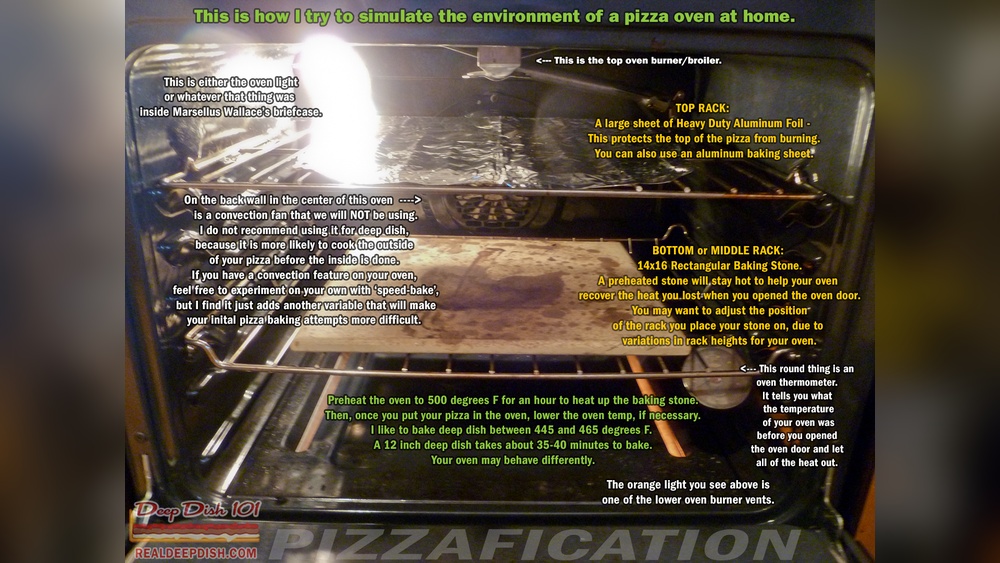
“Home Oven Rack Position for Pizza”
You love pizza, but does your homemade pie come out perfectly crispy or a bit soggy? The secret isn’t just the dough or toppings—it’s where you place your oven rack.
The right rack position can make all the difference between a golden, crispy crust and a disappointing bake. When you know how to position your pizza in your home oven, you unlock the full flavor and texture your pizza deserves.
Curious to find out exactly where to put your pizza for that ideal bake? Keep reading, and you’ll never look at your oven the same way again.
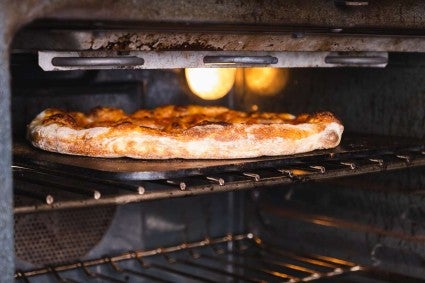
Credit: www.kingarthurbaking.com
Why Oven Rack Position Matters
Choosing the right oven rack position changes how your pizza cooks. It affects the heat your pizza receives. This changes the pizza’s taste and texture. Different rack heights expose the pizza to different heat levels. This can make or break your homemade pizza.
Understanding how heat moves inside your oven helps you pick the best spot for your pizza. The goal is a crispy crust and perfectly melted cheese. The rack position is a simple trick to get the best pizza results at home.
Heat Distribution Basics
Heat moves unevenly in an oven. The top is usually hotter than the bottom. This happens because heat rises. The back of the oven can also be hotter than the front. The oven rack position controls how close the pizza is to these heat zones.
Placing your pizza too close to the top can burn the cheese. Too low, and the crust may stay soft. The middle rack often gives the most even heat. But for pizza, adjusting this can improve the crust and toppings.
Impact On Pizza Texture
Oven rack height changes the pizza’s texture. A lower rack gives the crust more direct heat. This makes it crispier and crunchier. The cheese and toppings cook slower and stay moist.
A higher rack cooks toppings faster. The crust may not get as crispy. This can make the pizza soft on the bottom. Finding the right rack position balances crisp crust and well-cooked toppings.
Role Of Oven Elements
Ovens have heating elements at the top and bottom. The bottom element cooks the crust. The top element browns the cheese and toppings. How close the pizza is to these elements matters a lot.
Placing the pizza near the bottom element crisps the base. Near the top, the pizza’s surface cooks faster. Some ovens let you turn on one element at a time. Using this with rack position helps control cooking perfectly.

Credit: bakingsteel.com
Best Rack Positions For Pizza
Choosing the right oven rack position makes a big difference for pizza quality. Each rack height changes how heat hits the pizza. This affects crust texture, topping doneness, and overall taste. Understanding these options helps you bake pizza just how you like it.
Bottom Rack For Crispy Crust
The bottom rack places the pizza close to the oven’s heat source. This direct heat crisps the crust well. It’s perfect for those who love a crunchy, golden base. Watch carefully to avoid burning the crust. Use this position with a pizza stone for best results.
Middle Rack For Even Cooking
The middle rack offers balanced heat from top and bottom. This position cooks the pizza evenly throughout. The crust, cheese, and toppings all cook at a similar rate. This spot suits most pizza styles for a well-rounded bake. It prevents overcooked toppings or doughy centers.
Top Rack For Browning And Toppings
The top rack puts the pizza near the oven’s upper heat. This intensifies browning on cheese and toppings. It helps create a bubbly, golden finish. Use this rack to add a final touch to your pizza. Be cautious of burning if left too long.
Using Pizza Stones And Steels
Using pizza stones and steels can elevate your homemade pizza’s taste and texture. These tools absorb and hold heat, creating a crispy crust similar to wood-fired ovens. Proper oven rack placement enhances their performance, ensuring even cooking and better results.
Placement Tips
Place the pizza stone or steel on the middle or lower-middle rack. This position exposes the dough to strong, consistent heat. Avoid the bottom rack; it is too close to the heating element. This can cause burning before the pizza cooks fully.
Avoiding Burnt Crusts
Keep the pizza stone or steel away from the oven’s direct heat source. Using the middle rack prevents burning. Preheat the stone or steel for at least 30 minutes to ensure even heat. This helps cook the crust evenly without burning.
Maximizing Heat Retention
Thicker stones and steels store more heat. Preheating them well before baking improves heat retention. This steady heat cooks pizza faster and crisps the crust. Avoid opening the oven door often; it lowers the temperature quickly.
Adjusting Rack Position By Pizza Style
Adjusting the oven rack position depends on the pizza style you want to bake. Different styles require different heat exposure. Moving the rack changes how the dough cooks and how toppings brown. Proper placement helps achieve the perfect crust and texture. Below, learn how to adjust your oven rack for various pizza styles.
Thin Crust Vs Thick Crust
Thin crust pizzas need high heat close to the top element. Place the rack in the upper third of your oven. This setting crisps the crust quickly and browns the cheese well. Thick crust pizzas need longer cooking at lower heat. Put the rack in the middle or lower part of the oven. This allows the dough to cook through without burning the toppings.
Neapolitan And Wood-fired Styles
Neapolitan pizzas mimic wood-fired ovens by baking very fast at high heat. Use the top rack or just below it. This position exposes the pizza to intense radiant heat. A pizza stone or steel on the rack helps cook the base evenly. Keep baking time short to avoid drying out the pizza.
Frozen Vs Fresh Dough
Frozen dough takes longer to cook than fresh dough. Use the middle or lower rack to allow heat to penetrate the dough fully. Fresh dough cooks faster and benefits from higher rack placement. This helps the crust brown nicely while the inside stays soft and tender.
Tips For Multiple Rack Baking
Baking multiple pizzas at once in a home oven can be tricky. Proper rack positioning is key to ensure each pizza cooks evenly and tastes great. Following a few simple tips helps maintain consistent heat and airflow around all the pizzas.
These tips improve cooking results and prevent soggy or burnt spots. Understanding how to space racks, rotate pizzas, and manage heat can transform your baking experience.
Even Spacing Techniques
Place oven racks evenly to allow hot air to circulate. Avoid stacking racks too close to each other. Leave at least 2 to 3 inches between racks for good airflow. This spacing helps heat reach all pizzas uniformly. Also, keep some distance from the oven’s top and bottom walls.
Rotating Pizzas For Uniform Results
Rotate pizzas halfway through baking. Swap pizza positions between racks to balance heat exposure. Turn each pizza 180 degrees for even browning. This method prevents one side from cooking faster than the other. Check pizzas regularly to adjust rotation timing as needed.
Managing Airflow And Heat
Do not overcrowd the oven with too many pizzas. Overcrowding blocks hot air and causes uneven cooking. Use convection mode if your oven has it to improve heat distribution. Keep oven doors closed during baking to maintain steady heat. If your oven has hot spots, rotate pizzas more often to balance temperatures.

Credit: www.amazon.com
Common Mistakes To Avoid
Choosing the right oven rack position affects pizza quality. Mistakes can cause uneven cooking or burnt crust. Avoid these common errors for better results.
Too Close To Heating Element
Placing pizza too close to the heating element can burn the top quickly. The crust may stay raw while the cheese chars. Keep enough space for even heat distribution.
Incorrect Rack Positioning
Using the wrong rack leads to poor cooking. The bottom rack cooks crust well but can burn toppings. The middle rack often gives balanced heat. Know your oven’s heat spots and adjust racks accordingly.
Skipping Preheating Steps
Not preheating the oven causes soggy or undercooked pizza. A hot oven ensures the crust crisps fast and toppings cook evenly. Always preheat for at least 20 minutes before baking.
Additional Oven Settings For Perfect Pizza
Getting the perfect pizza at home goes beyond just choosing the right rack position. Adjusting your oven’s settings can enhance texture and flavor. These settings control heat distribution and cooking speed. Knowing how to use them helps achieve a crust that’s crispy and a topping that’s perfectly cooked.
Convection Vs Conventional Bake
Convection ovens use a fan to circulate hot air. This results in faster and more even cooking. It helps the pizza crust become crispier without drying out toppings. Conventional bake relies on heat from the top and bottom elements. It cooks slower and may produce softer crusts. Use convection for a crisp crust and conventional for a tender bite.
Using Broil For Finishing Touches
Broil setting exposes the pizza to intense heat from above. This helps brown cheese and toppings quickly. Turn on broil in the last 1-2 minutes of baking. Watch closely to avoid burning. Broiling adds a golden color and slight crispness to the top. It creates a delicious contrast with the soft crust.
Temperature Recommendations
Set your oven temperature between 450°F and 500°F for best results. Higher heat cooks pizza faster and crisps the crust. Lower heat may leave the crust doughy or soggy. Preheat the oven fully before baking. Use an oven thermometer for accurate readings. Adjust time and temperature based on pizza thickness and toppings.
Frequently Asked Questions
Where Should The Oven Rack Be For Homemade Pizza?
Place the oven rack on the bottom or second from bottom for a crispy pizza crust. Use a pizza stone or steel there. This position ensures even heat for a well-cooked base without burning the top. Avoid the top rack to prevent uneven cooking.
Where To Bake Pizza In A Home Oven?
Place pizza on the bottom or second-from-bottom oven rack for a crispy crust. Use a pizza stone or steel for best results.
Does Pizza Steel Go On Top Or Bottom Of Oven?
Place the pizza steel on the top or second-highest oven rack. Avoid the bottom rack to prevent burning the crust.
Where Should Oven Racks Be Placed?
Place oven racks based on cooking needs: middle for even baking, bottom for crispy crusts, top for broiling or browning. Space multiple racks evenly and rotate pans for best results.
Conclusion
Choosing the right oven rack position changes your pizza’s outcome. Placing the pizza too low can burn the crust before the top cooks. Too high, and the dough might stay undercooked. The middle or upper-middle rack usually gives the best balance.
This spot lets the heat cook the crust and toppings evenly. Trying different positions helps you find what works for your oven. Remember, small changes can make a big difference in taste and texture. Keep experimenting to bake the perfect pizza every time.

As the author of the “Ultimate Pizza Guide: Recipes, Tips & Secrets Revealed,” I’m dedicated to sharing my love for pizza and empowering others to create delicious homemade pizzas with ease. Join me on a journey to uncover the secrets to perfecting your pizza game!


