Pizza Oven Flame Tuning Safety
The allure of a perfectly cooked pizza, with its crispy crust, bubbling cheese, and vibrant toppings, often leads home cooks and culinary enthusiasts to invest in a pizza oven. While many focus on selecting the right oven and mastering dough recipes, a critical, often overlooked aspect is pizza oven flame tuning. This process is not just about aesthetics; it’s fundamental to achieving optimal cooking temperatures, even heat distribution, and, most importantly, ensuring safe operation. Improperly tuned flames can lead to uneven cooking, burnt crusts, undercooked toppings, and, in worst-case scenarios, dangerous situations involving flare-ups or gas leaks.
Understanding how to adjust and maintain the flame in your pizza oven is as crucial as any other element of the pizza-making process. It requires a blend of technical understanding, careful observation, and a commitment to safety protocols. Whether you’re using a wood-fired, gas, or hybrid oven, the principles of flame control remain similar, aiming for a consistent, predictable heat source that complements your culinary goals.
This article will guide you through the intricacies of pizza oven flame tuning, focusing on safety, efficiency, and the pursuit of pizza perfection.
Key Takeaways
- Flame Tuning is Essential: Adjusting your pizza oven’s flame is crucial for achieving optimal cooking temperatures, even heat distribution, and safe operation.
- Safety First: Always prioritize safety by understanding your oven’s fuel source, performing regular checks, and knowing emergency procedures.
- Understand Flame Types: Different flames (e.g., rolling, licking, roaring) indicate different heat levels and combustion efficiencies.
- Wood-Fired Ovens: Focus on building a hot ember bed, managing airflow, and allowing the flame to “lick” the dome for even heat.
- Gas Ovens: Tune the gas valve and air intake for a consistent, blue flame that provides stable heat.
- Regular Maintenance: Periodically inspect components like burners, gas lines, and seals to prevent issues.
- Environmental Factors: Wind and ambient temperature can significantly impact flame behavior and require adjustments.
Credit: www.ebay.com
Understanding Pizza Oven Flames: What To Look For
The flame in your pizza oven is more than just a source of heat; it’s a visual indicator of combustion efficiency, temperature, and the overall health of your oven’s heating system. Different types of flames signify different operational states, and recognizing these distinctions is the first step toward effective tuning.
Whether you’re using the intense heat of a wood fire or the controlled burn of a gas burner, observing the flame provides invaluable feedback.
The Ideal Flame Characteristics
The “ideal” flame isn’t a single, static entity but rather a dynamic state that varies depending on the oven type and the cooking stage. However, some general characteristics point to good combustion and optimal heat delivery.
- For Wood-Fired Ovens: The goal is a consistent, active flame that dances around the dome, transferring radiant heat to the cooking surface and the pizza itself. This is often described as a “rolling” or “licking” flame. It should be vibrant and consistent, not sputtering or dying out. A good wood fire produces minimal smoke once established, indicating efficient burning of the fuel.
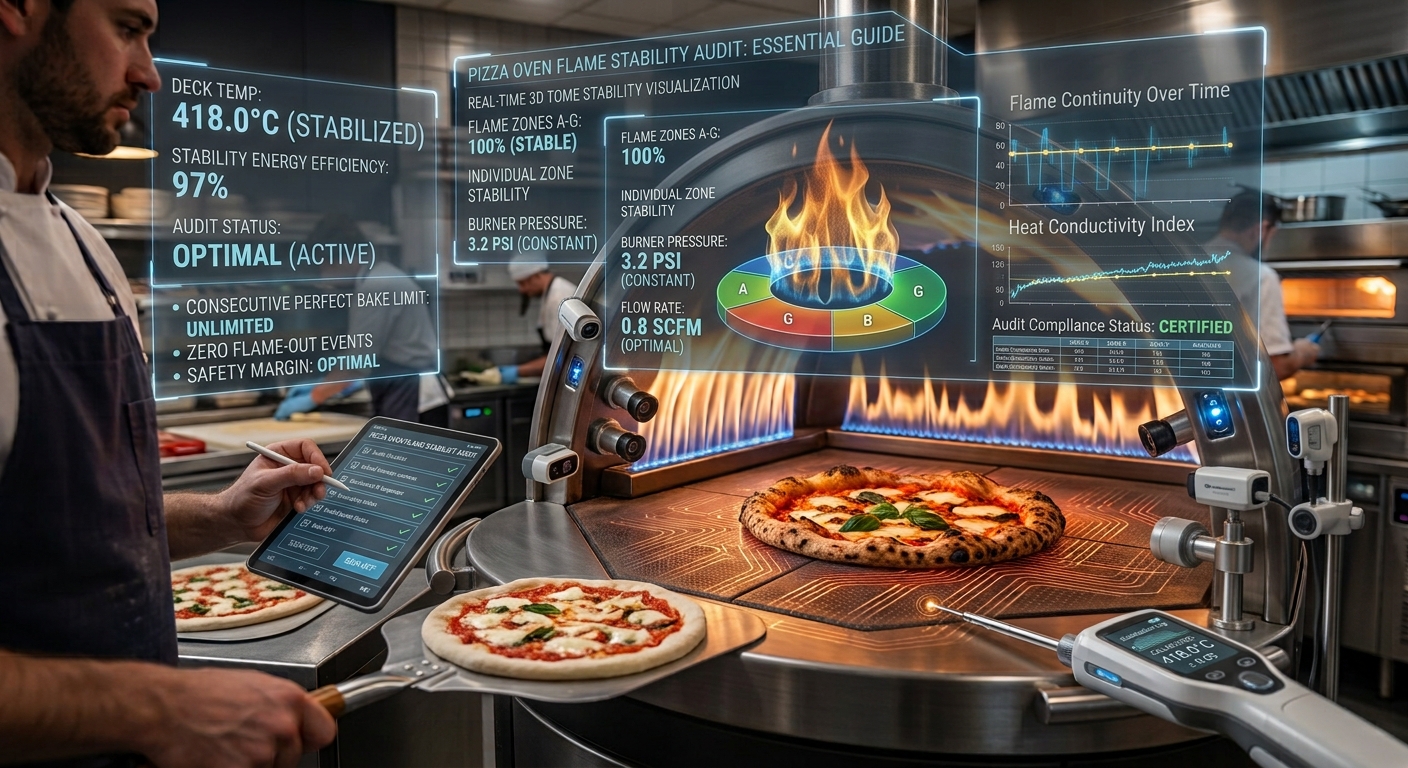
- For Gas Ovens: The ideal flame is typically a steady, blue or blue-yellow flame emanating from the burner. It should be consistent in height and intensity, with no significant flickering or “lifting” away from the burner. A stable flame ensures even heat distribution across the cooking deck and surrounding areas.
Signs Of An Inefficient Or Unsafe Flame
Conversely, several flame characteristics signal potential problems that require attention. Ignoring these can lead to poor cooking results and, more importantly, safety hazards.
- Excessive Smoke: In wood-fired ovens, a thick, black smoke indicates incomplete combustion. This suggests poor airflow, wet wood, or an insufficient fire. While some smoke is normal during startup, persistent heavy smoke means the fire isn’t burning efficiently and can impart an unpleasant taste to food.
- Sputtering or Dying Flame: A flame that sputters, flickers erratically, or dies down quickly can indicate insufficient fuel, poor airflow, or an issue with the oven’s insulation or structure. In wood ovens, this might mean the wood is too wet or the fire is dying. In gas ovens, it could point to a low gas pressure issue or a clogged burner.
- Yellow or Orange, “Lifting” Flames (Gas Ovens): A flame that is predominantly yellow or orange, and detaches or “lifts” from the burner, is a sign of incomplete combustion and can produce soot. This often points to an issue with the air-to-fuel ratio, where there isn’t enough oxygen mixing with the gas. This can also be a precursor to carbon monoxide production.
- Unusual Noises: While not a visual flame characteristic, unusual noises like hissing, whistling, or popping from the gas burner (in gas ovens) can indicate gas leaks or blockages and should be investigated immediately.
Flame Tuning For Wood-fired Pizza Ovens
Wood-fired ovens rely on the primal energy of burning wood to create intense heat, a process that requires careful management of the fire and airflow to achieve the perfect flame for pizza baking. The goal is to create a bed of hot embers that continuously fuels a lively flame that circumnavigates the oven dome.
Building And Managing The Fire
The foundation of a good flame in a wood-fired oven is a well-built fire. This starts with selecting the right fuel and arranging it correctly.
- Fuel Selection: Use seasoned hardwood that has been dried for at least six months. Woods like oak, maple, or fruitwoods burn hotter and longer with less creosote buildup compared to softwoods. Avoid treated lumber or construction scraps, which can release toxic fumes.
- Fire Placement: For most dome-shaped ovens, start the fire towards the back or side of the oven, leaving ample space for the pizza. This allows the flame to lick around the dome and heat the entire cooking surface evenly.
- Kindling and Progression: Begin with small, dry kindling to establish a base, then gradually add larger pieces of wood as the fire grows. The goal is to build a substantial bed of glowing embers before you start cooking. This ember bed is crucial for sustained heat.
- Airflow Management: This is perhaps the most critical aspect of flame tuning in wood-fired ovens. Most ovens have an adjustable vent or door that controls airflow.
- Startup: During the initial fire-building phase, you’ll need ample airflow to get the wood burning vigorously. Open the vent or door fully.
- Cooking: Once the oven is hot and the embers are established, you can adjust the airflow. A steady, rolling flame licking the dome indicates good combustion. If the flame is too weak, open the vent slightly. If it’s too aggressive and scorching the pizza, reduce airflow slightly. The aim is a consistent, vibrant flame, not a raging inferno that burns too quickly or a dying ember that provides insufficient heat.
The “licking Flame” Technique
The term “licking flame” is often used to describe the ideal state for baking pizza in a wood-fired oven. This refers to a flame that rises from the ember bed and travels around the interior dome of the oven.
- Radiant Heat: This flame is essential for providing radiant heat that cooks the toppings from above. As it circulates, it heats the dome evenly, which in turn radiates heat down onto the pizza.
- Convective Heat: The hot air within the oven also contributes convective heat, cooking the pizza from all sides.
- Conduction: The hot cooking surface (stone or steel) provides conductive heat from below, crisping the crust.
- Achieving the Lick: To achieve this, you need enough fuel in the ember bed and controlled airflow. You may need to add small pieces of wood periodically to maintain the flame’s intensity throughout the cooking process. The flame should be active but not so large that it obscures your view of the pizza or directly scorches it.
Troubleshooting Wood-fired Flames
- Flame Dies Out: This usually means the wood is too wet, there aren’t enough embers, or airflow is too restricted. Add dry kindling and slightly more airflow.
- Excessive Smoke: Indicates incomplete combustion. Ensure wood is dry and seasoned. Check that the vent is open enough to allow sufficient oxygen.
- Scorching Flame: The flame is too large or too close to the pizza. Reduce airflow slightly or ensure the fire is positioned correctly towards the back.
Flame Tuning For Gas Pizza Ovens
Gas pizza ovens offer a more controlled and consistent heat source, making flame tuning primarily about achieving the correct air-to-gas mixture and burner output. The goal is a stable, efficient flame that provides reliable cooking temperatures.
Understanding Gas Burner Components
Gas pizza ovens typically feature one or more burners, often with associated air shutters or vents. Understanding these parts is key to effective tuning.
- Gas Valve/Regulator: This controls the flow of gas to the burner. Adjusting the valve directly impacts the flame size and intensity.
- Burner Ports: These are the openings from which the gas emerges. They need to be clean and unobstructed for an even flame.
- Air Shutter/Vent: Many gas ovens have an adjustable shutter or vent near the burner that controls the amount of air mixing with the gas. This is crucial for achieving complete combustion.
Achieving The Ideal Blue Flame
The hallmark of a well-tuned gas burner is a steady, blue flame. This indicates that the gas is burning efficiently with sufficient oxygen.
- Startup: Turn on the gas slowly and ignite. Observe the initial flame.
- Adjusting Airflow: If the flame is predominantly yellow or orange and “lifting” (detaching from the burner), it means there’s insufficient air. You’ll need to open the air shutter slightly. This allows more oxygen to mix with the gas, resulting in a cleaner, hotter, blue flame.
- Adjusting Gas Flow: If the flame is too small even with the air shutter open, you may need to increase the gas flow using the main gas valve or regulator. Conversely, if the flame is too large and potentially uneven, you might slightly reduce the gas flow or adjust the air shutter to prevent it from lifting.
- Consistency: The goal is a stable flame that doesn’t flicker, roar excessively, or die down. It should provide consistent heat across the cooking surface. In multi-burner ovens, ensure all burners are tuned similarly for even cooking.
Common Gas Oven Flame Issues And Solutions
- Yellow/Orange Flames: Insufficient air. Open the air shutter gradually until the flame turns blue.
- Lifting/Roaring Flames: Too much air or gas. If the flame is lifting significantly, try closing the air shutter slightly. If it’s roaring loudly and appears unstable, reduce the gas flow slightly.
- Soot Buildup: Indicates incomplete combustion, often caused by yellow flames. Tuning for a blue flame will resolve this.
- Uneven Flame: Burner ports may be clogged. Clean the burner ports carefully with a wire brush or a thin, stiff wire.
- Flame Won’t Ignite or Stay Lit: Check gas supply, ensure the regulator is functioning, and verify that the igniter is working correctly.
Example: Tuning A Commercial Gas Pizza Oven
Consider a commercial gas pizza oven used in a busy restaurant. The chef notices that pizzas on one side of the oven are cooking faster than the other. Upon inspection, the flame from the burner on the slower side appears slightly more yellow and less intense than the other.
The chef would first check the air shutter for that burner, finding it partially closed, likely due to vibration or a loose screw. By carefully opening the air shutter until the flame becomes a consistent blue and matches the intensity of the other burner, the chef restores even heat distribution, ensuring consistent pizza quality and reducing cooking times.
This adjustment, taking only a few minutes, significantly impacts operational efficiency.
Safety Precautions For Pizza Oven Flame Tuning
Working with fire, whether from wood or gas, inherently carries risks. Implementing strict safety protocols during flame tuning is paramount to prevent accidents, injuries, and property damage. Always treat your pizza oven with the respect it deserves as a powerful heat-generating appliance.
General Safety Guidelines
Before you even begin tuning, ensure you are familiar with your specific oven model and its safety features.
- Read the Manual: Always consult your oven’s manufacturer’s instructions for specific tuning procedures and safety warnings.
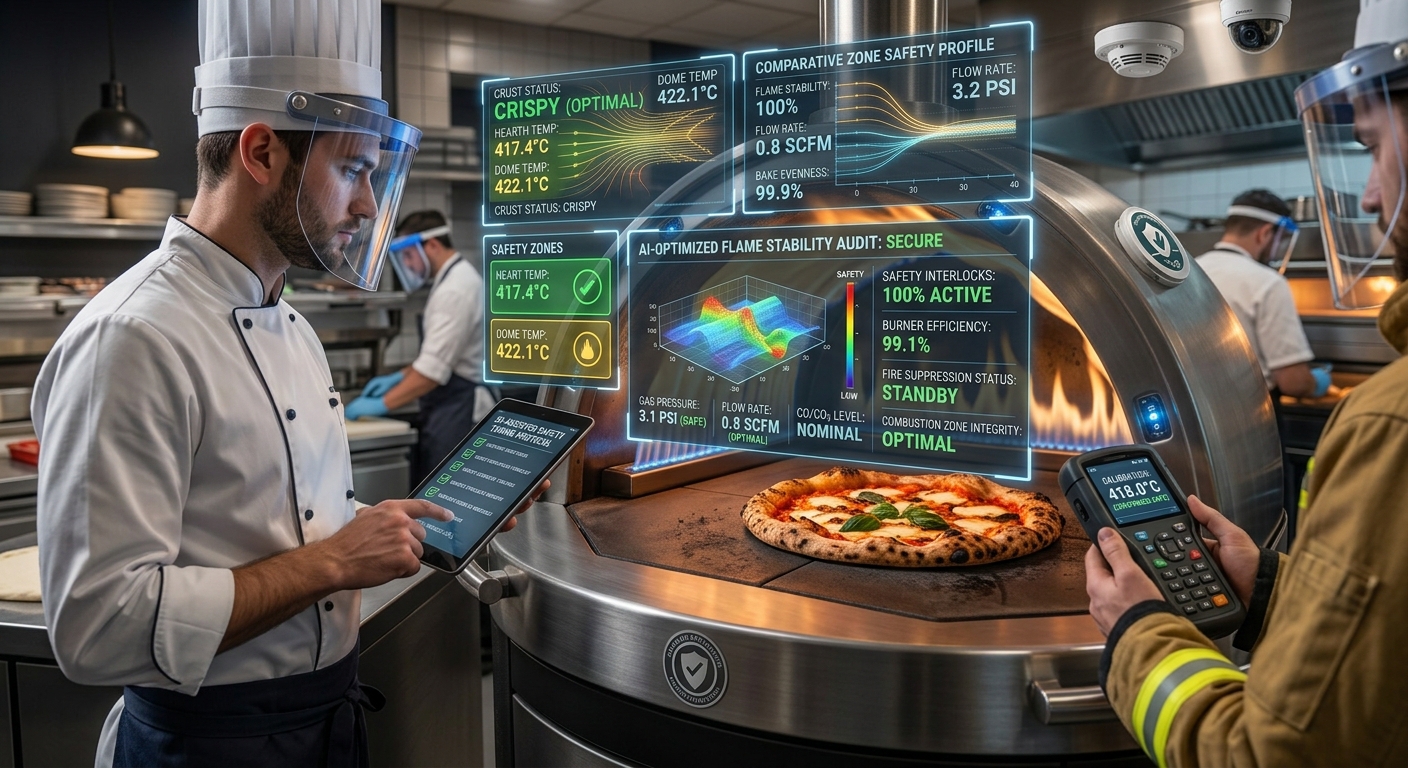
- Ventilation: Ensure the area around your pizza oven is well-ventilated. This is crucial for both wood-fired and gas ovens to prevent the buildup of carbon monoxide (CO), a colorless, odorless, and deadly gas. Never operate a pizza oven indoors or in an enclosed space without proper ventilation.
- Clearance: Maintain adequate clearance around the oven from combustible materials like walls, fences, furniture, and overhanging branches. Check the manufacturer’s recommended clearances.
- Fire Extinguisher: Have a Class ABC fire extinguisher readily accessible and know how to use it. A bucket of water can also be useful for wood-fired ovens, but never use water on a grease fire or a gas leak.
- Protective Gear: Wear heat-resistant gloves and long sleeves when working near a hot oven or adjusting flames. Safety glasses can protect your eyes from sparks.
- Never Leave Unattended: Do not leave a lit pizza oven unattended, especially during the tuning process or while it’s in operation.
Gas Oven Specific Safety
Gas appliances require additional vigilance due to the flammable nature of natural gas or propane.
- Leak Detection: Regularly check for gas leaks. You can do this by mixing soapy water and applying it to gas connections and lines. If you see bubbles forming, there’s a leak, and you should immediately turn off the gas supply and do not operate the oven until the leak is repaired by a qualified professional. You should also be able to smell gas if there’s a leak; if you do, turn off the gas and ventilate the area.
- Propane Tank Safety: If using a propane tank, ensure it’s in good condition, upright, and away from direct heat sources. Never store propane tanks indoors.
- Regulator Checks: Ensure the gas regulator is functioning correctly and set to the appropriate pressure for your oven.
- Emergency Shut-off: Know the location of the main gas shut-off valve for your oven and how to turn it off quickly in an emergency.
Wood-fired Oven Specific Safety
Wood-fired ovens, while not dealing with gas leaks, present their own set of fire-related risks.
- Ember Management: Be mindful of escaping embers, especially during windy conditions. Ensure they fall onto a non-combustible surface.
- Ash Removal: Allow ashes to cool completely (this can take 24-48 hours) before removing them from the oven. Dispose of cool ashes in a metal container with a lid, away from any combustible materials.
- Creosote Buildup: Regular cleaning of the chimney and flue (if applicable) is essential to prevent creosote buildup, which can lead to chimney fires.
- Flare-ups: Understand that flare-ups can occur, especially when adding new wood. Be prepared to manage them by slightly reducing airflow if necessary.
Maintenance For Optimal Flame Performance
Regular maintenance is key to ensuring your pizza oven functions safely and efficiently, leading to consistent flame performance. Neglecting maintenance can result in gradual degradation of performance, increased fuel consumption, and potential safety hazards.
Cleaning And Inspection Schedule
Establish a routine for cleaning and inspecting your oven. The frequency will depend on how often you use it and the type of oven.
- After Each Use:
- Wood-Fired: Remove excess ash once the oven has cooled completely. Brush down the cooking surface.
- Gas: Wipe down the exterior and interior surfaces. Ensure burner ports are free of debris.
- Monthly (or as needed):
- Wood-Fired: Inspect the oven dome for cracks. Check the chimney/flue for blockages.
- Gas: Thoroughly clean burner ports. Inspect gas hoses and connections for wear or damage. Check the igniter for proper function.
- Annually:
- Wood-Fired: Consider a more thorough chimney cleaning if applicable. Inspect the oven’s insulation and structural integrity.
- Gas: Have the gas lines and regulator professionally inspected if you are not comfortable doing so yourself. Check seals around doors and oven components.
Component-specific Maintenance
Focusing on specific parts can prevent common issues that affect flame tuning.
- Burner Cleaning (Gas Ovens): Clogged burner ports are a frequent cause of uneven or inefficient flames. Use a thin wire or a specialized tool to clear any obstructions. Be gentle to avoid damaging the burner.
- Air Shutter Adjustment (Gas Ovens): Ensure air shutters move freely and can be locked in place. Dust and debris can sometimes jam them.
- Door Seals: A good door seal is crucial for maintaining oven temperature and controlling airflow in both types of ovens. Check for cracks or wear and replace as needed.
- Refractory Material (Wood-Fired Ovens): Inspect the refractory bricks or dome for significant cracks. Minor hairline cracks are often normal, but larger ones can affect heat retention and structural integrity. Consult the manufacturer or a professional for repairs.
- Gas Hoses and Connectors (Gas Ovens): Look for any signs of cracking, fraying, or brittleness in the gas hoses. Ensure all connections are tight. Replace any damaged components immediately. A reputable supplier for replacement parts can be found at AppliancePartsPros.com.
Data-driven Maintenance Insights
While specific data on pizza oven maintenance is scarce, general trends in appliance longevity highlight the importance of upkeep. For instance, studies on commercial kitchen equipment show that regular preventative maintenance can reduce equipment failures by up to 25% and extend equipment lifespan by 20-50%. Applying this principle to your pizza oven means fewer unexpected flame issues and a more reliable cooking experience.
Pro Tip: Document Your Tuning
Keep a logbook or digital record of your flame tuning adjustments, noting the date, oven temperature, ambient conditions (wind, temperature), and the resulting flame characteristics. This data can be invaluable for troubleshooting and replicating successful tuning sessions.
Environmental Factors Affecting Flame Tuning
The environment in which you operate your pizza oven can significantly influence flame behavior, requiring you to adapt your tuning strategies accordingly. Ignoring these external factors can lead to frustration and suboptimal cooking results.
Wind Conditions
Wind is perhaps the most significant environmental factor affecting pizza oven flames, particularly wood-fired ovens.
- Impact on Wood-Fired Ovens:
- Strong Winds: Can cause flames to flicker erratically, be drawn out of the oven opening, or even be extinguished. This leads to uneven heating and difficulty maintaining temperature. It can also increase the risk of escaping embers.
- Gusts: Sudden gusts can cause intense flare-ups as they push more oxygen into the fire, potentially scorching the pizza.
- Impact on Gas Ovens:
- While less susceptible than wood fires, strong winds can still affect gas flames, especially if the burner is exposed or the oven opening is large. Wind can cool the cooking chamber unevenly or, in severe cases, cause flames to lift or be extinguished.
- Tuning Adjustments:
- Windy Conditions: For wood-fired ovens, you may need to reduce airflow slightly to prevent the flame from being blown out. Building a larger ember bed can also help sustain heat. Consider using a windbreak or positioning the oven in a sheltered location if possible. For gas ovens, ensure the burner shroud is intact and consider using a windscreen if necessary.
Ambient Temperature And Humidity
The temperature and humidity of the surrounding air can also play a role.
- Cold Weather:
- Wood-Fired: It takes longer to heat the oven to cooking temperature. You’ll need to burn more wood initially. The flame may appear less vigorous in very cold conditions due to cooler air density.
- Gas: The oven will take longer to preheat. Gas pressure can sometimes be affected by extreme cold, although modern regulators are usually robust.
- Hot Weather:
- The oven heats up more quickly. You might need less fuel. However, prolonged high ambient temperatures can make the exterior of the oven extremely hot to work around.
- Humidity:
- High Humidity: Can make it harder to get wood to ignite and burn efficiently, potentially leading to more smoke. It can also slightly affect the efficiency of gas combustion, though this is usually a minor factor.
- Tuning Adjustments:
- In cold weather, be patient with preheating and ensure you have a robust ember bed in wood-fired ovens.
- In hot weather, be mindful of the oven’s exterior and potentially reduce firing time.
- If using damp wood in humid conditions, pre-drying your wood indoors or using a kiln-dried option is highly recommended.
Altitude
Altitude affects combustion by reducing the amount of oxygen available in the air.
- Impact: At higher altitudes, flames may burn less efficiently, requiring adjustments to the air-to-fuel ratio.
- Tuning Adjustments (Gas Ovens): Gas ovens designed for sea-level altitudes may require a special high-altitude regulator or adjustment to the air intake to ensure

As the author of the “Ultimate Pizza Guide: Recipes, Tips & Secrets Revealed,” I’m dedicated to sharing my love for pizza and empowering others to create delicious homemade pizzas with ease. Join me on a journey to uncover the secrets to perfecting your pizza game!