“Pizza Oven Safety Precautions”
You love the delicious taste of homemade pizza straight from a pizza oven. But have you thought about how to keep yourself, your family, and your home safe while using it?
Whether you’re a seasoned pro or new to pizza ovens, knowing the right safety precautions can save you from burns, fires, and other hazards. In this guide, you’ll discover simple yet essential tips that make your pizza-making experience not only fun but also worry-free.
Keep reading to learn how to enjoy your pizza oven safely every time.
Indoor Pizza Oven Use
Using a pizza oven indoors requires extra care to keep your home safe. Indoor pizza ovens produce high heat and sometimes smoke. Proper safety steps prevent accidents and ensure good air quality. Understanding the right type of oven and its installation needs is essential.
Certified Indoor Models
Only use pizza ovens certified for indoor use. These models meet strict safety rules. They have features to control heat and gas safely. Using uncertified ovens indoors can cause fire or carbon monoxide risks. Always check for certification labels before buying.
Ventilation Requirements
Good ventilation is critical for indoor pizza ovens. These ovens release smoke and gases that must escape. Install a powerful vent hood or exhaust system above the oven. Open windows or use fans to improve airflow. Without ventilation, harmful fumes can build up quickly.
Clearance And Placement
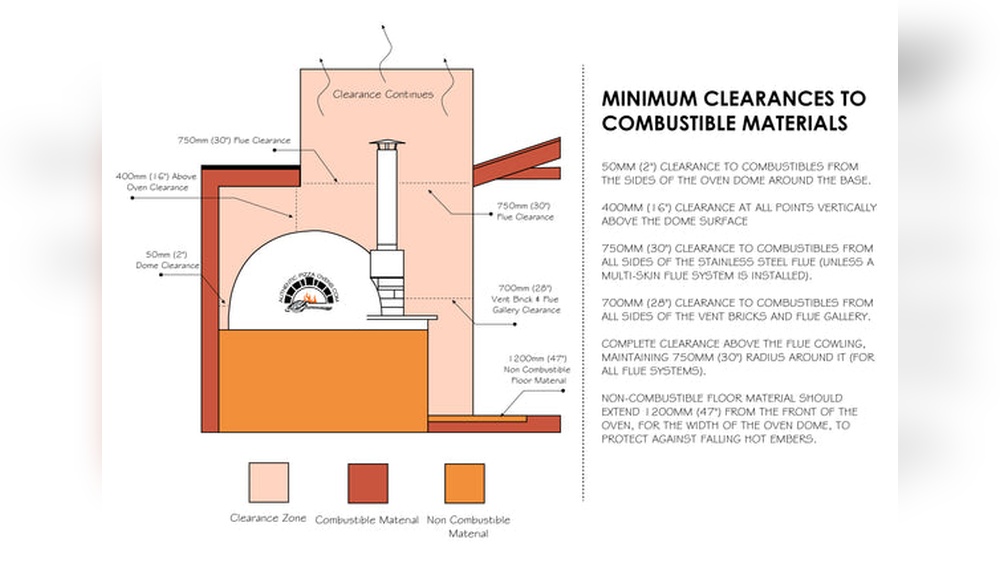
Keep enough space around the oven to avoid fire hazards. Follow the manufacturer’s guidelines for minimum clearance from walls and furniture. Place the oven on a non-flammable surface like stone or metal. Avoid areas with curtains, paper, or other flammable items nearby.

Credit: www.fontanaforniusa.com
Outdoor Oven Placement
Placing your outdoor pizza oven correctly is crucial for safety and performance. The right location prevents accidents and protects your property. Consider factors like distance, ground surface, and weather to ensure safe use.
Distance From Structures
Place the oven at least 10 feet from any building or wooden structure. This space reduces fire risk from heat or sparks. Avoid placing near fences, trees, or overhangs that can catch fire. Keep a clear zone around the oven for safe operation.
Safe Ground Surfaces
Set the oven on a stable, non-flammable surface like concrete, stone, or brick. Avoid grass, wood decks, or dirt that can catch fire or cause instability. A level surface prevents tipping and helps maintain even cooking temperatures. Ensure good drainage to avoid water pooling.
Weather Considerations
Protect the oven from strong winds that can spread embers or affect the flame. Choose a sheltered spot or use a windbreak if needed. Avoid low areas prone to flooding or standing water. Consider sun exposure to keep the oven dry and extend its life.
Pre-cooking Checks
Before using your pizza oven, perform essential pre-cooking checks. These steps help prevent accidents and ensure smooth cooking. Taking time to prepare increases safety and confidence while cooking.
Reading The Manual
Always read the oven manual before your first use. It explains important safety features and operating instructions. Each model differs, so follow the specific guidelines carefully. Understanding the manual reduces the risk of misuse or damage.
Clearing Flammable Items
Remove all flammable objects near the oven. Items like paper towels, cloths, and plastic can catch fire easily. Keep the area clear to avoid accidents. A clean cooking zone helps maintain a safe environment.
Gas Leak Detection
Check for gas leaks if your oven uses gas. Smell carefully for any unusual odors around connections. Never turn on electrical devices if you suspect a leak. Open windows, leave the area, and call a professional immediately for help.
Appropriate Clothing
Wear tight-fitting clothes when cooking. Loose sleeves or dangling fabrics can catch fire. Tie back long hair to keep it away from flames. Proper clothing protects you from burns and accidents.
Cookware Selection
Choose cookware that suits high heat and fits the oven size. Use clean pots and pans free from grease buildup. Avoid plastic or thin materials that can melt or break. Proper cookware ensures even cooking and safety.
Safe Cooking Practices
Safe cooking practices are essential when using a pizza oven. They help prevent accidents and ensure every pizza turns out perfect. Following simple rules can keep you and your family safe while cooking.
Never Leave Unattended
Always stay near the pizza oven while it is on. Leaving it unattended increases the risk of fire or burning food. Keep an eye on the cooking process to react quickly if something goes wrong.
Using Oven Mitts Correctly
Use thick, heat-resistant oven mitts to handle hot trays and pizza stones. Avoid using wet or thin cloths, which can cause burns. Make sure the mitts cover your wrists for full protection.
Turning Handles Inward
Turn pot and pan handles inward, away from the oven edge. This prevents accidental knocks or spills. It also keeps handles out of the way of children and pets.
Managing Spills
Clean spills inside and around the oven immediately. Spills can cause smoke, flames, or unpleasant smells. Use a damp cloth or sponge to wipe surfaces safely after the oven cools down.
Avoiding Overloading
Do not overload the pizza oven with too many items. Overloading causes uneven cooking and increases fire risk. Cook in batches if needed to maintain good heat circulation and safety.
Self-cleaning Cycle Safety
Using the self-cleaning cycle on your pizza oven helps remove tough residues. It uses very high heat to burn off grease and food leftovers. This process needs careful handling to keep your kitchen safe. Follow these key safety tips during the self-cleaning cycle.
Ventilation During Cleaning
Keep windows or vents open when starting the self-cleaning cycle. The high heat can create smoke and odors. Proper airflow prevents buildup of fumes inside the kitchen. Use an exhaust fan if available. Avoid breathing in smoke or strong smells.
Monitoring The Process
Stay near your pizza oven while it cleans itself. Check for unusual smells or smoke. Never leave the oven unattended during the cycle. If you notice excessive smoke, turn off the oven and ventilate the area. Keep children and pets away to avoid accidents.
Handling Residue Safely
After the cycle finishes and the oven cools, remove ash or residue carefully. Use gloves or a damp cloth to avoid skin irritation. Do not use harsh chemicals to clean the inside afterward. Proper residue handling protects your oven and your health.
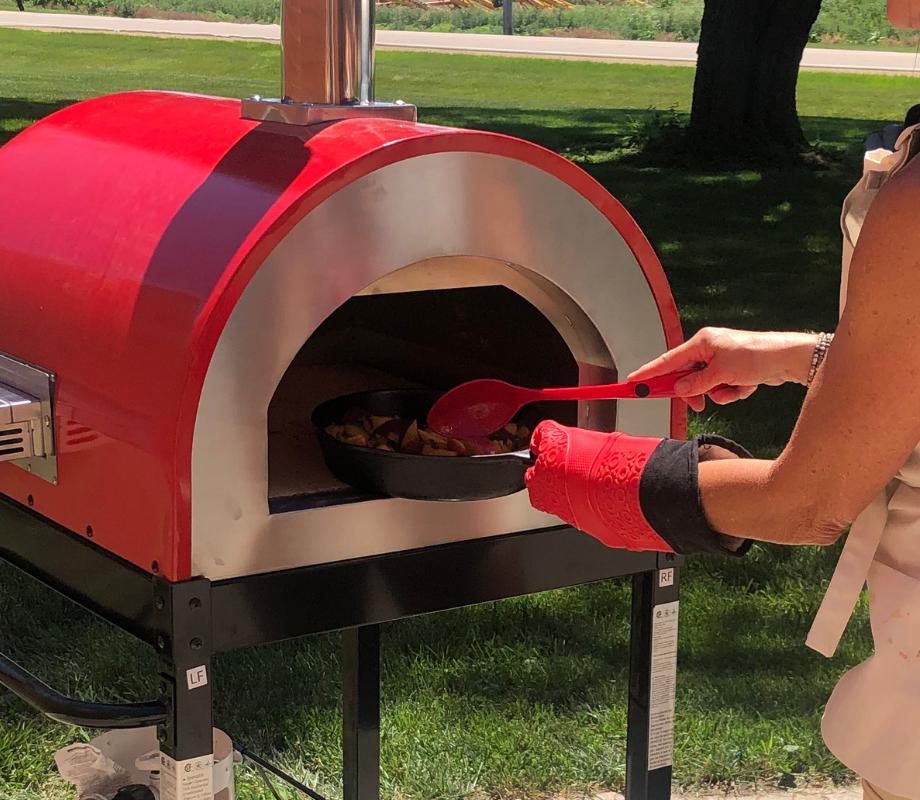
Credit: wppollc.com
Post-cooking Steps
After cooking, taking the right steps ensures safety and keeps your pizza oven in good condition. Post-cooking care prevents accidents and extends the oven’s life. Follow these simple actions to finish your cooking session safely and cleanly.
Turning Off The Oven
Always turn off the oven immediately after use. For gas ovens, close the gas supply valve to stop the fuel flow. For electric ovens, switch off the power at the main control. Confirm the oven is fully off before leaving the area. This step helps avoid fire hazards and gas leaks.
Proper Cooling Times
Let the oven cool down naturally before touching or cleaning it. Cooling usually takes 1 to 2 hours, depending on the oven type. Avoid pouring water or using cold tools to speed cooling, as this can cause damage. Wait until the oven is safe to handle to prevent burns.
Cleaning Tips
Clean the oven only when it is completely cool. Remove ashes and food debris to avoid buildup and odors. Use a brush or cloth with mild soap and water for regular cleaning. Avoid harsh chemicals that can harm the oven’s surface. Proper cleaning keeps the oven safe and ready for the next use.
Fire Safety Measures
Fire safety is crucial when using a pizza oven. Flames and high heat need careful handling to avoid accidents. Knowing the right steps to manage fire risks keeps everyone safe and protects your home. Follow these fire safety measures to enjoy your pizza oven without worry.
Handling Grease Fires
Grease fires start quickly and spread fast. Do not use water to put them out. Water makes grease fires worse and can cause burns. Cover the fire with a metal lid or baking sheet to cut off oxygen. Use baking soda or a fire extinguisher made for grease fires. Always keep a fire blanket nearby to smother flames safely.
Using Fire Extinguishers
Keep a fire extinguisher close to your pizza oven. Choose a Class B or multipurpose extinguisher for kitchen fires. Learn how to use it before an emergency happens. Remember the PASS method: Pull the pin, Aim low, Squeeze the handle, and Sweep side to side. Check the extinguisher regularly for pressure and damage to ensure it works when needed.
Smoke Detector Placement
Smoke detectors alert you to fires early. Install them near the kitchen but not too close to avoid false alarms from cooking smoke. Place detectors at least 10 feet away from the oven. Test them monthly and replace batteries twice a year. Proper placement and maintenance help catch fires early and keep your family safe.

Credit: www.igneuswoodfiredovens.com
Ventilation And Air Quality
Proper ventilation and good air quality are vital for safe pizza oven use. Poor airflow can trap harmful gases indoors. It also raises the risk of fire and breathing problems. Ensuring enough ventilation keeps the air fresh and safe. It helps prevent dangerous buildup of smoke and gases.
Preventing Carbon Monoxide
Carbon monoxide is a colorless, odorless gas from burning fuel. It can cause serious health issues or death. Always use pizza ovens outdoors or in well-ventilated areas. Avoid using gas ovens in small, closed spaces. Install carbon monoxide detectors near the oven area for safety. Never ignore symptoms like headaches or dizziness while using the oven.
Maintaining Airflow
Good airflow removes smoke and heat from the cooking area. Keep doors and windows open if using the oven indoors. Use exhaust fans or vents to push air outside. Avoid blocking vents or air pathways around the oven. Proper airflow lowers fire risks and keeps the space comfortable for cooking.
Regular Vent Checks
Check vents and chimneys often for blockages or damage. Clean out soot, ash, and debris to keep air moving freely. Inspect vent seals and connections for leaks or cracks. Fix problems immediately to prevent smoke and gases from entering your home. Regular maintenance ensures the oven works safely and efficiently.
Frequently Asked Questions
Is It Safe To Use A Pizza Oven Indoors?
Using a pizza oven indoors is safe only if it is designed and certified for indoor use. Ensure proper ventilation and follow all manufacturer safety guidelines. Avoid using outdoor-only models indoors to prevent fire hazards and carbon monoxide buildup.
How Far Should A Pizza Oven Be From A House?
Place a pizza oven at least 10 feet away from the house to prevent fire hazards and ensure proper ventilation. Maintain clear space around it, free from flammable materials, to enhance safety and comply with local building codes.
What Are The Safety Precautions Of The Oven?
Never leave the oven unattended during use. Keep the area clean to avoid grease fires. Use heat-resistant oven mitts and wear snug clothing. Turn pot handles inward to prevent spills. Ensure proper ventilation, especially for gas ovens. Always turn off the oven after cooking.
How Safe Are Pizza Ovens?
Pizza ovens are safe if used properly. Maintain clear space, ensure ventilation, and never leave them unattended. Follow manufacturer guidelines and use heat-resistant gloves to prevent burns and fires.
Conclusion
Pizza oven safety is essential for every user. Always follow the manual’s instructions carefully. Keep the area around the oven clear of flammable items. Use oven mitts to protect your hands from burns. Never leave your oven unattended while cooking.
Proper ventilation helps avoid dangerous gas buildup. Regularly clean the oven to prevent grease fires. By practicing these simple steps, you ensure a safe and enjoyable pizza-making experience. Stay cautious, and enjoy delicious homemade pizza with peace of mind. Safety first, every time you cook.

As the author of the “Ultimate Pizza Guide: Recipes, Tips & Secrets Revealed,” I’m dedicated to sharing my love for pizza and empowering others to create delicious homemade pizzas with ease. Join me on a journey to uncover the secrets to perfecting your pizza game!


