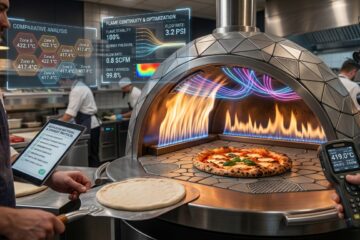
The mesmerizing dance of flames in a pizza oven is more than just a visual spectacle; it’s the heart of the cooking process. A stable, vibrant flame ensures consistent heat distribution, perfect crust browning, and that authentic, smoky flavour so sought after by pizza aficionados and professional pizzaiolos alike. Without this crucial element, achieving Neapolitan-style perfection or even a consistently good bake becomes a significant challenge. Understanding the factors that contribute to pizza oven flame stability is therefore paramount for anyone looking to master the art of wood-fired pizza making.
This article will explore the intricate science and practical considerations behind maintaining a robust and reliable flame in your pizza oven. We’ll dissect the key components, from fuel quality to oven design, and provide actionable insights to help you achieve that coveted, consistent heat.
Whether you’re a home cook with a backyard oven or a restaurant owner relying on wood-fired heat, mastering flame stability will elevate your pizza game.
Key Takeaways
- Fuel quality is paramount: Dry, seasoned hardwoods produce the most consistent and efficient flames.
- Airflow is critical: Proper ventilation, both for combustion and heat circulation, is essential for flame stability.
- Oven design matters: The size, shape, and insulation of your oven significantly impact how it retains heat and supports a stable flame.
- Firing technique is key: Gradual heating and understanding your oven’s thermal mass are crucial for sustained performance.
- Maintenance ensures longevity: Regular cleaning and inspection prevent issues that can disrupt flame stability.
- Temperature control is an ongoing process: Achieving and maintaining the ideal temperature requires constant attention to the flame and fuel.

Credit: coeurdecharente.fr
Understanding The Fundamentals Of Pizza Oven Flames
A pizza oven flame is a complex interplay of fuel, oxygen, and heat. For a stable and effective flame, these elements must be in balance. The primary fuel source in traditional pizza ovens is wood, which combusts to release heat.
This heat is then transferred to the cooking surface and the dome of the oven, creating the environment necessary to cook pizza rapidly. The flame itself acts as a direct heat source, contributing to the radiant heat within the oven.
The ideal flame for pizza making is often described as a “rolling flame” or a “live flame.” This means it’s not sputtering or dying out, but rather actively circulating within the oven, licking the dome and radiating consistent heat. This type of flame is typically achieved when the wood is burning efficiently, producing a good amount of heat without excessive smoke. The colour of the flame can also be an indicator: bright yellow and orange flames suggest incomplete combustion and potential for soot, while a whiter, more energetic flame indicates hotter, more complete burning.
The Role Of Combustion
Combustion is the chemical process where a substance reacts rapidly with oxygen, producing heat and light. In a pizza oven, wood is the fuel, and the oxygen comes from the air entering the oven. For efficient combustion, you need:
- Fuel: The wood itself, which contains combustible materials like cellulose and lignin.
- Oxygen: Supplied through ventilation and air intake.
- Heat: To initiate and sustain the combustion reaction.
When these three elements are present in the right proportions, the wood burns cleanly and hot, producing the desired flame. If any of these are lacking, combustion becomes inefficient, leading to a weak, smoky flame, or even the flame dying out completely. This is why the type of wood, the amount of air, and the initial heating of the oven are so critical.
Heat Transfer Mechanisms
Understanding how heat moves within a pizza oven is crucial for appreciating flame stability. There are three primary mechanisms:
- Conduction: Heat transfer through direct contact. This is how the cooking surface heats up from the embers and the hot oven floor.
- Convection: Heat transfer through the movement of fluids (in this case, hot air and gases). The rolling flame and the hot air circulating within the dome transfer heat to the pizza from above and the sides.
- Radiation: Heat transfer through electromagnetic waves. The hot dome and the flames themselves radiate intense heat directly onto the pizza.
A stable flame ensures efficient convection and radiation, providing the rapid, even cooking required for authentic pizza. A sputtering flame means less radiant and convective heat, leading to uneven cooking and a longer bake time, which can dry out the pizza.

Credit: www.amazon.es
Fuel Selection And Preparation: The Foundation Of A Stable Flame
The type of wood you use and how you prepare it are arguably the most significant factors influencing pizza oven flame stability. Not all wood is created equal when it comes to burning efficiently and producing the right kind of heat for pizza.
Choosing The Right Wood
For pizza ovens, hardwoods are overwhelmingly preferred over softwoods. Hardwoods are denser, burn hotter, and produce fewer creosote-building byproducts than softwoods.
- Oak: A popular choice, oak burns hot and long, providing consistent heat. It’s readily available and produces a pleasant aroma.
- Hickory: Burns very hot and imparts a distinct smoky flavour. It’s excellent for achieving high temperatures quickly.
- Maple: Similar to oak, it burns hot and steady, offering a clean burn.
- Fruitwoods (Apple, Cherry): These also burn well and add a subtle, sweet aroma to the pizza. They might not burn quite as hot or as long as oak or hickory but are excellent for flavour.
Softwoods like pine, fir, or spruce should be avoided. They contain more resin, burn quickly, produce a lot of smoke, and can leave a sticky residue (creosote) in your oven and chimney, which is a fire hazard and can impart an unpleasant taste to your pizza.
The Importance Of Seasoned Wood
Seasoned wood refers to wood that has been cut, split, and left to dry for at least six months, and ideally 12-18 months. Proper seasoning reduces the moisture content significantly.
- Moisture Content: Wet or unseasoned wood contains a high percentage of water. When you try to burn it, a significant amount of the heat generated is used simply to evaporate this water. This results in a cooler, smokier flame and makes it much harder to achieve and maintain high temperatures.
- Burning Efficiency: Dry, seasoned wood burns much hotter and more cleanly. It ignites easily, produces a consistent flame, and yields more heat energy per unit of wood.
- Measuring Moisture: Ideally, seasoned wood should have a moisture content of 15-20%. You can measure this with a wood moisture meter.
Proper Wood Storage
Once you have your seasoned wood, proper storage is key to maintaining its low moisture content.
- Elevated Storage: Keep wood off the ground to prevent moisture absorption from the soil.
- Covered but Ventilated: Protect the woodpile from rain and snow, but ensure there’s good airflow. A simple roof or tarp can work, but avoid sealing it completely, as this traps moisture.
- Avoid Damp Areas: Store wood away from damp basements or garages.
Credit: www.fontanaforniusa.com
Optimizing Airflow For A Robust Flame
Airflow is the lifeblood of any fire, and a pizza oven is no exception. The right amount of oxygen is crucial for efficient combustion, while controlled airflow also helps manage heat distribution and vent byproducts.
The Role Of Air Intakes
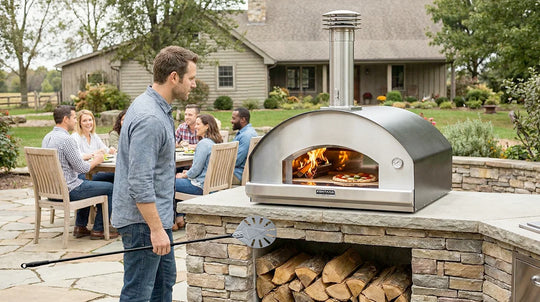
Most wood-fired pizza ovens have adjustable air intakes. These are typically located near the base of the oven, where the fuel is added.
- Primary Air: This is the air that feeds the combustion of the wood directly. Opening the air intake allows more oxygen to reach the burning logs, intensifying the flame.
- Secondary Air: In some oven designs, there might be secondary air inlets higher up, which help burn off smoke and volatile gases, leading to a cleaner, hotter flame.
Finding the Balance: Too little air results in a smoky, weak flame that struggles to reach high temperatures. Too much air can cause the fire to burn too quickly, consuming fuel rapidly without allowing the oven to reach its optimal thermal mass. The goal is to adjust the intakes to achieve a lively, rolling flame that burns efficiently.
Chimney And Venting
The chimney plays a vital role in drawing air into the oven and expelling smoke and combustion gases.
- Draft: A well-designed chimney creates a natural draft, pulling fresh air into the oven through the intakes and up through the chimney. The height and diameter of the chimney are important for creating adequate draft.
- Smoke Management: Proper venting ensures that smoke doesn’t build up inside the oven, which can happen if the draft is insufficient or if the air intakes are closed too much. Smoke buildup indicates incomplete combustion and can impart a sooty taste to your food.
- Chimney Cleaning: Regularly cleaning the chimney is essential. Creosote buildup can restrict airflow and is a significant fire hazard.
Fuel Bed Management
How you arrange the wood and manage the embers also affects airflow.
- Log Placement: Don’t pack logs too tightly. Leave space for air to circulate around them.
- Embers: Once the initial wood has burned down to glowing embers, this provides a consistent heat source. You can then add new logs to the side of the embers, allowing them to catch fire gradually without smothering the existing heat. This is a key technique for maintaining a stable temperature during a cooking session.
Oven Design And Thermal Mass: Supporting The Flame
The physical design of your pizza oven plays a significant role in its ability to maintain a stable flame and consistent cooking temperature. The concept of thermal mass is particularly important here.
Thermal Mass Explained
Thermal mass refers to the ability of a material to absorb, store, and slowly release heat. In pizza ovens, materials like fire bricks, refractory concrete, and thick insulation contribute to thermal mass.
- Heat Absorption: During the preheating phase, the oven absorbs a massive amount of heat from the fire. The more thermal mass, the longer this process takes, but the more heat the oven can store.
- Heat Retention: Once the fire dies down or is moved aside, the thermal mass slowly releases its stored heat. This is what allows you to cook multiple pizzas without constantly stoking a roaring fire.
- Flame Stability: A well-insulated oven with high thermal mass helps stabilize the flame by maintaining a consistent high temperature. It prevents rapid temperature fluctuations that can occur when adding new wood. The stored heat helps reignite logs and keep the combustion process robust.
Oven Shape And Size
The shape and size of the oven dome also influence flame behaviour and heat distribution.
- Dome Shape: A hemispherical or slightly parabolic dome helps reflect heat downwards and inwards, concentrating it onto the cooking surface and the pizza. It also aids in creating the rolling flame effect as hot gases circulate.
- Oven Mouth: The size of the oven opening (mouth) affects heat retention. A smaller opening generally retains heat better, but it can also make it harder to manage the fire and access the oven. A balance is needed for optimal performance.
- Floor Thickness: A thick, well-insulated oven floor is crucial for storing heat and preventing it from escaping downwards. This ensures the base of your pizza cooks evenly and doesn’t get soggy.
Insulation
High-quality insulation is critical for maximizing thermal mass and minimizing heat loss.
- Ceramic Fiber Blanket: This is a common and effective insulation material used in many modern pizza ovens. It’s lightweight, has excellent thermal resistance, and can withstand very high temperatures.
- Perlite/Vermiculite: These lightweight aggregates can be mixed with cement to create insulating layers.
- Importance: Without adequate insulation, much of the heat generated by your fire will escape through the oven walls and ceiling, requiring constant refueling and making flame stability difficult to achieve.
Firing Techniques For Optimal Flame Stability
Mastering the art of firing your pizza oven is as much about technique as it is about the equipment. A consistent approach to preheating and managing the fire throughout the cooking process is key to stable flames and perfect pizzas.
The Preheating Phase
This is the most critical stage for building thermal mass and preparing the oven for cooking.
- Start Small: Begin with small kindling and gradually add larger pieces of seasoned hardwood.
- Build the Fire: Once established, build a substantial fire in the centre or back of the oven. Aim for a roaring fire that heats the dome and walls effectively.
- Heating the Dome: Watch the dome of the oven. It will initially turn black with soot. As the temperature rises, the soot will burn off, and the dome will turn white or clear. This is a good indicator that the oven is reaching temperature.
- Duration: Preheating can take anywhere from 1 to 3 hours, depending on the oven’s size, insulation, and thermal mass. Don’t rush this process; a fully heated oven is essential for sustained cooking.
- Achieving Target Temperature: Use an infrared thermometer to check the temperature of the oven floor and the dome. For most pizzas, temperatures between 400°C and 500°C (750°F – 930°F) are ideal.
Managing The Flame During Cooking
Once the oven is preheated, you need to transition from a full-blown fire to a stable cooking environment.
- Moving the Fire: The common practice is to push the burning logs and embers to the side or back of the oven, creating a clear cooking area.
- Adding Fuel Strategically: As the temperature begins to drop, add small, seasoned logs to the side of the embers. This allows them to catch fire gradually without disrupting the cooking surface or extinguishing the embers.
- Maintaining the Rolling Flame: Aim for a lively flame that rolls around the dome. If the flame dies down too much, add a small log. If it becomes too aggressive and smoky, you may need to adjust air intakes or allow the wood to burn down slightly.
- Rotation: Remember to rotate your pizzas regularly to ensure even cooking, as the heat source is typically localized to one side of the oven.
Example: A Typical Firing Sequence
Let’s say you’re firing up a moderately sized wood-fired pizza oven for an evening of cooking:
- 0: 00-0:30: Place a generous amount of dry kindling and a few small, seasoned hardwood pieces in the centre of the oven. Light the kindling. Open air vents fully.
- 0: 30-1:00: As the kindling catches, add slightly larger pieces of hardwood. The fire should be growing steadily.
- 1: 00-2:00: Add larger logs to build a substantial fire. The oven dome will start to blacken. Keep air vents open.
- 2: 00-2:30: The fire is roaring. The dome should be clearing of soot and turning white. The oven floor temperature is rising rapidly.
- 2: 30-3:00: Push the burning logs and embers to one side of the oven. The dome temperature should be at or near your target (e.g., 480°C / 900°F). Close the air vents partially to reduce intense burning but maintain airflow.
- Cooking: Place the first pizza in the oven. If the flame falters during cooking, add one or two small, dry logs to the side of the embers. Rotate the pizza as needed.
- Subsequent Pizzas: Continue adding small logs as needed to maintain the desired temperature and flame activity between pizzas.
Common Issues Affecting Flame Stability And How To Fix Them
Even with the best practices, you might encounter problems that disrupt your pizza oven’s flame. Identifying and addressing these issues promptly will ensure consistent performance.
Issue: Smoky, Weak Flame
This is often the most common problem, especially for beginners.
- Cause: Insufficient airflow, wet wood, or an oven that hasn’t reached full temperature.
- Solution:
- Check Air Intakes: Ensure they are open enough to allow sufficient oxygen.
- Use Drier Wood: Verify your wood is well-seasoned (15-20% moisture content).
- Increase Preheating Time: Allow the oven to reach a higher temperature and build more thermal mass before attempting to cook.
- Clear Chimney: Ensure the chimney is not blocked by ash or creosote.
Issue: Flame Dies Out Quickly
The fire burns intensely for a short period and then extinguishes.
- Cause: Wood is too wet, not enough wood is being added, or the oven is losing heat too rapidly due to poor insulation.
- Solution:
- Use Drier Wood: This is the most likely culprit.
- Add Fuel More Frequently: Use smaller, seasoned logs and add them more often to maintain the fire.
- Check Insulation: If your oven is old or poorly constructed, insulation may have degraded. Consider adding more insulation if possible.
Issue: Excessive Soot Buildup
Black soot accumulates rapidly on the dome and in the oven.
- Cause: Incomplete combustion, often due to lack of oxygen or burning unseasoned wood.
- Solution:
- Improve Airflow: Open air intakes further.
- Use Seasoned Hardwoods: Ensure your fuel is dry and of good quality.
- Burn Hotter: Ensure the oven reaches and maintains a high temperature, which helps burn off soot. A clean burn at high temperatures (400°C+) will naturally clear the soot.
Issue: Uneven Heating
One side of the pizza cooks much faster than the other, or the oven floor temperature is inconsistent.
- Cause: Uneven fire distribution, poor heat circulation within the dome, or an unevenly heated oven floor.
- Solution:
- Manage Fire Bed: Ensure embers are spread somewhat evenly or that the fire is positioned to heat the entire dome.
- Rotate Pizzas: Consistent rotation is key.
- Check Oven Floor: Ensure the floor is heated uniformly during preheating. Uneven heating in the floor might indicate issues with the refractory material or insulation underneath.
Comparison Of Wood Types For Pizza Ovens
| Wood Type | Burn Temperature | Burn Duration | Aroma | Availability | Suitability for Pizza | Notes |
|---|---|---|---|---|---|---|
| **Oak** | High | Long | Mild | High | Excellent | Reliable, consistent heat |
| **Hickory** | Very High | Long | Smoky, Strong | Moderate | Excellent | Imparts strong flavour, burns very hot |
| **Maple** | High | Medium-Long | Mild | High | Very Good | Clean burn, good heat |
| **Fruitwoods** | Medium-High | Medium | Sweet, Mild | Moderate | Very Good | Adds subtle flavour, may burn faster |
| **Pine/Fir** | Low | Short | Resinous | High | **Avoid** | Burns fast, smoky, high creosote risk |
Maintenance And Longevity: Preserving Flame Stability
Regular maintenance is crucial for ensuring your pizza oven continues to perform optimally and maintain stable flames year after year. Neglecting maintenance can lead to issues that directly impact fire behaviour.
Cleaning The Oven Interior
- Ash Removal: After the oven has completely cooled, regularly remove excess ash from the oven floor. Ash can insulate the floor and prevent it from heating properly, impacting heat transfer to the pizza base. Use a stiff brush or a metal ash shovel.
- Soot and Creosote: While high temperatures burn off most soot, stubborn deposits or significant creosote buildup in the dome or near the chimney entrance should be addressed. A stiff wire brush can help dislodge these.
Chimney Maintenance
- Regular Inspection: Visually inspect the chimney for any signs of blockage or damage.
- Creosote Removal: Periodically, especially if you notice reduced draft or increased smoking, the chimney may need a more thorough cleaning to remove creosote. This can often be done with specialized chimney brushes. Warning: Significant creosote buildup is a serious fire hazard and can lead to chimney fires. If you’re unsure, consult a professional chimney sweep.
Inspecting The Oven Structure
- Cracks: Over time, especially with extreme temperature fluctuations, small cracks may appear in the firebricks or refractory materials. Minor hairline cracks are usually not a problem, but larger cracks should be monitored and repaired using appropriate refractory cement to prevent them from worsening and compromising the oven’s integrity and insulation.
- Insulation: Check the condition of the external insulation (e.g., ceramic fiber blanket). Ensure it is intact and hasn’t been damaged or become waterlogged. Damaged insulation will lead to heat loss and make maintaining high temperatures more difficult.
Protecting From The Elements
- Covers: When not in use, especially during wet or freezing weather, cover your pizza oven to protect it from moisture and extreme temperature changes. Ensure the cover allows for some air circulation to prevent condensation buildup.
- Winterization: In very cold climates, take extra precautions to prevent water from freezing and expanding within the oven structure, which can cause damage.
Frequently Asked Questions
What Is The Ideal Type Of Wood For A Stable Pizza Oven Flame?
The ideal wood is dry, seasoned hardwood. Options like oak, hickory, maple, and fruitwoods are excellent choices. They are dense, burn hot and long, and produce less smoke and creosote compared to softwoods. Ensure the wood has a moisture content of

As the author of the “Ultimate Pizza Guide: Recipes, Tips & Secrets Revealed,” I’m dedicated to sharing my love for pizza and empowering others to create delicious homemade pizzas with ease. Join me on a journey to uncover the secrets to perfecting your pizza game!