“Pizza Dough Gluten Strength”
If you’ve ever struggled with pizza dough that tears easily or won’t stretch just right, the secret lies in understanding gluten strength. Gluten is what gives your dough its stretch, chew, and structure — but getting it just right can be tricky.
Too weak, and your dough falls apart; too strong, and it becomes tough and hard to work with. You’ll discover how to build the perfect gluten network in your pizza dough. Learn simple, effective techniques that will transform your homemade pizza from ordinary to extraordinary.
Ready to master the art of gluten strength and bake the perfect crust every time? Let’s dive in!

Credit: breadtopia.com
Gluten’s Role In Dough
Gluten plays a crucial role in making pizza dough. It forms a network of proteins that gives dough its structure and elasticity. This network traps gas from yeast, allowing the dough to rise and stretch. Without gluten, pizza dough would be crumbly and hard to shape. Understanding gluten helps bakers create dough with the perfect texture and strength.
Gluten And Texture
Gluten affects the texture of pizza dough directly. It creates a chewy and soft bite that many pizza lovers enjoy. More gluten means the dough can stretch thin without tearing. It also helps produce a light and airy crust by holding air bubbles inside the dough. The right gluten balance ensures the crust is not too dense or too tough.
Gluten And Dough Strength
Gluten gives dough its strength and elasticity. It allows the dough to hold its shape during fermentation and baking. Strong gluten helps the dough resist over-expansion and collapsing. It also makes the dough easier to handle and shape into a pizza base. Proper gluten development results in a dough that is strong yet flexible.
Choosing The Right Flour
Choosing the right flour is key to making great pizza dough. Flour affects gluten strength, which shapes dough texture and stretch. Different flours have varied protein levels. This difference changes how dough behaves when mixed and baked.
High-protein Vs Low-protein Flours
High-protein flours create strong gluten networks. This gives dough more stretch and chewiness. Low-protein flours produce softer dough with less elasticity. They are best for thin, delicate crusts.
For pizza dough, stronger gluten helps hold toppings and air pockets. This results in a chewy, well-risen crust. Bakers often choose flours with protein between 11% and 14%.
Bread Flour And Tipo 00
Bread flour is a popular choice for pizza. It has high protein, usually 12-14%. This flour builds good gluten strength for a chewy texture. It also gives dough resilience during stretching.
Tipo 00 flour is finely milled and lower in protein, around 11-12%. It is traditional for Neapolitan pizza. This flour creates a soft, tender crust with a slight chew. It also absorbs water well, making the dough smooth and easy to work.
Choosing between bread flour and Tipo 00 depends on pizza style. Bread flour suits thicker, chewier crusts. Tipo 00 fits thin, light Neapolitan-style pizzas.
Techniques To Develop Gluten
Gluten development is essential for pizza dough to gain strength and elasticity. Proper techniques help create a dough that stretches without tearing. This results in a chewy, airy crust that holds toppings well. Understanding how to develop gluten can improve your pizza’s texture and rise.
Kneading Methods
Kneading mixes flour and water to start gluten formation. Using your hands, fold and push the dough repeatedly. This action aligns gluten proteins and strengthens their bonds. A smooth, elastic dough shows well-developed gluten. Avoid under-kneading, which leads to weak structure. Over-kneading can make dough tough and hard to shape.
Resting And Fermentation
Resting allows gluten strands to relax and realign. After kneading, let the dough rest for 20 to 30 minutes. Fermentation is the process where yeast produces gas and flavor. This also helps gluten develop naturally. A longer fermentation improves dough strength and texture. It creates bubbles that make the crust light and airy.
Cold Fermentation Benefits
Cold fermentation means letting dough rest in the fridge for hours or days. This slow process enhances gluten strength and dough flavor. Cooler temperatures slow yeast activity, allowing gluten to mature gently. Dough becomes easier to stretch and shape without tearing. Cold fermentation also gives pizza a better crust and deeper taste.
Credit: www.pizzablab.com
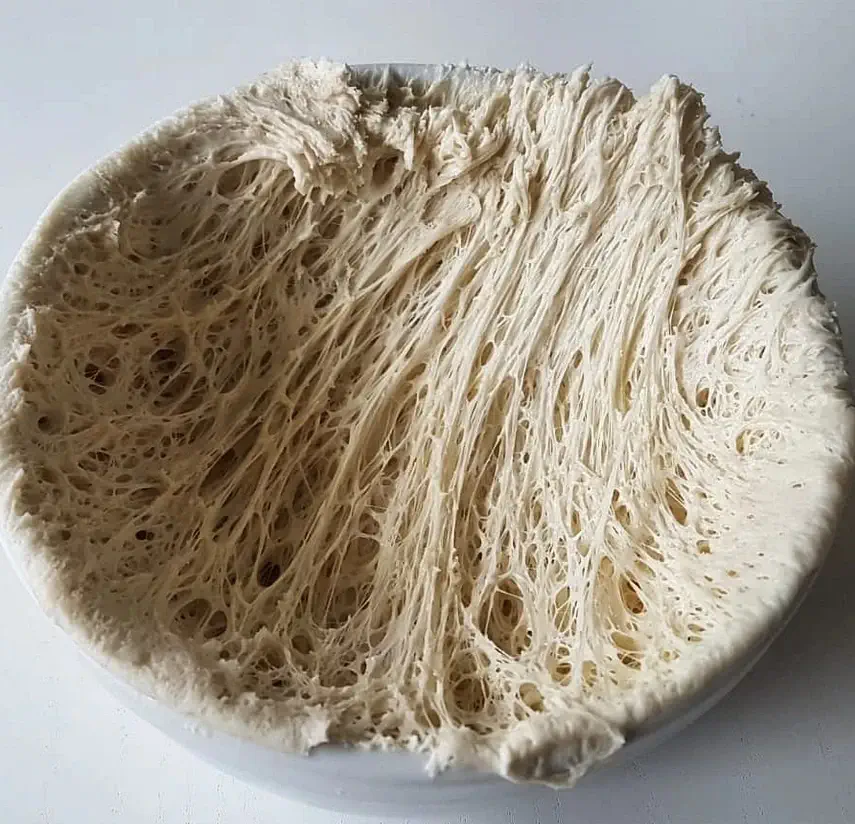
Signs Of Gluten Development
Gluten development is essential for strong, stretchy pizza dough. It forms a network that traps gas and gives dough its shape. Recognizing signs of gluten development helps make better pizza crusts. Too little or too much gluten affects dough texture and handling.
Watch for changes in dough feel and look. These clues show if gluten is under or overdeveloped. Adjust your kneading time or flour choice based on these signs.
Underdeveloped Gluten Symptoms
Dough feels sticky and tears easily. It lacks elasticity and snaps back poorly when stretched. The dough is soft and slack, making it hard to shape. It may not rise well, resulting in a dense crust. Bubbles in the dough are small or missing.
Overdeveloped Gluten Symptoms
Dough becomes tough and hard to stretch. It resists shaping and feels tight and dry. The texture turns chewy or rubbery after baking. It may shrink back quickly after stretching. Overworked dough can break or tear during handling.
Troubleshooting Dough Issues
Troubleshooting dough issues is key to baking better pizza. Problems with dough strength and texture often cause frustration. Understanding common dough issues helps fix them fast. This section covers practical tips to solve dough problems.
Preventing Dough Collapse
Dough collapse happens when gluten is too weak. Weak gluten cannot hold gas during rising. To prevent collapse, use bread flour with higher protein. Knead dough well to develop a strong gluten network. Avoid over-proofing; too long rising breaks gluten bonds. Keep dough cool during fermentation to slow yeast activity. Handle dough gently when shaping to keep bubbles intact.
Managing Tough Or Sticky Dough
Tough dough means gluten is overdeveloped or dry. Add a little water to soften tough dough. Knead less next time to avoid extra gluten. Sticky dough shows too much moisture or weak gluten. Sprinkle flour gradually to reduce stickiness but avoid adding too much. Rest dough 10-15 minutes to let gluten relax. Use oil on hands to handle sticky dough without tearing.
Credit: strengthandsunshine.com
Enhancing Stretch And Strength
Enhancing the stretch and strength of pizza dough is essential for a perfect crust. Strong gluten helps the dough hold shape and stretch thin without breaking. Achieving this balance requires attention to gluten development and careful handling of the dough.
Gluten Bond Formation
Gluten forms when water mixes with wheat proteins, glutenin and gliadin. Kneading the dough encourages these proteins to link together. This creates a network of gluten bonds that give dough its strength. More bonds mean dough can stretch farther without tearing. Resting the dough allows these bonds to relax and strengthen over time.
Stretching Without Tearing
Proper gluten structure lets you stretch dough smoothly. Gentle, even pressure helps avoid tears. Stretching too fast or unevenly breaks gluten bonds and causes holes. Using your knuckles or fingertips, stretch the dough slowly in all directions. Let gravity assist by holding the dough’s edge and rotating it. This method keeps the dough thin yet strong.
Alternative Dough Options
Exploring alternative dough options can open new possibilities for pizza lovers. Traditional dough relies heavily on gluten for its strength and stretch. Some people need or prefer doughs with less or no gluten. These alternatives require different techniques to achieve a good texture and taste.
Gluten-free Dough Tips
Gluten-free dough needs special care. Use gluten-free flour blends designed for baking. Add xanthan gum or psyllium husk to mimic gluten’s elasticity. Knead gently to avoid breaking the dough. Let the dough rest longer; this helps hydration. Bake on a preheated stone for a crisp crust. Work quickly because gluten-free dough can dry out fast.
Adjusting Techniques For Different Flours
Different flours absorb water differently. Whole wheat flour needs more water and longer kneading. Rye flour creates denser dough and less rise. Use a mix of all-purpose and specialty flours for balance. Adjust yeast amounts based on flour type. Monitor dough texture; it should feel soft and slightly sticky. Allow extra fermentation time for non-traditional flours to develop flavor. Experiment to find the best mix for your taste.
Frequently Asked Questions
What Is The Gluten Level In Pizza Dough?
Pizza dough typically contains 10-14% gluten, depending on the flour type used. Higher gluten yields firmer, chewier crusts.
How To Strengthen Gluten In Pizza Dough?
Use bread flour for higher gluten content. Knead dough thoroughly to develop gluten strands. Allow dough to rest for elasticity. Avoid over-kneading to prevent toughness. Proper hydration also strengthens gluten in pizza dough.
What Is The 55 Rule For Pizza Dough?
The 55 rule for pizza dough means using 55% hydration—55 grams of water per 100 grams of flour—for balanced texture and elasticity.
What Are The Signs Of Overdeveloped Gluten?
Signs of overdeveloped gluten include tough, dense dough that resists stretching and feels hard to knead. The dough may tear easily and lack elasticity.
Conclusion
Gluten strength shapes pizza dough texture and stretch. Strong gluten creates a chewy, elastic base. Kneading and resting help develop gluten bonds well. Using bread flour raises gluten content for firmness. Avoid overworking dough to keep it soft and pliable.
Understanding gluten lets you control dough quality easily. Great pizza starts with balanced gluten development. Keep practicing to find your perfect dough feel.

As the author of the “Ultimate Pizza Guide: Recipes, Tips & Secrets Revealed,” I’m dedicated to sharing my love for pizza and empowering others to create delicious homemade pizzas with ease. Join me on a journey to uncover the secrets to perfecting your pizza game!