“Pizza Dough Freezing Effects”
Have you ever wondered if freezing your pizza dough changes the way your homemade pizza tastes or feels? If you love having dough ready for a quick pizza night but worry about losing that fresh-baked quality, you’re not alone.
Freezing pizza dough can be a game-changer, letting you enjoy delicious pizzas anytime without the last-minute rush. But how does freezing really affect the texture, rise, and flavor of your dough? You’ll discover the surprising effects of freezing pizza dough and simple tips to keep it tasting just as good as fresh.
Stick with us, and you’ll never hesitate to freeze your dough again.
Credit: www.prepapizza.com
Freezing Impact On Dough Quality
Freezing pizza dough is a popular method to store it for future use. It helps keep dough fresh longer than refrigeration alone. Freezing slows down yeast activity and enzyme actions. This pause affects dough quality in several ways. Understanding these effects helps you get the best results from frozen dough.
Shelf Life Extension
Freezing pizza dough extends its shelf life significantly. Fresh dough lasts about two to three days in the fridge. Frozen dough can stay good for up to three months. This long storage time reduces waste and saves money. Proper wrapping prevents freezer burn and keeps dough fresh.
Effect On Taste
Freezing can slightly change the dough’s flavor. The yeast activity slows down but does not stop completely. This pause can reduce the development of complex flavors. Some subtle taste differences may appear after freezing. Thawing and resting the dough before baking helps restore flavor.
Texture Changes
Freezing affects the dough’s texture in noticeable ways. Ice crystals form during freezing and can damage gluten strands. This damage may cause the dough to be less elastic. The crust may turn out less chewy and more crumbly. Proper thawing and gentle handling improve the final texture.
Yeast Behavior In Frozen Dough
Freezing pizza dough impacts how yeast behaves during storage and baking. Yeast is a living organism that drives dough rising by producing gas. Cold temperatures in the freezer slow down yeast activity to nearly a halt. This pause helps preserve the dough but also changes fermentation dynamics. Understanding yeast behavior in frozen dough improves dough handling and baking results.
Yeast Activity Reduction
Freezing dough causes yeast cells to become inactive. The cold temperature slows yeast metabolism. Yeast stops producing carbon dioxide gas. This pause prevents dough from over-fermenting during storage. Yeast activity reduction helps keep dough quality stable for weeks. However, some yeast cells may die from ice crystal formation. Using fresh yeast before freezing can improve dough rise after thawing.
Fermentation Control
Freezing dough controls fermentation by halting yeast action. This allows bakers to freeze dough at the desired fermentation stage. For example, freezing after the first rise locks in flavor and texture. Fermentation control reduces the risk of dough over-proofing. It also makes dough easier to manage in busy kitchens. Proper fermentation control ensures consistent pizza dough quality after freezing.
Reactivation After Thawing
Thawing frozen dough restarts yeast activity gradually. Yeast wakes up as the dough warms to room temperature. It resumes producing gas to make the dough rise again. Allow dough to thaw slowly in the refrigerator for best results. After thawing, give dough time to proof before baking. Proper reactivation restores dough elasticity and flavor for tasty pizzas.
Freezing Dough Before Vs After Rising
Freezing pizza dough can save time and reduce waste. Deciding whether to freeze dough before or after rising impacts texture and flavor. Each method has unique effects on yeast activity and dough handling. Understanding these differences helps achieve the best pizza crust every time.
Freezing Unrisen Dough
Freezing dough before it rises stops yeast activity completely. The dough remains dense and firm after thawing. It requires a longer time to rise once thawed. This method is great for planning ahead. You can shape and freeze dough right after mixing. It freezes well without losing structure or taste. However, the flavor may be less developed compared to risen dough.
Freezing After Bulk Fermentation
Freezing dough after it has risen pauses the fermentation process. The dough is softer and more elastic at this stage. Yeast has already produced gas and flavor compounds. After thawing, the dough needs less time to rise again. This method offers convenience for quick pizza nights. Proper wrapping prevents freezer burn and keeps moisture. It is important to deflate gently before freezing to keep texture intact.
Flavor Development Differences
Dough frozen before rising has milder flavor. Yeast has not produced much gas or aroma yet. Dough frozen after rising contains more complex, rich flavors. Yeast fermentation produces acids and alcohols that enhance taste. Thawing risen dough allows flavors to continue developing. The final crust tends to be chewier and more flavorful. Choosing when to freeze depends on your taste preference and schedule.
Step-by-step Freezing Process
Freezing pizza dough extends its shelf life and keeps it ready for quick pizza nights. The process requires careful steps to maintain dough quality. Follow this step-by-step freezing process to preserve texture and flavor.
Portioning And Shaping
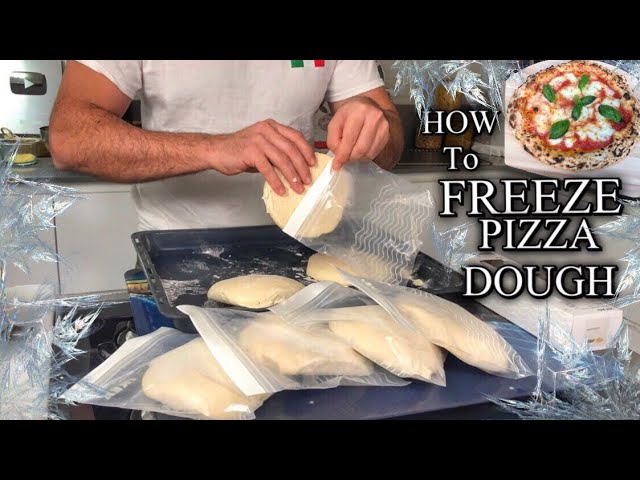
After the dough has risen, gently deflate it. Divide the dough into portions based on your pizza size. Shape each portion into a smooth ball to avoid air pockets. This helps the dough freeze evenly and thaw well later.
Oiling And Wrapping Techniques
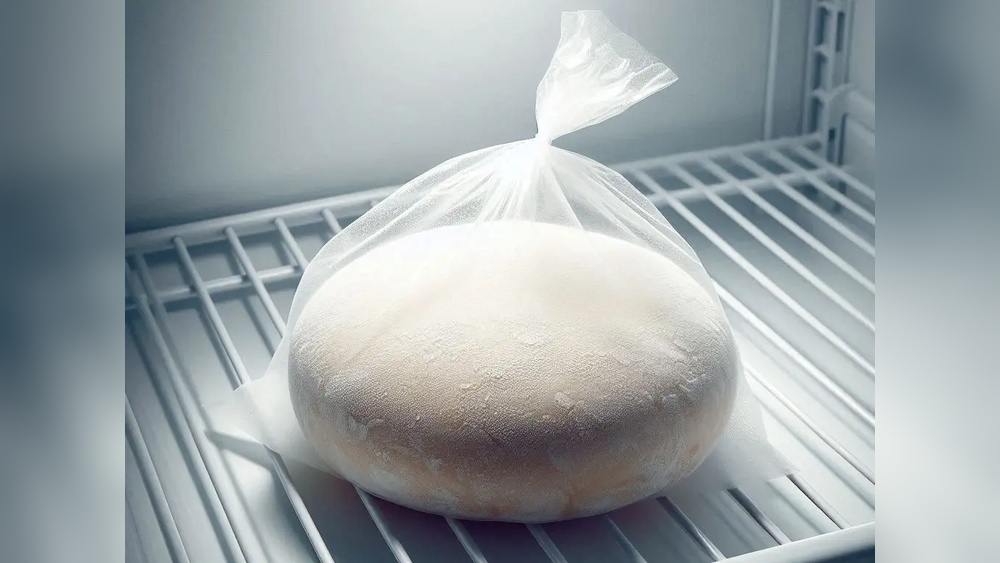
Lightly coat each dough ball with olive oil or cooking spray. This prevents the dough from drying out during freezing. Wrap each ball tightly with plastic wrap to seal in moisture. For extra protection, cover with aluminum foil or place in a freezer bag.
Preventing Freezer Burn
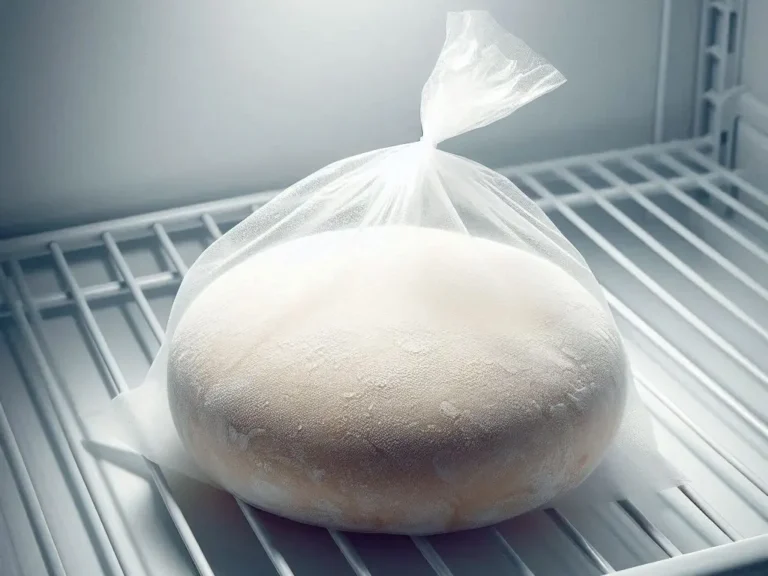
Remove as much air as possible from the wrapping to stop freezer burn. Use airtight containers or heavy-duty freezer bags for best results. Label each package with the date to track freshness. Proper wrapping keeps the dough fresh for up to three months.
Thawing And Using Frozen Dough
Thawing and using frozen pizza dough is simple with the right steps. Proper thawing preserves dough texture and flavor. Using frozen dough saves time and reduces waste. Follow these tips for best results and enjoy fresh-tasting pizza anytime.
Proper Thawing Methods
Thaw frozen dough slowly in the refrigerator for 8 to 12 hours. This prevents rapid yeast activation and keeps dough smooth. Avoid thawing dough at room temperature to stop over-fermentation. For quicker thawing, place dough in a sealed bag in cold water for 1 to 2 hours.
Resting For Yeast Reactivation
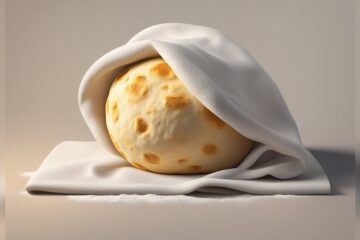
After thawing, let the dough rest at room temperature for 30 to 60 minutes. This reactivates the yeast and improves dough elasticity. Cover the dough with a damp cloth to prevent drying out. Resting also makes the dough easier to shape and stretch.
Tips For Best Baking Results
Use a hot oven, around 475°F (245°C), for a crispy crust. Avoid over-handling the dough to keep air bubbles inside. Let the shaped dough rise for 20 to 30 minutes before baking. Brush edges with olive oil for a golden finish. Bake on a preheated pizza stone or baking sheet for even heat.
:max_bytes(150000):strip_icc()/20190319-cast-iron-pan-pizza-reshoot-vicky-wasik-12-aa4e27d0b0cd4cab9ed93fe8fa83ac7e.jpg)
Credit: www.seriouseats.com
Common Freezing Mistakes
Freezing pizza dough can save time and reduce waste. Yet, many make mistakes that hurt dough quality. These errors lead to poor texture and flavor. Avoid these common freezing mistakes to keep your dough fresh and tasty.
Delaying Freezing After Shaping
Waiting too long after shaping dough before freezing causes problems. Yeast continues to ferment and produce gas. This can make the dough overproofed and weak. Freeze dough immediately after shaping to stop fermentation. This keeps the dough’s structure firm and ready to use.
Inadequate Wrapping
Not wrapping dough well invites freezer burn and dryness. Air exposure causes ice crystals to form on the dough surface. Wrap dough tightly in plastic wrap or use airtight containers. Double wrapping with foil helps prevent odors and moisture loss. Proper wrapping preserves dough texture and flavor during freezing.
Freezing For Too Long
Freezing dough for more than three months lowers quality. Long freezing times damage yeast and gluten structure. This results in dough that rises poorly and tastes dull. Use frozen dough within three months for best results. Label your dough with the freezing date to track storage time.
Storing Frozen Dough Long-term
Storing pizza dough in the freezer for a long time keeps it fresh and ready for use. Proper freezing stops the dough from spoiling and helps keep its texture and flavor. You can enjoy homemade pizza anytime by preparing dough ahead and freezing it correctly. Understanding the best ways to store frozen dough extends its shelf life and maintains quality.
Recommended Storage Duration
Freeze pizza dough for up to three months for best taste. Beyond this, the dough may lose flavor and texture. Shorter freezing times keep the yeast active and dough soft. Avoid storing dough longer than recommended to prevent freezer burn and stale taste.
Storage Containers And Bags
Use airtight containers or heavy-duty freezer bags to store dough. Remove as much air as possible to prevent freezer burn. Plastic wrap around dough balls before placing in bags adds extra protection. Proper sealing keeps moisture and odors out, preserving dough quality.
Labeling And Rotation
Label each package with the freezing date and type of dough. Use the oldest dough first to keep stock fresh. Rotate stored dough regularly to avoid keeping any batch too long. Clear labels help track storage time and reduce waste effectively.
Comparing Fresh And Frozen Dough
Choosing between fresh and frozen pizza dough depends on many factors. Both have unique benefits and slight differences in taste and texture. Understanding these can help you decide which suits your needs best. Below, we compare fresh and frozen dough on key points.
Convenience And Waste Reduction
Frozen dough offers great convenience. You can store it for weeks without losing quality. This means less frequent shopping trips and more ready-to-use dough on hand. It also helps reduce food waste. You only thaw what you need, avoiding leftover dough spoilage. Fresh dough, however, needs to be used within a few days. It requires careful planning to avoid throwing it away.
Flavor And Texture Differences
Fresh dough has a bright, yeasty flavor and a soft texture. It often rises better in the oven, creating a lighter crust. Frozen dough may lose some yeast activity during freezing. This can cause a denser texture and milder flavor. Letting frozen dough thaw slowly in the fridge helps preserve taste. Using olive oil or brushing dough before freezing can improve texture after baking.
When To Choose Frozen Dough
Frozen dough suits busy schedules and meal prepping. It works well for those who make pizza occasionally. Freezing after the first rise locks in flavor and stops fermentation. This allows quick thawing and baking later. Choose frozen dough if you want less waste or longer storage. Fresh dough fits better if you bake daily or prefer the freshest taste.
Credit: www.pizzablab.com
Frequently Asked Questions
Does Freezing Pizza Dough Affect Quality?
Freezing pizza dough preserves quality for up to three months when wrapped tightly. It slows yeast activity, maintaining flavor and texture. Thaw dough overnight in the fridge, then let it rest at room temperature before baking for the best results.
Is Pizza Dough Still Good After Being Frozen?
Yes, pizza dough stays good after freezing for about three months if stored properly. Thaw in the fridge, then rest at room temperature before baking.
Can Freezing Dough Ruin The Yeast?
Freezing dough does not ruin yeast but slows its activity. Properly frozen dough retains yeast and quality for months.
Can You Freeze Pizza Dough After It’s Proofed?
Yes, you can freeze pizza dough after proofing. Portion, oil, wrap tightly, and freeze up to three months. Thaw in the fridge overnight, then rest at room temperature before baking for best results. Freezing after rising preserves flavor and pauses fermentation.
Conclusion
Freezing pizza dough helps you save time and reduce waste. It keeps dough fresh for weeks without losing taste. The yeast stays active if you freeze dough properly. Always wrap dough tightly to avoid freezer burn. Thaw dough slowly for the best texture and flavor.
This method suits busy people who love homemade pizza. Enjoy making pizza anytime with ready-to-use frozen dough. Simple steps lead to delicious results every time.

As the author of the “Ultimate Pizza Guide: Recipes, Tips & Secrets Revealed,” I’m dedicated to sharing my love for pizza and empowering others to create delicious homemade pizzas with ease. Join me on a journey to uncover the secrets to perfecting your pizza game!