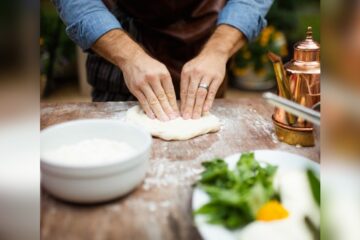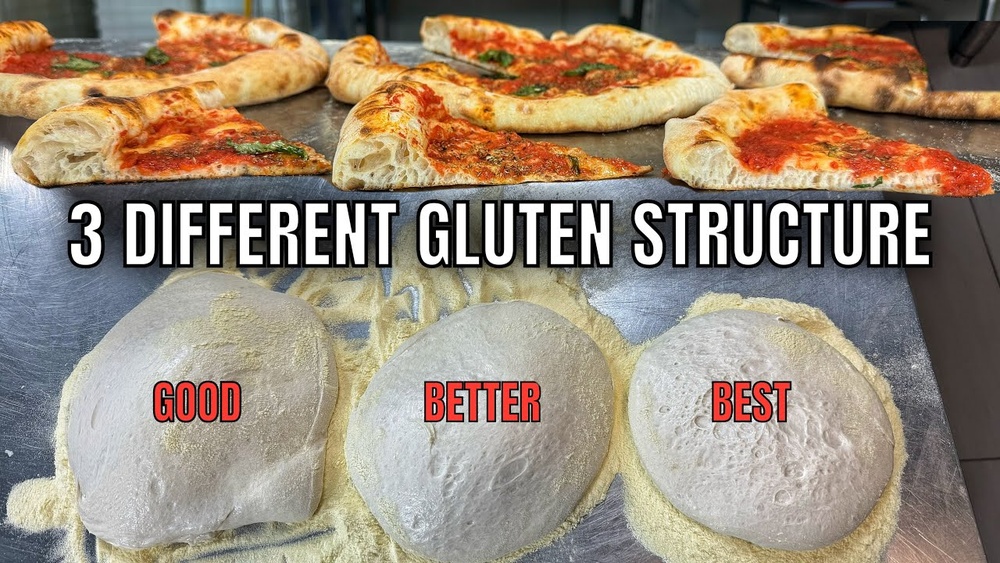
“Pizza Dough Gluten Development”
If you want to make the perfect pizza, understanding how gluten develops in your dough is key. Gluten gives your pizza dough its stretch, chew, and structure, turning simple ingredients into a masterpiece.
But how do you know when your dough’s gluten is just right? Too little, and your pizza will be flat and crumbly. Too much, and it becomes tough and hard to shape. You’ll discover the step-by-step process of gluten development, the role of each ingredient, and simple tests to help you master your dough every time.
Ready to take your pizza game to the next level? Let’s dive in!
Gluten Basics
Understanding gluten is key to making great pizza dough. Gluten forms the dough’s structure and texture. It helps the dough stretch without tearing. Gluten also traps air, making the crust light and chewy. Let’s explore the basics of gluten and how it works in pizza dough.
Protein Components
Gluten comes from two main proteins in wheat flour: gliadin and glutenin. Gliadin gives dough its ability to stretch. Glutenin provides strength and elasticity. Water activates these proteins. When mixed, they link together to form gluten strands. This network is what makes dough stretchy and strong.
Gluten’s Role In Dough
Gluten forms a web-like structure inside the dough. This structure traps gas produced by yeast. Trapped gas helps the dough rise and become airy. Gluten also gives dough its chewy texture. Proper gluten development means smooth, elastic dough. Overworking the dough can make it tough and hard to shape.

Credit: eu.gozney.com
Hydration And Protein Activation
Hydration and protein activation are key steps in making pizza dough. Water works with flour proteins to start gluten formation. This process shapes the dough’s texture and strength. Proper hydration helps the dough rise and become stretchy. It affects the final pizza crust’s chewiness and structure.
Understanding how water interacts with proteins helps improve dough quality. The proteins gliadin and glutenin respond to water by linking together. This creates a stretchy network that traps air bubbles during baking. The first moments of mixing are crucial for starting these bonds.
Water’s Effect On Proteins
Water softens the flour and activates proteins. Gliadin and glutenin absorb water and swell. This makes them sticky and ready to bond. Without enough water, proteins stay dry and do not link well. Too much water can make the dough weak and sticky. The right balance creates a strong gluten network.
Initial Bonding Process
Once water is added, proteins begin to connect. Gliadin provides dough extensibility or stretch. Glutenin adds strength and elasticity. These proteins form chains that link into a web. Mixing or kneading helps align and tighten these bonds. This network traps gas, allowing the dough to rise.
Mixing And Kneading Techniques
Mixing and kneading are essential steps in making pizza dough. These techniques help develop gluten, which gives dough its strength and stretchiness. Proper handling of the dough makes it easier to shape and improves the final texture of the pizza crust.
Each movement during mixing and kneading affects how the dough forms. The proteins in the flour start to connect and create a network. This network traps air, allowing the dough to rise well and have a chewy bite.
Stretching Protein Chains
Gluten forms from two main proteins: gliadin and glutenin. When water is added, these proteins absorb it and begin to unfold. Kneading stretches these protein chains, aligning them in long strands. This stretching helps the proteins link together tightly. The longer and more stretched the chains, the stronger the dough becomes.
Proper stretching avoids breaking the proteins. Gentle, consistent kneading is better than rough handling. This process creates a dough that is smooth and flexible. It also prepares the dough to hold gas bubbles during fermentation.
Building Elastic Networks
As protein chains stretch, they start to form a web-like network. This network is elastic, meaning it can stretch and return to shape. Mixing and kneading develop this network by folding and pressing the dough repeatedly. Each fold adds strength and elasticity.
An elastic network traps carbon dioxide from yeast fermentation. This trapped gas makes the dough rise and creates air pockets in the crust. The result is a light, airy pizza with a chewy texture. Without proper kneading, this network remains weak, causing dense, flat dough.
Resting And Fermentation
Resting and fermentation play a key role in developing gluten in pizza dough. These steps allow the dough to transform from a sticky mass to a smooth, elastic ball. During this time, the dough’s texture improves, making it easier to shape and stretch without tearing. The process also enhances flavor and creates the perfect crust texture in the oven.
Autolysis And Enzyme Activity
Autolysis happens when flour and water mix and rest before kneading. Enzymes in the flour start breaking down starch and proteins. This softens the dough and helps gluten proteins link more easily. The dough becomes more extensible and less sticky. Autolysis reduces mixing time and improves dough strength.
Gluten Relaxation
Resting allows gluten strands to relax after kneading. This reduces dough elasticity and resistance. Relaxed gluten makes the dough easier to stretch and shape. Without resting, the dough snaps back when pulled. Proper relaxation prevents tearing and helps form a smooth pizza base.
Gas Bubble Formation
During fermentation, yeast produces carbon dioxide gas. The gas forms bubbles trapped by the gluten network. These bubbles make the dough rise and become airy. Well-formed bubbles create a light and chewy crust. Slow fermentation develops more flavor and better texture.
Gluten Network And Gas Trapping
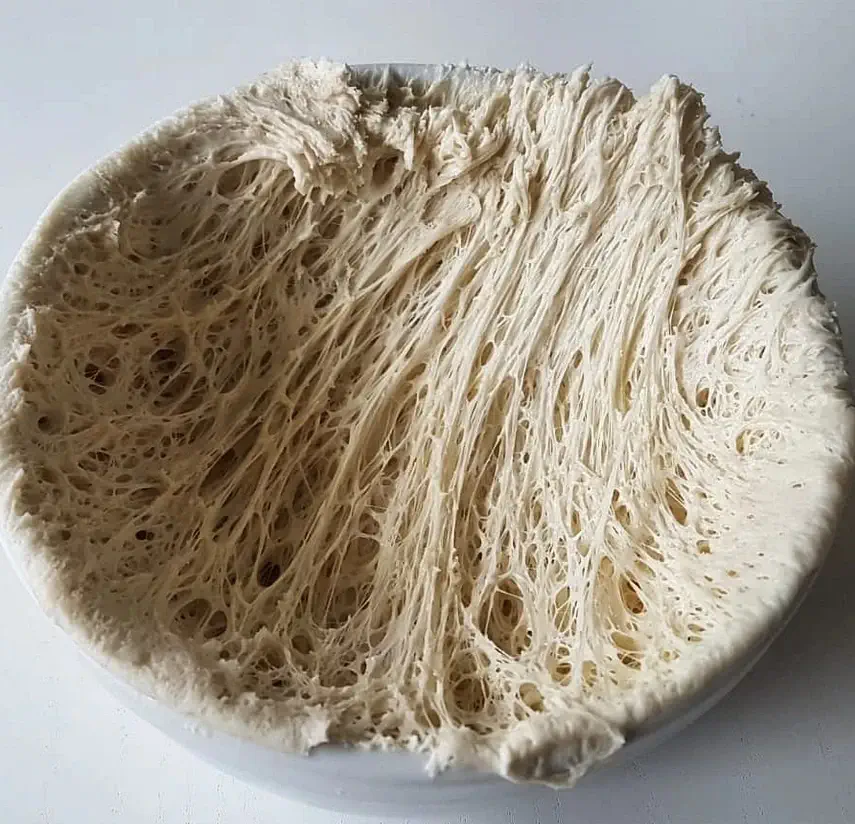
The gluten network in pizza dough plays a key role in creating the perfect crust. It forms a web-like structure inside the dough. This network traps gas bubbles produced by yeast during fermentation. Trapped gas helps the dough rise and gives the crust its airy texture. Understanding how gluten and gas work together helps make better pizza dough.
Structure And Elasticity
Gluten forms when water mixes with wheat proteins gliadin and glutenin. These proteins link together, creating a stretchy, elastic network. This network gives dough strength and flexibility. Elasticity allows the dough to stretch without breaking. The structure holds the shape of the dough during rising and baking. Strong gluten results in a chewy and well-formed crust.
Dough Rise Mechanics
Yeast produces carbon dioxide gas as it ferments the dough. The gluten network traps these gas bubbles inside. Trapped gas makes the dough expand and rise. A well-developed gluten network holds gas bubbles tightly, preventing them from escaping. This causes the dough to rise evenly and develop air pockets. Proper gas trapping is essential for a light and fluffy pizza crust.
Credit: www.pizzablab.com
Key Protein Functions
The key proteins in pizza dough play a vital role in gluten development. Gluten gives dough its texture and strength. Two main proteins, glutenin and gliadin, work together to create the dough’s unique structure. Understanding how these proteins function helps improve dough quality and baking results.
Glutenin For Strength
Glutenin forms long, strong chains in the dough. These chains link together to create a sturdy network. This network holds the dough’s shape and resists tearing. It gives the dough the strength needed to rise and hold air bubbles. Without glutenin, the dough would be weak and crumbly.
Gliadin For Stretch
Gliadin provides elasticity and stretch to the dough. It allows the dough to stretch without breaking. This is important when shaping pizza crusts by hand. Gliadin helps the dough snap back slightly, giving it a soft, chewy texture. Together with glutenin, gliadin balances strength with flexibility.
Influencing Factors
Gluten development plays a crucial role in pizza dough texture and strength. Various factors influence how gluten forms and behaves. Understanding these factors helps create the ideal dough for baking. Two key elements that affect gluten development are flour protein content and the presence of fats.
Flour Protein Content
Protein content in flour directly impacts gluten formation. Higher protein flours contain more gluten-forming proteins, gliadin and glutenin. These proteins link together when mixed with water, creating a stretchy dough. Bread or high-gluten flour usually has 12-14% protein, ideal for pizza dough. Lower protein flours produce softer dough with less elasticity. Choosing the right flour protein content balances dough strength and chewiness.
Effect Of Fats
Fats like oil or butter affect gluten development by coating proteins. This coating limits water absorption and protein bonding. As a result, dough becomes softer and less elastic. Fats tenderize the dough and slow gluten formation. Small amounts of fat improve dough handling and flavor without weakening structure. Excess fat can reduce dough rise and chewiness, so balance is essential.
Testing Gluten Development
Testing gluten development is essential for perfect pizza dough. It shows if the dough has the right texture and strength. Proper gluten gives dough elasticity and chewiness. Without testing, dough can be too weak or too tough. Simple tests help know when gluten is ready.
Windowpane Test
The windowpane test checks gluten formation by stretching dough. Take a small dough piece and stretch it gently. If it stretches thin without tearing, gluten is well developed. You can see light through the stretched dough like a windowpane. If it breaks easily, the dough needs more kneading.
Signs Of Proper Gluten Formation
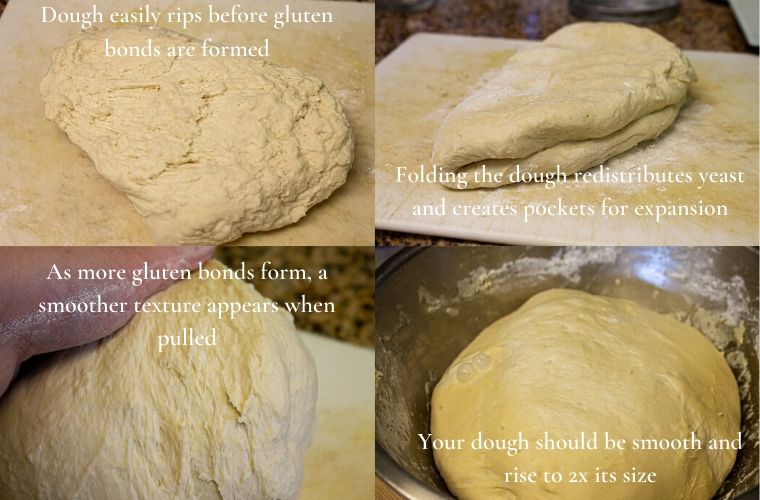
Good gluten makes dough smooth and elastic. It should bounce back when pressed lightly. The dough feels soft but holds its shape well. Avoid dough that is sticky or tears easily. Proper gluten also traps gas, creating air pockets for a light crust.
Tips For Perfect Chewy Crust
Creating a perfect chewy pizza crust depends largely on how gluten develops in the dough. Gluten forms a stretchy network that traps air, giving the crust its chewy texture. Proper techniques during mixing, hydration, and flour choice influence gluten strength. Follow these simple tips for a chewy crust that feels light and elastic.
Optimal Mixing Time
Mix the dough just until it looks smooth and slightly shiny. Over-mixing breaks down gluten strands, making dough hard to shape. Under-mixing leaves gluten underdeveloped and the crust crumbly. Aim for a soft dough that springs back when pressed.
Balancing Hydration And Rest
Use enough water to hydrate the flour fully without making the dough sticky. Higher hydration helps gluten form a strong, flexible network. Let the dough rest after mixing. Resting relaxes gluten and improves stretchiness, making the dough easier to work with.
Choosing The Right Flour
Select flour with moderate to high protein content for better gluten development. Bread flour or Italian 00 flour works well. Avoid low-protein flours like cake or all-purpose flour, which produce weak gluten and a less chewy crust.
Credit: twistsandzests.com
Frequently Asked Questions
How Much Gluten Development For Pizza Dough?
Gluten development for pizza dough should be moderate, forming a smooth, elastic, and slightly stretchy texture. Avoid overmixing to keep dough easy to shape. Kneading and resting hydrate and align proteins, creating structure and chewiness essential for good pizza crust.
What Technique Is Used To Develop The Gluten In The Pizza Dough?
Kneading develops gluten in pizza dough by stretching and aligning protein strands into an elastic network. Hydration and resting also help gluten form, improving dough elasticity, structure, and gas retention for better rise and texture.
What Is The 55 Rule For Pizza Dough?
The 55 rule for pizza dough means using 55% hydration—55 grams of water per 100 grams of flour. This ratio balances elasticity and softness. It helps develop gluten properly, creating a stretchy, easy-to-shape dough ideal for pizza crusts.
How Does Gluten Develop In Dough?
Gluten develops when water hydrates wheat proteins gliadin and glutenin. Kneading aligns these proteins into an elastic network. Resting strengthens this web, trapping gas for dough rise, giving it structure, elasticity, and chewiness essential for good pizza dough.
Conclusion
Gluten development shapes the texture of pizza dough. Water, mixing, and kneading help proteins form stretchy strands. This network traps gas, making dough rise well. Resting also strengthens gluten without extra work. A smooth, elastic dough is easier to shape.
Avoid over-mixing, as it makes dough tough. Practice these steps to create great pizza bases. Simple care leads to soft, chewy crusts every time.

As the author of the “Ultimate Pizza Guide: Recipes, Tips & Secrets Revealed,” I’m dedicated to sharing my love for pizza and empowering others to create delicious homemade pizzas with ease. Join me on a journey to uncover the secrets to perfecting your pizza game!