When you enjoy a slice of pizza, you might not think much about how it was baked. But did you know the way your pizza is cooked can actually change its calorie count?
Whether it’s baked in a wood-fired oven, a conventional oven, or even deep-fried, each method affects the pizza’s texture, moisture, and fat content—and that impacts how many calories you consume. If you want to enjoy your favorite pizza without the extra guilt, understanding how baking methods influence calories is key.
Keep reading to discover how your pizza’s baking style could be adding hidden calories—and what you can do to make smarter choices every time.
Calorie Sources In Pizza
Pizza calories come from many ingredients in the baking process. Each component adds a different amount of calories. Understanding these sources helps control calorie intake.
Cheese And Fat Content
Cheese is a major calorie source in pizza. It contains fat and protein, with fat adding more calories. Using more cheese raises the calorie count quickly. Different cheeses vary in fat content. Full-fat mozzarella has more calories than part-skim versions.
Crust Variations
The crust type affects calories significantly. Thin crusts have fewer calories than thick or stuffed crusts. Refined flour crusts add more calories than whole-grain options. Deep-dish pizzas contain more dough and therefore more calories. The crust also absorbs oils, increasing calorie content.
Meat Toppings
Meat toppings add protein and calories. Processed meats like pepperoni and sausage are high in fat and calories. Lean meats such as grilled chicken have fewer calories. The amount and type of meat directly impact the pizza’s calorie total.
Sauce Ingredients
Pizza sauce is usually tomato-based but may contain added sugars. Sugar increases calories without adding nutrition. Some sauces include oils or butter, which raise calorie levels. Choosing low-sugar, oil-free sauces lowers calorie intake.
Added Oils And Fats
Oils and fats used in baking or as toppings add calories fast. Olive oil brushed on dough or drizzled on top adds healthy fats but also calories. Butter or margarine used in crusts increases calories. Controlling added fats helps reduce overall calorie count.
Baking Methods And Calorie Impact
Baking methods influence the calorie content and texture of pizza. Different heat sources and cooking times affect moisture, fat, and overall calorie density. Understanding how each method works helps make better pizza choices for calorie control.
Traditional Oven Baking
Traditional ovens use steady, dry heat to bake pizza evenly. This method allows moisture to evaporate, slightly reducing weight but not calories. The crust can become crisp without adding extra fat. Calories mainly come from ingredients, not baking.
Wood-fired Baking
Wood-fired ovens cook pizza quickly at high temperatures. This intense heat crisps the crust and melts cheese fast. Less oil is needed to prevent sticking, which can lower calories. The smoky flavor adds taste without extra calories.
Deep-dish Vs Thin Crust
Deep-dish pizzas have thick crusts and more toppings, increasing calorie count. The dough holds more oil and cheese, adding fat. Thin crust pizzas use less dough and fewer toppings, resulting in fewer calories. Baking method affects how much oil the crust absorbs.
Grilling And Its Effects
Grilling pizza adds a smoky flavor and creates a crispy base. Heat comes from below, which cooks the dough quickly. This method uses little or no oil, reducing calories. However, toppings may cook unevenly, affecting texture and taste.
Microwave And Toaster Oven
Microwaves heat pizza fast but can make crust soggy. This method does not change calories but affects texture. Toaster ovens provide dry heat like traditional ovens but on a smaller scale. Both methods use little oil, so calorie changes are minimal.
How Heat Changes Calorie Availability
Heat plays a key role in changing how calories in pizza become available to the body. The baking method affects the structure of ingredients. This, in turn, changes how the body digests and absorbs calories. Understanding these changes helps explain why baked pizza may have different calorie effects than raw dough or toppings.
Breaking Down Fibers
Heat softens the fibers in pizza crust and vegetables. This makes the fibers easier to break down during digestion. Softer fibers release more sugars and starches. The body can then absorb more calories. Without heat, some fibers stay hard and less digestible, lowering calorie availability.
Digestibility And Calories
Baking increases the digestibility of pizza ingredients. Proteins and starches become simpler to digest. This means more calories are absorbed from the same amount of food. Raw or undercooked pizza may pass through the body with fewer calories absorbed. Heat changes the chemical structure to make calories easier to use.
Water Loss And Concentration
Heat causes water to evaporate from the pizza. This water loss concentrates the nutrients and calories. A slice fresh from the oven often weighs less but has the same calories. This makes the calories denser by weight. Drier crusts can feel heavier in calories even if portion size is smaller.
Maillard Reaction Impact
The Maillard reaction happens during baking and browns the crust. This creates new compounds and changes flavor. It may also affect how calories are released and absorbed. Some studies suggest Maillard products can slow digestion. This may slightly alter calorie availability from baked crusts.

Credit: www.jaroflemons.com
Estimating Calories In Homemade Pizza
Estimating calories in homemade pizza helps control your intake. It guides better choices and portion control. Understanding calories starts with knowing the ingredients and cooking effects.
Each step in making pizza can change its calorie content. The baking method especially affects how many calories remain or change. Let’s explore how to estimate calories in homemade pizza.
Calculating Macronutrients
First, list all ingredients with their amounts. Check the calories for proteins, fats, and carbs in each item. Use nutrition labels or online databases for accuracy.
Add calories from cheese, dough, sauce, and toppings. Protein and carbs give 4 calories per gram. Fat gives 9 calories per gram. Total these to find the pizza’s calorie estimate.
Adjusting For Cooking Methods
Baking changes water content and fat in the pizza. High heat can reduce moisture, making calories denser per slice. Some fats may drip off, lowering calories slightly.
Oil or butter added during baking raises calories. Baking directly on stone or steel can make crust crispier without extra oil. Adjust calorie counts based on these factors.
Portion Size Considerations
Calories depend on how much pizza you eat. Larger slices or thicker crusts mean more calories. Cut pizza into equal parts to measure serving size easily.
Note the weight or size of each portion. This helps track calories more precisely. Avoid guessing to keep calorie counts accurate.
Tips To Lower Pizza Calories
Reducing pizza calories starts with smart choices in ingredients and cooking methods. Small changes can cut calories without losing flavor. Focus on fresh, nutritious toppings and lighter bases. These tips help enjoy pizza with less guilt.
Choosing Healthier Crusts
Opt for crusts made from whole grains or vegetables. Whole wheat and cauliflower crusts add fiber and nutrients. Thin crusts contain fewer calories than thick or stuffed ones. Avoid deep-dish or fried crusts as they increase calories.
Loading Up On Vegetables
Vegetables add vitamins and fiber with few calories. Add peppers, mushrooms, onions, spinach, and tomatoes. They increase volume and flavor without extra fat. Use plenty of colorful veggies to keep pizza light and healthy.
Using Lean Proteins
Choose lean meats like grilled chicken or turkey. Avoid processed meats such as pepperoni, sausage, and bacon. These are high in fat and calories. Plant-based proteins like beans or tofu also work well.
Limiting Cheese And Oils
Use less cheese or choose lower-fat options. Cheese is a major source of calories and fat. Skip extra oil or butter on the crust or toppings. A light drizzle of olive oil adds flavor without too many calories.
Avoiding High-calorie Add-ons
Skip high-calorie extras like creamy sauces, stuffed crusts, and fried toppings. Avoid sugary barbecue or creamy dressings. Stick to simple tomato sauce or herbs for taste. These choices keep calorie counts low.
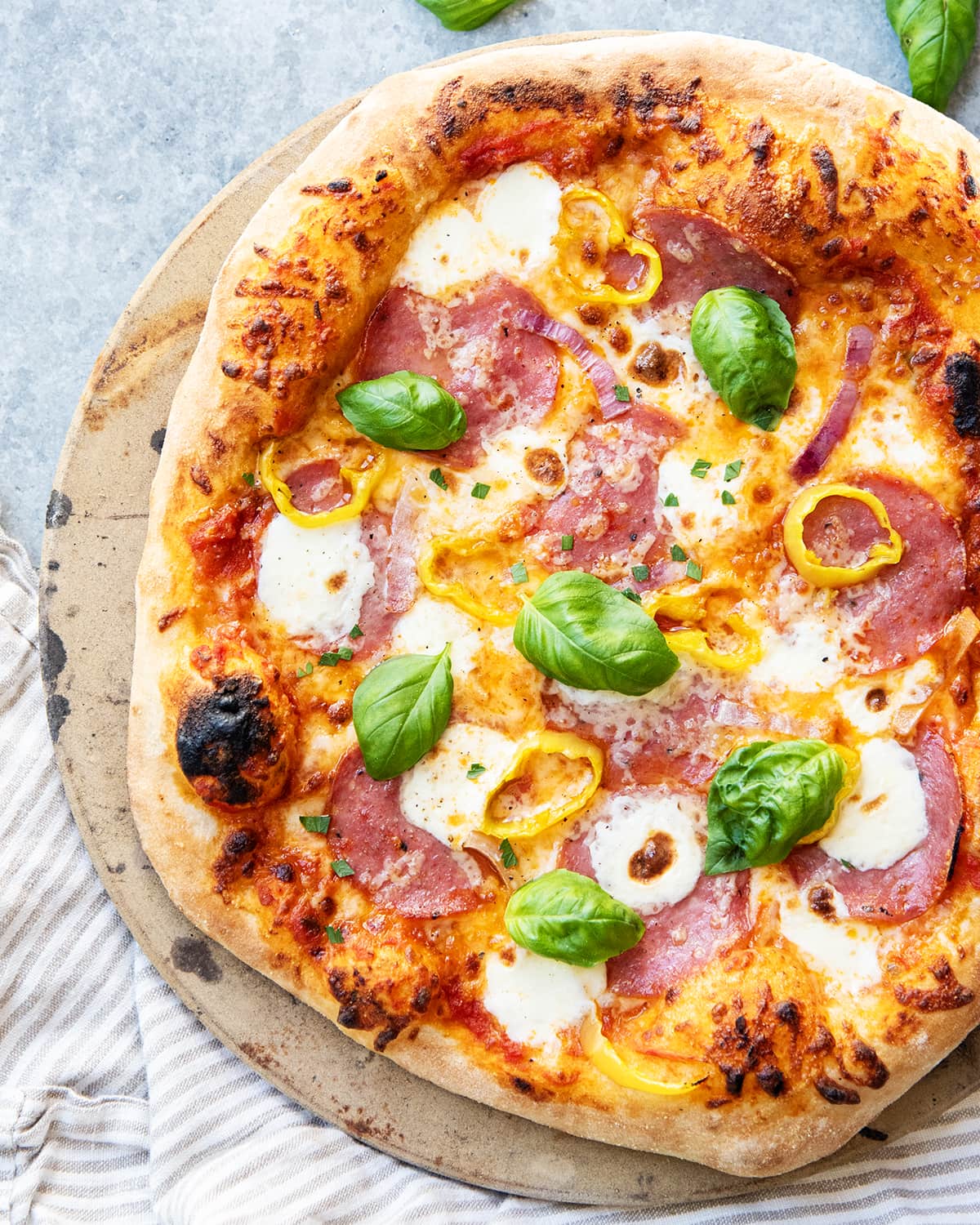
Credit: lmld.org
Common Myths About Pizza Calories
Many people have wrong ideas about pizza calories and baking methods. These myths can confuse those who want to enjoy pizza without guilt. Understanding the truth helps make better choices and avoid unnecessary worries.
Does Baking Increase Calories?
Baking does not add calories to pizza. Heat only changes the texture and taste. Calories come from ingredients like cheese, sauce, and dough. Cooking does not create new calories or make pizza heavier.
Are All Pizzas Equally Caloric?
Not all pizzas have the same calories. Toppings, crust type, and portion size matter most. A vegetable pizza has fewer calories than a meat-loaded one. Thick crusts and extra cheese increase calories significantly.
Impact Of Cooking Time And Temperature
Cooking time and temperature affect pizza texture but not calories. Longer baking may dry out pizza, reducing water weight. This change does not lower or raise calorie content. High heat creates a crisp crust but does not alter calories.

Credit: thepeachiespoon.com
Frequently Asked Questions
Does Baking Something Increase Calories?
Baking does not increase calories; it only changes food’s texture and digestibility. Calories depend on ingredients, not cooking heat.
How To Calorie Count Homemade Pizza?
Weigh each ingredient used in your homemade pizza. Check nutrition labels for calories per gram. Calculate calories by multiplying weight by calories per gram. Add calories from crust, sauce, cheese, and toppings. Sum all to get the total calorie count for your pizza.
What Makes Pizza So High In Calories?
Pizza is high in calories due to fatty cheeses, processed meats, refined flour crusts, sugary sauces, and added oils or butter.
What Is The 4 4 9 Rule?
The 4 4 9 rule estimates calories by multiplying grams of carbs and protein by 4, and fat by 9, then summing all.
Conclusion
Baking method plays a key role in pizza calorie content. Different methods change moisture and fat levels in pizza. For example, deep-dish pizzas often absorb more oil. Thin-crust pizzas usually have fewer calories due to less dough. Grilling or baking at high heat can reduce fat by dripping it away.
Choosing the right baking method helps control calorie intake. This way, you enjoy pizza without worrying too much about calories. Small changes in baking can make a big difference in health.

As the author of the “Ultimate Pizza Guide: Recipes, Tips & Secrets Revealed,” I’m dedicated to sharing my love for pizza and empowering others to create delicious homemade pizzas with ease. Join me on a journey to uncover the secrets to perfecting your pizza game!


