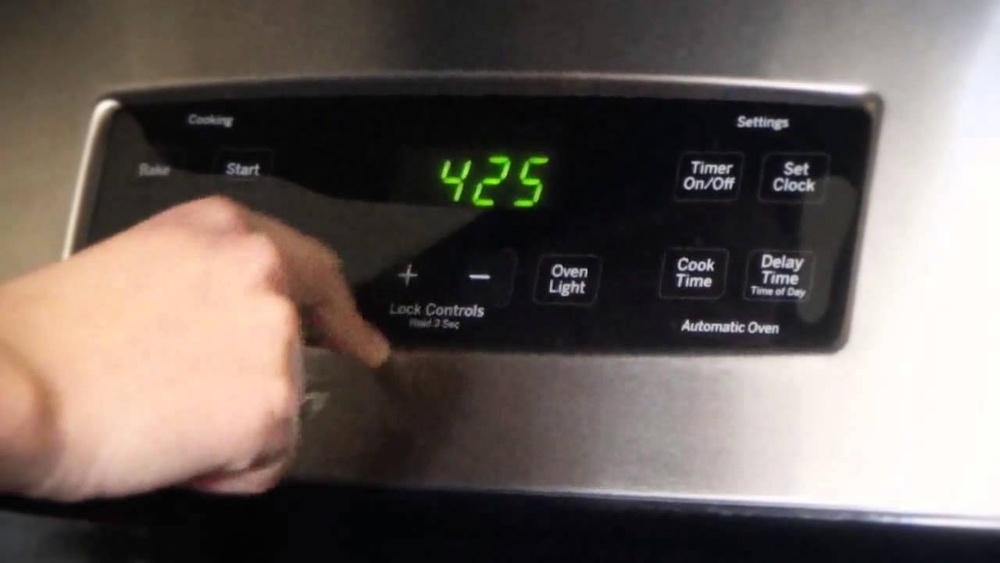
“Preheating Time for Pizza Ovens”
If you want to bake the perfect pizza at home, understanding the preheating time for your pizza oven is key. You might think it’s just about waiting for the oven to get hot, but the right preheating can make all the difference between a soggy crust and a crispy, golden masterpiece.
You’ll discover exactly how long you should preheat your pizza oven and why it matters for that perfect bake every time. Stick with me, and you’ll never worry about uneven cooking or burnt toppings again!

Credit: propizzaovens.com
Why Preheat Matters
Preheating a pizza oven is essential for great pizza. It prepares the oven to the right temperature. This step affects the texture and taste of your pizza. Skipping preheating often leads to uneven cooking and soggy crusts. Understanding why preheating matters helps you make better pizza at home.
Achieving Crispy Crust
A hot oven surface cooks the dough quickly. This fast cooking stops the dough from soaking up too much moisture. The result is a crispy, golden crust. Without preheating, the crust stays soft and chewy. The right heat gives pizza that perfect crunch.
Ensuring Even Cooking
Preheating spreads heat evenly inside the oven. It cooks the pizza from both the top and bottom. This balance prevents raw dough and burnt edges. An oven at full temperature cooks pizza uniformly. It avoids spots that are undercooked or overdone.
Impact On Toppings
Hot ovens cook toppings quickly and thoroughly. This preserves their flavor and texture. Slow cooking can dry out or burn toppings. Preheating helps cheese melt evenly and toppings stay juicy. It keeps every bite delicious and fresh.

Credit: ooni.com
Optimal Preheating Times
Optimal preheating times ensure the perfect pizza crust and even cooking. Each pizza oven type needs a specific heat-up duration. Understanding these times helps you get the best results every time. Let’s explore the optimal preheating times for different pizza ovens.
Wood-fired Ovens
Wood-fired ovens take the longest to preheat. It usually takes 45 to 60 minutes to reach 700°F (370°C) or higher. The thick stone walls need time to absorb and radiate heat evenly. A well-heated wood oven cooks pizza quickly with a crispy crust and smoky flavor.
Gas Pizza Ovens
Gas pizza ovens heat up faster than wood ovens. Most models reach 600°F (315°C) in about 15 to 20 minutes. Gas ovens offer consistent temperature control. This helps avoid hot spots and ensures even cooking without long wait times.
Electric Pizza Ovens
Electric ovens usually take 20 to 30 minutes to preheat to 500°F (260°C). They provide steady heat through electric elements. Electric ovens are great for indoor use and deliver reliable cooking temperatures with minimal effort.
Outdoor Vs Indoor Ovens
Outdoor ovens often take longer to preheat due to exposure to the elements. Wind and cold air slow down heating times. Indoor ovens heat faster and maintain steady temperatures easier. Always account for these differences to get perfect pizza cooking results.
Temperature Settings
Setting the right temperature is key to perfect pizza baking. The preheat temperature affects crust texture and cooking time. Different ovens and cooking surfaces need specific settings. Understanding these helps you get the best pizza every time.
Ideal Preheat Temperature
The best preheat temperature for most pizza ovens is between 450°F and 500°F. This range creates a hot surface that crisps the crust quickly. Too low, and the crust turns soggy. Too high, and the pizza may burn before cooking inside.
Some ovens reach 700°F or higher for Neapolitan-style pizza. For home ovens, 475°F is a safe choice. Let the oven reach the set temperature before placing your pizza inside. This ensures even cooking and a crispy base.
Stone Vs Steel Surfaces
Pizza stones absorb heat and hold it evenly. They take longer to preheat, usually 45 minutes or more. Stone gives a traditional crispy crust with slight charring.
Steel heats up faster and transfers heat better than stone. It may only need 20 to 30 minutes to preheat. Steel creates a very crispy and evenly cooked crust. Both surfaces require full preheating for best results.
Adjusting For Frozen Pizza
Frozen pizzas need a slightly lower preheat temperature. Set your oven between 400°F and 425°F. This prevents the toppings from burning while the crust cooks thoroughly.
Also, allow extra baking time compared to fresh pizza. Start with the frozen pizza on the lower rack for better heat distribution. Check the pizza often to avoid overcooking.
Preheating Techniques
Preheating techniques play a big role in achieving the perfect pizza crust. Getting your pizza oven ready ensures even cooking and the right texture. Different tools and methods help reach the right temperature quickly and maintain it during baking.
Proper preheating avoids soggy bases and undercooked toppings. It also helps the pizza cook evenly from bottom to top. Below are key techniques to improve your preheating process.
Using Pizza Stones And Steels
Pizza stones and steels absorb heat and distribute it evenly. Place them in the oven before turning it on. This allows the stone or steel to heat gradually with the oven.
Pizza stones retain heat well but take longer to warm up. Pizza steels heat faster and transfer heat more efficiently. Both create a hot surface to bake the pizza crust quickly.
Preheat the stone or steel for at least 30 minutes. This ensures the base is hot enough to cook the dough properly. Avoid placing cold pizza directly on a cold surface inside the oven.
Placement Inside Oven
Where you put the pizza stone or steel affects cooking results. The lower rack or floor of the oven is best. This area is usually the hottest and cooks the base evenly.
Placing the stone too high can cause uneven heat. The top may cook faster than the bottom. This leads to burnt toppings and a soggy crust.
Keep the stone or steel centered. This allows hot air to circulate around the pizza. Even heat circulation prevents cold spots and ensures a uniform bake.
Monitoring Heat Levels
Use an oven thermometer to check the actual temperature. Many ovens show inaccurate heat levels on their dials. A thermometer helps confirm when the oven and stone reach the right heat.
Ideal pizza oven temperatures range from 450°F to 500°F (232°C to 260°C). Keep the heat steady to avoid overcooking or undercooking. Adjust the oven settings as needed during preheating.
Watch for color changes on the pizza stone or steel. A slight glow means it is hot enough. Avoid opening the oven door too often. This causes heat loss and lengthens preheating time.
Common Mistakes To Avoid
Preheating a pizza oven is essential for delicious, evenly cooked pizzas. Many beginners make mistakes that affect the pizza’s texture and taste. Avoiding common errors helps you get the best results every time. Here are key mistakes to watch out for during preheating.
Under-preheating
Not heating the oven long enough leads to uneven cooking. The crust can turn soggy or doughy. The bottom may stay raw while the toppings burn. Pizza ovens usually need at least 30 minutes to reach the right temperature. Check your oven’s instructions for exact times.
Overheating Risks
Heating the oven too long can cause damage. Extremely high heat may crack the pizza stone or oven walls. It also risks burning your pizza quickly. Keep an eye on the temperature and avoid leaving the oven on empty for too long. Use an infrared thermometer if possible.
Improper Pizza Placement
Placing pizza in the wrong spot ruins cooking. Too close to the flame can burn the crust. Too far from heat leaves the pizza undercooked. Place your pizza on the stone or steel in the center of the oven. This ensures even heat and a perfect bake.
Tips For Faster Preheating
Faster preheating saves time and gets your pizza ready sooner. Many small steps help heat your pizza oven quickly. Focus on oven care, smart tools, and quick tricks. These tips make your oven hot and ready for baking fast.
Oven Maintenance
Keep your oven clean inside and out. Remove ash and debris after each use. Clean ovens heat more evenly and faster. Check seals and doors for tight closure. Fix cracks to stop heat from escaping. Well-maintained ovens reach temperature quickly.
Using Accessories
Use a pizza stone or steel for faster heat transfer. Place them in the oven before starting to preheat. These tools absorb and hold heat well. They help cook pizza crust crisp and fast. Use metal trays that conduct heat better than glass.
Preheating Hacks
Start with a higher temperature setting for a few minutes. Turn it down once the oven is hot. Open the door less to keep heat inside. Use dry wood or fuel that burns hot and clean. Preheat in a sheltered spot to avoid wind cooling the oven.
Impact On Different Pizza Styles
Preheating time plays a vital role in cooking different pizza styles. Each style needs a specific oven temperature and duration to bring out its best flavors and textures. Understanding how preheating affects various pizzas helps you cook them perfectly every time.
Neapolitan
Neapolitan pizza needs a very hot oven, usually around 800°F (427°C). Preheat your oven for at least 45 minutes to reach this temperature. The high heat cooks the pizza quickly, usually in 60 to 90 seconds. This fast cooking creates a soft, chewy crust with slight charred spots. A short preheating time leads to uneven cooking and a doughy center.
New York-style
New York-style pizza bakes best at a lower temperature, about 500°F (260°C). Preheat the oven for 20 to 30 minutes to ensure the stone or steel inside is hot. This pizza cooks slower, about 10 to 15 minutes, creating a thin, crispy crust with a soft inside. Insufficient preheating can cause soggy crusts and uneven toppings.
Frozen And Store-bought
Frozen pizzas need a steady, moderate heat, usually 425°F (218°C). Preheat for 15 to 20 minutes for the oven to stabilize. This helps cook the pizza evenly without burning the edges. Preheating too briefly can leave the center cold or doughy. A well-preheated oven also helps melt cheese evenly and crisp the crust.

Credit: www.reddit.com
Troubleshooting Common Issues
Preheating your pizza oven correctly is key to perfect pizza. Sometimes issues arise despite proper preheating. These problems can affect crust texture, cooking evenness, or topping quality. Troubleshooting common issues helps you enjoy better pizza results every time.
Soggy Crust Solutions
A soggy crust usually means the oven or stone is not hot enough. Heat the oven longer before baking. Use a pizza stone or steel to absorb heat well. Avoid placing pizza on a cold surface. Also, avoid adding too much sauce or watery toppings. These can make the crust soggy during cooking.
Uneven Cooking Fixes
Uneven cooking often happens when heat is not distributed properly. Rotate your pizza halfway through baking to cook all sides. Check for hot spots in the oven and move pizza accordingly. Use a baking stone to create a consistent cooking surface. Make sure the oven door is closed tightly to keep heat inside.
Dealing With Burnt Toppings
Burnt toppings occur when the oven is too hot or pizza cooks too long. Lower the oven temperature slightly for delicate toppings like cheese or vegetables. Add toppings in layers, placing items that cook slower on the bottom. Watch the pizza closely near the end of baking. Remove it as soon as the crust looks golden and the cheese bubbles.
Frequently Asked Questions
How Long Should I Preheat My Pizza Oven?
Preheat your pizza oven for 30 to 45 minutes until it reaches 700-900°F (370-480°C). This ensures a crispy, evenly cooked crust.
Is 10 Minutes Enough To Preheat An Oven?
Yes, 10 minutes is usually enough to preheat a standard oven to 350°F (175°C). For higher temperatures, preheat longer.
Should Pizza Be At 375 Or 400?
Bake pizza at 400°F for a crisp crust and even cooking. Use 375°F for thicker, softer crusts. Preheat oven thoroughly.
What Are Common Mistakes When Reheating Pizza?
Common mistakes include using a microwave that makes crust soggy, overheating cheese, and not allowing air circulation in the oven.
Conclusion
Preheating your pizza oven properly ensures the best results. A hot oven cooks the pizza quickly and evenly. This prevents soggy crusts and uneven toppings. Usually, 30 to 45 minutes is enough time. Use a pizza stone or steel to help heat evenly.
Remember, patience leads to crispy, delicious pizza every time. Enjoy your homemade pizza with confidence!

As the author of the “Ultimate Pizza Guide: Recipes, Tips & Secrets Revealed,” I’m dedicated to sharing my love for pizza and empowering others to create delicious homemade pizzas with ease. Join me on a journey to uncover the secrets to perfecting your pizza game!


