
“Wood-Fired Pizza Nutrition Comparison”
When you crave pizza, you want something delicious—but you also want to know what you’re putting into your body. Have you ever wondered if wood-fired pizza is healthier than regular pizza?
The way your pizza cooks can actually affect its nutrition. Wood-fired ovens cook pizzas quickly at high heat, locking in nutrients and flavors that slow-cooked pizzas might lose. You’ll discover how wood-fired pizza stacks up against conventional options when it comes to calories, vitamins, and overall health benefits.
By the end, you’ll know exactly what makes wood-fired pizza a tempting and potentially smarter choice for your next slice. Ready to find out which pizza truly wins the nutrition battle? Let’s dive in!
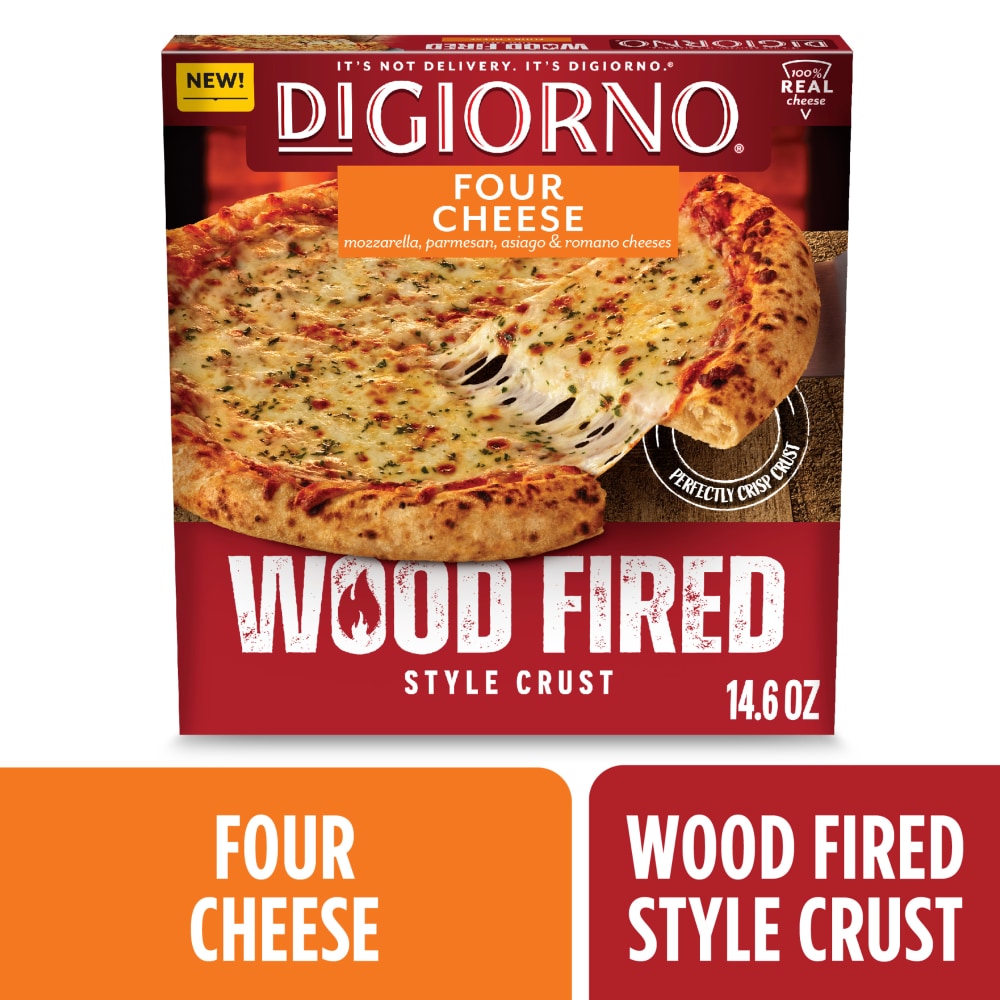
Credit: www.bakersplus.com
Wood-fired Pizza Basics
Wood-fired pizza has a special place in many food lovers’ hearts. Its unique taste comes from a traditional cooking style and simple, fresh ingredients. Understanding the basics of wood-fired pizza helps to see how it differs from other pizzas, especially in nutrition. This section breaks down the cooking process and common ingredients that define wood-fired pizza.
Cooking Process
Wood-fired pizza cooks in a very hot oven, often above 800°F (427°C). The intense heat cooks the pizza in just a few minutes. This fast cooking locks in flavors and keeps the crust crispy outside but soft inside. The high temperature also chars the toppings lightly, adding a smoky taste. Because the pizza cooks quickly, it retains more nutrients than slower baking methods.
Common Ingredients
Wood-fired pizza uses simple, fresh ingredients. The dough is usually made from flour, water, yeast, salt, and sometimes olive oil. Tomato sauce is often fresh and lightly seasoned. Cheese, like mozzarella, melts well in high heat. Common toppings include fresh vegetables, herbs, and cured meats. These ingredients keep the pizza light and flavorful. The focus is on quality, not quantity, which affects the nutrition positively.
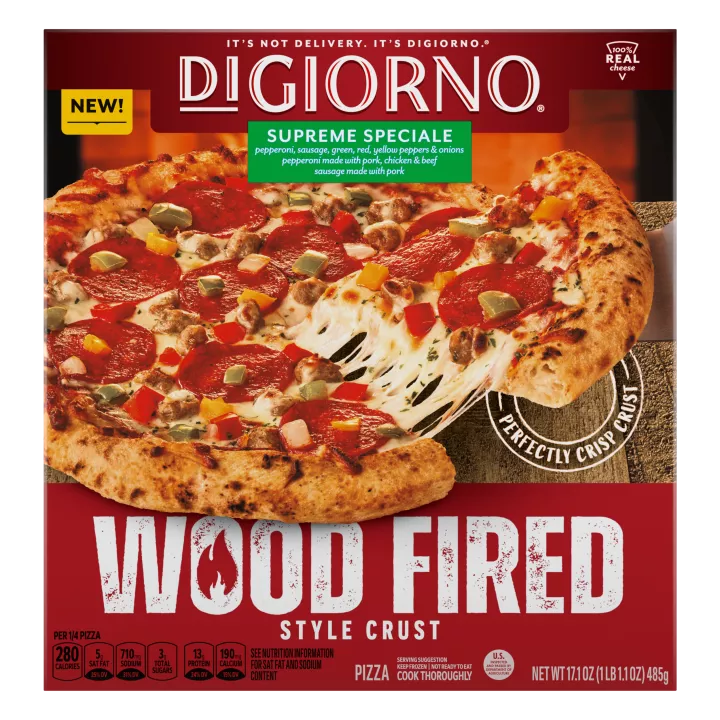
Credit: www.goodnes.com
Traditional Pizza Overview
Traditional pizza is a popular dish known worldwide. It has a simple base and various toppings. The nutrition of pizza changes with its ingredients and cooking style. Understanding traditional pizza helps compare it with wood-fired pizza. This overview covers the usual cooking methods and standard ingredients of traditional pizza.
Typical Cooking Methods
Traditional pizza is usually baked in a conventional oven. The oven temperature ranges from 400°F to 500°F. The baking time lasts between 10 to 15 minutes. This method cooks the pizza slowly and evenly. Some places use conveyor belt ovens for faster cooking. These ovens use lower heat but longer cooking time. The slow heat can reduce some nutrients in the toppings. The crust often becomes firm and slightly crispy.
Standard Ingredients
The basic ingredients of traditional pizza include dough, sauce, cheese, and toppings. Dough is made from flour, water, yeast, and salt. Tomato sauce is spread over the dough as a base. Mozzarella cheese is the most common cheese used. Popular toppings include pepperoni, mushrooms, onions, and bell peppers. Oils and herbs may be added for extra flavor. The ingredients are usually fresh but cooked at moderate heat. This can cause some nutrient loss in vegetables and herbs.
Calorie Comparison
Comparing calories in wood-fired and traditional pizzas helps understand their nutritional differences. Calories affect energy intake and weight management. Knowing calorie counts guides better choices.
Wood-fired Vs Traditional Pizza
Wood-fired pizza often cooks faster and at higher temperatures. This quick cooking can reduce calorie content slightly. Traditional pizza usually takes longer to bake, sometimes increasing calorie count due to thicker crusts or more toppings. Wood-fired pizzas tend to have a lighter, crispier crust which lowers calories. Traditional pizzas may use more cheese and oil, raising calories.
Impact Of Crust Types
The crust type greatly affects calorie content. Thin crusts have fewer calories than thick or stuffed crusts. Wood-fired pizzas usually feature thin, crispy crusts with less dough. Traditional pizzas may have thick, soft crusts absorbing more oil and butter. Gluten-free or cauliflower crust options can also change calorie counts. Choosing a lighter crust reduces overall calories and improves nutrition.
Nutrient Retention
Nutrient retention in wood-fired pizza differs from other cooking methods. The intense heat cooks food quickly, affecting vitamins and minerals. This fast cooking can preserve more nutrients in toppings. Understanding how cooking time influences nutrient levels helps choose healthier options.
Effect Of Cooking Time
Wood-fired pizza cooks in just a few minutes. This short cooking time limits nutrient loss. Longer baking in conventional ovens breaks down vitamins. Quick heat exposure chars the surface, locking in nutrients beneath. This method keeps vegetables and cheese more nutritious.
Vitamin And Mineral Levels
Fast cooking preserves heat-sensitive vitamins like vitamin C and B-complex. Minerals like calcium and iron remain stable with quick baking. Slow cooking can reduce vitamin content significantly. Wood-fired pizza retains more antioxidants from fresh toppings. Overall, this method offers a better nutrient profile than slow baking.
Health Benefits
Wood-fired pizza offers unique health benefits compared to traditional oven-baked pizza. The cooking method preserves more nutrients and can reduce unhealthy fats. This makes wood-fired pizza a smarter choice for health-conscious eaters.
Antioxidant Preservation
Wood-fired ovens cook pizza very quickly at high temperatures. This fast cooking helps keep antioxidants in vegetables and toppings intact. Antioxidants fight harmful free radicals in the body. Traditional ovens cook slower, causing more nutrient loss.
With wood-fired pizza, the vegetables stay fresh and nutritious. This means you get more vitamins and minerals in every bite. The charred edges add flavor but do not destroy important nutrients.
Lower Fat Content
The intense heat of wood-fired ovens helps reduce fat content in pizza. Excess oils and fats drip away faster during cooking. This results in a lighter pizza with less grease.
Less fat means fewer calories and better heart health. Wood-fired pizza crusts are often thinner, using less dough and oil. This also lowers the overall fat and calorie count.
Potential Drawbacks
Wood-fired pizza offers unique flavors and faster cooking, but it has some nutritional drawbacks. Understanding these issues helps you make better food choices. This section covers the main concerns about wood-fired pizza nutrition.
Charred Components And Risks
Wood-fired ovens cook pizza at very high temperatures. This can cause parts of the crust and toppings to char or burn. Charred food contains harmful chemicals called acrylamides and polycyclic aromatic hydrocarbons. These compounds may increase the risk of cancer if eaten often. Eating charred pizza occasionally is not dangerous, but frequent consumption may affect health. It is best to avoid heavily burnt sections when enjoying wood-fired pizza.
Sodium And Additives
Many wood-fired pizzas have high sodium levels. Salt is often added to dough, sauce, and cheese. Excess sodium can raise blood pressure and harm heart health. Some wood-fired pizzas also include processed meats or pre-made sauces. These ingredients may contain preservatives and additives. These extra chemicals do not offer nutritional benefits and can affect digestion. Choosing pizzas with fresh, natural ingredients reduces sodium and additive intake.
Popular Wood-fired Pizza Varieties
Wood-fired pizza offers a unique taste and texture, thanks to its high-temperature cooking method. Different styles of wood-fired pizzas highlight various ingredients and nutritional profiles. Understanding popular varieties helps you choose a pizza that fits your dietary needs and flavor preferences.
Neapolitan Style
The Neapolitan style is the classic wood-fired pizza. It has a thin, soft crust with slightly charred edges from the intense heat. This pizza uses simple ingredients: fresh tomatoes, mozzarella cheese, olive oil, and basil. The quick cooking keeps nutrients intact, especially in the fresh vegetables. It contains fewer calories than many other pizza types due to its light toppings and thin crust.
Margherita And Veggie Options
Margherita pizza is a popular Neapolitan variant. It features tomato sauce, mozzarella, and fresh basil leaves. This pizza is low in calories and rich in antioxidants from tomatoes and basil. Veggie wood-fired pizzas add toppings like bell peppers, onions, mushrooms, and spinach. These choices increase fiber, vitamins, and minerals while keeping fat content low. Wood-fired heat helps preserve the nutrients in vegetables, making these options a healthy pick.
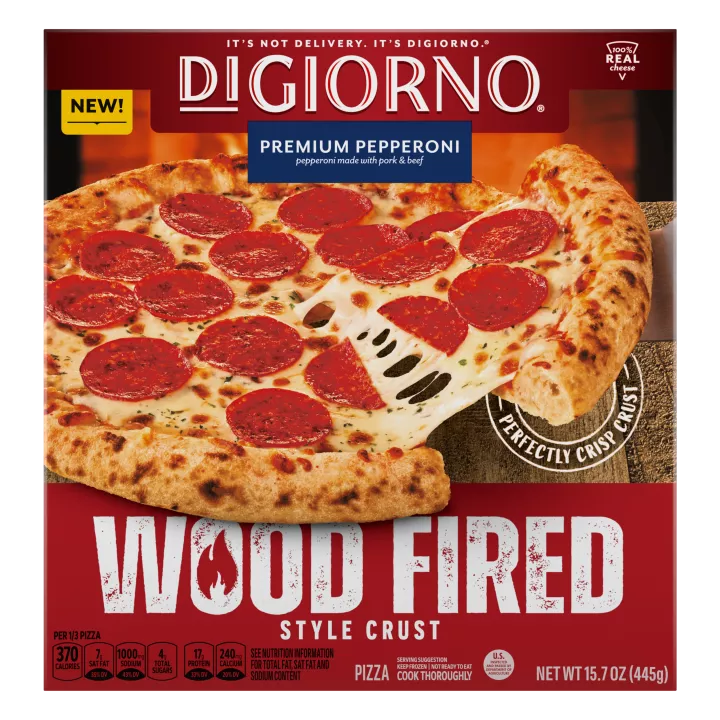
Credit: www.goodnes.com
Tips For Healthier Choices
Choosing healthier options for wood-fired pizza can improve nutrition without sacrificing taste. Small changes make a big difference. Focus on smart topping choices and controlling portions. These tips help enjoy pizza while staying mindful of health.
Selecting Toppings
Pick vegetable toppings like spinach, tomatoes, and bell peppers. They add vitamins and fiber without many calories. Choose lean proteins such as grilled chicken or turkey instead of processed meats. Limit high-fat cheeses and ask for lighter cheese portions. Fresh herbs enhance flavor without extra calories. Avoid heavy sauces rich in sugar or fat. These topping swaps boost nutrition and keep pizza lighter.
Portion Control
Eating smaller slices helps manage calorie intake. Try sharing a pizza with friends or family. Pair pizza with a side salad to feel full faster. Avoid eating large amounts in one sitting. Listen to your body’s hunger signals and stop when satisfied. Controlling portions supports weight management and overall health while enjoying wood-fired pizza.
Frequently Asked Questions
Is Wood Fired Pizza Healthier Than Regular Pizza?
Wood-fired pizza cooks quickly at high heat, preserving more nutrients than regular pizza. It often has fewer calories and less oil. This makes wood-fired pizza a healthier choice compared to conventionally baked pizza.
What Is The Nutritional Value Of Wood Fired Pizza?
Wood-fired pizza retains more nutrients due to quick cooking at high heat. It contains calories, carbs, protein, and fats varying by toppings and crust type. Vegetables stay crisp and nutrient-rich, making it a healthier option than conventional oven-baked pizza.
How Many Calories Are In A Whole Woodfire Pizza?
A whole woodfire pizza typically contains 800 to 1,200 calories. Calorie count varies by size and toppings.
Is Costco Pizza Actually 700 Calories?
Costco pizza contains about 700 calories per slice, depending on toppings and size. This estimate varies slightly by type.
Conclusion
Wood-fired pizza offers a quick cooking method that preserves more nutrients. It often has fewer calories than regular pizza. The high heat locks in vitamins from fresh toppings. This makes it a healthier choice for pizza lovers. Choosing wood-fired pizza can support a balanced diet.
Enjoying it in moderation fits well into healthy eating habits. Overall, wood-fired pizza combines great taste with better nutrition.

As the author of the “Ultimate Pizza Guide: Recipes, Tips & Secrets Revealed,” I’m dedicated to sharing my love for pizza and empowering others to create delicious homemade pizzas with ease. Join me on a journey to uncover the secrets to perfecting your pizza game!


