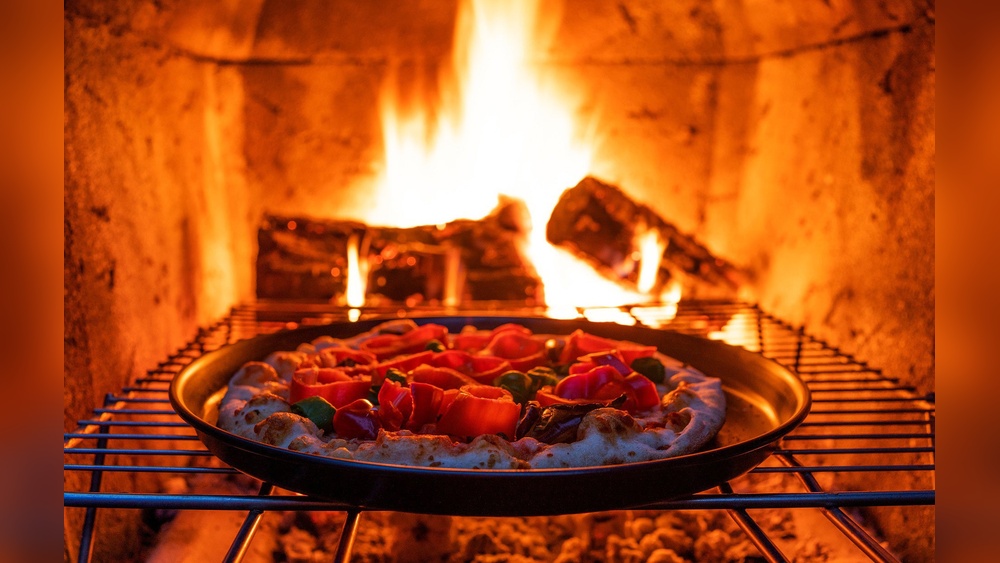
“Pizza Oven Preheating Guide”
You’re about to make a pizza that tastes just like it came from a professional pizzeria. But before you toss your dough and add your toppings, there’s one crucial step you can’t skip: preheating your pizza oven properly.
Getting your oven to the right temperature isn’t just a detail—it’s the secret behind a crispy crust, perfectly melted cheese, and evenly cooked toppings. If you’ve ever wondered how long to preheat, what temperature to aim for, or how to use your pizza stone or steel to its full potential, this guide is for you.
Keep reading, and you’ll unlock the simple steps that turn your homemade pizza from good to unforgettable.

Credit: bighornoutdoor.com
Ideal Oven Temperatures
Getting the oven to the right temperature is key for great pizza. Ideal oven temperatures depend on the pizza style and oven type. Maintaining steady heat ensures a crispy crust and perfectly melted toppings. Knowing these temperatures helps you bake pizza like a pro.
High Heat Benefits
High heat cooks pizza quickly, preserving moisture in the dough. It creates a crisp crust with slight charring for authentic flavor. Fast cooking prevents toppings from drying out. High temperatures mimic wood-fired ovens, enhancing taste and texture.
Temperature Ranges For Styles
Neapolitan pizzas need 800°F to 900°F for 60-90 seconds baking. New York style pizza bakes well at 500°F to 550°F for 10-15 minutes. Thin crust pizzas prefer hotter ovens for a quick bake. Thick crust pizzas require lower heat for longer time to cook through.
Stone Vs Steel Heat Retention
Pizza stones absorb heat slowly but hold it evenly. They create a natural, crispy bottom crust. Steel heats faster and transfers heat quickly to the dough. Steel offers a more intense and fast cooking surface. Both improve oven heat retention compared to bare racks.

Credit: www.mysticpizza.com
Preheating Durations
Preheating durations vary by pizza oven type and other factors. Correct preheating ensures even heat, perfect crust, and well-cooked toppings. Knowing how long to preheat your oven saves time and improves pizza quality.
Wood Fired Ovens
Wood fired ovens need the longest preheat time. It usually takes 45 minutes to 1 hour to reach 700°F (370°C). The fire heats the oven walls and floor evenly. Maintaining a strong fire during this time is important. Without proper preheating, pizzas can cook unevenly and taste smoky.
Gas And Electric Ovens
Gas and electric ovens heat faster than wood fired ovens. Most take about 15 to 30 minutes to reach 500°F to 600°F (260°C to 315°C). These ovens provide steady heat with less effort. They are easier to control, which helps keep temperature consistent during cooking.
Factors Affecting Preheat Time
Several factors can change how long preheating takes. Oven size is a big one; larger ovens need more time to heat up. The material of the oven also matters—brick or stone holds heat better than metal. Weather conditions like wind or cold can slow heating. Lastly, the starting temperature of the oven affects preheat duration.
Placement And Setup
Proper placement and setup of your pizza oven parts affect cooking quality. Setting up the oven correctly ensures even heat and perfect crust. Small adjustments in positioning improve heat distribution and prevent burning.
Positioning Stones And Steels
Place pizza stones or steels on the oven rack before heating. This allows them to absorb heat evenly. Center the stone or steel for balanced cooking. Avoid placing them too close to flames or walls. Proper positioning helps create a crispy base and cooks the pizza evenly.
Rack Selection Tips
Choose the middle rack for most pizza ovens. It provides the best heat balance between top and bottom. Lower racks heat the crust more but may burn toppings. Higher racks cook toppings faster but risk undercooking the base. Match rack height to your pizza style for best results.
Oven Door Management
Keep the oven door closed during preheating to trap heat inside. Opening the door lets heat escape and slows the process. Use the door to control airflow and temperature once cooking starts. Slightly ajar doors reduce heat but improve airflow for wood-fired ovens. Adjust door position based on your oven type and pizza style.
Heat Distribution Tips
Heat distribution plays a key role in baking perfect pizza in your oven. Uneven heat can cause some parts of the pizza to cook faster than others. This leads to burnt edges or a doughy center. Understanding how to manage heat inside the oven helps you get a crisp crust and evenly melted cheese every time.
Small changes in how you set up your pizza oven can improve heat flow and balance. Use these tips to make sure heat spreads evenly and your pizza cooks well from all sides.
Ensuring Even Cooking
Place your pizza stone or steel in the center of the oven. This spot usually has the most stable temperature. Avoid placing the pizza too close to the oven walls where heat can be stronger. Rotate the pizza halfway through baking to expose all sides to heat equally.
Avoiding Hot Spots
Hot spots are areas with higher temperature than others. They cause uneven cooking and burnt spots. Check your oven for these zones by heating it empty and noting any smoke or burning smells. Use a pizza stone to absorb and spread heat evenly across the surface. Avoid opening the oven door often, as this creates temperature swings.
Using Oven Thermometers
Oven thermometers show the true temperature inside your pizza oven. Built-in oven gauges can be inaccurate. Place a thermometer near the pizza stone to monitor heat. Adjust the heat source or airflow based on thermometer readings. This helps maintain steady temperature and prevents over- or under-cooking.
Common Preheating Mistakes
Preheating a pizza oven properly is key to baking delicious, crispy pizzas. Many beginners make common mistakes that affect the final taste and texture. Avoiding these errors ensures your oven reaches the right temperature and cooks evenly.
Underheating Risks
Not heating the oven enough leads to soggy crusts. The dough absorbs moisture instead of crisping. Cooking takes longer and toppings may burn before the base is ready. This results in unevenly cooked pizza that lacks crunch.
Overheating Dangers
Heating the oven too much can burn your pizza quickly. The crust might char while the inside stays raw. Excess heat also risks damaging the oven components. Maintaining a steady, correct temperature helps avoid these problems.
Skipping Stone Preheat
Pizza stones or steels must heat with the oven. Adding them late causes cold spots on the cooking surface. This makes the crust cook unevenly and slows baking time. Preheating the stone ensures a hot, steady base for perfect pizza.
Advanced Techniques
Advanced pizza oven preheating techniques help improve cooking results. They allow you to control temperature precisely. This ensures your pizza cooks evenly and tastes better. These tips suit both beginners and experienced cooks.
Using Infrared Thermometers
Infrared thermometers measure surface temperature fast and accurately. Point the device at your pizza stone or oven floor. This helps avoid guesswork. Knowing exact heat levels prevents under or overcooking. Use the thermometer to check hot spots inside the oven.
Adjusting For Different Doughs
Different doughs need different heat settings. Thin crusts cook well at higher temperatures. Thick or stuffed doughs require lower heat and longer baking time. Adjust your oven’s preheat temperature accordingly. This prevents dough from burning or staying raw inside.
Combining Baking And Broiling
Use baking mode for cooking the pizza base evenly. Switch to broil at the end for a crispy, browned top. This method enhances texture and flavor. Time the broiling carefully to avoid burning toppings. Combining both modes creates a restaurant-quality pizza finish.
Troubleshooting Tips
Troubleshooting common pizza oven issues helps improve your baking results. Simple fixes solve most problems quickly. This section covers common challenges and ways to fix them. Follow these tips to enjoy better pizza every time.
When Pizza Cooks Unevenly
Uneven cooking often means hot spots in your oven. Rotate the pizza halfway through baking to balance heat exposure. Check that your oven rack is centered. Avoid overcrowding the oven, which blocks heat flow. Make sure the pizza stone or steel is fully heated before baking. These steps help achieve an even cook.
Dealing With Soggy Crusts
A soggy crust usually means the oven is not hot enough. Increase the oven temperature and allow more preheating time. Use a pizza stone or steel to absorb moisture and create a crispy base. Avoid adding too many wet toppings, as they release water during baking. Proper heat and technique prevent sogginess.
Fixing Temperature Fluctuations
Temperature swings harm pizza quality. Keep the oven door closed as much as possible. Frequent opening releases heat and lowers the temperature. Use an oven thermometer to monitor heat accurately. Adjust your heat source or fuel to maintain steady warmth. Consistent temperature ensures better cooking results.
Credit: spice.alibaba.com
Frequently Asked Questions
How To Properly Preheat A Pizza Oven?
Preheat your pizza oven to 500-700°F (260-370°C) for 30-45 minutes. Place the stone or steel inside from the start. Ensure even heat distribution before baking. This creates a crispy crust and cooks pizza evenly. Avoid opening the door frequently during preheating.
How Long Does A Pizza Oven Take To Preheat?
A pizza oven typically takes 20 to 30 minutes to preheat to the ideal cooking temperature of 700°F to 900°F. Preheating ensures a crispy crust and even cooking. Place the pizza stone or steel inside before heating for best results.
Should Pizza Be At 375 Or 400?
Bake pizza at 400°F for a crisp crust and even cooking. Use 375°F for thicker, softer crusts or delicate toppings.
What Temperature To Preheat Pizza In The Oven?
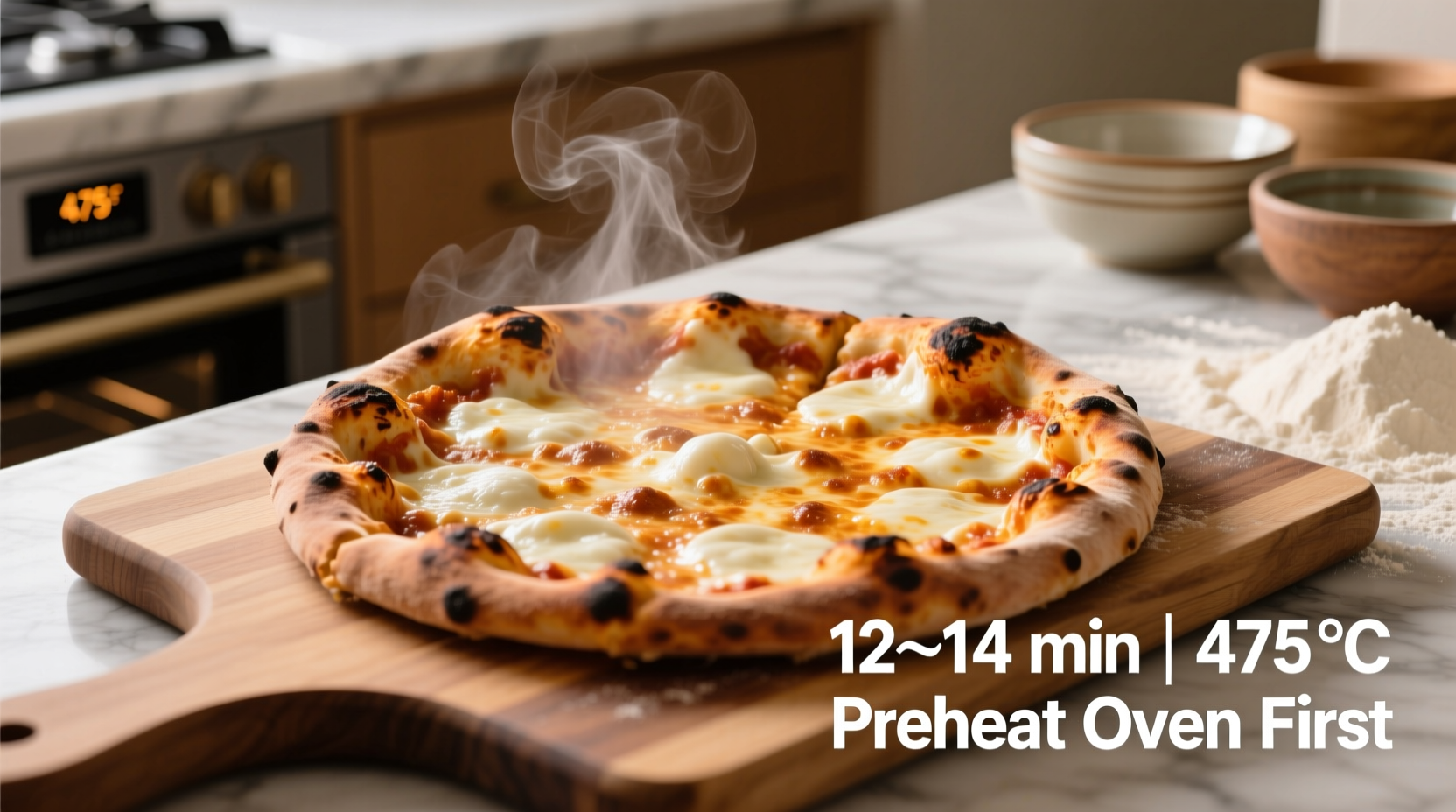
Preheat your oven to 475°F to 500°F (245°C to 260°C) for perfect pizza baking. Place a pizza stone or steel inside before heating. Preheat for at least 30 minutes to ensure even heat and a crispy crust.
Conclusion
Preheating your pizza oven well ensures a crispy, tasty crust every time. Use a pizza stone or steel from the start for even heat. Aim for the right temperature based on your pizza style. Remember, patience pays off—wait until the oven is fully hot.
This simple step improves cooking and flavor. Enjoy baking perfect pizzas with confidence and ease.

As the author of the “Ultimate Pizza Guide: Recipes, Tips & Secrets Revealed,” I’m dedicated to sharing my love for pizza and empowering others to create delicious homemade pizzas with ease. Join me on a journey to uncover the secrets to perfecting your pizza game!


