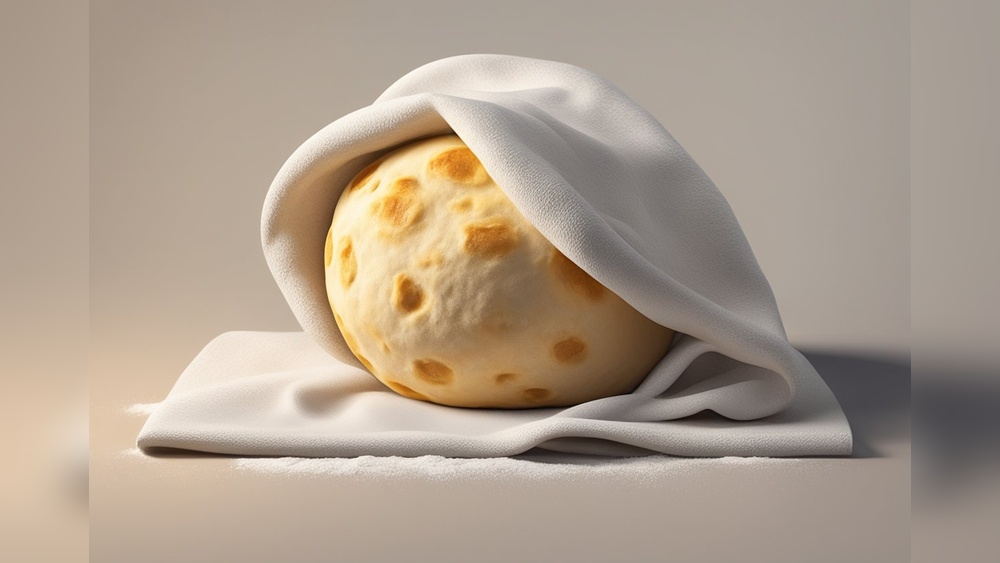
“Pizza Dough Resting Temperature”
When you’re making pizza at home, getting your dough just right is key to a perfect crust. One of the biggest secrets?
The resting temperature of your pizza dough. It might sound simple, but the temperature at which your dough rests can change everything—from how it rises to the texture and flavor of your final pizza. If you’ve ever wondered whether your dough should be warm, cool, or somewhere in between, you’re about to find out why this step deserves your full attention.
Keep reading, and you’ll learn how to master the perfect dough resting temperature that will take your homemade pizza to the next level.
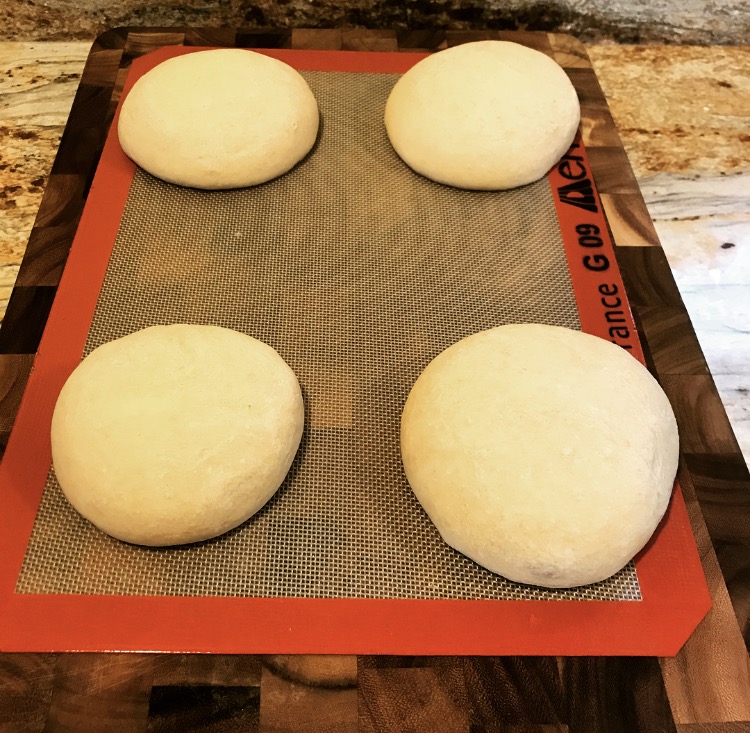
Credit: www.formaggiokitchen.com
Ideal Dough Resting Temperatures
Finding the ideal temperature for resting pizza dough is key for a soft, tasty crust. The dough needs the right warmth to rise well. Too hot or too cold can harm the yeast activity. This section explains the best temperatures for dough rest and how they affect the final pizza.
Room Temperature Range
Room temperature for dough resting usually falls between 68°F and 75°F (20°C to 24°C). This range allows yeast to work steadily without rushing. Dough resting at room temperature will rise in about 1 to 2 hours. This makes it ready to shape and bake. Keep dough covered to avoid drying out.
Refrigeration Benefits
Resting dough in the fridge slows down yeast activity. Temperatures between 38°F and 42°F (3°C to 6°C) are ideal for cold rest. This slow rise improves dough flavor and texture. It also makes dough easier to handle. Refrigerated dough can rest for 12 to 72 hours. This method suits those who want to prepare dough ahead.
Warm Vs Cold Resting
Warm resting speeds up yeast fermentation, so dough rises faster. Use warm places near 75°F (24°C) for quick results. Cold resting creates more flavor over time but takes longer. Choose warm resting for same-day pizza baking. Pick cold resting to develop more complex flavors and better texture. Both methods have unique benefits for pizza lovers.
Resting Duration And Effects
Resting duration greatly impacts pizza dough texture and flavor. The resting time allows gluten to relax and yeast to ferment. This process shapes dough elasticity and taste. Different resting periods create varied dough qualities. Understanding these effects helps achieve desired pizza results.
Short Rest Periods
Short rests last from 20 minutes to 2 hours. Dough is easier to shape but less flavorful. Gluten softens slightly, making dough stretchable. Quick rest suits fast pizza making. Dough may lack complex taste but stays tender.
Overnight Resting
Overnight resting means 8 to 12 hours at cool room temperature. Yeast slowly ferments, improving flavor and texture. Dough develops a better crumb and chewiness. This period balances dough softness and strength. Many home bakers prefer overnight rest for depth.
Extended Cold Fermentation
Extended cold fermentation lasts 24 to 72 hours in a refrigerator. The cold slows yeast activity, producing rich flavor. Dough becomes more digestible and easier to handle. This method enhances crust crispiness and aroma. Patience with cold fermentation rewards pizza quality.
Impact On Dough Texture
Pizza dough resting temperature plays a key role in shaping its texture. The right temperature helps the dough develop properly. It affects gluten, hydration, and air bubbles. These factors decide how soft, stretchy, and airy the dough becomes. Understanding these impacts can improve your pizza’s crust and taste.
Gluten Development
Gluten forms when water mixes with flour and the dough is kneaded. Resting dough at a warm temperature speeds up this process. The gluten strands become stronger and more elastic. This gives the dough a chewy and tender texture. Cold temperatures slow gluten growth, making the dough denser.
Hydration And Elasticity
Resting allows water to fully absorb into the flour. Warm dough absorbs water faster, improving hydration. Well-hydrated dough feels soft and easy to stretch. It also gains better elasticity, which helps it bounce back when stretched. Cold dough can feel stiff and harder to work with.
Air Bubble Formation
Yeast produces gas that creates air bubbles in the dough. Warmer resting temperatures encourage yeast activity. This leads to more bubbles and a lighter dough structure. The bubbles expand during baking, making the crust airy and crisp. Cooler doughs have fewer bubbles and a denser crumb.
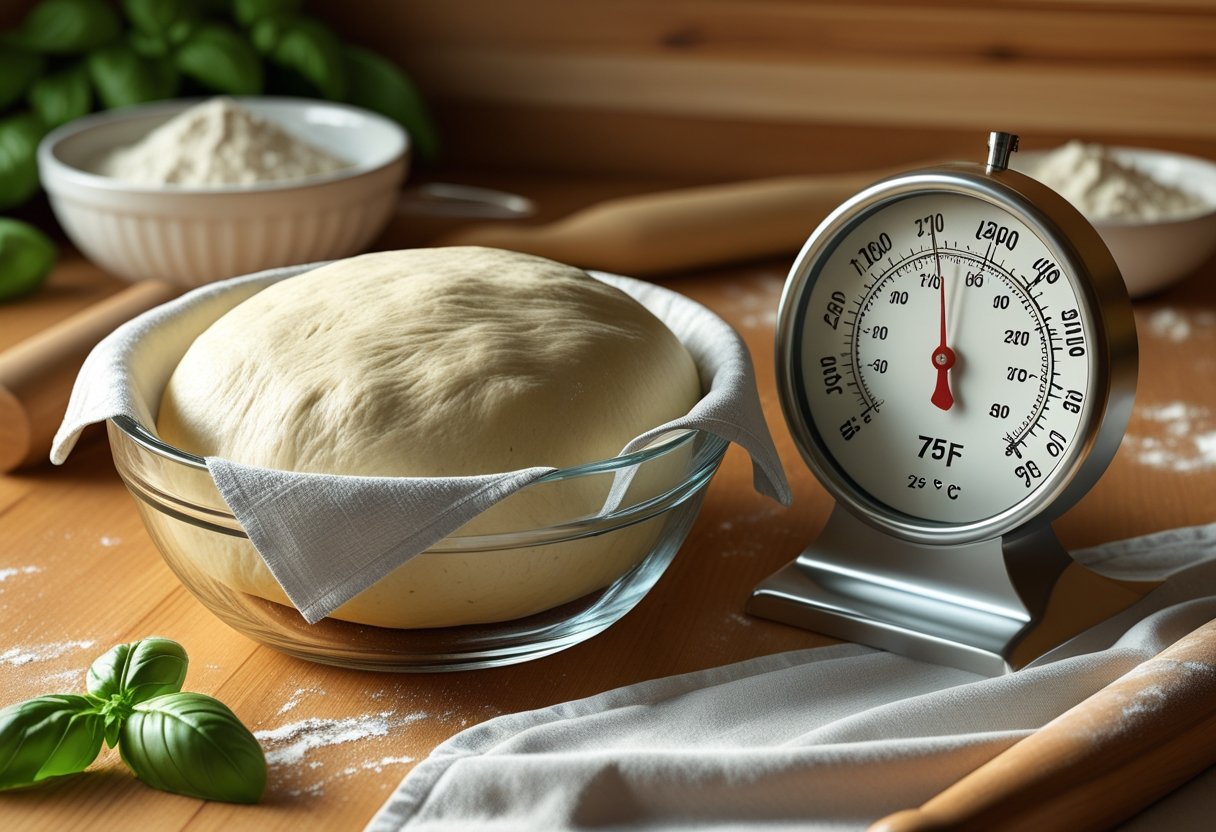
Credit: www.prepapizza.com
Optimal Conditions For Different Pizza Styles
Pizza dough resting temperature affects texture and flavor. Different pizza styles need specific conditions for the best results. Resting allows the dough to relax and develop taste. The temperature during this time shapes the dough’s final quality. Below are optimal resting conditions for popular pizza styles.
Neapolitan Dough
Neapolitan dough rests best at 68°F to 75°F (20°C to 24°C). This temperature supports slow fermentation. The dough becomes soft and airy. It usually rests for 8 to 24 hours. Cooler temperatures slow yeast activity, creating rich flavor. Avoid too warm conditions to prevent over-fermentation.
New York Style Dough
New York style dough prefers a slightly cooler rest. Ideal temperature is 60°F to 70°F (15°C to 21°C). This helps develop a chewy, elastic crust. The dough rests for 12 to 24 hours. Lower temperature controls yeast growth and enhances texture. Longer cold fermentation in the fridge improves taste.
Sourdough Variations
Sourdough pizza dough needs careful temperature control. Optimal resting temperature is 64°F to 72°F (18°C to 22°C). This range balances wild yeast and bacteria activity. The dough ferments slowly for 18 to 48 hours. Cooler temps produce complex sour flavors. Warmer temps speed fermentation but reduce flavor depth.
Tips For Managing Dough Temperature
Managing the temperature of your pizza dough during resting is key to great results. Controlling dough temperature helps yeast activity and gluten development. This affects the dough’s texture and flavor. Use simple tools and techniques to keep dough at the right temperature. Here are some practical tips.
Using A Proofing Box
A proofing box keeps dough warm and stable. It creates an ideal environment for rising. Set the box to about 75°F to 80°F for best results. This avoids cold drafts or overheating. Proofing boxes speed up fermentation and improve dough consistency. They are great for beginners and pros alike.
Adjusting For Kitchen Climate
Kitchen temperature changes with seasons and weather. Warmer kitchens speed up dough rising. Cooler kitchens slow it down. Adjust resting time depending on your kitchen’s temperature. In winter, give dough more time to rise. In summer, reduce resting time or chill the dough slightly. This balance keeps dough ready for baking.
Temperature Monitoring Tools
Use a digital thermometer to check dough temperature. Insert it gently into the dough’s center. This gives an accurate reading of the dough’s warmth. Infrared thermometers help measure surface temperature quickly. These tools help maintain perfect dough conditions. Regular checks prevent overproofing or underproofing.
Common Mistakes To Avoid
Resting pizza dough at the right temperature is key to perfect crust. Many bakers make common mistakes that spoil their dough’s texture and flavor. Avoiding these errors helps create dough that rises well and bakes evenly. Here are three main mistakes to watch out for.
Overproofing Risks
Leaving dough to rest too long causes overproofing. The dough grows too much and then collapses. This results in a flat, dense crust. Overproofed dough loses its structure and taste. Always check the dough regularly during resting.
Underproofing Issues
Resting dough too briefly leads to underproofing. The dough will be tight and hard to stretch. It won’t develop enough air pockets for a light crust. Underproofed dough can taste bland and chewy. Give dough enough time to rise properly.
Temperature Fluctuations
Changing temperatures confuse yeast activity. Cold spots slow down rising, while hot spots speed it up. This uneven proofing harms dough texture and flavor. Keep dough in a stable, warm place for best results. Avoid drafts and direct sunlight.
Troubleshooting Dough Problems
Pizza dough can be tricky. Sometimes it feels sticky, other times it won’t rise well. The resting temperature of your dough plays a big role in these problems. Keeping it too cold or too warm affects how the yeast works and how the dough feels. This section helps solve common dough issues by focusing on temperature and simple fixes.
Sticky Dough Solutions
Sticky dough often means it has too much moisture or is not rested enough. Resting dough at room temperature allows flour to absorb water fully. If dough sticks to your hands, dust with a little flour. Avoid adding too much flour; it can dry out the dough. Keep your hands and surface lightly floured. Resting dough for 30 minutes helps reduce stickiness.
Dough Not Rising
Dough that does not rise usually means the yeast is not active. Yeast works best at 75°F to 80°F (24°C to 27°C). If dough is too cold, yeast slows down. Warm the dough by placing it in a warm spot, like near a heater or inside an off oven with the light on. Avoid hot temperatures above 90°F (32°C) because they kill yeast. Waiting 1 to 2 hours is enough for most dough to rise.
Dense Crust Fixes
A dense crust happens if dough did not rest or rise enough. Proper resting at a warm temperature lets gluten relax and yeast create gas bubbles. Knead dough gently and allow enough time for rising. Do not rush this step. After the first rise, shape the dough and let it rest again for 15 to 20 minutes. This second rest helps create a light and airy crust.
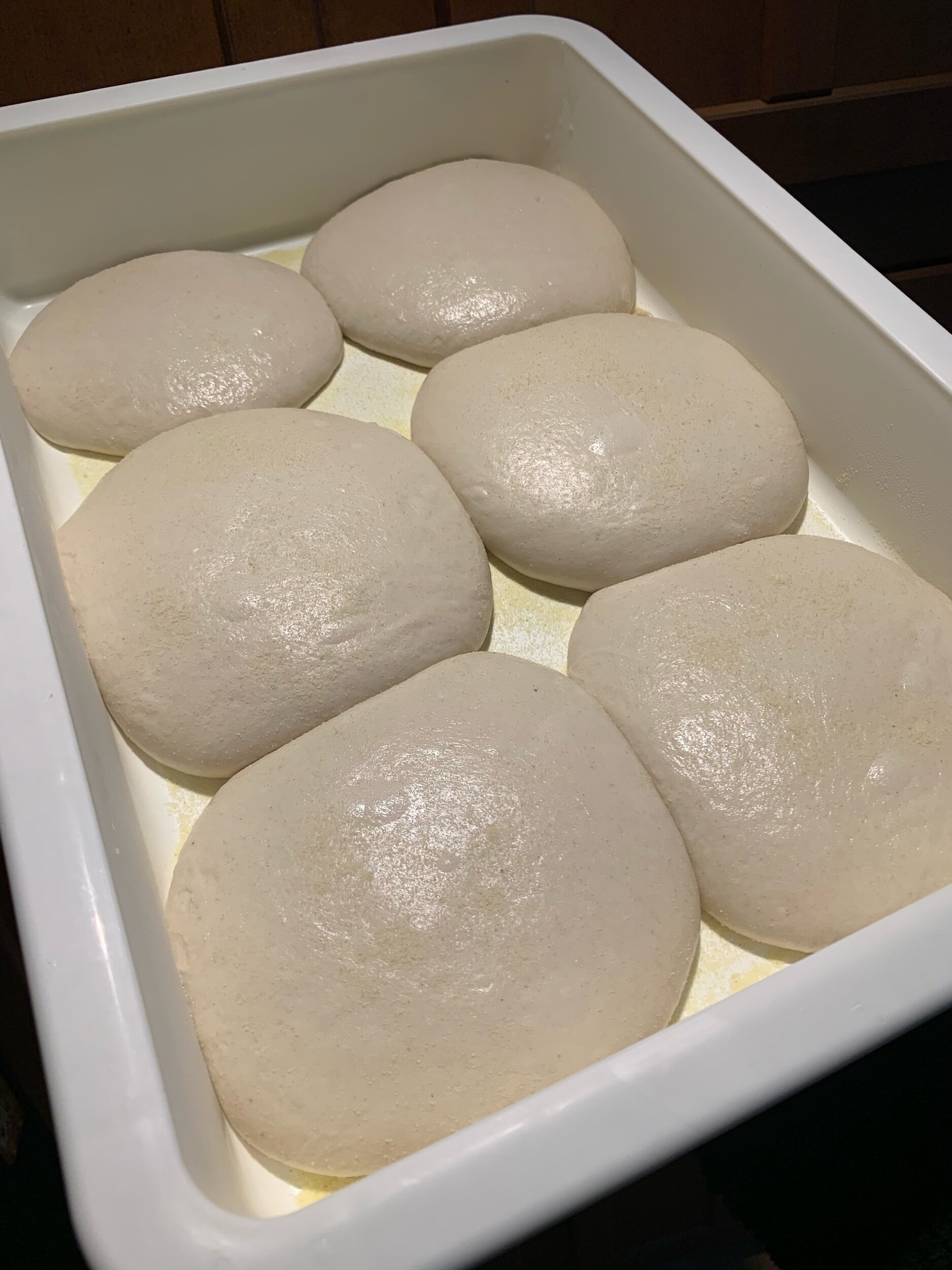
Credit: www.pizzaptah.pizza
Frequently Asked Questions
What Temperature Should Pizza Dough Rest At?
Pizza dough should rest at about 70°F (21°C) for optimal fermentation. This temperature helps yeast activate and dough rise evenly. Avoid temperatures above 80°F to prevent overproofing. Resting at room temperature between 68°F and 75°F ensures a soft, elastic dough ready for baking.
What Is The 55 Rule For Pizza Dough?
The 55 rule for pizza dough means using 55% hydration—55 grams of water per 100 grams of flour. This creates a soft, stretchy dough ideal for pizza.
How Long Should Pizza Dough Rest Before Being Stretched?
Pizza dough should rest for 30 minutes to 2 hours at room temperature before stretching. This relaxes gluten and improves elasticity.
How Long Can I Let Dough Sit On The Counter?
Dough can sit on the counter for 1 to 2 hours for rising. Avoid leaving it over 3 hours to prevent over-fermentation.
Conclusion
Proper pizza dough resting temperature improves texture and flavor. Keep dough at a warm, stable spot, about 70°F (21°C). Avoid cold drafts or hot areas that stress yeast. Resting allows gluten to relax and yeast to activate. This makes dough easier to stretch and bake.
Remember, timing and temperature work together for best results. Experiment gently to find your ideal resting conditions. Your pizza will taste fresher and have a better crust. Enjoy the process and the delicious outcome.

As the author of the “Ultimate Pizza Guide: Recipes, Tips & Secrets Revealed,” I’m dedicated to sharing my love for pizza and empowering others to create delicious homemade pizzas with ease. Join me on a journey to uncover the secrets to perfecting your pizza game!