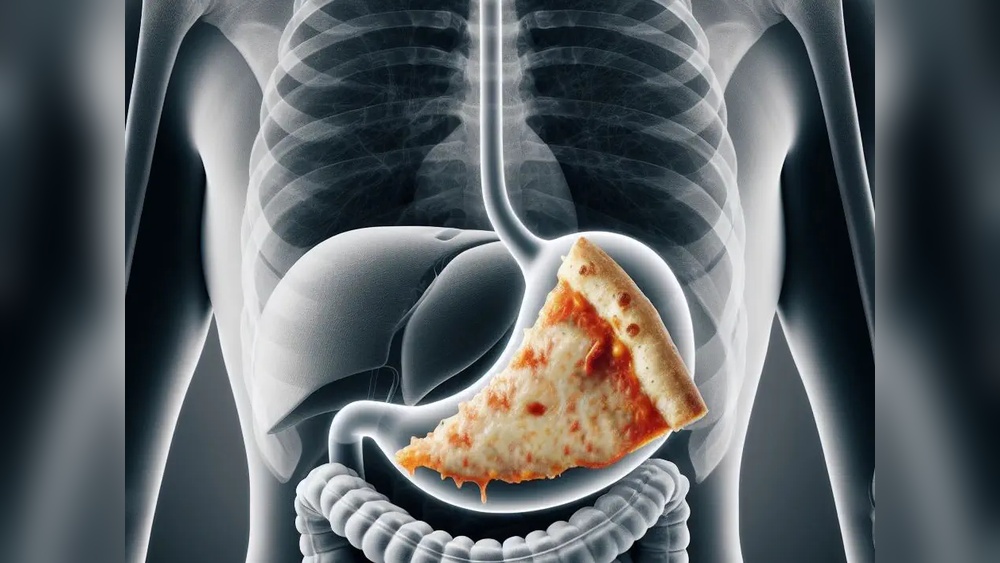
“Does Long Fermentation Improve Pizza Digestion?”
Have you ever wondered why some pizzas feel lighter on your stomach than others? The secret often lies in the fermentation process of the dough.
But does letting your pizza dough ferment for a long time really make it easier to digest? You might be surprised to learn how slow fermentation can change the way your body handles pizza, potentially reducing discomfort and making your favorite slice not just tastier, but gentler on your digestion.
Keep reading to discover how time and natural fermentation could transform your pizza experience and what science says about this popular baking method.

Credit: www.amazon.com
Long Fermentation Basics
Long fermentation is a traditional process used in pizza dough making. It involves letting the dough rest for many hours, often overnight or longer. This resting time allows natural yeast and bacteria to break down the dough slowly. The process changes the dough’s texture and flavor. It also impacts how the dough digests in the stomach.
Understanding what happens during fermentation helps explain its effects. Different fermentation methods offer unique benefits. Knowing these basics can guide you to better pizza digestion.
What Happens During Fermentation
Fermentation is a natural chemical process. Yeast and bacteria feed on sugars in the dough. This creates carbon dioxide, which makes the dough rise. At the same time, acids and enzymes break down proteins and starches. This breakdown softens the dough and changes its flavor.
During long fermentation, gluten proteins partially break down. This makes the dough easier to digest. Phytic acid, which can block nutrient absorption, also reduces. The slow process helps develop a complex taste and lighter texture.
Types Of Fermentation Methods
There are several ways to ferment pizza dough. The most common are room temperature and cold fermentation. Room temperature fermentation usually lasts a few hours. It allows the yeast to work faster but gives less flavor development.
Cold fermentation happens in the refrigerator. It can take from 12 to 72 hours or more. This method slows yeast activity and enhances flavor. It also improves dough digestibility more than short fermentations. Some bakers use sourdough starters, which add wild yeast and bacteria. This adds unique flavors and may help digestion further.
Impact On Dough Components
Long fermentation changes the components inside pizza dough. These changes can affect how easy the pizza is to digest. The natural process breaks down some parts that are hard to digest. It also alters sugars and acids in the dough. Understanding these changes helps explain how digestion improves.
Gluten Breakdown
Gluten is a protein that gives dough its stretch. Long fermentation helps break gluten into smaller pieces. This makes the dough softer and easier to digest. Smaller gluten pieces cause less strain on the stomach. Many people find long-fermented pizza less heavy and easier on their digestion.
Phytic Acid Reduction
Phytic acid binds minerals and can block digestion. It is found in wheat flour used for pizza dough. During long fermentation, natural enzymes reduce phytic acid levels. This releases minerals and lowers digestive difficulty. Less phytic acid means the body absorbs nutrients better from the pizza.
Changes In Sugar Levels
Sugars in dough serve as food for yeast during fermentation. Long fermentation lowers sugar content as yeast consumes it. Reduced sugars can lead to a slower rise in blood sugar after eating. This gentle sugar change helps the body digest pizza more smoothly. It also reduces potential discomfort after eating.
Digestive Benefits
Long fermentation offers notable digestive benefits for pizza lovers. This natural process changes the dough’s structure. It helps make pizza easier to digest and gentler on the stomach. Many people find that slow-fermented pizza dough feels lighter and less heavy after eating.
The slow fermentation breaks down complex compounds in the dough. This breakdown supports better digestion and nutrient use. The following sections explain how long fermentation aids digestion through gluten breakdown, enzyme activity, and reducing discomfort.
Easier Gluten Digestion
Gluten is a protein that can be hard to digest. Long fermentation breaks gluten down into smaller parts. These smaller fragments are easier for the stomach to handle. This means less bloating or discomfort after eating pizza. People sensitive to gluten often find slow-fermented dough more tolerable.
Enzyme Activity And Nutrient Absorption
Fermentation activates natural enzymes in the dough. These enzymes help break down starches and proteins. This process makes nutrients more available for the body. Better nutrient absorption supports overall digestive health. Enzymes also reduce anti-nutrients that block mineral uptake.
Reduced Digestive Discomfort
Slow fermentation lowers phytic acid levels in the dough. Phytic acid can cause digestive upset for some. Reducing it helps ease stomach discomfort. The gentle fermentation process also lessens the dough’s acidity. This can prevent heartburn and indigestion. Many people report feeling more comfortable after eating slow-fermented pizza.
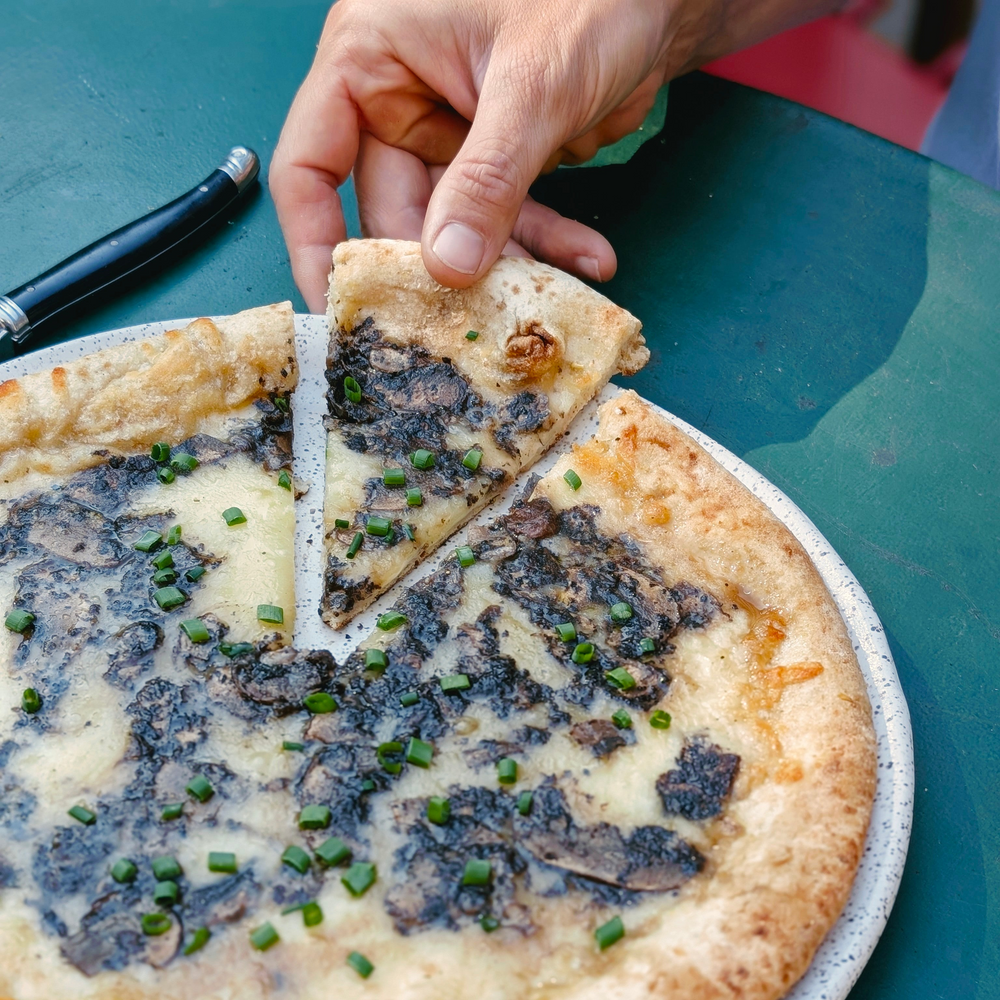
Credit: wildgrain.com
Fermentation Duration Effects
Fermentation duration plays a key role in pizza dough digestion. The process affects how the dough breaks down gluten and other compounds. This can make pizza easier or harder to digest. Understanding the effects of fermentation time helps in choosing the best dough preparation method.
Different fermentation lengths change the texture, flavor, and digestibility of pizza. Short and long fermentation create distinct results. Let’s explore how these variations impact digestion.
Short Vs Long Fermentation
Short fermentation lasts a few hours, producing a fresher dough. It keeps more sugars and starches intact. This can make digestion slower and sometimes cause discomfort for sensitive stomachs.
Long fermentation, often over 24 hours, allows natural enzymes to break down gluten and phytic acid. These compounds are harder to digest. As they reduce, the dough becomes gentler on the stomach.
Longer fermentation also develops more complex flavors. But it requires careful control to avoid over-fermentation. Both methods have pros and cons for digestion and taste.
Cold Fermentation Advantages
Cold fermentation slows down yeast activity by using low temperatures. This process lasts from 24 to 72 hours or more. It gives enzymes more time to work without over-fermenting the dough.
Cold fermentation helps reduce gluten levels and breaks down sugars. This makes the pizza dough lighter and easier to digest. It also improves flavor and texture.
This method suits home bakers and professionals who want better digestibility without sacrificing taste.
When Fermentation Is Too Long
Excessive fermentation can harm dough quality. The yeast may consume too much sugar, leaving the dough bland. It can also weaken gluten, causing poor texture and structure.
Over-fermented dough might cause digestive issues instead of easing them. It can become overly acidic, which irritates some stomachs. Balance is key for health and flavor benefits.
Monitoring fermentation time and conditions ensures the dough remains optimal for digestion and eating pleasure.
Comparing Dough Types
Different dough types affect pizza digestion in unique ways. Comparing these doughs helps understand how fermentation impacts digestibility. Some doughs rely on natural fermentation, while others use quicker methods. The fermentation time and ingredients shape the final dough’s texture and ease of digestion. Below, we explore two popular dough types and their fermentation styles.
Sourdough And Biga Dough
Sourdough uses natural wild yeast and bacteria for fermentation. This process breaks down gluten and phytic acid, which can be hard to digest. It also produces organic acids that may help with stomach comfort. Biga is an Italian pre-ferment made with flour, water, and a small amount of yeast. It ferments longer than conventional dough but shorter than sourdough.
Biga improves dough flavor and texture by allowing enzymes to work slowly. Both sourdough and biga doughs reduce some of the compounds that cause bloating. Their fermentation can make pizza easier on the stomach compared to fast-risen dough.
Conventional Vs Slowly Fermented Dough
Conventional pizza dough uses commercial yeast and ferments quickly, often under 2 hours. This short fermentation leaves more gluten and complex carbohydrates intact. These components may cause digestive discomfort for some people.
Slowly fermented dough rests for 12 to 72 hours, usually in a cold environment. During this time, yeast and bacteria break down gluten and sugars. This breakdown reduces the substances that can irritate the gut.
Slow fermentation also develops better flavor and dough texture. It results in a lighter, airier pizza crust that many find easier to digest. Choosing slowly fermented dough can improve your pizza digestion experience.
Tips For Better Digestion
Improving pizza digestion does not rely solely on fermentation time. Several key factors affect how well your stomach handles pizza. Simple changes in ingredients and preparation can make a big difference. These tips help create pizza that feels lighter and easier to digest.
Focus on freshness, salt and protein levels, and baking quality. Each plays a unique role in digestion and overall enjoyment of pizza.
Using Fresh Ingredients
Fresh ingredients contain fewer additives and preservatives. They break down more easily during digestion. Using fresh vegetables, high-quality cheese, and fresh dough improves flavor and digestion. Avoid processed toppings that may cause stomach discomfort.
Controlling Salt And Protein Levels
Too much salt can strain the digestive system. Keep salt levels moderate to aid digestion. Protein is important, but excess protein in dough or toppings can slow digestion. Use balanced amounts to keep your pizza light and easy on the stomach.
Ensuring Proper Baking
Proper baking ensures dough is fully cooked and safe to eat. Undercooked dough can be hard to digest and cause discomfort. Bake pizza until the crust is crisp and golden. This makes the pizza easier to digest and more enjoyable.
Scientific Evidence
Scientific evidence sheds light on whether long fermentation improves pizza digestion. Researchers have studied how fermentation affects dough and its impact on the digestive system. Understanding these findings helps separate facts from myths.
Fermentation changes the dough’s chemical composition. This process may reduce some compounds that cause digestive discomfort. But how strong is the evidence?
Clinical Studies On Fermented Foods
Clinical studies show fermented foods can support digestion. These foods contain beneficial bacteria that help break down nutrients. Fermentation reduces substances like phytic acid, which can block mineral absorption.
Some studies suggest long fermentation may lower gluten content. This may help people sensitive to gluten digest pizza better. Yet, these benefits depend on fermentation time and temperature.
Most research focuses on general fermented foods, not specifically on pizza dough. More targeted studies are needed to confirm long fermentation’s exact role.
Myths Vs Facts On Dough Digestibility
A common myth says longer fermentation always improves pizza digestion. The truth is more complex. While fermentation breaks down some hard-to-digest compounds, it does not remove them completely.
Short fermentation can also produce digestible dough if done properly. Factors like flour type and baking method affect digestibility too. Over-fermentation may cause off flavors and weaken dough structure.
Digestibility varies from person to person. Some feel better with long-fermented dough; others do not notice a difference. Science supports benefits but does not guarantee improved digestion every time.

Credit: www.keystonefarmscheese.com
Practical Baking Advice
Practical baking advice helps you use long fermentation to improve pizza digestion. Slow fermentation breaks down gluten and phytic acid. This makes the dough easier to digest and enhances flavor. Follow these tips to control fermentation correctly and enjoy better pizza.
How To Slow Ferment Pizza Dough
Start with a simple dough recipe using flour, water, salt, and yeast. Use less yeast than usual to slow the process. Mix ingredients well and knead until smooth. Place the dough in a covered bowl.
Keep the dough in the refrigerator for slow fermentation. Cold slows yeast activity and allows enzymes to break down gluten. Let the dough rest for 24 to 72 hours. The longer the rest, the better the digestion benefits.
Timing And Temperature Controls
Temperature is key to fermentation speed. Keep the dough at 40°F to 50°F (4°C to 10°C) in the fridge. This temperature range slows yeast but allows beneficial bacteria to work.
Allow the dough to come to room temperature before shaping. This takes about 1 to 2 hours. Room temperature helps yeast reactivate for good oven spring and texture.
Monitor the dough visually. It should double in size but not overproof. Overproofed dough loses structure and flavor. Use a timer to track fermentation duration accurately.
Frequently Asked Questions
How To Speed Up Pizza Digestion?
Eat slowly fermented pizza dough, fully bake the pizza, and avoid excess salt. Drink water and stay active to aid digestion.
Does Fermentation Help With Digestion?
Fermentation helps digestion by breaking down gluten and phytic acid, making foods easier to digest. It also boosts nutrient absorption and reduces inflammation.
How To Make Pizza More Digestible?
Use slow-fermented dough to break down gluten and phytic acid for easier digestion. Bake pizza fully. Choose fresh ingredients and limit salt for better digestion.
How Long Is Too Long To Ferment Pizza Dough?
Ferment pizza dough up to 72 hours for best flavor and texture. Beyond 72 hours, dough may over-ferment, causing sourness and weak structure.
Conclusion
Long fermentation can help break down some hard-to-digest parts of pizza dough. This process may reduce gluten and phytic acid, making digestion easier. Still, the effect varies depending on ingredients and fermentation time. Using fresh, simple ingredients also supports better digestion.
Taking time to prepare pizza carefully matters. Eating slowly and in moderation helps your stomach too. Overall, long fermentation might improve pizza digestion but isn’t the only factor. Enjoy your pizza with balance and awareness for the best experience.

As the author of the “Ultimate Pizza Guide: Recipes, Tips & Secrets Revealed,” I’m dedicated to sharing my love for pizza and empowering others to create delicious homemade pizzas with ease. Join me on a journey to uncover the secrets to perfecting your pizza game!