
The crackle of a roaring fire, the tantalizing aroma of wood-smoked dough, and the perfectly blistered crust, these are the hallmarks of authentic pizza cooked in a dedicated pizza oven. Whether you own a compact countertop model or a magnificent backyard brick behemoth, maintaining your pizza oven is paramount to achieving those sublime results consistently. Neglecting maintenance is akin to a chef ignoring their knives; it leads to diminished performance, potential damage, and ultimately, less delicious pizza. Understanding the right pizza oven maintenance cadence, how often to perform specific tasks, is the key to ensuring longevity, optimal cooking temperatures, and a safe operating environment for years of culinary enjoyment.
This guide will break down the essential maintenance routines for various pizza oven types, from daily checks to annual deep cleans. We’ll explore the specific needs of wood-fired, gas, and electric ovens, providing actionable steps and recommended frequencies. By establishing a proactive maintenance schedule, you’ll not only protect your investment but also elevate your pizza-making game, ensuring every pie emerges from the oven with that coveted pizzeria-quality char and flavor.
Key Takeaways
- Regular Cleaning is Crucial: Ash removal, debris clearing, and surface wiping prevent buildup and ensure even heat distribution.
- Firebrick Care is Paramount: Inspect firebricks for cracks and spalling, addressing minor damage promptly to prevent larger issues.
- Chimney and Flue Maintenance: Regular cleaning of chimneys and flues prevents creosote buildup, a fire hazard, and ensures proper ventilation.
- Component Checks: Inspect doors, seals, thermometers, and gas components (if applicable) for wear and tear.
- Seasonal Considerations: Protect ovens from the elements during off-seasons with proper covers and storage.
- Manufacturer Guidelines: Always defer to your oven’s specific manual for unique maintenance requirements.
Credit: therestaurantwarehouse.com
Daily And After-use Pizza Oven Maintenance
The most critical maintenance tasks for your pizza oven happen immediately after each use. This is when the oven is still warm, making debris easier to remove, and before ash and residue have fully cooled and hardened. Consistent attention to these small details prevents significant problems down the line and keeps your oven ready for its next fiery performance.
Ash And Debris Removal
For wood-fired ovens, the immediate post-cook removal of ash and embers is non-negotiable. Once the oven has cooled sufficiently to be safe to touch, but is still warm, use a metal brush or a dedicated pizza oven brush to sweep loose ash and any fallen food debris towards the oven floor’s front. A small shovel or ash pan can then be used to collect this material. Allowing ash to accumulate can insulate the oven floor, leading to uneven heat distribution and potentially cooler cooking surfaces. It can also contribute to a sooty flavor on your next pizza if not properly managed.
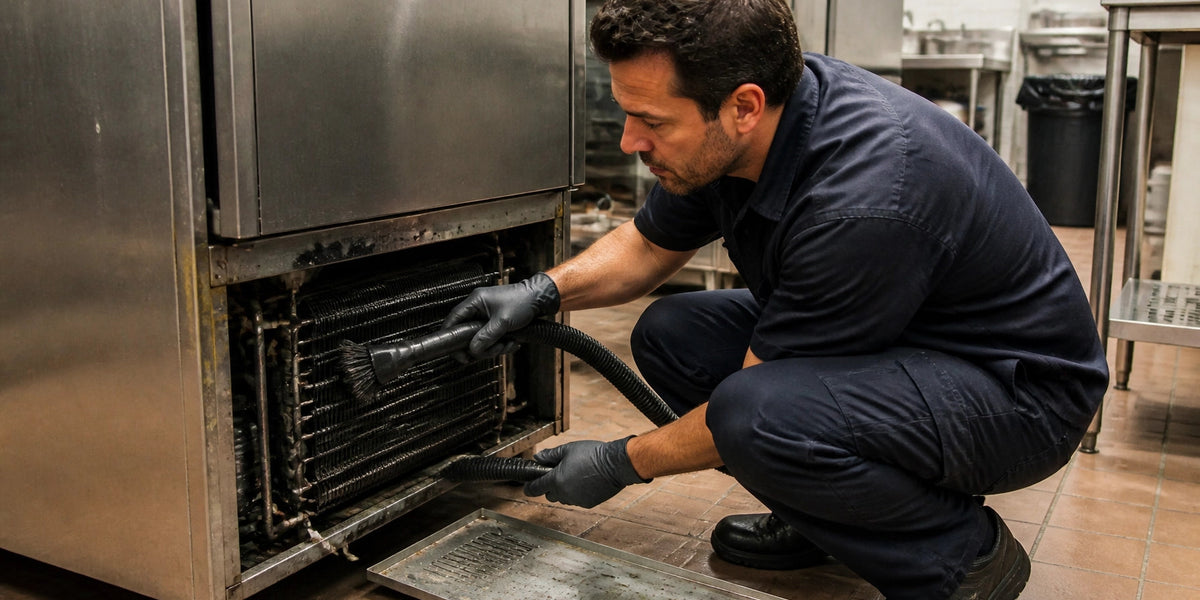
For gas and electric ovens, while ash isn’t a primary concern, food debris, fallen toppings, and burnt flour can still accumulate on the cooking surface. A quick sweep with a stiff brush or a vacuum specifically designed for high temperatures (if available and safe for your oven model) can clear this away.
Wiping Down Surfaces
After sweeping out debris, a quick wipe-down of accessible surfaces can prevent sticky residue and grease buildup. For the oven floor, once cool enough, a damp (not wet) cloth or sponge can be used to wipe away any residual flour or light spills. For the exterior, a damp cloth can remove fingerprints and light grime. Avoid using harsh chemicals, especially on the cooking surfaces or interior dome, as these can leave behind residues that may affect food taste or even emit fumes when heated.
Door And Seal Check
Briefly inspect the oven door and its seals. Ensure the door closes properly and that the seals (if present) are intact and not showing signs of excessive wear, cracking, or melting. A compromised door seal can lead to significant heat loss, impacting cooking performance and increasing fuel consumption. If you notice any damage, make a note to address it during more thorough maintenance.
Weekly Pizza Oven Maintenance
The weekly maintenance routine builds upon the daily tasks, focusing on slightly deeper cleaning and initial inspections that might be missed in the rush after cooking. This cadence ensures that minor issues are caught before they escalate.
Deeper Cleaning Of The Oven Floor
While daily sweeping removes loose debris, a weekly clean involves a more thorough scrub of the oven floor. For wood-fired ovens, after sweeping, use a wire brush to dislodge any stuck-on food particles or carbonized residue. If needed, a pizza oven cleaning stone can be used to gently scrub the floor while the oven is still slightly warm (but safe to approach). For gas and electric ovens, a slightly damp sponge with a mild, food-safe degreaser can be used on the cooking surface, followed by a thorough rinse with a clean, damp cloth to remove all traces of the degreaser. Ensure the floor is completely dry before the next use.
Exterior Wipe-down And Polish
Take a few minutes to give the exterior of your pizza oven a more comprehensive clean. Depending on the material (stainless steel, painted metal, brick, or stone), use appropriate cleaning agents. For stainless steel, a dedicated stainless steel cleaner can restore shine and remove smudges. For painted surfaces, mild soap and water are usually sufficient. For brick or stone, a stiff brush can remove dust and cobwebs. This not only keeps your oven looking presentable but also allows you to spot any early signs of rust, corrosion, or damage to the exterior materials.
Inspecting For Cracks And Damage
This is a crucial part of the weekly check. For wood-fired ovens, carefully examine the firebricks on the dome and floor for any new cracks or spalling (where the surface flakes off). Minor hairline cracks are often normal, especially in high-heat refractory materials, but larger or widening cracks should be noted. Also, check the archway and any structural components for signs of stress. For gas and electric ovens, inspect the insulation layers visible around heating elements or burners for any signs of degradation.
Checking The Thermometer
Ensure your oven’s thermometer is still functioning accurately. You can test this by comparing its reading to a reliable oven thermometer placed nearby during a preheat cycle. If there’s a significant discrepancy, the thermometer may need calibration or replacement. An accurate temperature reading is vital for consistent pizza cooking.

Credit: facilitec-sw.com
Monthly Pizza Oven Maintenance
Monthly maintenance involves more detailed inspections and preventative measures, particularly focusing on components that are critical for performance and safety.
Firebrick Assessment And Minor Repair
H3: Assessing Firebrick Integrity
This is where you dedicate time to thoroughly inspect every firebrick. Look for:
- Hairline Cracks: Small cracks are common and usually not a cause for alarm, especially in wood-fired ovens that experience significant thermal expansion and contraction.
- Spalling: This occurs when moisture within the brick turns to steam and forces the surface layers to flake off. It’s often a sign of moisture absorption or rapid temperature changes.
- Chips and Pitting: Minor chips on edges are expected, but significant pitting can weaken the brick.
- Loose Bricks: Check if any bricks are wobbly or have shifted out of place.
H3: Minor Firebrick Repairs
For minor issues, you can often perform simple repairs:
- Hairline Cracks: Many manufacturers recommend leaving these alone, as they can self-heal to some extent. However, if a crack seems to be widening, you might consider a high-temperature refractory sealant specifically designed for pizza ovens. Always follow product instructions carefully.
- Minor Spalling/Pitting: For very light spalling or pitting, a gentle brushing to remove loose particles might suffice. If the area is larger, a refractory cement or mortar can be used to fill the void. Ensure the area is clean and dry before applying.
- Loose Bricks: If a brick is slightly loose but not broken, you might be able to reposition it and use a small amount of refractory mortar to secure it. If a brick is significantly damaged or loose, it may need replacement.
Pro Tip: Always use oven-specific refractory materials for repairs. Regular cement or mortar will not withstand the extreme temperatures and will likely crack or crumble.
Chimney And Flue Cleaning (wood-fired Ovens)
For wood-fired ovens, the chimney and flue are critical for proper draft and safety. Monthly checks are recommended, with more frequent cleaning if you notice reduced draft or visible creosote buildup.
- Inspection: Look for creosote buildup (a tar-like substance that is highly flammable), blockages (bird nests, leaves), and any signs of corrosion or damage to the chimney liner or cap.
- Cleaning: Use a chimney brush of the appropriate diameter attached to flexible rods. Insert the brush into the chimney from the top or bottom (depending on access) and scrub vigorously to dislodge creosote and debris. Ensure all removed material is collected safely. A shop vacuum can be useful for cleaning up the debris.
Ignoring creosote buildup is a significant fire hazard. Regular cleaning dramatically reduces the risk of a chimney fire.
Door And Gasket Maintenance
Inspect the oven door more closely. If your oven has a removable gasket (often made of fiberglass or ceramic fiber), check for wear, compression, or fraying. Gaskets are crucial for maintaining heat and preventing smoke leaks. If a gasket is damaged, it should be replaced. Clean any soot or debris from the door and the area where it seals against the oven opening. For metal doors, check for any signs of rust or warping.
Gas Components Inspection (gas Ovens)
If you have a gas pizza oven, monthly checks of the gas components are vital for safety and performance.
- Hose and Connections: Inspect the gas hose for any cracks, abrasions, or leaks. Check that all connections are secure. You can test for small leaks by applying soapy water to the connections; if bubbles form, there’s a leak.
- Burner Ports: Ensure the burner ports are clear of debris. Blocked ports can lead to uneven flame distribution and inefficient combustion. Use a soft brush or compressed air to clean them.
- Igniter: Check that the igniter is functioning correctly and sparking reliably.
Warning: If you detect any gas leaks or are uncomfortable inspecting gas components, immediately shut off the gas supply and contact a qualified gas technician.

Credit: oxmaint.com
Annual Pizza Oven Maintenance
Annual maintenance is the most comprehensive, akin to a deep service. This is when you tackle tasks that require more time, effort, or specialized knowledge, ensuring your oven is in peak condition for the year ahead.
Deep Cleaning And Descaling
A thorough deep clean should be performed at least once a year.
- Interior Dome and Walls: For wood-fired ovens, after removing all loose ash, use a stiff brush to scrub the interior dome and walls, dislodging any stubborn carbon buildup. For gas and electric ovens, carefully clean the interior surfaces, paying attention to areas around heating elements or burners. Use food-safe oven cleaners sparingly if necessary, ensuring all residue is removed.
- Descaling: If you live in an area with hard water and your oven has components that come into contact with steam or water (e.g., some electric models), you might need to descale them. Follow the manufacturer’s instructions for descaling, typically using a vinegar solution or a commercial descaling product.
Firebrick Replacement (as Needed)
While annual maintenance involves assessing firebricks, replacement is usually only necessary every few years, depending on usage and material quality.
- Identifying Bricks for Replacement: Bricks that are severely cracked, spalled, or crumbling to the point where they compromise the oven’s structural integrity or heat retention need replacement. If a brick has a hole through it or is actively disintegrating, it’s time.
- Replacement Process: This can be a labor-intensive process. It typically involves carefully removing the damaged brick (or bricks), cleaning the area, and installing new, high-quality refractory bricks using refractory mortar. Ensure the new bricks are the correct size and type for your oven. This is a task where professional help might be advisable if you’re not experienced.
Insulation Check And Repair
The insulation is key to your pizza oven’s efficiency and ability to reach and maintain high temperatures.
- Inspection: Check the insulation blanket (often ceramic fiber) or vermiculite/perlite concrete for signs of degradation, compression, or moisture damage. Look for any gaps or areas where the insulation might have shifted.
- Repair: If insulation has become compressed, it loses its effectiveness. Minor gaps can sometimes be filled with new insulation material. If the insulation is severely damaged or wet, it may need to be entirely replaced. This is a significant undertaking, especially for larger ovens, and often requires professional attention.
Comprehensive Gas System Service (gas Ovens)
For gas ovens, an annual professional service check is highly recommended.
- Leak Detection: A professional can perform a more thorough leak detection test on the entire gas system.
- Burner Cleaning and Adjustment: They can ensure the burners are optimally cleaned and adjusted for proper flame and efficiency.
- Regulator and Valve Check: The gas regulator and valves should be inspected for proper function and wear.
- Safety Checks: Professionals can verify that all safety mechanisms are working correctly.
This level of service ensures the safe and efficient operation of your gas oven.
Structural Integrity Check
Beyond individual components, take a step back and assess the overall structural integrity of your oven.
- Wood-Fired Ovens: Check the base or stand for stability. Inspect the outer dome render (if applicable) for significant cracks or delamination. Ensure the chimney base is sound.
- All Oven Types: Look for any signs of settling, warping, or stress fractures in the main structure. Address any concerns promptly, as structural issues can lead to more severe damage over time.
Seasonal Pizza Oven Care
Beyond routine maintenance, seasonal care is vital for protecting your investment, especially if your oven is exposed to the elements.
Spring: Re-introduction To Service
As warmer weather arrives, it’s time to bring your oven back into regular use.
- Thorough Inspection: Before the first big cook-off, perform a comprehensive inspection, similar to your monthly or annual checks. Look for any damage that may have occurred during the off-season.
- Moisture Check: If your oven has been covered, check for any signs of moisture buildup inside. If dampness is present, air it out thoroughly on a dry day, perhaps with a low fire, before reaching high temperatures.
- First Fire: Start with a small, gentle fire to gradually bring the oven up to temperature. This helps to drive out any residual moisture and allows the materials to expand slowly, reducing the risk of thermal shock and cracking.
Summer: Peak Performance And Vigilance
Summer is prime pizza-making season. Maintenance here focuses on keeping things running smoothly.
- Consistent Cleaning: Maintain your daily and weekly cleaning routines diligently, as frequent use means more ash and debris.
- Hydration Awareness: In very hot, dry climates, be mindful that materials can dry out. While this is generally good for heat retention, extreme dryness can sometimes exacerbate existing micro-cracks. Ensure your oven is structurally sound.
- Flare-Up Management: If using a wood-fired oven, be aware of dry conditions that can increase fire risk. Always have water or a fire extinguisher readily available. Manage flare-ups by controlling the fuel load.
Autumn: Preparing For Colder Months
As temperatures drop, it’s time to start thinking about protecting your oven.
- Final Deep Clean: Perform a thorough clean before storing it for winter. Remove all ash and debris.
- Moisture Prevention: Ensure the oven is completely dry. Consider leaving the door ajar for a day or two on a dry, breezy day to allow any trapped moisture to escape.
- Protective Cover: Invest in a high-quality, breathable, waterproof cover for your oven. This will protect it from rain, snow, frost, and UV damage. Ensure the cover fits snugly but allows for some air circulation to prevent moisture buildup underneath.
Winter: Protection And Rest
During winter, most ovens are dormant, but protection is key.
- Covered and Dry: Ensure the oven remains covered and protected from the elements. The cover should prevent water and snow from accumulating inside or around the base.
- Check for Pests: Occasionally check under the cover for signs of nesting animals or pests, especially if your oven is in a sheltered area.
- Avoid Extreme Temperature Cycles: Do not attempt to fire up a deeply frozen oven. If you must use it in cold weather, follow the gradual heating process described for spring.
Pizza Oven Maintenance Comparison Table
To help visualize the frequency of tasks, here’s a comparison table for different oven types. Note that usage intensity significantly impacts the actual cadence needed.
| Maintenance Task | Wood-Fired Oven | Gas Oven | Electric Oven | Frequency |
|---|---|---|---|---|
| Ash & Debris Removal | Daily/After Use | Daily/After Use (food debris) | Daily/After Use (food debris) | **Daily** |
| Surface Wipe-Down | Daily/After Use | Daily/After Use | Daily/After Use | **Daily** |
| Door & Seal Check | Daily/After Use | Daily/After Use | Daily/After Use | **Daily** |
| Deeper Oven Floor Clean | Weekly | Weekly | Weekly | **Weekly** |
| Exterior Cleaning | Weekly | Weekly | Weekly | **Weekly** |
| Firebrick Inspection | Weekly (quick), Monthly (thorough) | N/A | N/A | **Weekly/Monthly** |
| Thermometer Check | Weekly | Weekly | Weekly | **Weekly** |
| Chimney & Flue Cleaning | Monthly (inspect/clean as needed) | N/A | N/A | **Monthly** |
| Gas Components Inspection | N/A | Monthly (visual), Annually (professional) | N/A | **Monthly/Annually** |
| Deep Interior Clean | Annually | Annually | Annually | **Annually** |
| Insulation Check | Annually | Annually | Annually | **Annually** |
| Structural Integrity Check | Annually | Annually | Annually | **Annually** |
| Seasonal Protection | As needed (Autumn/Winter) | As needed (Autumn/Winter) | As needed (Autumn/Winter) | **Seasonally** |
Common Pizza Oven Maintenance Issues And Solutions
Even with a rigorous maintenance schedule, problems can arise. Here are some common issues and how to address them.
Spalling Firebricks
Issue: Firebricks develop small, flaky layers on their surface.
Cause: Moisture trapped within the brick turns to steam under high heat, forcing the surface layers to break away. This can be due to rain exposure, insufficient drying before firing, or rapid temperature changes.
Solution: For minor spalling, brush away loose particles. If significant, use a high-temperature refractory cement to fill affected areas. Ensure bricks are thoroughly dry before firing. In my experience, preventing moisture ingress is the best defense.
Poor Draft (wood-fired Ovens)
Issue: Smoke doesn’t vent properly, making it difficult to light and maintain a fire, and smoke lingers in the oven.
Cause: Blocked chimney (creosote, debris), chimney too short, downdraft issues, or the oven door is too open.
Solution: Clean the chimney and flue thoroughly. Ensure the chimney is of adequate height relative to the oven dome. Check for obstructions around the oven opening. Experiment with partially closing the oven door to improve draw.
Uneven Cooking Temperatures
Issue: One side of the pizza cooks faster than the other, or the center remains undercooked while the edges burn.
Cause: Uneven heat distribution due to ash buildup on the floor, damaged insulation, or unevenly distributed heat source (in gas/electric ovens).
Solution: Ensure the oven floor is meticulously clean. For wood-fired ovens, try to maintain a consistent bed of embers and rotate the pizza frequently. Check insulation for damage. For gas/electric ovens, ensure burner ports are clean or heating elements are functioning evenly. Use an infrared thermometer to map the deck and identify hot/cold spots. Rotate pizzas frequently during baking. If the issue persists, check insulation integrity—compromised insulation causes uneven heat retention across the oven.
Door Seal Failure
Issue: Heat escapes around the oven door, causing temperature drops and longer cooking times.
Cause: Worn, cracked, or compressed gaskets; warped door; loose hinges.
Solution: Inspect the gasket for wear. Replace if damaged (fiberglass or ceramic fiber gaskets are common). Tighten hinges and ensure the door closes flush. For warped metal doors, professional repair or replacement may be needed. A well-sealed door is essential for heat retention and fuel efficiency.
Thermometer Inaccuracy
Issue: Built-in thermometer gives readings that don’t match actual deck or air temperature.
Cause: Calibration drift, sensor damage, or placement in a location that doesn’t reflect cooking conditions.
Solution: Cross-check with an infrared thermometer or a separate oven thermometer. If the built-in thermometer is consistently inaccurate, recalibrate (if possible) or replace it. Always rely on an IR thermometer for deck temperature—built-in thermometers often measure air temperature, not cooking surface temperature.
Rust and Corrosion (Gas/Electric Ovens)
Issue: Rust appears on metal components, especially in humid or coastal environments.
Cause: Moisture exposure, lack of protective coating, or damage to painted surfaces.
Solution: Clean rust spots with a wire brush, then apply a high-temperature rust-resistant paint or coating. Keep the oven covered when not in use. For stainless steel, use a dedicated stainless steel cleaner and protectant. Inspect regularly, especially after rainy seasons.
Chimney Cap Damage
Issue: Chimney cap becomes loose, rusted, or blocked.
Cause: Weather exposure, bird nesting, or debris accumulation.
Solution: Inspect the cap monthly. Remove debris and nests. If rusted or damaged, replace the cap. A functioning cap prevents rain, snow, and animals from entering the chimney while allowing exhaust gases to escape.
Seasonal Maintenance Checklist
| Season | Key Tasks |
|---|---|
| Spring | Thorough inspection; check for winter damage; gentle first fire; moisture check; clean chimney and flue |
| Summer | Daily/weekly cleaning; monitor for flare-ups; check insulation; maintain consistent firing routine |
| Autumn | Final deep clean; ensure oven is dry; apply protective cover; inspect for cracks before winter |
| Winter | Keep covered and dry; check for pests; avoid firing a frozen oven; plan for spring re-introduction |
Maintenance Cadence Quick-Reference
| Task | Frequency | Oven Type |
|---|---|---|
| Ash & debris removal | Daily/After each use | Wood-fired (essential); gas/electric (food debris) |
| Surface wipe-down | Daily/After each use | All |
| Door & seal check | Daily/After each use | All |
| Deeper floor clean | Weekly | All |
| Exterior cleaning | Weekly | All |
| Firebrick inspection | Weekly (quick), Monthly (thorough) | Wood-fired |
| Thermometer check | Weekly | All |
| Chimney & flue inspection | Monthly (clean as needed) | Wood-fired |
| Gas component inspection | Monthly (visual), Annually (professional) | Gas |
| Deep interior clean | Annually | All |
| Insulation check | Annually | All |
| Structural integrity check | Annually | All |
| Seasonal protection | As needed (Autumn/Winter) | All |
Key Takeaways
- Daily care prevents major problems: Ash removal, surface wiping, and door checks after each use are non-negotiable.
- Weekly deeper cleaning maintains performance: Floor scrubbing, exterior cleaning, and thermometer checks catch issues early.
- Monthly inspections address components: Firebrick assessment, chimney cleaning, and gas component checks are critical for safety and efficiency.
- Annual deep service ensures longevity: Deep cleaning, insulation checks, and structural inspections keep your oven in peak condition.
- Seasonal care protects your investment: Spring re-introduction, summer vigilance, autumn preparation, and winter protection extend oven life.
- Know the common issues: Spalling, poor draft, uneven cooking, door seal failure, and thermometer inaccuracy all have identifiable causes and solutions.
- Use the right materials: Always use refractory materials for repairs—regular cement or mortar won’t withstand pizza oven temperatures.
- When in doubt, call a professional: Gas system service, extensive firebrick replacement, and insulation repair are best left to experts.
Frequently Asked Questions
How often should I clean my pizza oven’s chimney?
For wood-fired ovens, inspect monthly and clean as needed—especially if you notice reduced draft, smoke spillage, or visible creosote buildup. Heavy use may require more frequent cleaning. Creosote is highly flammable, so regular cleaning is a safety imperative.
Can I use regular cement to repair firebricks?
No. Regular cement or mortar cannot withstand the extreme temperatures of a pizza oven and will crack or crumble. Always use refractory mortar or cement specifically designed for high-temperature applications.
How do I know if my firebricks need replacement?
Bricks that are severely cracked, spalled, crumbling, or loose to the point of compromising structural integrity or heat retention need replacement. Hairline cracks are often normal; deep cracks or disintegrating bricks warrant replacement.
What’s the best way to protect my oven in winter?
Use a high-quality, breathable, waterproof cover. Ensure the oven is completely dry before covering. Check periodically for pests or moisture buildup. Avoid firing a deeply frozen oven—gradual warming is essential.
How often should I check my gas oven’s components?
Visually inspect the hose, connections, and burner ports monthly. Have a professional service the gas system annually, including leak detection, burner cleaning, and safety checks.
Can I use my pizza oven in the rain?
It’s not recommended. Rain can enter the oven, causing moisture damage to insulation and refractory materials. If caught in rain, dry the oven thoroughly before firing. A cover or shelter is essential for outdoor ovens.
What should I do if my oven has poor draft?
Clean the chimney and flue thoroughly. Ensure the chimney is tall enough relative to the oven dome. Check for blockages (nests, debris). Experiment with door position—partially closing it can improve draw. If the problem persists, consult a professional.
Conclusion
Maintaining your pizza oven is not a chore—it’s an investment in performance, safety, and longevity. From the daily ritual of ash removal to the annual deep service, every task plays a role in ensuring your oven reaches and maintains the high temperatures that define great pizza. Wood-fired ovens demand the most attention: firebrick care, chimney cleaning, and fire management are ongoing responsibilities. Gas and electric ovens require less daily effort but still benefit from regular cleaning, component checks, and professional servicing. Respect the seasonal rhythm—gentle spring re-introduction, vigilant summer care, thorough autumn preparation, and protective winter rest. Maintain your oven diligently, and it will reward you with years of perfectly blistered crusts, smoky aromas, and unforgettable pizzas.

As the author of the “Ultimate Pizza Guide: Recipes, Tips & Secrets Revealed,” I’m dedicated to sharing my love for pizza and empowering others to create delicious homemade pizzas with ease. Join me on a journey to uncover the secrets to perfecting your pizza game!


