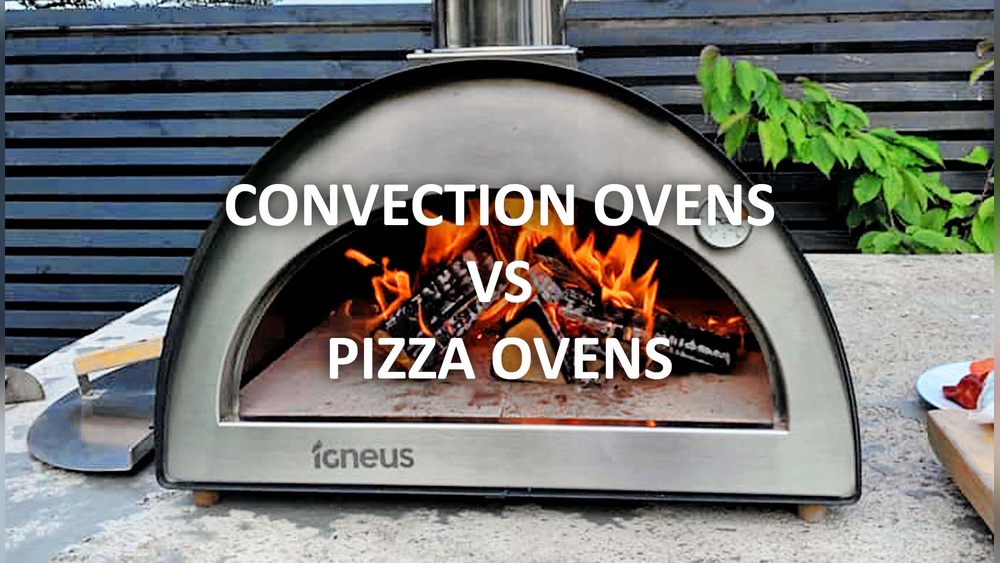
“Convection Oven Vs Regular Oven Pizza”
When you’re craving the perfect pizza, the oven you choose can make all the difference. Should you go with a convection oven or stick to a regular oven?
You might wonder which one gives you that crispy crust, bubbly cheese, and evenly cooked toppings every time. The answer isn’t always simple, but understanding how each oven works can help you bake pizza like a pro right in your own kitchen.
You’ll discover the key differences between convection and regular ovens, learn which one suits your pizza style, and get practical tips to make every slice delicious. Keep reading to unlock the secret to your best homemade pizza yet!
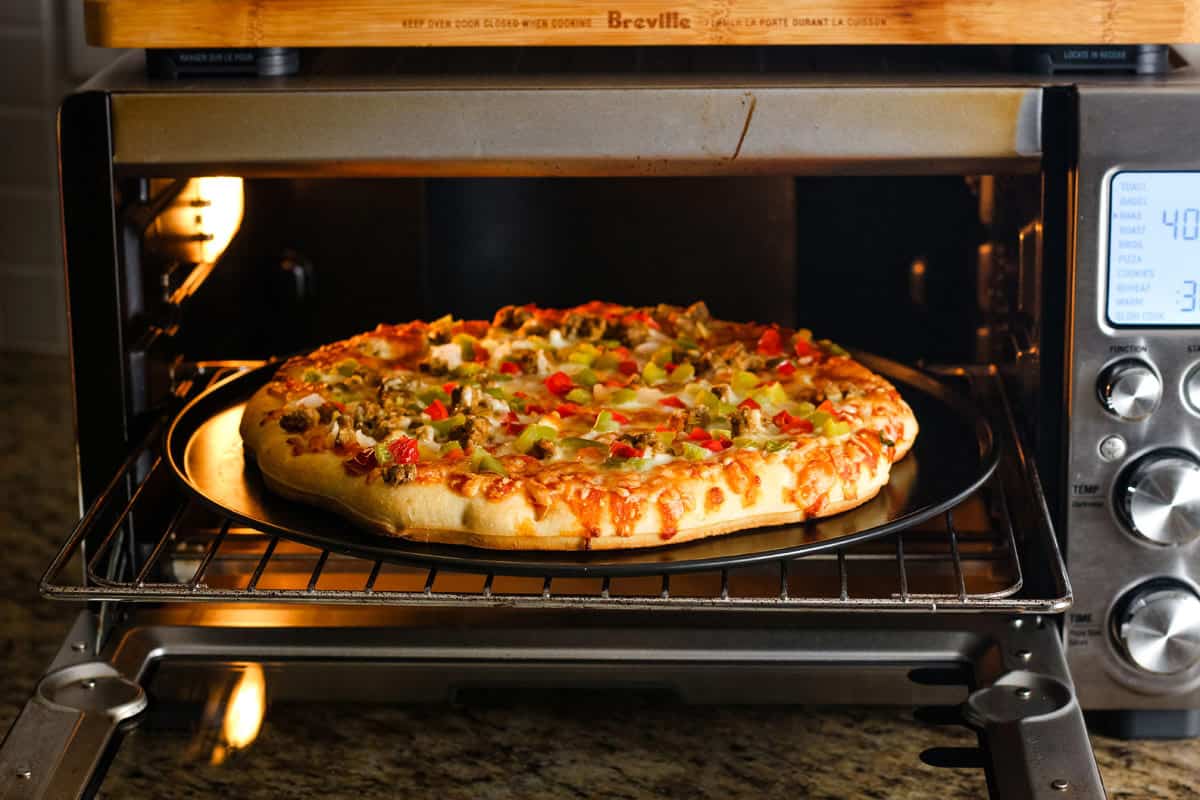
Credit: toasterovenlove.com
Convection Oven Basics
Convection ovens use a fan and exhaust system to cook food. This technology changes how heat moves inside the oven. It helps foods cook faster and more evenly. Pizza baking benefits from these features a lot.
Understanding how a convection oven works can help you decide if it suits your pizza style. The even heat and airflow can create a crisp crust and melt cheese perfectly. Let’s explore the key parts of convection baking.
How Convection Works
A convection oven has a fan and an exhaust vent. The fan blows hot air around the food. The exhaust removes moisture from the oven cavity. This airflow speeds up cooking and browns food evenly.
The fan’s movement pushes heat to every corner. It stops hot or cold spots from forming. This is different from regular ovens that rely on still air. Faster cooking means less drying out of pizza toppings.
Heat Distribution And Airflow
Heat spreads evenly thanks to the fan’s circulation. Air moves continuously around the pizza. This steady airflow crisps the crust better than still air ovens.
Even heat helps the dough cook through while cheese bubbles nicely. Moisture escapes, keeping the crust from becoming soggy. This airflow pattern mimics professional pizza ovens well.
Regular ovens can have uneven heat zones. This causes some parts of the pizza to cook faster. Convection ovens reduce this problem with constant air movement. Your pizza gets uniform cooking every time.
Regular Oven Essentials
Regular ovens have been a kitchen staple for decades. They use traditional methods to cook food. Understanding how they work helps in making better pizza at home.
Regular ovens heat food with a steady, radiant heat source. The heat moves from the oven walls to the pizza. This method creates a classic cooking environment.
Traditional Heat Source
Regular ovens use electric coils or gas flames for heat. These sources warm the air inside slowly. The heat comes mostly from the bottom and top surfaces. This method creates a warm, steady cooking space. It cooks pizza without direct air movement.
The heat in a regular oven is gentle. It cooks the pizza evenly but can take longer. The crust bakes through slowly, making it soft or chewy. This suits those who enjoy a classic pizza texture.
Cooking Environment
The cooking environment in a regular oven is still air. Without a fan, hot air stays in place around the pizza. This causes slower moisture evaporation from the crust. The pizza cooks with steady heat, not drying out quickly.
This environment helps melt cheese slowly and evenly. It allows toppings to cook without burning fast. Regular ovens keep a balanced heat, ideal for thick or deep-dish pizzas. The result is a tender, well-cooked pizza.
Pizza Cooking Differences
Pizza cooks differently in convection and regular ovens. The way heat moves inside these ovens changes the pizza’s final look and taste. Understanding these differences helps you choose the best oven for your pizza needs. Below, we explore how crust texture, cheese melting, and cooking time vary between the two ovens.
Crust Texture And Crispiness
Convection ovens use a fan to circulate hot air. This air movement dries the pizza crust faster. As a result, the crust becomes crispier and crunchier. Regular ovens cook with still air, which can make the crust softer. The bottom of the pizza might not get as crispy in a regular oven. Convection ovens are ideal for thin crust pizzas that need a golden, crispy base.
Cheese Melting And Topping Results
The fan in convection ovens helps cheese melt evenly and quickly. Toppings cook faster and develop slight browning. This process enhances flavor and texture. Regular ovens may take longer for cheese to melt fully. Toppings can cook unevenly, sometimes leaving cold spots. Convection ovens provide a well-cooked pizza with balanced toppings every time.
Cooking Time Variations
Convection ovens cook pizza about 25% faster than regular ovens. The moving hot air speeds up heat transfer to the pizza. This shorter cooking time helps keep toppings fresh and crust crispy. Regular ovens need more time, which might dry out some ingredients. Adjusting cooking time is key to avoid burning or undercooking pizza.
Advantages Of Convection For Pizza
Convection ovens offer clear benefits for pizza baking. They use a fan to circulate hot air inside the oven. This airflow changes how pizza cooks, improving texture and flavor. Many home cooks prefer convection settings for better pizza results.
Below are key advantages of using convection ovens for pizza over regular ovens.
Even Cooking And Browning
Convection ovens circulate heat evenly around the pizza. This prevents hot spots and uneven cooking. The crust cooks uniformly, avoiding soggy or burnt areas. Cheese melts smoothly and browns nicely across the surface. The result is a pizza with consistent texture and color.
Faster Bake Times
The moving air in convection ovens speeds up baking. Pizzas cook quicker than in regular ovens. Faster cooking saves energy and time. It also helps lock in moisture, keeping the crust crisp and the toppings fresh. Busy cooks appreciate the reduced waiting time.
Mimicking Professional Pizza Ovens
Convection ovens replicate the hot, dry air of commercial pizza ovens. This environment crisps the crust and caramelizes toppings perfectly. The intense, even heat creates a similar taste and texture found in pizzerias. Home chefs enjoy restaurant-quality pizza without special equipment.
When Regular Oven Excels
Regular ovens offer advantages that make them ideal for certain types of pizza baking. Their steady, gentle heat works well for specific pizza styles and toppings. Understanding when a regular oven excels helps you choose the best method for your pizza cravings.
Handling Thick Crusts
Regular ovens heat more slowly and evenly inside. This quality benefits thick crust pizzas by allowing the dough to cook through without burning the outside. The gentle heat ensures the crust becomes soft and fluffy rather than hard or dry. Thick crust needs more time to rise and bake properly, which regular ovens provide better than convection ovens.
Avoiding Over-drying
Convection ovens circulate hot air quickly, which can dry out pizza toppings and crust. Regular ovens have less airflow, reducing the risk of over-drying. This slower cooking process keeps the pizza moist and tender. It is especially helpful for longer cooking times or recipes needing more moisture retention.
Better For Delicate Toppings
Delicate toppings like fresh herbs, thinly sliced vegetables, or soft cheeses need careful heat. Regular ovens apply heat gently and evenly, preventing these toppings from burning or shriveling. The mild cooking environment helps maintain their flavors and textures. Regular ovens protect delicate ingredients better than the intense heat of convection fans.

Credit: www.amazon.com
Common Mistakes To Avoid
Baking pizza in a convection oven or a regular oven can lead to different results. Many people make simple errors that affect the pizza’s taste and texture. Avoiding these mistakes helps you enjoy a perfect pizza every time. Understanding how to use each oven type correctly is key.
Some common errors include using convection mode too much, setting the wrong temperature, and not thinking about the pizza’s thickness. These mistakes can cause uneven cooking, burnt crust, or a soggy center. Learning what to avoid improves your pizza baking skills.
Overusing Convection Mode
Convection mode uses a fan to circulate hot air. It cooks food faster and more evenly. But using it too often can dry out your pizza. Thin crust pizzas may burn quickly with constant convection. Use convection mode only when needed for a crisp crust. For thicker pizzas, try baking without convection sometimes to keep the inside moist.
Incorrect Temperature Settings
Each oven type needs the right temperature for best results. Convection ovens cook faster, so lower the temperature by 20-25 degrees Fahrenheit. Regular ovens need higher heat to get a crispy crust. Setting the wrong temperature leads to undercooked toppings or a burnt base. Always check the recipe’s temperature advice for your oven type.
Ignoring Pizza Thickness
The thickness of your pizza affects baking time and method. Thin crust pizzas cook quickly and need high heat for crispiness. Thick crust pizzas require longer baking at a lower temperature to cook through. Ignoring thickness causes uneven cooking. Adjust your oven settings depending on how thick your pizza is. This step ensures a well-baked pizza inside and out.
Tips For Best Pizza Results
Getting the best pizza from your oven needs some smart tips. Small changes in temperature, tools, and time make big differences. These tips fit both convection and regular ovens. Follow them to enjoy a crispy crust and perfectly melted cheese every time.
Optimal Temperature Choices
Set your oven to a high temperature for crispy pizza. Around 475°F to 500°F works well for most pizzas. Convection ovens may need a slightly lower temperature, about 25°F less than regular ovens. This prevents burning while keeping the crust crisp. Preheat your oven fully before baking to get even heat.
Using Pizza Stones Or Steel
Use a pizza stone or steel to improve heat transfer. Place it in the oven during preheating to get it very hot. These tools absorb heat and give your pizza a crispy bottom. They also help cook the pizza evenly. Avoid placing pizza directly on the oven rack for best results.
Adjusting Bake Times By Oven Type
Convection ovens cook faster due to hot air circulation. Reduce baking time by 20% compared to regular ovens. Watch your pizza closely to avoid overcooking. Regular ovens take longer but cook more gently. Check the pizza after 10 minutes in convection ovens and 12-15 minutes in regular ovens. Adjust time for thickness and toppings.
Foods To Avoid In Convection Ovens
Convection ovens use a fan to circulate hot air inside. This speeds up cooking and browns food evenly. But this strong airflow can cause problems for some foods. Certain dishes do not cook well in convection ovens. Knowing which foods to avoid helps you get better results and avoid ruined meals.
Delicate Baked Goods
Delicate baked goods like cakes and soufflés need gentle heat. The fast air movement in convection ovens can make them rise unevenly. These items can dry out or become tough. Cheesecakes and muffins also fall into this group. They require slow, steady baking to keep their soft texture.
Moisture-dependent Items
Foods that rely on moisture, such as custards and flan, are not good for convection ovens. The air circulation can dry the surface too quickly. Brownies may lose their fudgy texture and become crumbly. These dishes need a moist environment to cook properly.
Light And Fragile Ingredients
Light ingredients like breadcrumbs or coconut flakes can blow around in convection ovens. This disrupts even cooking and causes messes. Fragile items might break apart or dry out faster. Cooking these in a regular oven helps keep their shape and texture intact.
When To Use Convection Selectively
Choosing when to use a convection oven can improve your pizza results. Convection ovens use a fan to circulate hot air. This makes cooking faster and more even. But not every recipe benefits from convection. Selective use helps get the best texture and flavor.
Roasting And Browning
Convection is ideal for roasting and browning pizza toppings. The circulating air helps cheese melt evenly and toppings caramelize. This creates a richer flavor and attractive golden color. It also prevents sogginess on the pizza surface.
Crispy Textures
Use convection to get a crispy pizza crust. The dry heat removes moisture quickly. This crisps up the edges while keeping the inside soft. Thin crust pizzas especially benefit from this setting. It reduces baking time and improves crunchiness.
Baking Multiple Trays
Convection ovens cook multiple trays more evenly than regular ovens. The fan circulates hot air around all sides. This avoids hot spots and uneven cooking. It lets you bake more pizzas at once without sacrificing quality.
:max_bytes(150000):strip_icc()/Simply-Recipes-Pickle-Pizza-METHOD-1-2-d77beff58cbf4a4799ec9f22f986b424.jpg "Convection Oven Vs Regular Oven Pizza: Ultimate Taste Showdown 4")
Credit: www.simplyrecipes.com
Final Thoughts On Pizza Baking
Baking pizza can be simple or a fun experiment. Choosing between a convection oven and a regular oven changes the result. Both ovens have strengths that affect crust, toppings, and cooking time. Understanding your needs helps you decide. Let’s explore some key points to guide your pizza baking journey.
Personal Preference Factors
Some like a crispy crust while others prefer soft. Convection ovens give a crunchier base. Regular ovens keep the pizza moister inside. The size and thickness of your pizza matter too. Thin crust cooks fast in convection ovens. Thick crust may need more time in a regular oven. Your taste and texture preferences shape your choice.
Experimenting With Settings
Try different temperatures and rack positions. Convection ovens work best at lower temperatures than regular ovens. You can use convection for faster cooking but watch closely. Regular ovens may need longer baking times for golden crusts. Use the broil setting for extra cheese browning. Small changes can improve your pizza’s look and taste.
Achieving Your Perfect Slice
Start with good dough and fresh toppings. Preheat your oven fully for even heat. Use a pizza stone or baking steel if possible. These help mimic pizzeria ovens by distributing heat well. Watch your pizza as it cooks to avoid burning. Adjust time and temperature based on your oven’s behavior. Soon, you’ll enjoy a slice made just the way you like it.
Frequently Asked Questions
Is Pizza Better In A Convection Or Conventional Oven?
Convection ovens cook pizza faster and evenly, producing a crispier crust. Conventional ovens may suit thicker, softer pizzas. Adjust settings for best results.
Is 350 Convection The Same As 350 Bake?
No, 350°F convection is not the same as 350°F bake. Convection uses a fan to circulate hot air, cooking food faster and more evenly. Set convection ovens 25°F lower than bake settings for accurate results.
Does Convection Bake Make Pizza Crispy?
Convection bake circulates hot air evenly, making pizza crust crispier and cooking it faster. It’s ideal for thin, crispy pizzas.
What Should Not Be Cooked In A Convection Oven?
Avoid cooking delicate baked goods like cakes, soufflés, cheesecakes, muffins, and custards in convection ovens. The fan causes uneven rising, drying, or collapse. Also, skip lightweight items like breadcrumbs or shredded coconut that may blow around. Lean meats can dry out quickly without adjustments.
Conclusion
Choosing between a convection oven and a regular oven affects your pizza’s texture and cooking time. Convection ovens cook pizza faster and create a crispier crust. Regular ovens offer a gentler heat, which can be better for thick or delicate pizzas.
Both ovens can make great pizza with the right settings and timing. Experiment with your oven to find what works best for you. Enjoy making delicious pizza that suits your taste and oven type.

As the author of the “Ultimate Pizza Guide: Recipes, Tips & Secrets Revealed,” I’m dedicated to sharing my love for pizza and empowering others to create delicious homemade pizzas with ease. Join me on a journey to uncover the secrets to perfecting your pizza game!


