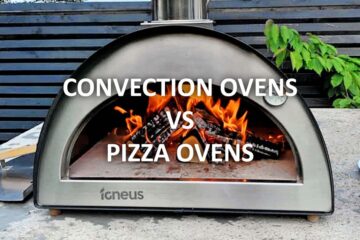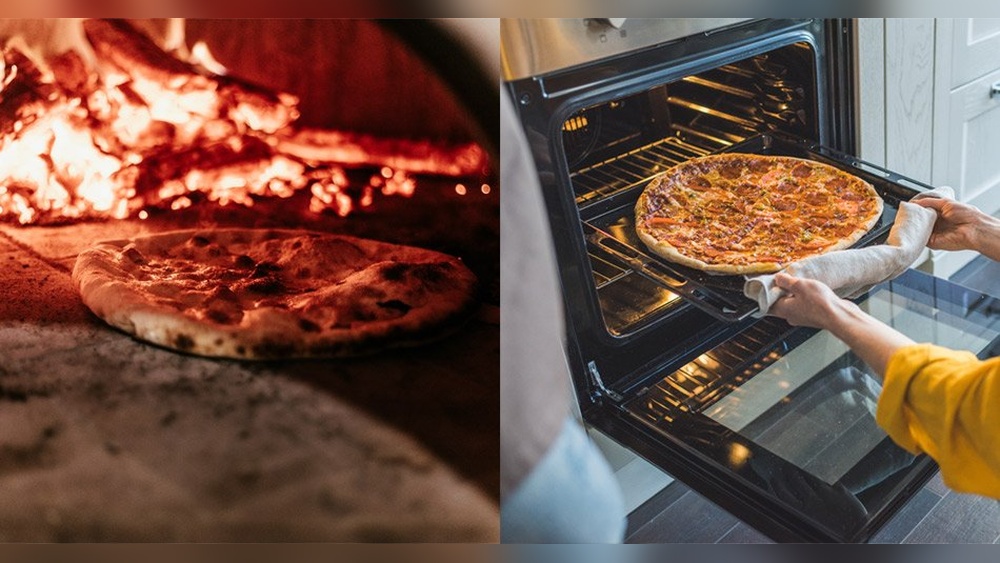
When it comes to making pizza at home, you might wonder: should you use a stone oven or stick with a conventional oven? If you’re craving that perfect crust—crispy on the outside, soft and chewy inside—this choice matters more than you think.
You want your pizza to bake evenly, with that beautiful golden bottom and just the right amount of char. But which method will deliver those results? You’ll discover the real differences between stone ovens and conventional ovens, the pros and cons of each, and how your choice can transform your pizza nights.
By the end, you’ll know exactly which oven suits your style, budget, and pizza goals. Ready to unlock the secret to better homemade pizza? Keep reading.
Stone Oven Benefits
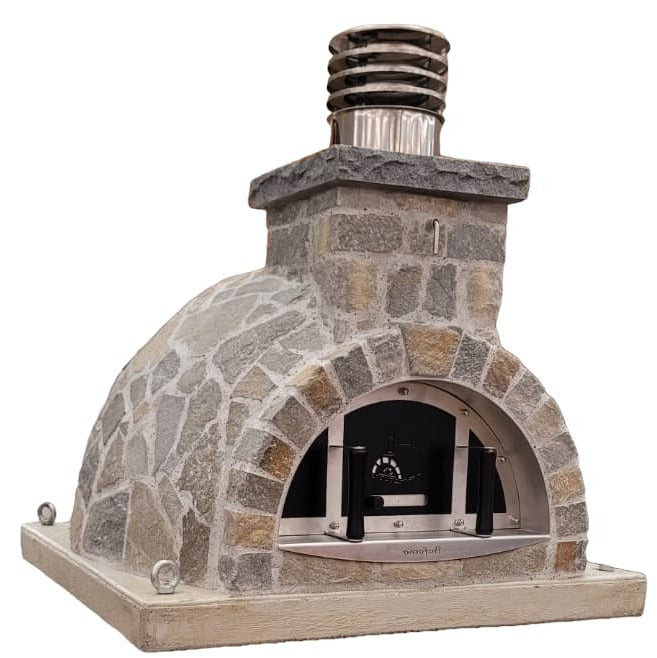
Stone ovens offer unique benefits that improve homemade pizza quality. They provide a cooking surface that holds heat well and cooks pizza evenly. This creates a delicious crust with great texture. Stone ovens are easy to use and fit many kitchen setups.
Many pizza lovers choose stone ovens for their balance of performance and affordability. The stones absorb moisture from the dough, which helps create a soft and chewy crust. They also mimic the effects of traditional brick ovens, enhancing the pizza’s flavor and texture.
Affordable And Versatile
Stone ovens cost less than dedicated pizza ovens. They fit inside regular home ovens or grills. This versatility lets you bake pizza indoors or outdoors. Stones also work for baking bread, cookies, and other foods. This makes them a smart choice for many cooks.
Mimics Brick Oven Effects
Stone ovens absorb and hold heat like brick ovens. This steady heat helps cook pizza evenly from the bottom. The stone draws moisture from the dough, creating a crispy crust outside and soft inside. It gives your pizza a taste close to authentic brick oven pizza.
Ideal For Soft And Chewy Crusts
Stone ovens help create soft, chewy pizza crusts. The stone’s heat dries the dough’s surface slowly. This keeps the inside moist and tender. You get a perfect balance between a crispy base and a chewy bite. This texture is hard to achieve with conventional ovens.
Credit: proforno.com
Stone Oven Drawbacks
Stone ovens bring unique charm and flavor to homemade pizza. Still, they carry some drawbacks worth knowing. These issues affect cooking speed and crust quality. Understanding these limits helps choose the best method for your pizza needs.
Slower Heating And Recovery
Stone ovens take longer to heat up than conventional ovens. The thick stone absorbs heat slowly, delaying cooking start. After opening the oven door, temperature drops more and takes time to bounce back. This slows the cooking process and can be frustrating for quick meals.
Less Heat Transfer
Stone surfaces do not transfer heat as efficiently as metal ovens. The heat moves slowly through the stone to the pizza base. This reduces the intensity of direct heat under the pizza. The result is a gentler bake that may miss the high heat sear of a conventional oven.
Paler, Less Crispy Bottoms
Stone ovens often produce pizza with lighter, less crispy bottoms. The slow heat transfer and lower surface temperatures cause this. The crust may feel softer and less crunchy than in a conventional oven. For those who prefer a golden, crisp base, this can be a downside.
Conventional Oven Advantages
Conventional ovens offer many benefits for baking pizza at home. They are widely available and easy to use. Their design supports even cooking for various recipes beyond pizza. Understanding their advantages helps choose the right oven for your needs.
High Heat And Speed
Conventional ovens can reach high temperatures quickly. This heat cooks pizza fast, locking in flavors. A hot oven helps create a crispy crust with melted cheese. Faster cooking means less waiting time for a fresh pizza.
Consistent Cooking Power
These ovens maintain steady heat throughout cooking. They evenly bake the pizza without cold spots. Consistency ensures the crust and toppings cook perfectly each time. This reliability suits daily cooking and busy kitchens.
Suitable For Various Pizza Styles
Conventional ovens handle many pizza types well. From thin crust to deep dish, they adapt easily. This versatility makes them practical for different tastes. You can experiment with many recipes in one oven.

Credit: www.youtube.com
Conventional Oven Limitations
Conventional ovens are common in many kitchens but come with some limits for pizza baking. They don’t match the high heat and unique cooking style of stone ovens. These limits affect the flavor and texture of your pizza. Understanding these can help set the right expectations and improve your pizza results.
Lacks Authentic Char
Conventional ovens usually cannot reach the extreme heat needed for true char. The char is the dark, crisp spots on the crust that add smoky flavor. Without it, the pizza can taste less rich and less like traditional wood-fired pizzas. The crust may bake evenly but misses that special texture and look.
Less Intense Heat Source
Most conventional ovens heat up to around 500°F (260°C), but stone ovens can get much hotter. This lower heat means the pizza cooks slower and less evenly. The crust may dry out or become tough instead of light and airy. The toppings also don’t caramelize as well, which reduces flavor depth.
May Require Accessories
To improve pizza quality, conventional ovens often need extra tools. A pizza stone or steel can help mimic the hot surface of a stone oven. These accessories absorb heat and create a crispier crust. Without them, pizzas baked on regular pans may come out soggy or undercooked on the bottom.
Crust Characteristics
The crust is the heart of any pizza. It defines the texture and taste. Crust characteristics differ greatly between stone ovens and conventional ovens. Each method creates a unique crust experience. Understanding these differences helps choose the right oven for your pizza style.
Stone Oven: Crispier But Less Blistered
Stone ovens heat from the bottom with intense, even heat. This creates a crust that is crisp and firm. The heat draws moisture out quickly, making the base crunchy. The crust often lacks the deep, dark blisters found on some pizzas. The result is a clean, crisp bite that holds toppings well. Stone ovens produce a crust that is crunchy without being burnt.
Conventional Oven: Airy And Charred
Conventional ovens cook pizza with hot air circulating around it. This method often creates a lighter, airier crust. The top heat causes charring and blistering on the dough’s surface. This adds smoky flavor and a rustic look. The crust feels soft inside with a slight chewiness. It can have dark spots that add character to every slice.
Role Of Pizza Steel As An Alternative
Pizza steel offers a powerful heat source for home ovens. It heats up faster than stone and transfers heat better. This creates a crust that is both crispy and blistered. The steel’s high thermal conductivity mimics the effects of a stone oven. It delivers quick heat to the dough bottom, improving texture. Pizza steel is a smart choice for those wanting a crispier crust at home.
Key Settings For Home Ovens
Getting the best pizza from a home oven depends a lot on the oven settings. Small changes can improve crust texture and topping cook time. Understanding rack placement, oven modes, and cookware helps mimic stone oven effects at home. The right setup makes a big difference for crispy, evenly cooked pizza.
Rack Positioning Tips
Place the oven rack in the lower third for a crisp bottom crust. This spot gets the most heat from the oven floor. Avoid the middle or top racks, which cook toppings faster but may leave the crust soft. Adjust rack height based on your oven’s heat distribution.
Bake Vs Convection Bake Modes
Use the standard bake mode for even heat and slow cooking. Convection bake circulates hot air, speeding cooking and browning. Convection can dry toppings if not watched closely. For pizza, bake mode often produces a better balance of crispy crust and melted toppings.
Using Stones Or Steels For Crispiness
Preheat a pizza stone or steel for at least 30 minutes before baking. Stones absorb moisture for a softer crust, while steels transfer heat quickly for extra crispiness. Both improve heat at the pizza base compared to a bare oven rack. Steel is better for a crunchier crust.
Avoiding Pans For Better Crust
Skip metal pans to prevent steaming the pizza bottom. Pans block direct heat and trap moisture, making crust soggy. Place pizza directly on a stone, steel, or oven rack for a dry, crisp base. Use a peel to transfer pizza safely without pans.
Pizza Styles And Oven Modes
Different pizza styles need different oven settings. The choice between a stone oven and a conventional oven affects the cooking process. Each pizza type has unique requirements for heat and time. Understanding these helps you bake pizza with the perfect crust and topping balance.
New York-style Pizza Techniques
New York-style pizza has a thin, foldable crust. It cooks best in a conventional oven at moderate heat. Use a pizza stone to create a crispy bottom without burning. Preheat the stone for 30 minutes at 475°F (245°C). Bake the pizza for 10 to 12 minutes. This method keeps the crust chewy and the toppings well-cooked.
Broil Setting For Neapolitan Pizza
Neapolitan pizza needs very high heat and quick cooking. The broil setting in a conventional oven mimics the intense heat of a stone oven. Place the pizza close to the broiler element. Broil for 2 to 3 minutes, watching carefully to avoid burning. This technique creates a charred, bubbly crust with soft toppings. It works best with fresh mozzarella and simple tomato sauce.
Best Oven Modes For Different Pizzas
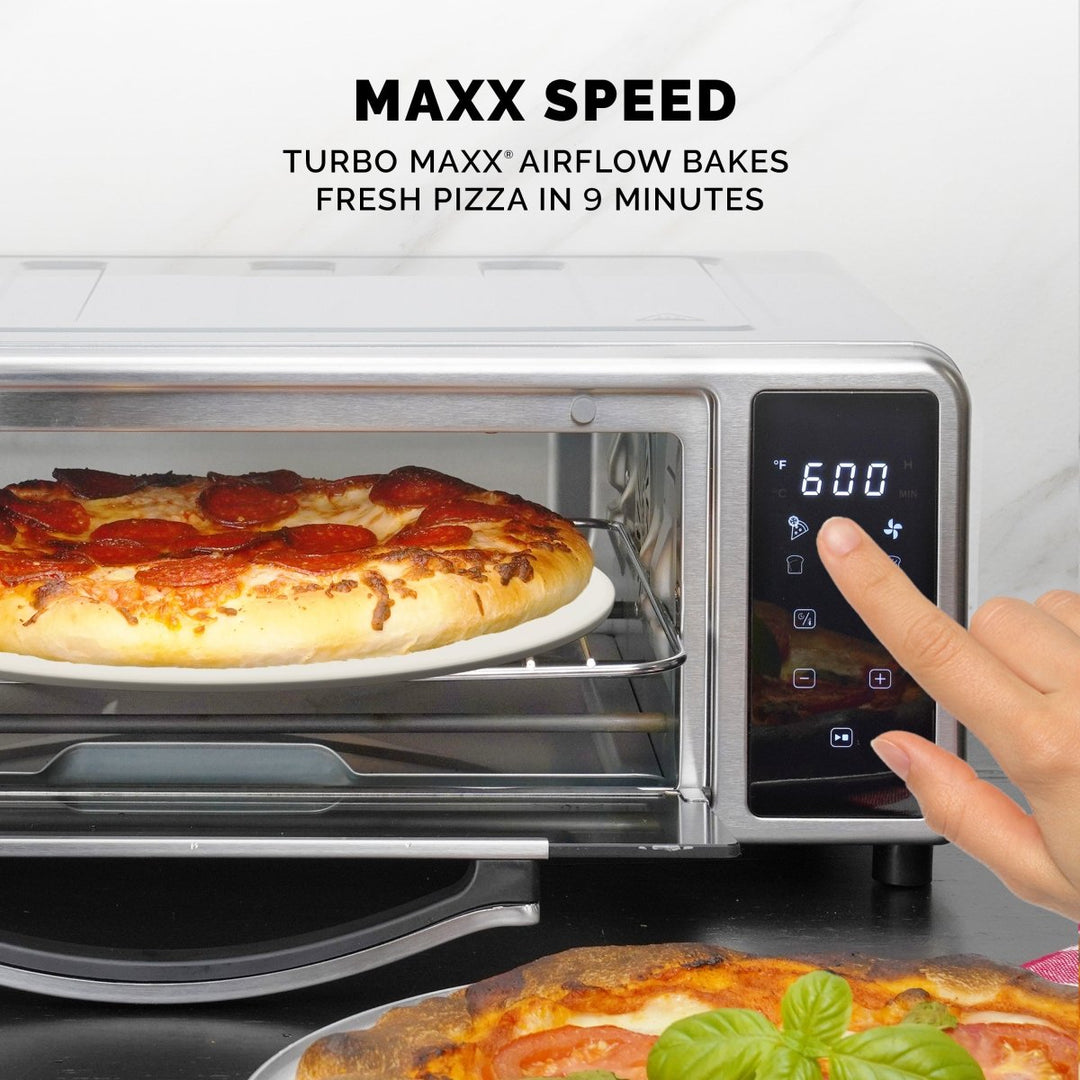
Stone ovens produce intense, even heat for fast cooking. They suit Neapolitan and similar styles needing high temperatures. Conventional ovens with a pizza stone or steel offer versatility. Use bake mode for thicker pizzas like deep-dish or Sicilian. For thin crusts, combine bake with broil to crisp the top and bottom. Convection mode helps cook pizzas evenly by circulating hot air. Choose the oven mode based on the pizza style and crust thickness.
Credit: www.kalorik.com
Choosing The Right Setup
Choosing the right setup for making pizza depends on many factors. Your budget, space, and pizza goals play big roles. This guide helps you decide between a stone oven and a conventional oven. Each option offers unique benefits and challenges.
Understanding your needs makes the choice clearer and more satisfying. Let’s explore key points to consider before buying or building your pizza setup.
Budget And Frequency Considerations
Stone ovens often cost more upfront. They need fuel like wood or gas. Conventional ovens are usually cheaper and use electricity or gas. Think about how often you bake pizza. Frequent pizza makers may find stone ovens worth the cost. Occasional bakers might prefer the lower cost of conventional ovens.
Space And Installation Needs
Stone ovens require more outdoor space. They need a solid base and ventilation. Installation can take time and effort. Conventional ovens fit inside kitchens easily. They need less space and no special setup. Check your available space before choosing your pizza oven type.
Matching Equipment To Pizza Goals
Stone ovens reach very high temperatures fast. They give pizzas a crispy crust and smoky flavor. Perfect for traditional, artisanal styles. Conventional ovens cook slower and at lower heat. They work well for soft crusts and everyday pizzas. Match your oven choice to the pizza style you want to make.
Frequently Asked Questions
Is A Pizza Stone As Good As A Pizza Oven?
A pizza stone improves home oven crust by absorbing moisture and providing even heat. A pizza oven delivers higher, faster heat for authentic, charred crusts. Stones suit casual cooks; ovens benefit serious enthusiasts wanting fast, artisanal results.
Which Oven Mode Is Best For Pizza?
Use the Bake or Convection Bake mode for even heat distribution. Place pizza on a preheated stone or steel on the lower rack for a crispy crust. Avoid pans to ensure the best bottom heat and texture.
Is It Better To Cook Pizza On A Stone Or Pan?
Cooking pizza on a stone yields a crispier crust by absorbing moisture, while a pan cooks faster but less evenly. Stones suit softer, chewier crusts; pans offer convenience. For best results, use a stone or steel in home ovens; dedicated pizza ovens outperform both for authentic, fast baking.
Do Pizza Stones Make Crust Crispy?
Pizza stones absorb moisture and distribute heat evenly, helping create a crispier pizza crust than baking on a regular pan.
Conclusion
Choosing between a stone oven and a conventional oven depends on your needs. Stone ovens heat slower but create a softer, chewier crust. Conventional ovens cook faster and give pizzas a light char and airy texture. For home cooks, stones or steels improve crust quality without extra cost.
Serious pizza lovers may prefer a dedicated stone oven for authentic results. Both methods can make delicious pizza with the right technique. Try each to find what suits your taste and kitchen best.

As the author of the “Ultimate Pizza Guide: Recipes, Tips & Secrets Revealed,” I’m dedicated to sharing my love for pizza and empowering others to create delicious homemade pizzas with ease. Join me on a journey to uncover the secrets to perfecting your pizza game!