“Does Pizza Pan Affect Crust Nutrition”
When it comes to making the perfect pizza at home, you might wonder if the type of pan you use changes more than just the taste and texture. Specifically, does your choice of pizza pan affect the nutrition of the crust?
You’re probably thinking about calories, carbs, and maybe even how thick or crispy the crust turns out. The truth is, the pan you bake your pizza on plays a bigger role than you realize—not only in how your crust feels but also in what ends up on your plate nutritionally.
Keep reading, and you’ll discover how different pizza pans influence the crust’s nutrition, so you can make smarter, tastier choices every time you bake.
Pizza Pan Types
Choosing the right pizza pan affects how your crust cooks and tastes. Each type changes heat distribution and moisture control. This impacts texture and, indirectly, the nutrition you get from the crust. Understanding the common pizza pan types helps you pick the best option for your needs.
Here are the main pizza pan types you should know about.
Standard Pans
Standard pans are usually solid metal trays. They hold the dough well and cook evenly. These pans trap moisture, which can make the crust softer. A softer crust may absorb more oil or toppings’ grease. This can slightly increase the calorie count. Standard pans work well for thicker crusts and deep-dish pizzas.
Perforated Pans
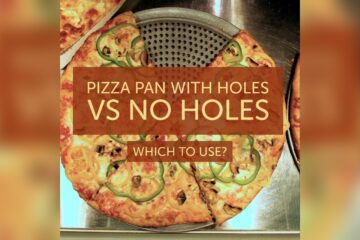
Perforated pans have small holes in the base. These holes allow steam to escape during baking. This helps create a crispier crust by reducing sogginess. A crisp crust tends to have less oil absorption. This may result in a slightly lighter crust nutritionally. Perforated pans are great for thin crust pizzas and frozen varieties.
Pizza Stones And Steels
Pizza stones and steels are thick, heavy, and heat evenly. They absorb moisture from the dough, making the crust crispier. This reduces the chance of a soggy base and excess oil. Stones and steels mimic professional pizza ovens well. Using them can help you bake a crust with better texture and possibly better nutrient balance.
Crust Texture Differences
The texture of a pizza crust changes depending on the type of pan used. The pan affects how heat and moisture move during baking. This changes how crispy or soft the crust turns out. Understanding these texture differences helps you choose the best pan for your pizza style.
Crispy Vs Soft Crust
Using a metal pan often results in a softer crust. The pan holds moisture close to the dough, keeping it tender. Thin pans or pizza stones give a crispier crust by exposing dough to direct heat. A crispy crust is crunchier and less chewy. Soft crusts feel doughy and moist.
Effect Of Air Circulation
Air circulation impacts how the crust bakes. A pan with holes or a pizza screen allows air to flow under the dough. This helps moisture escape and creates a crunchier base. Solid pans block air, trapping steam and making the crust softer. Oven racks allow the most air flow but can be messy.
Moisture Management
Moisture plays a key role in crust texture. Pans trap moisture, keeping the crust soft and chewy. Perforated pans release steam, preventing sogginess. Too much moisture results in a doughy crust that lacks structure. Managing moisture well gives a balanced crust—neither too hard nor too soggy.
Calorie Impact On Crust
The type of pizza pan can influence the calorie content in the crust. This effect comes mainly from the crust’s thickness and the amount of oil used during baking. Understanding how these factors change calories helps in making healthier pizza choices.
Thicker Pan Crusts
Pizza pans often produce thicker crusts compared to thin crusts. A thicker crust contains more dough, which means more calories. This extra dough adds carbohydrates and energy to each slice. The pan holds the dough’s shape, allowing it to rise and bake evenly. This results in a soft, doughy crust that is usually higher in calories than thin crust options.
Oil And Fat Content
Many pizza pans require oil to prevent sticking. This oil seeps into the crust and increases fat content. More oil means more calories from fat. Pan pizzas often have buttery or oily crusts, raising their calorie count. This added fat makes the crust richer but also heavier in calories. The oil also helps create a crispy edge but contributes extra energy.
Comparison To Thin Crust
Thin crust pizzas typically have fewer calories than pan crusts. They use less dough and less oil. Thin crust cooks quickly and becomes crispy, reducing the need for extra fat. This makes thin crust a lighter choice for calorie-conscious eaters. Pan crusts are thicker and richer, leading to a higher calorie intake per slice.

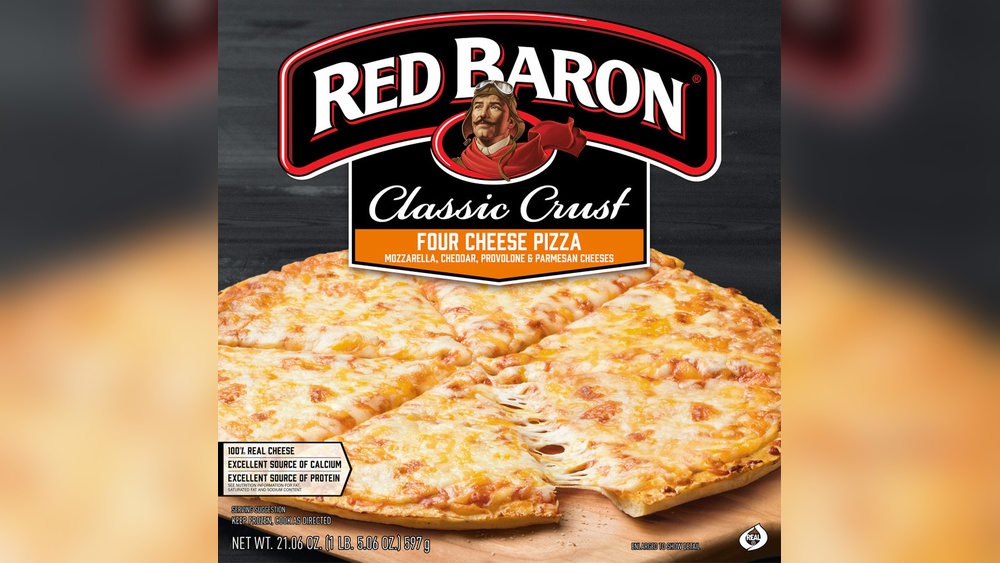
Credit: www.redbaron.com
Cooking Methods And Nutrition
Cooking methods influence the nutrition of your pizza crust. The way you bake affects texture, moisture, and calorie absorption. Different tools change how heat reaches the dough. These changes can impact the nutritional value slightly. Understanding these effects helps make better choices for healthier pizza.
Oven Rack Benefits
Cooking pizza directly on the oven rack allows air to circulate fully. This method creates a crisp crust by drying out moisture. The crust tends to be lighter and less oily. A crispier crust means less fat absorption from toppings. This method suits thin or homemade pizzas best. It also helps reduce sogginess, which can add unwanted calories.
Pan Cooking Advantages
Using a pizza pan holds the dough and toppings in place. The pan collects drips, making cooking cleaner and easier. It helps keep moisture in the dough, creating a softer crust. Soft crusts may hold more oil and calories from toppings. Thick or stuffed crust pizzas often use pans. Perforated pans allow some moisture to escape, balancing crispiness and softness.
Reheating Effects
Reheating pizza changes its texture and nutrition too. Using an oven or pan helps keep the crust crisp. Microwaving often makes the crust chewy or soggy. A soggy crust can feel heavier and less fresh. Reheating on a rack or pan can reduce extra oil buildup. This keeps the pizza closer to its original nutritional state.
Toppings And Nutritional Changes
Toppings change the nutrition of pizza crust and overall slice. Different toppings add calories, fats, and nutrients. Choosing toppings wisely affects health and flavor. Here are how common toppings impact nutrition.
Meats And Extra Cheese
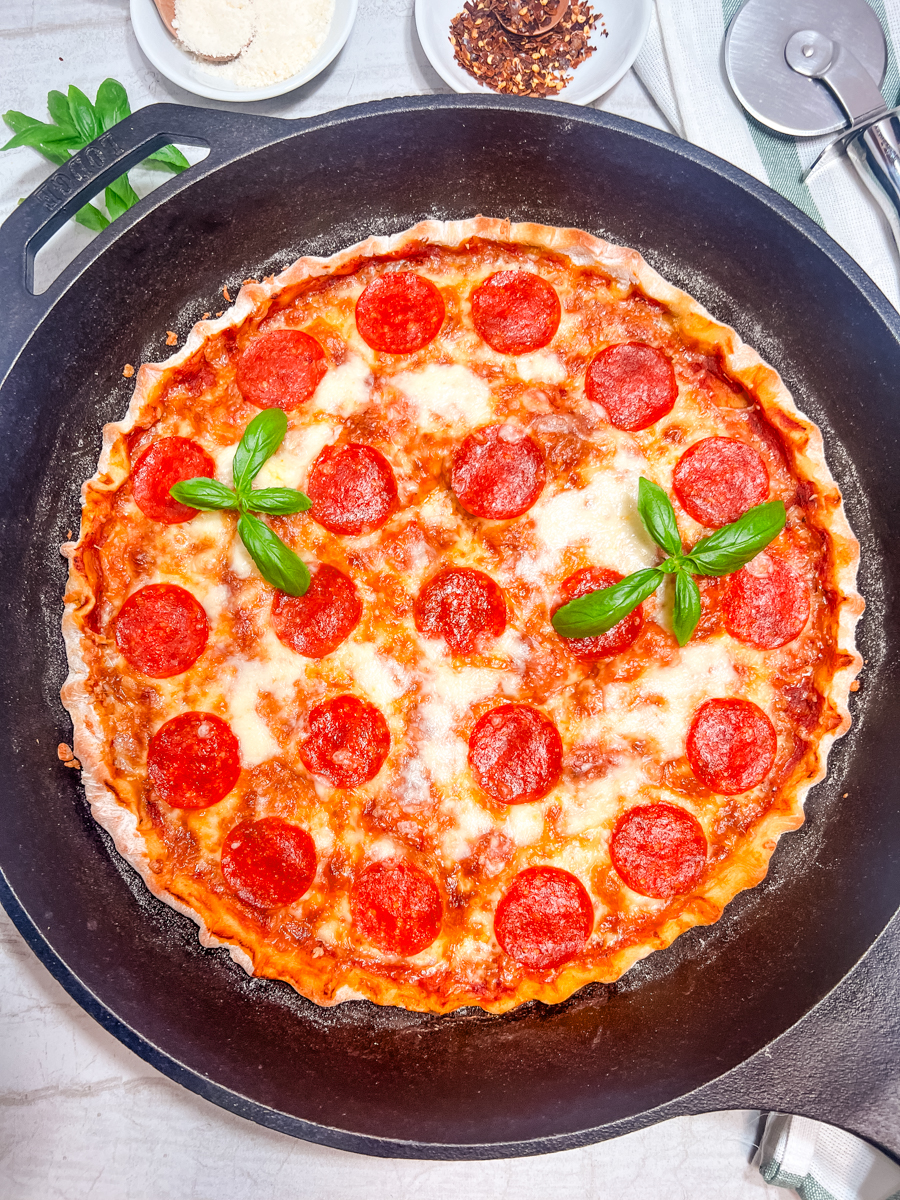
Meat toppings add protein but often increase fat and calories. Pepperoni, sausage, and bacon are high in saturated fats. Extra cheese boosts calcium but adds more fat and calories. These toppings make pizza richer but heavier nutritionally.
Vegetables And Fiber
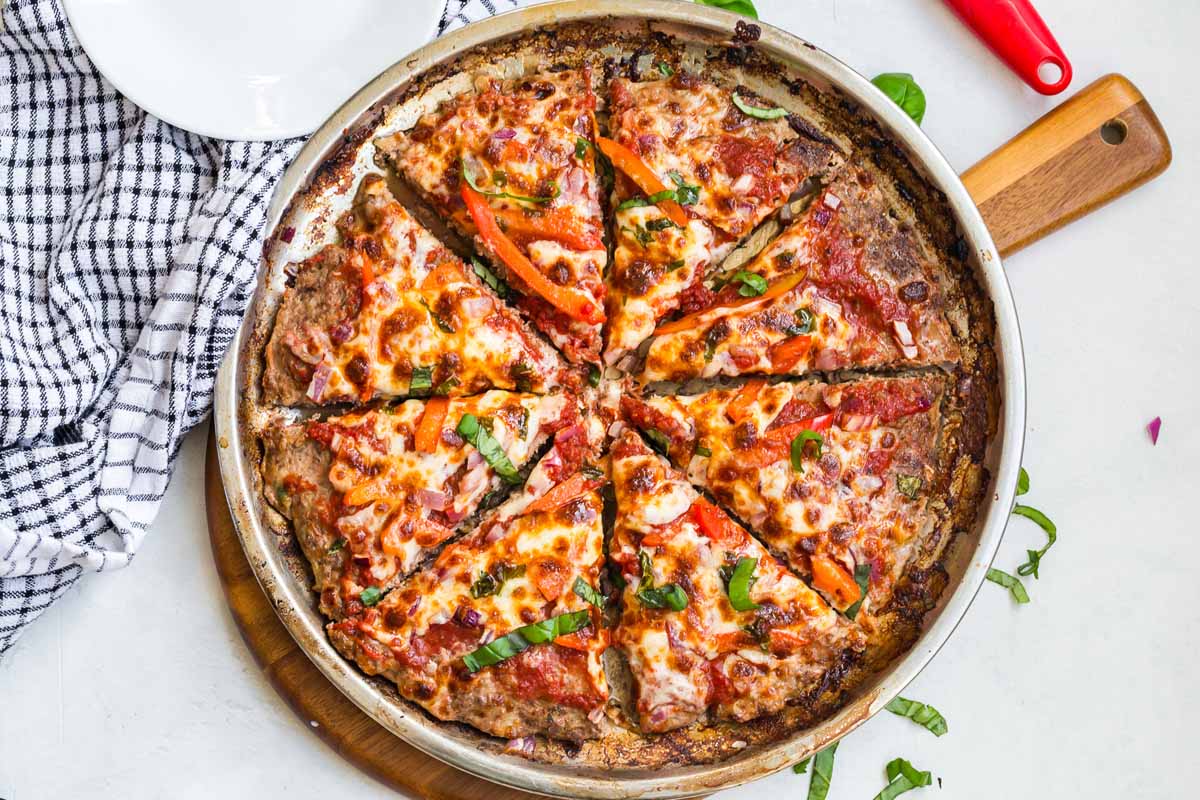
Vegetables add vitamins and fiber with fewer calories. Options like bell peppers, onions, and spinach improve digestion. Fiber helps the body feel full longer. Vegetables keep pizza lighter and more nutritious overall.
Calorie Boosting Toppings
Some toppings add extra calories without much nutrition. Ingredients like creamy sauces or fried toppings increase fat. Nuts and olives add healthy fats but also calories. Choose these toppings carefully to avoid calorie overload.
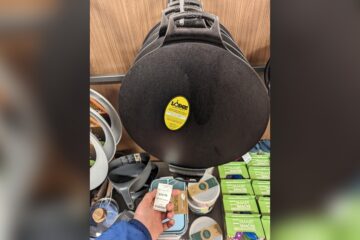
Credit: www.dutchovendaddy.com
Healthier Pan Pizza Tips
Eating pan pizza does not mean you must sacrifice health. Small changes in how you prepare it make a big difference. Pan pizza crust tends to be thicker and softer. This can add calories but also offers a great base for healthy toppings. Focus on cooking methods and ingredients to enjoy a better, balanced meal.
Choosing The Right Pan
Pick a pan that promotes even cooking and less oil use. Non-stick pans help reduce the need for extra fat. Perforated pizza pans allow moisture to escape. This keeps the crust crisp without soaking in grease. Avoid heavy pans that trap moisture and make the crust soggy.
Cooking For Less Fat
Use minimal oil when preparing the pan or dough. Brush the surface lightly instead of pouring oil. Baking the pizza on a rack or perforated pan helps fat drip away. Avoid deep-dish styles that soak up butter or oil. Cook at a high temperature for a shorter time to reduce grease absorption.
Balancing Toppings
Choose vegetables and lean proteins to lower calories. Avoid large amounts of processed meats and extra cheese. Add fresh herbs and spices for flavor without fat. Spread toppings evenly to prevent heavy spots that add fat. Use moderate cheese portions or try part-skim varieties.
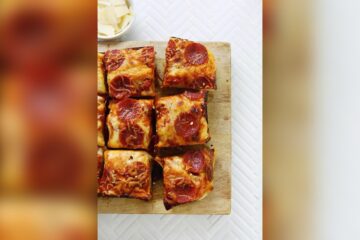
Credit: mycrazygoodlife.com
Frequently Asked Questions
Does Pan Pizza Have More Calories?
Pan pizza usually has more calories due to its thicker, doughier crust that absorbs more oil and toppings.
Is It Better To Bake Pizza On A Pan Or Rack?
Baking pizza on a rack creates a crispier crust with better air circulation. Using a pan reduces mess and holds toppings but may cause sogginess. Perforated pans offer a balance by allowing steam to escape while containing drips. Choose based on crust type and cooking preference.
Is Hand-tossed Or Pan Pizza Healthier?
Hand-tossed pizza usually has a thinner crust, making it lower in calories than pan pizza. Pan pizza’s thicker crust adds more calories and fat. Choose toppings wisely; vegetables boost nutrition, while extra cheese and meats increase calories. Overall, hand-tossed is generally healthier.
Is Thin Crust Pizza Healthier Than Pan Pizza?
Thin crust pizza usually has fewer calories and less fat than pan pizza due to its thinner dough. Pan pizza contains more calories because of its thicker, oilier crust. Choosing thin crust can support lower calorie intake and lighter meals.
Conclusion
Choosing a pizza pan can slightly change your crust’s texture and moisture. Thicker pans may hold more oil or butter, adding calories. Thin pans or racks often create crispier, lighter crusts with fewer calories. The nutrition mostly depends on toppings and dough ingredients, not just the pan.
Use pans with holes to reduce sogginess and keep crust tasty. Experiment with different pans to find your favorite style and nutrition balance. Enjoy your pizza with confidence, knowing pan choice plays a small but real role in crust nutrition.
As the author of the “Ultimate Pizza Guide: Recipes, Tips & Secrets Revealed,” I’m dedicated to sharing my love for pizza and empowering others to create delicious homemade pizzas with ease. Join me on a journey to uncover the secrets to perfecting your pizza game!