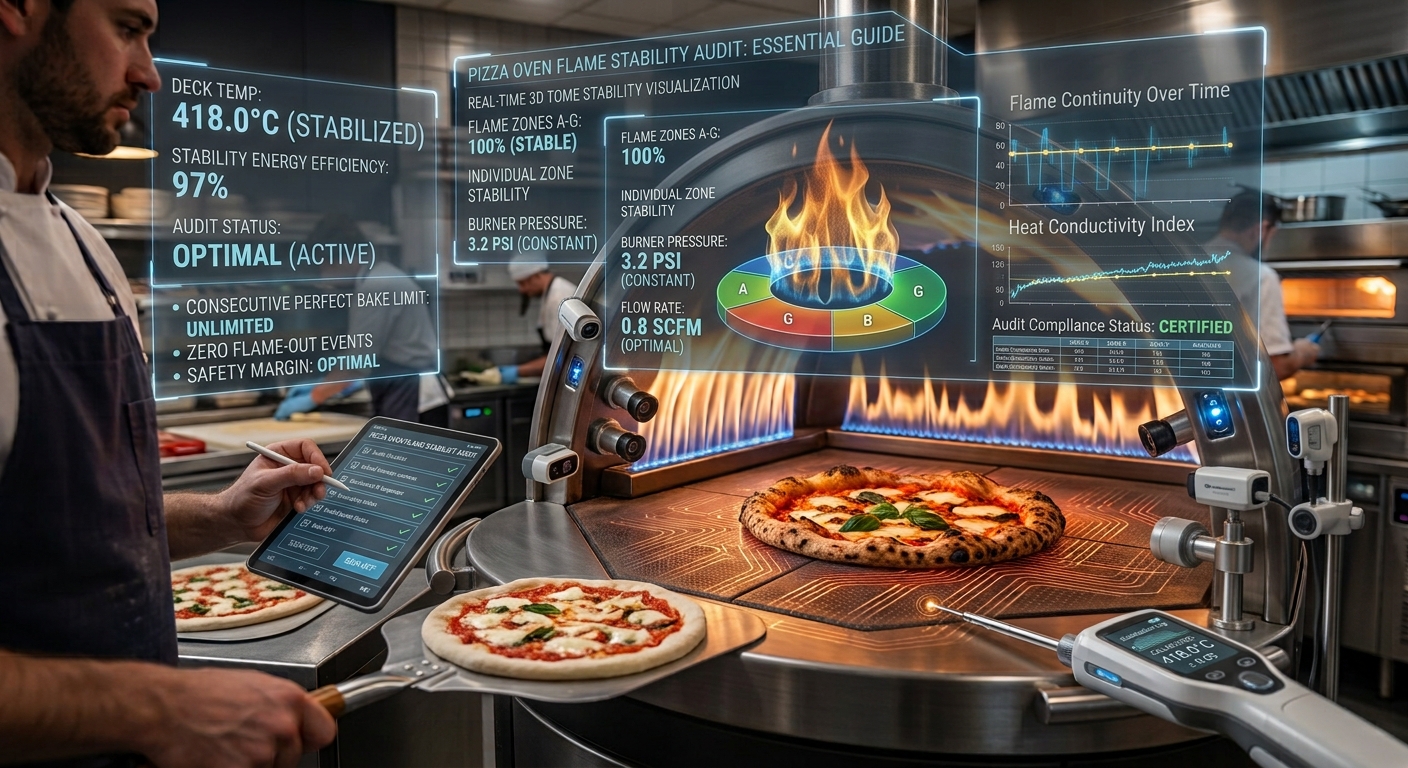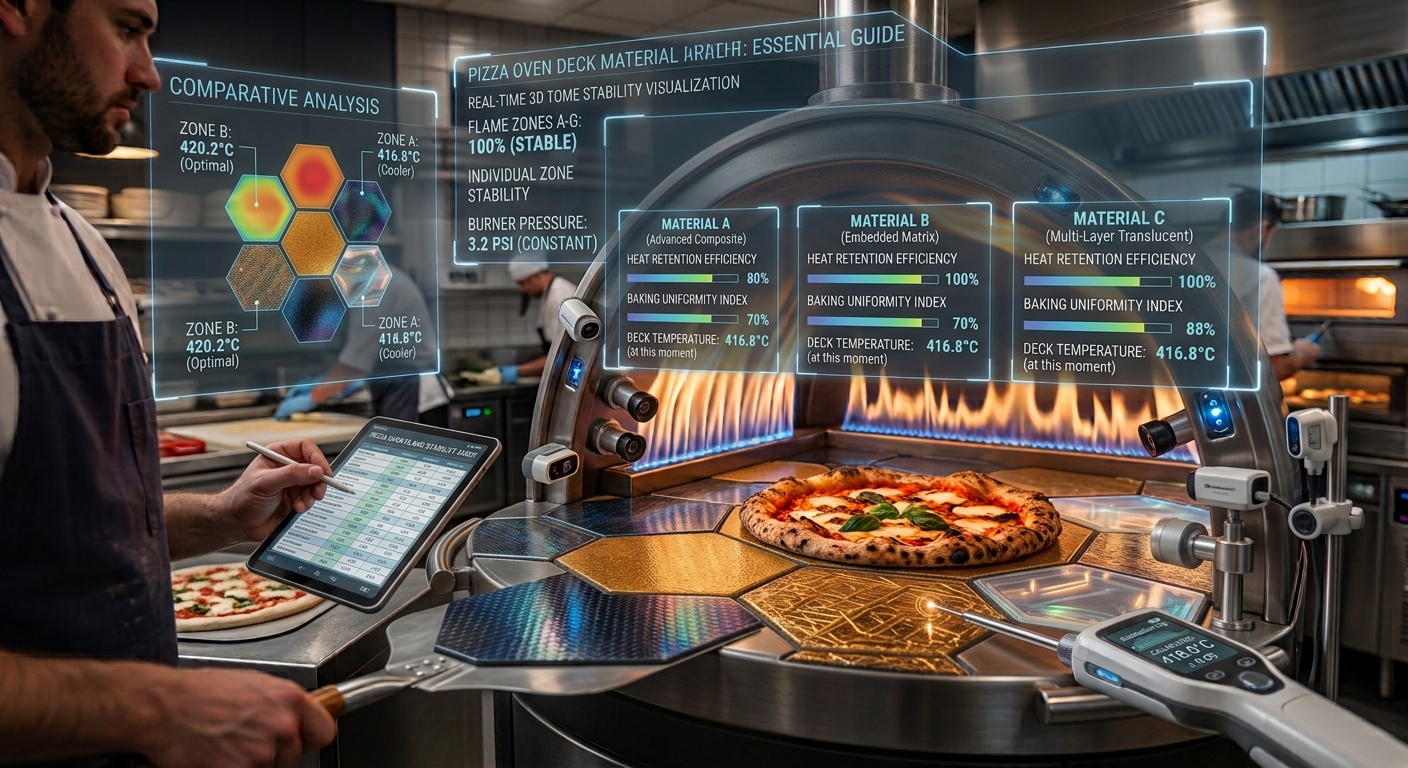
The quest for the perfect pizza, blistered crust, and smoky aroma often leads home cooks and restaurateurs alike to the iconic pizza oven. But beyond the heat source and insulation, lies a crucial element that directly impacts your pizza’s texture and flavor: the deck material. This is the surface your pizza bakes on, and its properties are paramount. Choosing the right deck material can mean the difference between a soggy, undercooked base and a perfectly crisp, Neapolitan-style masterpiece. Understanding the nuances of different materials, from traditional fire bricks to modern cordierite, is essential for achieving authentic results and ensuring your oven performs at its best.
This comprehensive guide will explore the most popular pizza oven deck materials, examining their unique characteristics, advantages, disadvantages, and suitability for various cooking styles. We’ll delve into heat retention, thermal shock resistance, durability, and ease of use, providing you with the knowledge to make an informed decision for your outdoor kitchen or commercial establishment.
Key Takeaways
- Fire Brick: Offers excellent heat retention and durability but can be prone to thermal shock and requires a longer preheat time. Ideal for consistent, high-heat cooking.
- Cordierite: Lightweight, highly resistant to thermal shock, and heats up relatively quickly. A popular choice for both home and commercial ovens due to its balanced performance.
- Ceramic (Stoneware): Affordable and readily available, ceramic offers decent heat retention but is less durable and more susceptible to cracking than other options.
- Cast Iron: Heats up very quickly and provides excellent searing capabilities, but can be heavy and prone to rust if not properly maintained. Best for quick cooking and achieving a crispy crust.
- Refractory Cement/Concrete: Versatile and customizable, but requires careful mixing and curing. Offers good heat retention and durability when formulated correctly.
- Consider your oven type: Wood-fired, gas, or electric ovens may benefit from different deck materials based on their heating characteristics.
- Preheating is critical: Regardless of the material, adequate preheating is essential for optimal pizza cooking.
Understanding Pizza Oven Deck Fundamentals
The pizza oven deck is the foundation upon which your pizza is cooked. It’s not just a passive surface; it actively participates in the cooking process by absorbing, storing, and radiating heat back into the pizza base. The material’s ability to manage heat is arguably its most critical function.
Heat Retention And Thermal Mass
Heat retention refers to a material’s capacity to absorb and hold heat over time. Materials with high thermal mass, like dense fire bricks, can store a significant amount of heat. This stored heat is then slowly released, cooking the pizza dough from below. This is crucial for achieving that desirable crispiness and preventing a pale, doughy crust, especially in high-temperature ovens. A deck that retains heat well will maintain a consistent cooking temperature, even when you open the oven door to place or retrieve a pizza.
Thermal Shock Resistance
Thermal shock resistance is a material’s ability to withstand rapid and extreme temperature fluctuations without cracking or degrading. Pizza ovens, particularly wood-fired ones, experience significant temperature swings. The deck is directly exposed to the intense heat of the fire and then rapidly cooled when a pizza is introduced. Materials with poor thermal shock resistance can develop hairline cracks over time, compromising their integrity and performance.
Durability And Longevity
The durability of a deck material is essential for both home enthusiasts and commercial operators. A deck that is prone to cracking, chipping, or eroding will require frequent replacement, adding to the long-term cost and hassle. Factors like density, composition, and resistance to abrasion play a role in how long a deck material will last under repeated use and exposure to high temperatures.
Heat Transfer Rate
The heat transfer rate dictates how quickly heat moves from the deck into the pizza dough. Some materials transfer heat more efficiently than others. For instance, cast iron heats up rapidly and transfers heat quickly, ideal for a fast sear. Denser materials like fire brick might absorb heat more slowly but release it more consistently. The desired cooking style, quick, high-heat Neapolitan versus slower, more even cooking, will influence the ideal heat transfer rate.
Exploring Popular Pizza Oven Deck Materials
The market offers a variety of materials, each with its own set of pros and cons. Understanding these differences is key to selecting the best fit for your specific needs and oven type.
Fire Brick: The Traditional Workhorse
Fire bricks, also known as refractory bricks, are a cornerstone of traditional pizza oven construction. Made from a blend of clay and other refractory materials, they are designed to withstand extreme temperatures.
Advantages Of Fire Brick
- Exceptional Heat Retention: Fire bricks boast high thermal mass, meaning they absorb and store a vast amount of heat. This is critical for replicating the intense, consistent heat of wood-fired ovens, allowing for rapid cooking and a perfectly blistered crust.
- Durability: When properly installed and maintained, fire bricks are incredibly durable and can last for many years, even under harsh conditions. They are resistant to abrasion and chipping from pizza peels.
- Authenticity: For many, the use of fire brick is synonymous with authentic, traditional pizza making, particularly for Neapolitan-style pizzas cooked at very high temperatures (800-900°F or 425-480°C).
- Cost-Effectiveness (Long Term): While the initial investment in high-quality fire bricks can be significant, their longevity often makes them a cost-effective choice over the lifespan of the oven.
Disadvantages Of Fire Brick
- Long Preheat Times: Due to their high thermal mass, fire bricks require a considerable amount of time to reach optimal cooking temperatures. This can range from 1.5 to 3 hours, depending on the oven size and insulation.
- Susceptibility to Thermal Shock: While durable, fire bricks can be susceptible to cracking if subjected to rapid temperature changes. Pouring cold liquid onto a hot fire brick deck or placing a very cold pizza directly onto a scorching hot surface can cause damage.
- Weight: Fire bricks are heavy, which can make installation more challenging and add significant weight to the oven structure.
- Porosity: Some types of fire brick can be porous, potentially absorbing moisture and grease, which can affect performance and sanitation over time if not properly sealed or cleaned.
Best Use Cases For Fire Brick
Fire brick decks are ideal for wood-fired ovens where achieving and maintaining extremely high temperatures is paramount. They excel at producing the rapid, high-heat cooking required for authentic Neapolitan pizzas. They are also a robust choice for commercial settings where ovens are in constant use and durability is a must.
Cordierite: The Modern All-rounder
Cordierite is a synthetic ceramic material that has gained immense popularity in pizza oven decks, particularly for home use and in many commercial gas ovens. It’s known for its excellent thermal properties and resistance to thermal shock.
Advantages Of Cordierite
- Excellent Thermal Shock Resistance: This is cordierite’s standout feature. It can withstand rapid temperature changes much better than traditional fire brick, making it more forgiving for home cooks who might open the oven door frequently or place a pizza onto a slightly cooler deck.
- Good Heat Retention: While not quite matching the thermal mass of dense fire brick, cordierite still offers very good heat retention, providing a stable cooking surface.
- Faster Preheat Times: Cordierite heats up more quickly than fire brick, typically requiring 30-60 minutes to reach optimal temperature, making it more convenient for spontaneous pizza nights.
- Lighter Weight: Compared to fire brick, cordierite is significantly lighter, simplifying installation and reducing the structural load on the oven.
- Smooth Surface: Cordierite typically offers a smoother surface than some fire bricks, which can make it easier to slide pizzas on and off.
Disadvantages Of Cordierite
- Potential for Staining: Cordierite can be porous and may stain over time from grease and flour, although this doesn’t usually affect cooking performance.
- Can Chip: While resistant to cracking from thermal shock, cordierite can be more brittle than fire brick and may chip if impacted.
- Cost: High-quality cordierite tiles can be more expensive than standard fire bricks, although prices have become more competitive.
- Synthetic Nature: For purists seeking a completely natural cooking surface, cordierite’s synthetic origin might be a drawback.
Best Use Cases For Cordierite
Cordierite is an excellent choice for home pizza ovens, including gas, electric, and even some wood-fired models. Its balance of heat retention, rapid heating, and thermal shock resistance makes it versatile. It’s also increasingly found in commercial pizza ovens where efficiency and reliability are key.
Ceramic (stoneware): The Budget-friendly Option
Ceramic tiles, often referred to as stoneware or quarry tiles, are a more budget-friendly alternative for pizza oven decks. They are readily available at most home improvement stores.
Advantages Of Ceramic
- Affordability: Ceramic tiles are typically the least expensive option for a pizza oven deck, making them an attractive choice for DIY projects on a tight budget.
- Readily Available: You can find ceramic tiles easily at hardware stores and tile suppliers.
- Decent Heat Retention: They can hold a reasonable amount of heat, providing a better cooking surface than a standard metal oven rack.
- Easy to Clean: Generally, ceramic surfaces are non-porous and easy to wipe down.
Disadvantages Of Ceramic
- Low Thermal Shock Resistance: This is the biggest drawback. Ceramic tiles are highly prone to cracking and shattering when subjected to rapid temperature changes. They are not suitable for very high-temperature ovens or frequent temperature fluctuations.
- Lower Durability: They are less durable than fire brick or cordierite and can chip or break more easily, especially under the weight of pizzas or from impacts.
- Slower Heat-Up: While not as slow as some fire bricks, ceramic tiles generally take longer to heat up compared to cordierite or cast iron.
- Potential for Lead Glaze: Older or cheaper ceramic tiles might contain lead in their glaze, which can leach into food at high temperatures. It’s crucial to use unglazed, food-safe tiles specifically designed for high-heat applications if opting for ceramic.
Best Use Cases For Ceramic
Ceramic tiles are best suited for lower-temperature ovens or for temporary solutions. They can work in some gas or electric ovens that don’t reach extreme temperatures and where thermal shock is minimized. They are often used as an upgrade for standard home ovens or in DIY pizza ovens where budget is a primary concern, with the understanding that they may need replacement sooner.
Cast Iron: The Fast Heater
Cast iron is a well-known material for cookware due to its excellent heat conductivity and retention. In pizza ovens, a cast iron deck or pizza steel offers a unique cooking experience.
Advantages Of Cast Iron
- Extremely Fast Heat-Up: Cast iron heats up very quickly, meaning you can be cooking pizzas much sooner than with brick or ceramic.
- Excellent Heat Transfer: It transfers heat rapidly and evenly to the pizza dough, promoting a crisp crust and good oven spring.
- Searing Capability: The intense, direct heat from cast iron can create a beautiful char and crispiness on the pizza base.
- Durability: Cast iron is incredibly robust and resistant to breakage.
Disadvantages Of Cast Iron
- Weight: Cast iron is very heavy, making it difficult to maneuver and potentially adding significant weight to your oven.
- Prone to Rust: If not seasoned and maintained properly, cast iron can rust, especially in humid environments or if exposed to moisture.
- Can Crack (Rarely): While very durable, extreme and sudden temperature changes can theoretically cause cast iron to crack, though this is uncommon in pizza oven applications.
- Less Thermal Mass: Compared to dense fire brick, cast iron has less thermal mass, meaning it might not retain heat quite as long once the heat source is removed.
- Potential for Hot Spots: While generally even, very thin cast iron pieces can sometimes develop hot spots if the heat source is uneven.
Best Use Cases For Cast Iron
Cast iron is excellent for quick-cooking applications and for achieving a super-crispy crust. It’s ideal for home ovens, including electric and gas, where fast preheating is desired. It’s also a popular choice for pizza steels, which are thinner sheets of cast iron or other steel alloys used in home ovens to mimic the performance of a pizza oven deck.
Refractory Cement/concrete: The Customizable Option
Refractory cement or refractory concrete is a specialized mixture designed to withstand high temperatures. It’s often used as a monolithic deck (poured as a single piece) or formed into tiles.
Advantages Of Refractory Cement
- Customizable Shapes and Sizes: It can be poured into any shape or size, allowing for perfectly fitted decks in custom-built ovens.
- Good Heat Retention: When formulated correctly with appropriate aggregates, refractory cement can offer excellent heat retention.
- Durability: A properly mixed and cured refractory cement deck is very durable and resistant to high temperatures.
- Seamless Surface: A monolithic pour creates a seamless cooking surface, which can be advantageous for cleaning and even heat distribution.
Disadvantages Of Refractory Cement
- Complex Installation: Requires precise mixing of components (cement, aggregates, binders) and careful curing to achieve maximum strength and prevent cracking. Incorrect mixing or curing can lead to premature failure.
- Long Curing Times: Refractory cement needs adequate time to cure fully before being subjected to high heat, which can add weeks to the oven construction timeline.
- Potential for Cracking: Like other materials, improper thermal management or poor formulation can lead to cracking.
- Surface Finish: The final surface finish might not be as smooth as pre-formed tiles, potentially making it slightly harder to slide pizzas.
Best Use Cases For Refractory Cement
Refractory cement is a popular choice for custom-built brick ovens, including both wood-fired and gas models. It allows builders to create a perfectly integrated deck that matches the oven’s dimensions. It’s also used in some commercial pizza ovens where a monolithic, durable surface is desired.

Credit: www.internationalcompetitionnetwork.org
Comparison Table: Pizza Oven Deck Materials
To help visualize the differences, here’s a comparison of the key characteristics of the most popular pizza oven deck materials.
| Feature | Fire Brick | Cordierite | Ceramic (Stoneware) | Cast Iron | Refractory Cement |
|---|---|---|---|---|---|
| **Heat Retention** | Excellent | Very Good | Good | Good | Very Good |
| **Thermal Shock Resist.** | Moderate | Excellent | Poor | Good (with caution) | Good |
| **Preheat Time** | Long (1.5-3 hrs) | Moderate (30-60 min) | Moderate to Long | Fast (15-30 min) | Moderate to Long |
| **Durability** | Excellent | Very Good | Fair | Excellent | Very Good |
| **Weight** | Heavy | Light | Moderate | Very Heavy | Heavy |
| **Cost** | Moderate to High | High | Low | Moderate to High | Moderate |
| **Ease of Installation** | Moderate | Easy | Easy | Difficult (due to weight) | Complex (mixing/curing) |
| **Best For** | High-temp wood-fired, commercial | Home ovens (gas/electric/wood), versatile | Budget DIY, low-temp ovens | Fast cooking, home ovens, pizza steels | Custom builds, monolithic decks |
| **Potential Issues** | Thermal shock cracks, long preheat | Staining, chipping | Cracking, breakage, lead glaze (check) | Rusting, weight, potential cracking | Improper curing, cracking |
Factors To Consider When Choosing Your Deck Material
Beyond the material properties, several other factors should influence your decision.
Oven Type And Heat Source
The type of pizza oven you have or plan to build plays a significant role.
- Wood-Fired ovens: These ovens reach the highest temperatures and experience the most dramatic temperature fluctuations. Fire brick or a well-formulated refractory cement deck is often preferred for its ability to handle extreme heat and retain thermal mass. Cordierite can also be a good option if thermal shock resistance is a priority.
- Gas Ovens: Gas ovens offer more controlled heat. Cordierite is an excellent choice due to its balance of properties and faster preheat times, making it convenient for home use. Cast iron or pizza steels are also popular for gas ovens, especially in home settings, for rapid crust development.
- Electric Ovens: Electric ovens typically reach lower maximum temperatures than wood or gas ovens. Cordierite or even high-quality ceramic tiles (if carefully selected for heat resistance) can work well. Cast iron pizza steels are also very effective in electric ovens for achieving crispy crusts.
Cooking Style And Pizza Type
Your preferred pizza style will dictate the ideal deck material.
- Neapolitan Pizza: Requires extremely high temperatures (800-900°F / 425-480°C) and rapid cooking (60-90 seconds). Fire brick or a high-density refractory cement deck is best for maintaining the intense, consistent heat needed.
- New York Style Pizza: Cooked at slightly lower temperatures (500-600°F / 260-315°C) for a longer duration (3-5 minutes). A deck with good heat retention like cordierite or fire brick works well.
- Thin Crust/Crispy Pizza: Benefits from rapid heat transfer. Cast iron or a pizza steel excels here, providing an intense sear on the bottom of the crust. Cordierite also performs well.
- Thicker Crust/Pan Pizza: These benefit from sustained, even heat. Fire brick or refractory cement with good thermal mass is ideal for cooking the thicker dough thoroughly without burning the bottom.
Budget And Installation Expertise
Your budget and your comfort level with DIY projects are practical considerations.
- Budget-Friendly: Ceramic tiles are the cheapest, but come with significant limitations.
- Mid-Range: Fire bricks offer good value for their longevity, and cast iron pizza steels are moderately priced.
- High-End: Cordierite tiles and custom refractory cement pours can be more expensive upfront but offer superior performance and durability.
Consider the complexity of installation. Laying fire bricks or pouring refractory cement requires more skill and time than simply placing cordierite tiles or a cast iron plate.
Maintenance Requirements
Some materials require more upkeep than others.
- Cast Iron: Needs regular seasoning to prevent rust.
- Fire Brick: Generally low maintenance, but may require occasional brushing or minor repairs.
- Cordierite & Ceramic: Mostly require simple brushing or wiping.
- Refractory Cement: Minimal maintenance once cured, but repairs might be more involved.
Installation Tips For Optimal Performance
Regardless of the material chosen, proper installation is crucial for safety, performance, and longevity.
Ensuring A Level Surface
A level deck is essential for even cooking and for easily sliding pizzas on and off the oven. Use a spirit level during installation and ensure the supporting structure is stable and even.
Proper Spacing (for Tiles)
If using individual tiles (fire brick, cordierite, ceramic), leave small expansion gaps (around 1/8 inch or 3mm) between them. This allows the material to expand when heated without building up pressure that could cause cracking. Use a heat-resistant mortar or refractory grout for filling these gaps if recommended by the manufacturer.
Insulation Underneath
The deck material should be supported by adequate insulation. This could be a layer of ceramic fiber blanket or calcium silicate board beneath the deck. Insulation prevents heat from escaping downwards, directing more heat into the cooking chamber and improving oven efficiency.
Curing Process (for Refractory Cement)
For refractory cement, follow the manufacturer’s instructions meticulously for mixing and curing. This typically involves a gradual heating process over several days to drive out moisture slowly and prevent thermal shock during the initial high-heat firing. For example, a common curing schedule might involve heating the oven to 250°F (120°C) for 24 hours, then to 400°F (200°C) for another 24 hours, and finally to 600°F (315°C) for a third day before proceeding to full cooking temperatures.
Sealing Porous Materials
If using porous materials like certain types of fire brick or ceramic, consider using a food-safe, high-temperature sealant after installation and curing. This can help prevent grease and moisture absorption, making cleaning easier and prolonging the life of the deck.
Real-world Examples And Case Studies
Case Study : The Home Pizza Enthusiast’s Cordierite Upgrade
Sarah, a home cook with a standard gas grill, wanted to elevate her homemade pizza game. She purchased a portable pizza oven attachment that came with a thin ceramic stone. While an improvement over

As the author of the “Ultimate Pizza Guide: Recipes, Tips & Secrets Revealed,” I’m dedicated to sharing my love for pizza and empowering others to create delicious homemade pizzas with ease. Join me on a journey to uncover the secrets to perfecting your pizza game!