“Pizza Dough Enzymatic Breakdown”
Have you ever wondered what really happens inside your pizza dough as it rises and transforms into that perfect, golden crust? The secret lies in a fascinating process called enzymatic breakdown.
Understanding how enzymes work in your dough can unlock incredible improvements in texture, flavor, and overall quality. You’ll discover exactly how enzymes like amylase and protease break down starches and proteins, making your dough more elastic and flavorful. Whether you’re a home baker or a pizza enthusiast, learning about pizza dough enzymatic breakdown will change the way you bake—and enjoy—your pizza forever.
Keep reading to uncover the science behind that irresistible slice!
Credit: www.pizzablab.com
Enzymes In Pizza Dough
Enzymes play a vital role in pizza dough. They help break down starches and proteins. This process improves dough texture and flavor. Without enzymes, dough would be tough and less elastic. They also help yeast grow by releasing sugars.
Types Of Enzymes
Several enzymes work together in pizza dough. Amylase breaks down starch into sugars. This feeds the yeast, helping dough rise. Protease breaks down proteins, especially gluten. It softens the dough and makes it stretchable. Lipase breaks down fats, adding flavor. Each enzyme has a unique job in dough development.
Sources And Additives
Enzymes in pizza dough come from natural and added sources. Flour contains natural enzymes from wheat. Bakers also add enzymes to improve dough performance. These additives ensure consistent rising and texture. Common additives include fungal alpha-amylase. It helps feed yeast and control dough softness. Enzyme additives are safe and widely used in baking.

Credit: modernistcuisine.com
Role Of Protease
Protease plays a vital role in pizza dough enzymatic breakdown. It is an enzyme that targets proteins, mainly gluten. By breaking down gluten, protease helps control dough strength and texture. This process affects how the dough feels and behaves during baking. Understanding protease’s function helps bakers create better pizza crusts.
Gluten Breakdown
Protease breaks the long gluten protein chains into smaller pieces. Gluten forms a network that traps gas from yeast fermentation. When protease acts, it weakens this network slightly. This controlled breakdown makes the dough less tough and easier to stretch. It balances dough elasticity and extensibility, important for shaping pizza bases.
Effects On Dough Texture
Protease softens the dough by reducing gluten strength. This results in a smoother, more pliable dough. Soft dough is easier to handle and shape without tearing. It also improves dough rise by allowing better gas expansion. Finally, protease helps create a tender, chewy crust with a pleasant bite.
Function Of Amylase
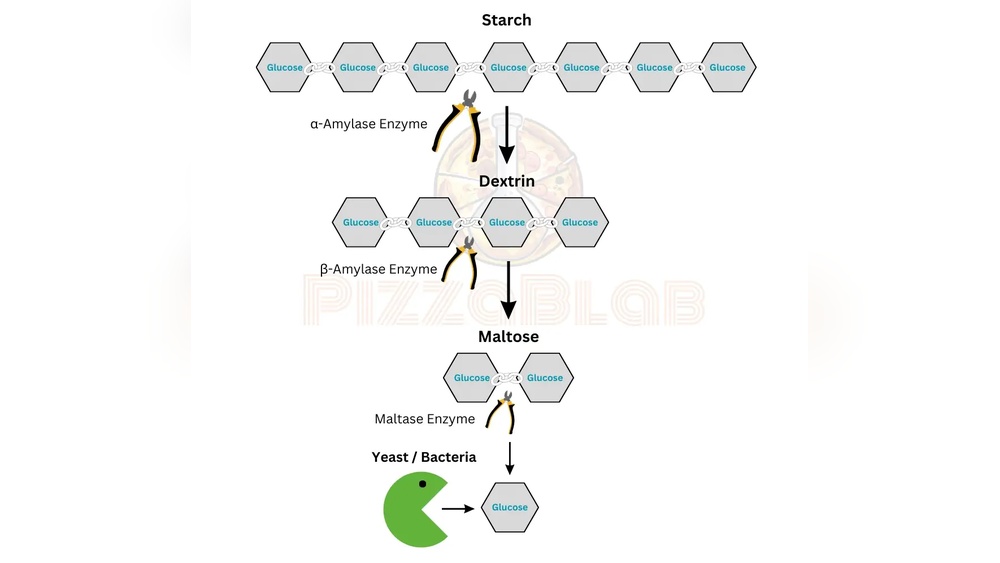
Amylase plays a key role in the enzymatic breakdown of pizza dough. It helps convert starch into simpler sugars. These sugars are vital for yeast fermentation and dough development. Without amylase, the dough would lack the necessary sugars to rise well and develop flavor.
Starch Conversion
Amylase breaks down starch molecules in flour. Starch is a complex carbohydrate made of many glucose units. Amylase cuts these long chains into smaller sugar units like maltose. These sugars are easier for yeast to consume during fermentation. This process provides energy for yeast to grow and produce carbon dioxide gas.
The gas creates air pockets in the dough. This makes the dough light and fluffy. Starch conversion also improves dough texture. It helps form a better crust after baking. The sugars from starch also add to the flavor and color of the crust.
Impact On Yeast Activity
The sugars produced by amylase feed the yeast cells. Yeast uses these sugars to produce carbon dioxide and alcohol. Carbon dioxide causes the dough to rise by expanding air bubbles. Alcohol adds subtle flavor notes to the dough.
Amylase activity supports steady yeast fermentation. This results in a consistent rise and better dough structure. Without enough amylase, yeast may starve and fermentation slows down. The dough may turn dense and less flavorful. Proper amylase function is essential for lively yeast activity and good pizza dough quality.
Lipase And Flavor Development
Lipase plays a vital role in pizza dough, especially in creating flavor. This enzyme breaks down fats in the dough, releasing fatty acids. These acids interact with other dough components, enhancing aroma and taste. The result is a richer, more complex flavor profile in the baked pizza crust.
Understanding how lipase works helps bakers control dough flavor. It can be naturally present in flour or added during mixing. Its activity depends on factors like temperature and fermentation time. Proper control of lipase ensures a balanced flavor without unwanted off-notes.
Lipase Action On Fats In Dough
Lipase targets triglycerides, the main fat molecules in dough. It splits these molecules into free fatty acids and glycerol. Free fatty acids contribute to the dough’s flavor by producing subtle nutty and buttery notes. This enzymatic breakdown enhances the overall sensory experience of the pizza.
Impact Of Fermentation On Lipase Activity
Fermentation time affects lipase performance. Longer fermentation allows more fat breakdown and flavor development. Temperature also influences enzyme speed. Warmer dough speeds up lipase activity but may risk overproduction of acids. Careful control helps maintain a pleasant flavor balance.
Balancing Lipase For Optimal Flavor
Too much lipase can cause off-flavors like rancidity. Too little results in bland dough. Bakers aim for a balance to achieve the perfect taste. Adjusting ingredients and fermentation helps manage lipase levels. This balance creates a pizza crust with rich, inviting flavor and aroma.
Enzymatic Reactions During Fermentation
During pizza dough fermentation, enzymes play a vital role in transforming the dough’s structure. These biochemical reactions help break down complex molecules into simpler forms. This process affects both the dough’s texture and flavor. Understanding these enzymatic changes reveals how fermentation improves dough quality.
Breakdown Of Proteins And Starches
Enzymes like protease act on proteins in the dough. They break gluten proteins into smaller pieces. This softens the dough and makes it easier to stretch. At the same time, amylase enzymes target starches. They convert starch into sugars that yeast can consume. This sugar production fuels fermentation and adds flavor to the crust.
Influence On Dough Elasticity And Extensibility
The enzymatic breakdown influences dough elasticity and extensibility. Protease reduces gluten strength, making the dough less tough. This change helps the dough stretch without tearing. Meanwhile, starch breakdown affects water absorption and dough softness. These factors together create a dough that is pliable and easy to shape. The right balance of enzymes ensures a perfect pizza base.
Chemical Processes In Crust Formation
The formation of a pizza crust involves complex chemical processes. These processes develop the crust’s color, texture, and flavor. Heat triggers reactions that transform simple ingredients into a delicious, golden crust. Understanding these reactions helps explain why the crust is so appealing. Two main chemical processes play key roles: the Maillard reaction and caramelization. Both occur during baking and greatly influence the final crust.
Maillard Reaction
The Maillard reaction happens between amino acids and sugars under heat. It creates browning and rich flavors in the crust. This reaction starts at around 140°C (284°F). It forms hundreds of flavor compounds that give the crust its savory taste. The Maillard reaction also changes the dough’s color to a deep golden brown. This process is essential for the crust’s appealing look and taste.
Caramelization
Caramelization is the breakdown of sugars when exposed to high heat. It begins at about 160°C (320°F). This process produces sweet, nutty, and toasted flavors in the crust. Caramelization also adds to the crust’s brown color, complementing the Maillard reaction. Both reactions work together to create the perfect balance of flavor and color. The crust’s crisp texture partly results from caramelized sugars forming a thin, crunchy layer.
Enzyme Additives In Commercial Flours
Enzyme additives play a crucial role in commercial flours used for pizza dough. These enzymes help break down starches and proteins, improving dough handling and final product quality. They support consistent results across different batches of flour. Enzyme additives speed up fermentation and improve dough elasticity, making the baking process more reliable and efficient.
Consistency And Performance Benefits
Enzymes ensure uniform dough quality despite natural flour variations. Alpha-amylase is a common enzyme that breaks down starch into sugars. These sugars feed yeast, helping dough rise better. Protease enzymes soften gluten, improving dough stretch and texture. The result is a dough that performs consistently in rise, texture, and flavor. Bakers can expect less dough failure and better product appearance. Enzyme additives reduce mixing time and improve dough softness.
Sustainability Considerations
Using enzyme additives can lower the need for water and energy in flour processing. Alpha-amylase, often derived from fungi, replaces more resource-heavy ingredients like malted barley. This shift reduces agricultural water use and emissions. Enzymes work in small amounts but have big effects, supporting eco-friendly baking. Sustainable enzyme use aligns with growing consumer demand for greener food production. It helps mills produce high-quality flour with fewer environmental impacts.
Balancing Enzyme Activity
Balancing enzyme activity is vital for perfect pizza dough. Enzymes help break down proteins and starches, affecting dough texture and rise. Too much enzyme activity can weaken dough, while too little can make it tough. Finding the right balance improves dough handling and final crust quality.
Avoiding Over-proteolysis
Proteolysis breaks down gluten proteins in dough. Excessive proteolysis causes the dough to lose strength. Dough becomes sticky and hard to shape. Controlling protease enzyme levels prevents this issue. Use enzymes in moderation to keep dough elastic and workable. Proper timing and enzyme dosage help maintain dough structure.
Optimizing Dough Strength
Dough strength depends on gluten quality and enzyme activity. Alpha-amylase enzymes break down starch into sugars, feeding yeast and improving rise. Balanced enzyme activity enhances dough elasticity and gas retention. This creates a soft, airy pizza crust. Monitoring enzyme levels ensures dough remains strong and stretches well without tearing.
Practical Tips For Bakers
Baking pizza dough involves a delicate balance of ingredients and time. Enzymatic breakdown plays a key role in developing dough texture and flavor. Bakers can improve dough quality by understanding how enzymes work during fermentation and mixing. Practical tips help manage this process for consistent results.
Controlling Fermentation Time
Fermentation time affects enzyme activity in dough. Shorter fermentation limits enzyme breakdown, keeping dough strong and elastic. Longer fermentation allows enzymes to soften gluten, making dough easier to stretch. Monitor dough closely to avoid over-fermentation, which can weaken dough structure. Use a cooler temperature to slow enzyme action and extend fermentation safely.
Choosing Enzyme-enhanced Flours
Some flours contain added enzymes like fungal alpha-amylase. These enzymes improve dough rise and texture by feeding yeast and breaking down starches. Enzyme-enhanced flours create more consistent dough performance. Check flour labels for enzyme content to select the best option for your recipe. Using these flours reduces the need for extra additives and supports natural dough development.
Credit: spice.alibaba.com
Frequently Asked Questions
What Is An Enzyme In Pizza Dough?
Enzymes in pizza dough break down starches and proteins, improving dough elasticity, texture, and flavor during fermentation and baking.
What Is The 55 Rule For Pizza Dough?
The 55 rule for pizza dough means using 55% water relative to flour weight. It ensures balanced hydration for perfect dough texture.
What Is The Chemical Reaction In Pizza Dough?
The chemical reaction in pizza dough involves yeast fermentation, producing carbon dioxide that makes dough rise. Heat triggers Maillard reaction and caramelization, creating crust flavor and color. Enzymes like amylase and protease break down starches and proteins, improving dough texture and elasticity.
What Enzymes Are Added To King Arthur Flour?
King Arthur flour contains fungal alpha-amylase. This enzyme ensures consistent quality, improves yeast activity, and enhances dough texture. It replaces water-intensive malted barley and supports reliable rising and baking performance.
Conclusion
Enzymes play a key role in pizza dough texture and flavor. They break down starches and proteins, helping dough rise and become soft. Controlling enzymatic activity ensures dough has the right strength and elasticity. Too much enzyme action can weaken the dough’s structure.
Understanding this process helps bakers create better pizza crusts every time. Simple enzyme balance leads to delicious results and consistent baking. Keep these basics in mind to improve your pizza dough naturally.

As the author of the “Ultimate Pizza Guide: Recipes, Tips & Secrets Revealed,” I’m dedicated to sharing my love for pizza and empowering others to create delicious homemade pizzas with ease. Join me on a journey to uncover the secrets to perfecting your pizza game!