
The perfect pizza is a culinary masterpiece, a symphony of crispy crust, vibrant sauce, and melted cheese. While ingredients and technique play crucial roles, the unsung hero of exceptional pizza is the oven itself, particularly the thermal balance of its deck. This critical element dictates how evenly heat is transferred to the pizza base, influencing everything from crust crispiness to overall cooking time. Achieving optimal thermal balance isn’t just about high temperatures; it’s about managing that heat intelligently, ensuring a consistent and superior bake every single time.
Understanding and mastering pizza oven deck thermal balance is paramount for any serious pizzaiolo, whether working in a professional kitchen or a backyard setup. It’s the difference between a pale, undercooked base and a beautifully blistered, leopard-spotted crust. This article will explore the intricate science behind pizza oven deck thermal balance, detailing the factors that influence it, the materials involved, and practical strategies for achieving and maintaining this elusive equilibrium.
Key Takeaways
- Deck Material is Crucial: The choice of deck material (firebrick, cordierite, steel) significantly impacts heat retention and transfer.
- Thermal Mass Matters: A thicker deck stores more heat, leading to more consistent temperatures during cooking.
- Heat Source Proximity: The distance and type of heat source (wood, gas, electric) directly affect deck temperature.
- Insulation is Key: Proper insulation below and around the deck prevents heat loss and ensures efficient energy use.
- Preheating is Non-Negotiable: Adequate preheating time allows the deck to reach and stabilize at the desired temperature.
- Moisture Management: Steam and moisture from the pizza can cool the deck; understanding this interaction is vital.
- Regular Maintenance: Cleaning and occasional resurfacing of the deck ensure optimal performance.
The Science Of Heat Transfer In Pizza Ovens
At its core, achieving great pizza relies on efficient heat transfer to the dough. A pizza oven’s deck is designed to be the primary conduit for this energy, delivering intense heat directly to the underside of the pizza. This process involves three primary modes of heat transfer: conduction, convection, and radiation.
Conduction: The Direct Contact
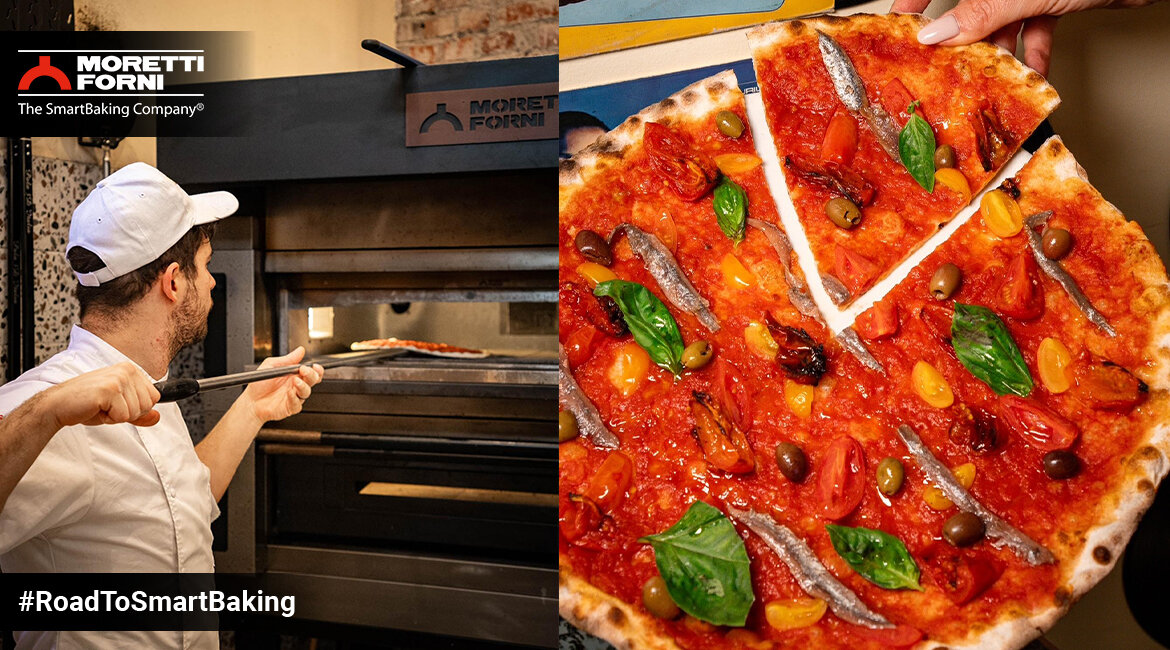
Conduction is the most significant mode of heat transfer occurring at the deck surface. When the pizza dough makes contact with the hot deck, heat energy is directly passed from the deck material to the dough molecules. This immediate transfer is responsible for creating the initial crispness and browning on the pizza’s base. The rate of conductive heat transfer depends heavily on:
- Thermal Conductivity of the Deck Material: Materials with high thermal conductivity, like steel, transfer heat quickly. However, they may not retain it as well. Materials like firebrick have lower conductivity but excellent heat retention.
- Temperature Difference: A larger temperature gap between the deck and the dough results in faster heat transfer.
- Contact Area and Pressure: A larger, more uniform contact area ensures more efficient heat transfer.
Convection: The Air’s Role
While less direct to the base, convection plays a vital role in the overall oven environment and indirectly influences deck temperature. Hot air circulates within the oven chamber, transferring heat to the deck’s top surface and sides. In wood-fired ovens, the movement of flames and hot gases also contributes to convective heating. Efficient convection ensures that the deck is continuously replenished with heat from the oven’s primary source, helping to maintain its temperature.
Radiation: The Radiant Heat
Radiation is the transfer of heat through electromagnetic waves. In a pizza oven, radiant heat from the flames, heating elements, or the hot dome of the oven bombards the pizza from above. While this primarily cooks the toppings and the top of the crust, it also contributes to heating the deck from above, albeit indirectly. The deck itself, once heated, also radiates heat upwards towards the pizza.
Credit: morettiforni.com
Factors Influencing Deck Thermal Balance
The delicate equilibrium of heat within the pizza oven deck is influenced by a complex interplay of factors. Understanding these elements is the first step towards achieving consistent, high-quality results.
Deck Material Properties
The material chosen for the pizza oven deck is arguably the most critical factor in its thermal performance. Different materials possess unique properties that affect heat absorption, retention, and release.
- Firebrick: Traditional and widely used, firebrick (often made from clay or refractory cement) offers excellent thermal mass. This means it can absorb and store a significant amount of heat. Firebrick heats up relatively slowly but also cools down slowly, providing a stable cooking surface. Its porous nature can sometimes lead to moisture absorption, which can affect cooking temperature.
- Cordierite: A synthetic ceramic material, cordierite is known for its durability and resistance to thermal shock. It heats up faster than firebrick and offers good heat retention, though typically less than dense firebrick. Cordierite is non-porous, meaning it doesn’t absorb moisture, which can lead to a crisper crust. Many modern pizza ovens, especially portable ones, utilize cordierite decks.
- Steel: Stainless steel or cast iron decks offer the fastest heat-up times and excellent heat conductivity. This means heat is transferred very rapidly to the pizza base. However, steel has lower thermal mass compared to stone or ceramic materials, meaning it can lose heat more quickly when a cold pizza is placed on it. This can lead to temperature drops and less consistent results without careful management.
Material Comparison: Thermal Performance
| Feature | Firebrick | Cordierite | Steel |
|---|---|---|---|
| **Heat Up Time** | Slow | Moderate | Fast |
| **Heat Retention** | Excellent (High Thermal Mass) | Good | Moderate (Lower Thermal Mass) |
| **Heat Transfer** | Moderate (Slower, more even release) | Moderate to Fast | Very Fast (High Conductivity) |
| **Durability** | Good, but can chip/crack | Excellent, resistant to thermal shock | Excellent |
| **Porosity** | Porous (can absorb moisture) | Non-porous | Non-porous |
| **Typical Use** | Traditional wood-fired ovens, masonry | Modern home ovens, portable ovens | Some professional ovens, specialty grills |
Thermal Mass And Thickness
Thermal mass refers to a material’s ability to absorb, store, and release heat energy. Materials with high thermal mass, like thick firebrick or stone, act as heat reservoirs. They require more time and energy to heat up, but once hot, they maintain their temperature more consistently, even when introducing a cooler pizza. The thickness of the deck directly contributes to its thermal mass. A thicker deck will:
- Store more heat: Leading to a more stable cooking temperature.
- Recover heat faster: After placing a pizza, the stored heat helps the deck return to its target temperature more quickly.
- Provide more even heat distribution: Thicker materials tend to buffer temperature fluctuations across their surface.
For instance, a professional wood-fired oven might feature a deck that is 4 inches (10 cm) thick or more, providing substantial thermal mass. In contrast, a portable gas pizza oven might have a 0. 5-inch (1. 2 cm) cordierite deck, prioritizing faster heat-up but requiring more attention to temperature management.
Insulation Beneath The Deck
The deck doesn’t operate in isolation. The quality and type of insulation placed beneath and around the deck are crucial for retaining heat within the oven chamber and preventing it from escaping downwards. Without adequate insulation, the deck will constantly lose heat to the surrounding environment, requiring more fuel to maintain temperature and leading to uneven cooking.
Common insulation materials include:
- Ceramic Fiber Blanket: Highly efficient, lightweight, and capable of withstanding extreme temperatures. It’s often layered to achieve desired insulation levels.
- Calcium Silicate Board: Dense and rigid, offering good thermal resistance and structural support.
- Perlite or Vermiculite: Lightweight, granular materials often mixed with cement to form insulating concrete.
The goal of insulation is to create a thermal barrier, ensuring that the heat generated is directed upwards towards the cooking surface and the dome, rather than dissipating into the oven’s base or the surrounding structure.
Heat Source Type And Proximity
The nature of the oven’s heat source significantly impacts deck temperature and thermal balance.
- Wood-Fired Ovens: These ovens rely on radiant heat from flames and the hot dome, along with convective heat from circulating gases. The deck is primarily heated indirectly from above and by conduction from the hot oven floor. Achieving consistent deck temperature requires managing the fire’s intensity and placement. The deck is often directly above the fire zone or adjacent to it.
- Gas Ovens: Gas burners can be located beneath the deck, at the rear, or on the sides. Burners directly under the deck provide the most efficient conductive heat transfer to the base. Burners at the rear or sides rely more on convection and radiation to heat the deck. The intensity of the gas flame is directly controllable, offering precise temperature management.
- Electric Ovens: Electric heating elements are typically located above and sometimes below the deck. Bottom elements provide direct conductive heat. Top elements primarily provide radiant heat for cooking toppings. Electric ovens offer the most precise temperature control but may have less thermal mass than traditional wood-fired ovens.
The proximity of the heat source to the deck is also vital. A burner or heating element placed too far away will struggle to heat the deck effectively. Conversely, a heat source placed too close can lead to scorching or uneven heating.
Oven Dome Design And Insulation
While focusing on the deck, it’s impossible to ignore the oven’s dome. The dome’s shape and insulation work in tandem with the deck to create the cooking environment. A well-insulated dome traps heat effectively, allowing it to radiate downwards and maintain high temperatures.
The dome also plays a role in circulating hot air (convection) around the pizza. In wood-fired ovens, the dome’s heat is a significant contributor to cooking the pizza from above, which in turn influences the thermal dynamics of the deck by radiating heat downwards.
Preheating Time And Temperature Stability
Preheating is a critical, non-negotiable step for achieving optimal deck thermal balance. Simply put, the oven and its deck need sufficient time to reach and stabilize at the desired cooking temperature. This allows the deck material to absorb and store enough heat energy.
- Insufficient Preheating: Leads to a cold deck that saps heat from the pizza dough, resulting in a pale, soft, and undercooked base.
- Adequate Preheating: Ensures the deck is a consistent, high-temperature heat source, ready to rapidly cook the pizza base.
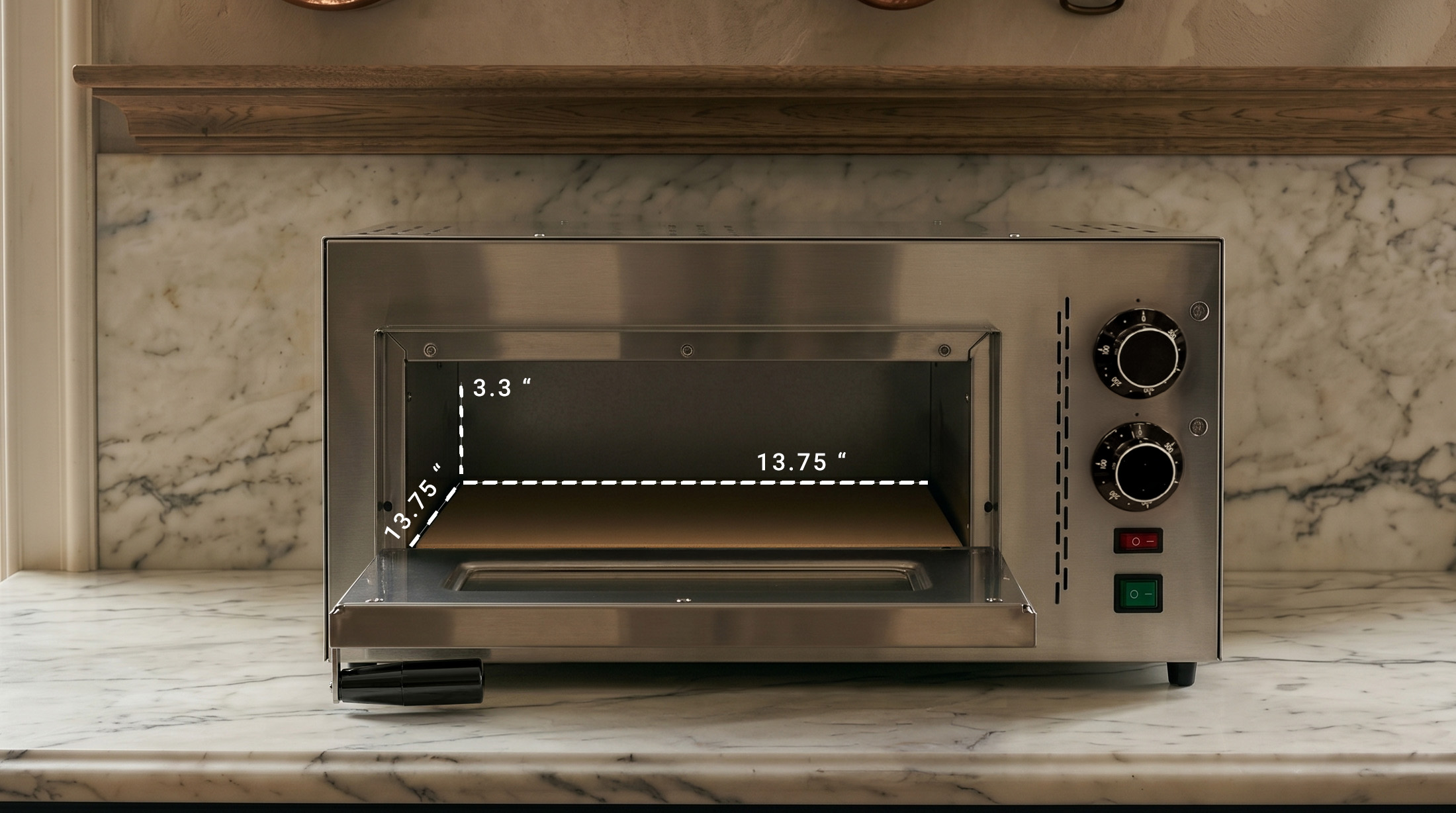
The required preheating time varies significantly based on the oven type, deck material, and thickness. A thin steel deck might be ready in 10-15 minutes, while a thick-deck brick oven could require 1-2 hours or even longer to reach optimal thermal stability.
Monitoring the temperature with an infrared thermometer is essential.
Credit: omcan.com
Achieving Optimal Deck Thermal Balance
Mastering pizza oven deck thermal balance involves a combination of understanding oven design, material properties, and employing smart cooking techniques. Here are actionable strategies to ensure your pizza deck is always ready for action.
Selecting The Right Deck Material
As discussed, the deck material is foundational.
- For Maximum Heat Retention and Stability (especially in wood-fired or high-volume settings): Opt for thick firebrick or dense refractory material. These provide the thermal mass needed to withstand repeated pizza launches without significant temperature drops.
- For Faster Heat-Up and Good Performance (home or moderate use): Cordierite is an excellent choice. It offers a good balance of heat retention, durability, and faster preheating compared to traditional firebrick.
- For Rapid Cooking and Versatility (specific applications): Steel decks excel when quick temperature recovery is needed, often found in high-end commercial deck ovens designed for rapid turnover. However, they require more precise temperature control.
When purchasing an oven, research the deck material and its thickness. If building a custom oven, consult with experienced oven builders about the best material choices for your intended use.
Optimizing Preheating Procedures
Preheating is not just about reaching temperature; it’s about *stabilizing* it.
- Start Early: Allow ample time. For a wood-fired oven, this means starting the fire well in advance. For gas or electric, it means turning them on at least 30-45 minutes before the first pizza, potentially longer for larger or heavily insulated ovens.
- Monitor Temperature: Use an infrared thermometer to check the deck temperature at multiple spots. Aim for your target pizza-cooking temperature (often 500-700°F or 260-370°C, depending on pizza style).
- Allow for Soak Time: Once the target temperature is reached, let the oven and deck “soak” at that temperature for another 15-30 minutes. This ensures the heat has fully penetrated the deck material and stabilized.
- Manage the Fire (Wood Ovens): In wood-fired ovens, maintain a consistent flame or bed of embers that provides continuous heat without scorching the deck. Often, the fire is moved to the side or front after the initial heat-up to allow for a more even deck temperature.
Understanding And Managing Heat Loss
Minimizing heat loss is crucial for maintaining deck temperature and energy efficiency.
- Check Insulation: Periodically inspect the insulation beneath and around your oven deck. Damaged or compressed insulation needs replacement.
- Door Management: Keep the oven door closed as much as possible during preheating and cooking. Each time the door is opened, significant heat escapes.
- Seal Gaps: Ensure there are no air leaks around the door or oven structure that could allow hot air to escape.
Using A Thermometer For Precision
An infrared thermometer is an indispensable tool for any serious pizza maker.
- Deck Temperature: Measure the deck temperature *before* launching a pizza. This gives you a baseline and confirms your preheating efforts.
- Temperature Recovery: After pulling a pizza out, measure the deck temperature again. This indicates how much heat was absorbed by the pizza and how quickly the deck will recover.
- Hot Spots: Use the thermometer to identify any hot or cold spots on the deck, which might indicate uneven heating or material issues.
Managing Moisture And Steam
The moisture content of your dough and toppings can impact deck temperature. When a pizza hits the hot deck, moisture from the dough rapidly turns to steam. This steam can temporarily cool the surface of the deck.
- Dough Hydration: Very high hydration doughs (wetter doughs) will release more steam.
- Toppings: Wet toppings can also contribute to steam.
- Deck Material: Porous materials like firebrick can absorb some moisture, potentially slowing down the steam release and cooling effect. Non-porous materials like cordierite or steel will experience a more immediate steam release.
While you can’t eliminate steam, understanding its effect helps explain minor temperature fluctuations. Ensuring your deck is thoroughly preheated helps the deck overcome this temporary cooling effect quickly.
Regular Cleaning And Maintenance
A clean deck performs better.
- Brushing: After each cooking session (once cooled), brush off any burnt flour, crumbs, or debris. A stiff wire brush or a dedicated oven brush works well.
- Ash Removal (Wood Ovens): Regularly remove excess ash that can insulate the deck and impede heat transfer.
- Resurfacing: Over time, some deck materials, particularly firebrick, might develop minor cracks or unevenness. Minor imperfections can often be addressed with specialized refractory cement or by carefully grinding down high spots. Major damage may require deck replacement.
Credit: omcan.com
Case Studies In Deck Thermal Balance
Examining real-world scenarios highlights the practical implications of deck thermal balance.
Case Study 1: The Neapolitan Pizzeria
A traditional Neapolitan pizzeria operates a large, dome-shaped wood-fired brick oven. The deck is made of thick (4-5 inch) refractory firebricks.
- Challenge: Achieving the characteristic leopard-spotting and puffy cornicione of Neapolitan pizza requires extremely high deck temperatures (around 800-900°F or 425-480°C) and rapid cooking (60-90 seconds).
- Solution: The oven is preheated for 2-3 hours daily. A roaring wood fire is maintained, heating the dome intensely. Once the dome is white-hot and the deck reaches temperature (verified with an infrared thermometer), the fire is pushed to the side. The thick firebrick deck has massive thermal mass, storing enough heat to cook multiple pizzas quickly without significant temperature drops. The high radiant heat from the dome cooks the top, while the super-hot deck cooks the base instantly via conduction.
- Key Takeaway: High thermal mass deck + intense radiant heat + precise fire management = perfect Neapolitan crust.
Case Study 2: The Backyard Pizza Enthusiast
A home cook uses a popular portable gas pizza oven with a 0. 75-inch (2 cm) cordierite deck.
- Challenge: The oven reaches high temperatures quickly (around 900°F or 480°C), but the thinner cordierite deck loses heat noticeably after each pizza, leading to a softer base on subsequent pies.
- Solution: The user learned the importance of extended preheating (45 minutes) and allowing the oven to “soak” at temperature for an additional 15 minutes. They also implemented a “pizza peel rest” strategy: before launching a pizza, they place the empty pizza peel on the deck for 30-60 seconds to preheat it slightly, reducing the thermal shock when the pizza is transferred. After each pizza, they allow the oven 2-3 minutes to recover temperature before launching the next.
- Key Takeaway: Even with less thermal mass, smart preheating and recovery management can significantly improve deck performance.
Case Study 3: The Commercial Deck Oven Operator
A busy restaurant uses a high-volume gas-fired commercial deck oven with a steel deck.
- Challenge: The oven needs to produce 100+ pizzas per shift, requiring rapid cooking and consistent crust quality, even with constant use. Steel offers fast heat transfer but can be prone to temperature dips.
- Solution: The oven is equipped with bottom heating elements that provide consistent, direct heat to the steel deck. The operator relies on precise thermostat control for the bottom element, maintaining a steady deck temperature. They employ a “staggered launch” technique, where pizzas are not launched back-to-back but with short intervals, allowing the steel deck to recover heat between pies. Regular cleaning of the steel deck prevents carbon buildup, which can insulate and create hot spots.
- Key Takeaway: For high-volume operations, durable materials with good conductivity (like steel) combined with precise temperature control and recovery management are essential.
Common Issues And Troubleshooting
Even with the best intentions, pizza oven decks can present challenges. Here are common problems and how to address them.
Uneven Heating (hot/cold Spots)
- Cause: Uneven fire distribution (wood ovens), burner issues (gas ovens), inconsistent insulation, or material defects. Hot spots might also develop from carbonized food debris.
- Solution:
- Wood Ovens: Learn to manage your fire to distribute heat more evenly across the deck. Rotate pizzas frequently.
- Gas/Electric Ovens: Check burner alignment or heating element function. Ensure the deck is seated correctly.
- All Ovens: Clean the deck thoroughly to remove debris. Use an infrared thermometer to map hot/cold spots and adjust cooking strategy accordingly (e.g., rotating pizzas more). Some ovens may benefit from a deck made of multiple pieces, allowing for easier replacement of a localized damaged section.
Slow Heat-up Time
- Cause: Insufficient fuel/power, inadequate insulation, thick or dense deck material not given enough time.
- Solution:
- Increase Fuel/Power: Use more wood, turn up the gas/electric setting.
- Improve Insulation: Ensure the oven’s insulation is intact and effective.
- Be Patient: For ovens with high thermal mass, simply allow more preheating time. It’s better to wait longer than to have an underperforming deck.
Deck Cracking Or Chipping
- Cause: Thermal shock (rapid temperature changes), physical impact, aging of materials, moisture trapped within porous materials and expanding when heated.
- Solution:
- Avoid Thermal Shock: Allow the oven to cool down gradually. Avoid pouring cold water directly onto a hot deck.
- Gentle Handling: Be careful when moving ovens or cleaning the deck to avoid impacts.
- Material Choice: Cordierite is highly resistant to thermal shock. If using firebrick, ensure it’s rated for high temperatures and consider using a sealant if it’s excessively porous (though this can sometimes impede breathability).
- Repair/Replace: Minor cracks can sometimes be repaired with refractory cement. Significant damage may necessitate replacing the deck.
Crust Sticking To The Deck
- Cause: Deck not hot enough, insufficient flour/semolina on the pizza peel, dough too wet, or deck surface is rough/damaged.
- Solution:
- Ensure Proper Preheating: Verify the deck is at the correct, high temperature.
- Use Flour/Semolina: Lightly dust your pizza peel with flour or semolina (or a blend)

As the author of the “Ultimate Pizza Guide: Recipes, Tips & Secrets Revealed,” I’m dedicated to sharing my love for pizza and empowering others to create delicious homemade pizzas with ease. Join me on a journey to uncover the secrets to perfecting your pizza game!