“Pizza Oven Cooldown Procedures”
The allure of a perfectly cooked pizza, with its crispy crust and bubbling cheese, often begins with the intense heat of a specialized pizza oven. Whether you own a professional-grade wood-fired behemoth or a compact countertop electric model, understanding the pizza oven cooldown procedure is as crucial as mastering the firing process. Ignoring this vital step can lead to premature wear and tear, safety hazards, and even damage to your valuable equipment. Proper cooldown isn’t just about turning off the heat; it’s a deliberate process that ensures longevity, efficiency, and continued exceptional pizza-making for years to come.
This guide will walk you through the essential steps for safely and effectively cooling down your pizza oven, regardless of its type. We’ll cover the science behind why a slow cooldown is necessary, outline specific procedures for different oven materials, discuss safety precautions, and highlight the long-term benefits of adhering to these practices.
By investing a little time in the cooldown process, you’re investing in the future of your pizza-making adventures and protecting your oven from unnecessary stress.
Key Takeaways
- Gradual Cooling is Essential: Rapid temperature changes can stress and damage oven materials, particularly refractory bricks and metal components.
- Ventilation is Key: Allowing hot air and moisture to escape prevents condensation and potential corrosion or mold growth.
- Follow Manufacturer Guidelines: Always consult your oven’s manual for specific cooldown instructions tailored to its design and materials.
- Safety First: Ensure the oven is completely cool before cleaning, maintenance, or storage to prevent burns.
- Material Matters: Different oven materials (brick, stainless steel, cast iron) have varying cooldown needs and sensitivities.
- Regular Cooldown Prevents Damage: Consistent adherence to proper procedures extends the lifespan and maintains the performance of your pizza oven.
Understanding The Importance Of A Gradual Cooldown
Pizza ovens operate at extremely high temperatures, often exceeding 700°F (370°C) and sometimes reaching over 900°F (480°C) for wood-fired models. This intense heat is what cooks pizza in mere minutes, creating that signature char and flavor. However, when the cooking is done, simply shutting off the heat source or closing the oven door can create a thermal shock. Thermal shock refers to the stress placed on materials when subjected to rapid temperature changes.
Imagine a piece of glass being rapidly cooled; it’s prone to cracking. Similarly, the refractory bricks, mortar, and metal components of your pizza oven can experience significant expansion and contraction cycles. When an oven is rapidly cooled, the outer layers contract much faster than the inner layers, creating immense internal stress. This can manifest as:
- Cracking: Small hairline cracks can appear in the refractory bricks or mortar joints. While minor cracks might not immediately affect performance, they can widen over time, compromising insulation and structural integrity.
- Spalling: This is a more severe form of damage where surface layers of the brick or concrete spall off due to thermal stress and trapped moisture.
- Metal Fatigue: For ovens with metal domes or components, rapid cooling can lead to warping, buckling, or premature rust due to condensation.
- Insulation Degradation: Repeated thermal shock can degrade the insulating properties of the oven, making it less efficient to heat up and requiring more fuel in the long run.
Furthermore, moisture trapped within a rapidly cooling oven can condense on the cooler surfaces. In wood-fired ovens, this moisture can react with residual creosote and soot, forming acidic compounds that can accelerate corrosion and damage the oven’s structure. For electric or gas ovens, trapped moisture can lead to rust on heating elements or internal components.
A slow, controlled cooldown allows this trapped heat and moisture to dissipate gradually, minimizing these risks.
Credit: pizzapreptable.com
Cooldown Procedures By Oven Type
While the general principle of gradual cooling applies to all pizza ovens, the specific steps can vary based on the oven’s construction and fuel source.
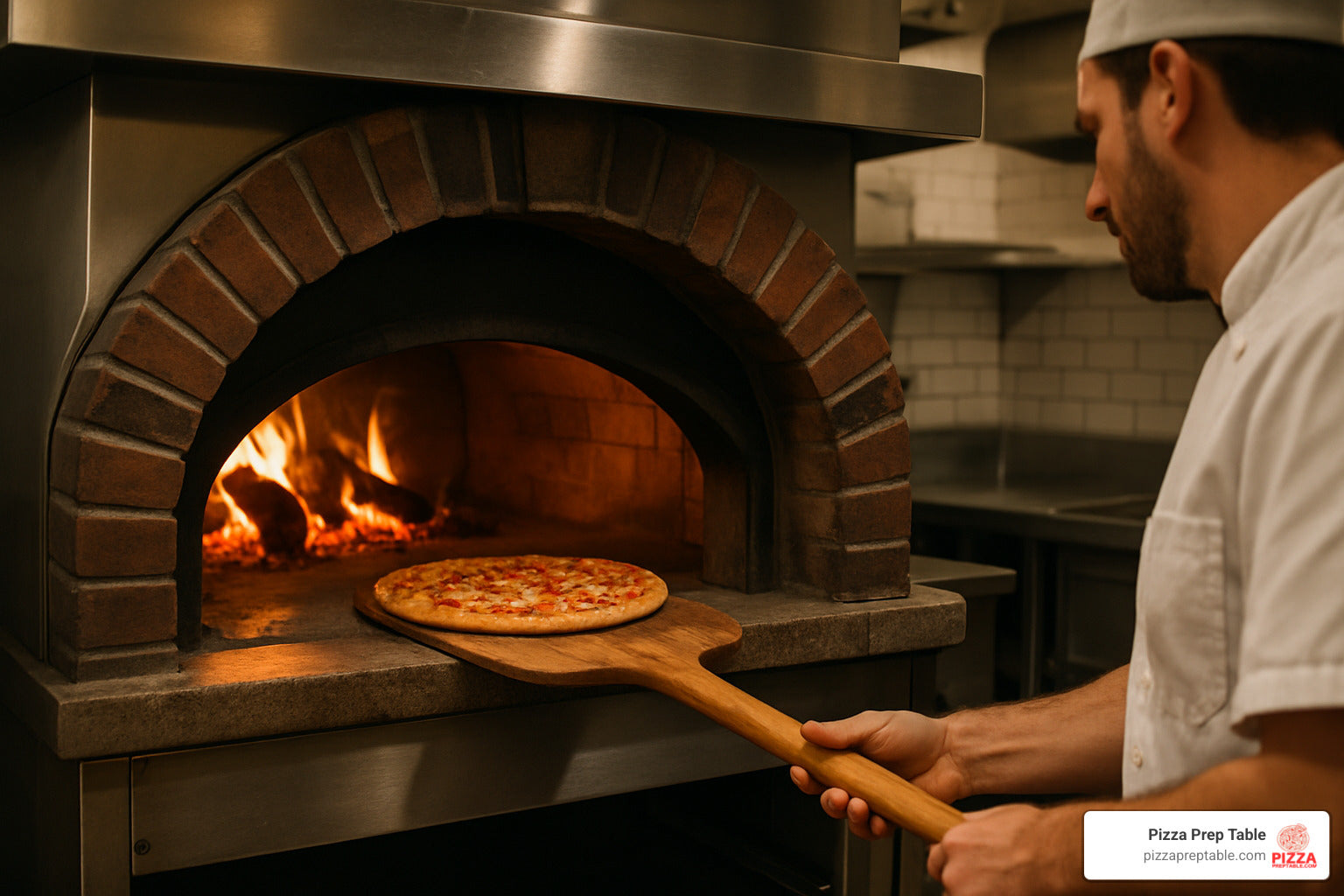
Wood-fired Brick Ovens
These are perhaps the most susceptible to thermal shock due to their heavy refractory construction.
- Step 1: Extinguish the Fire: Once you’ve finished cooking, allow the wood to burn down to embers. Do not add more wood.
- Step 2: Open the Door and Damper: Crucially, leave the oven door slightly ajar and open the chimney damper (if your oven has one). This allows the extreme heat and combustion gases to escape slowly. Never close the door completely while the oven is still very hot.
- Step 3: Natural Air Cooling: Allow the oven to cool naturally. This can take several hours, sometimes even overnight, depending on the oven’s size and how hot it was fired. You’ll notice the temperature gradually dropping.
- Step 4: Monitor Temperature: You can use an infrared thermometer to check the surface temperature. Wait until it drops below 200°F (93°C) before considering any further steps like cleaning.
- Step 5: Ash Removal (Once Cool): Once the oven is completely cool to the touch, you can carefully remove the ashes. Use a metal shovel and a metal ash bucket. Dispose of ashes safely in a fireproof container, as embers can remain hidden for a long time.
Pro Tip: For very large or intensely fired brick ovens, some users employ a strategy of banking the embers and leaving the door mostly closed after the initial high heat has dissipated, allowing for a slightly more controlled, but still slow, cooldown over many hours. However, the primary goal remains slow, natural air exchange.
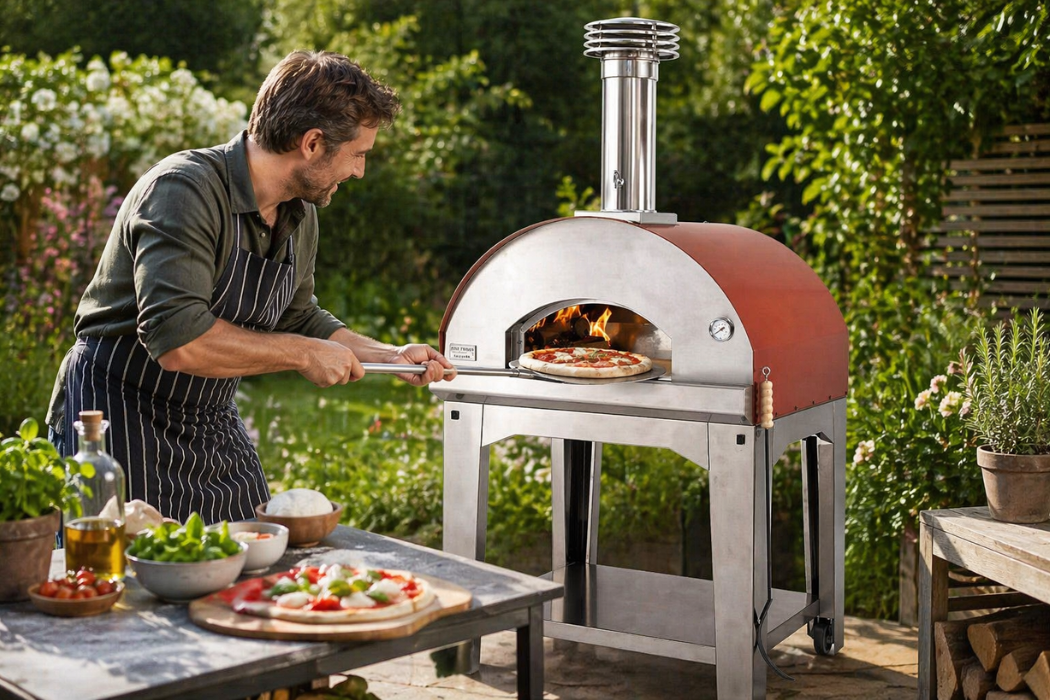
Stainless Steel And Metal Dome Ovens (gas/propane/wood Pellet)
These ovens heat up and cool down much faster than brick ovens.
- Step 1: Turn Off the Heat Source: For gas or propane ovens, simply turn off the burner. For wood pellet ovens, stop the pellet feed and allow the remaining pellets to burn out.
- Step 2: Open the Oven Door: Once the flame or heating element is off, open the oven door fully. This is critical for ventilation.
- Step 3: Allow Air Circulation: Let the oven air cool. Unlike brick ovens, these often cool significantly within 1-2 hours. The metal construction allows heat to dissipate more rapidly.
- Step 4: Check for Condensation: Periodically check inside the oven. If you see significant condensation forming, especially on stainless steel interiors, leave the door open longer to allow it to evaporate.
- Step 5: Wipe Down (Once Cool): Once the oven is cool to the touch, wipe down any interior surfaces with a soft, dry cloth to remove any residue or moisture.
Electric Countertop Pizza Ovens
These are typically the simplest to cool down.
- Step 1: Turn Off and Unplug: Switch the oven off using its controls and, for maximum safety, unplug it from the power source.
- Step 2: Open the Door: Open the oven door to allow heat to escape.
- Step 3: Air Cool: Let the oven cool naturally on the countertop. Due to their smaller size and often less intense heat (compared to wood-fired), they usually cool down within 30-60 minutes.
- Step 4: Clean (Once Cool): Once completely cool, you can proceed with cleaning the interior and exterior surfaces as per the manufacturer’s instructions.

Credit: pizzapreptable.com
The Science Of Thermal Expansion And Contraction
Understanding the physical principles behind why cooldown matters can reinforce the importance of following these procedures. Materials expand when heated and contract when cooled. This is governed by their coefficient of thermal expansion. Different materials have different coefficients.
- Refractory Bricks: These are designed to withstand high temperatures, but they still expand and contract. The interlocking nature of bricks in an oven dome can create pressure points during rapid temperature shifts. Repeated stress can lead to micro-fractures.
- Mortar/Refractory Cement: The binding material between bricks is often more susceptible to cracking than the bricks themselves. Rapid contraction can cause the mortar to pull away from the bricks or crack outright.
- Stainless Steel: While durable, stainless steel has a significant coefficient of thermal expansion. Rapid cooling of a large stainless steel dome can cause visible warping or even stress fractures over time.
- Cast Iron: Cast iron expands and contracts considerably. Rapid cooling can lead to cracking, especially if there are imperfections or existing stress points in the metal.
Consider the analogy of a car windshield. If you pour hot water on a very cold windshield, it can crack due to the rapid, uneven expansion. A pizza oven experiences similar, albeit slower, stresses. A gradual cooldown allows the entire mass of the oven to contract more uniformly, minimizing the internal stresses that lead to damage.
Credit: www.directstoves.com
Safety Precautions During And After Cooldown
Safety is paramount when dealing with high-temperature equipment. The cooldown period is no exception.
- Never Touch Hot Surfaces: Assume all parts of the oven, including the exterior, door, and any internal components, are extremely hot until proven otherwise. Use heat-resistant gloves if you need to interact with the oven during the cooling process.
- Keep Flammable Materials Away: Ensure that curtains, towels, cleaning supplies, or any other flammable materials are kept well clear of the oven during cooldown. The residual heat can still ignite them.
- Ventilation is Crucial for Air Quality: Especially with wood-fired ovens, ensure the area is well-ventilated. While the main combustion gases escape through the open door and damper, some fumes might still linger.
- Ash Disposal: As mentioned for wood-fired ovens, ashes can remain dangerously hot for extended periods. Always use appropriate metal containers and dispose of them away from combustible materials.
- Children and Pets: Keep children and pets away from the oven area during the entire cooldown process, which can take many hours for larger ovens.
- Electrical Safety: For electric ovens, unplugging the unit after turning it off adds an extra layer of safety, especially if you plan to clean it immediately after it has cooled.
Maintenance And Cleaning Considerations During Cooldown
The cooldown phase is also an opportune time for essential maintenance and cleaning. Performing these tasks when the oven is completely cool prevents burns and allows for thoroughness.
Cleaning Ash And Soot (wood-fired Ovens)
- Timing: Wait until the oven is completely cool to the touch. This might be 12-24 hours after the fire was extinguished for large brick ovens.
- Tools: Use a long-handled metal shovel, a stiff brush (natural bristles are often recommended for the oven floor to avoid scratching), and a metal ash bucket.
- Process: Gently sweep ashes towards the front of the oven and into the ash bucket. Brush any loose soot or debris from the dome and walls. Avoid vigorous brushing that could dislodge compromised mortar or brick.
- Frequency: Regular ash removal prevents buildup that can insulate the oven floor and make it harder to reach optimal cooking temperatures.
Wiping Down Interiors (gas/electric/metal Ovens)
- Timing: Once the oven is cool.
- Tools: A damp (not wet) cloth or sponge, and a dry cloth for finishing. For stubborn residue, a mild, oven-safe degreaser might be used sparingly, following manufacturer instructions.
- Process: Wipe down the interior surfaces, including the ceiling, floor, and walls. Pay attention to any areas with food residue or grease. Ensure all moisture is dried afterward to prevent rust, especially on stainless steel.
Inspecting For Damage
While cleaning, take the opportunity to inspect your oven for any signs of wear or damage.
- Brick Ovens: Look for new cracks in bricks or mortar joints. Note any significant spalling. Minor hairline cracks are common, but widening or deep cracks warrant attention.
- Metal Ovens: Check for rust spots, especially on seams or welds. Inspect the door gasket (if applicable) for wear and tear. Look for any warping or deformation of the metal.
- General: Check that any insulation materials appear intact and that the oven structure feels solid.
Addressing minor issues during the cooldown and cleaning process can prevent them from becoming major, costly repairs later.
Extending Oven Lifespan Through Proper Cooldown
The cumulative effect of consistent, proper cooldown procedures significantly contributes to the longevity of your pizza oven. Think of it as preventative maintenance.
- Reduced Material Stress: By avoiding thermal shock, you minimize the physical stress on the oven’s components, preventing premature cracking, spalling, and warping. This is particularly crucial for the refractory materials in wood-fired ovens, which are the most expensive to repair or replace.
- Preservation of Insulation: A slow cooldown helps preserve the integrity of the insulation. Damaged or degraded insulation leads to heat loss, requiring more fuel and longer preheating times, essentially reducing the oven’s efficiency over its lifespan.
- Corrosion Prevention: Allowing moisture to escape prevents rust and corrosion, especially in ovens with metal components or steel elements. This is vital for maintaining both structural integrity and aesthetic appeal.
- Consistent Performance: An oven that has been consistently cared for through proper firing and cooldown cycles will maintain its performance characteristics. It will preheat more predictably and hold its temperature more effectively.
- Safety Assurance: A well-maintained oven, free from structural weaknesses caused by neglect, is a safer oven to operate.
In essence, dedicating 10-15 minutes to ensuring a proper cooldown after each use is a small investment that pays significant dividends in the long-term performance, durability, and safety of your pizza oven. For a professional pizza oven used daily, this translates to thousands of dollars saved in repair and replacement costs over its operational life.
For a home user, it means many more years of enjoying delicious, oven-baked pizzas.
Common Mistakes To Avoid
Even with the best intentions, users can make mistakes during the cooldown process. Being aware of these pitfalls can help you avoid them.
- Closing the Door Too Soon (Wood-Fired): This is the most common and damaging mistake with wood-fired ovens. Trapping heat and moisture can cause steam buildup, leading to spalling and cracking as the oven cools rapidly. Always leave the door ajar until the oven is significantly cooler.
- Using Water to Cool Down: Never pour water into a hot pizza oven to speed up cooling. This creates extreme thermal shock, guaranteed to crack refractory materials and potentially cause dangerous steam explosions.
- Forgetting About Residual Heat: Even after the visible flames are gone, the oven mass retains significant heat. Don’t assume it’s safe to touch or clean immediately. Use an infrared thermometer if unsure.
- Aggressive Cleaning of Hot Surfaces: Attempting to scrub soot or grease off a hot oven floor can damage the surface and is a burn risk. Wait for it to cool.
- Ignoring Manufacturer Instructions: While general principles apply, specific ovens have unique designs. Always refer to your oven’s manual for manufacturer-specific cooldown and maintenance advice. For instance, some stainless steel ovens might have specific recommendations regarding cleaning agents or procedures. A quick search for “[Your Oven Brand] manual PDF” can often provide this information.
- Not Ventilating Enough: Even after the fire is out, allowing hot, moist air to circulate out of the oven is crucial. Ensure doors and dampers remain open sufficiently during the initial cooling phase.
Frequently Asked Questions
What Is The Fastest Way To Cool Down A Pizza Oven?
The fastest way to cool down a pizza oven involves maximizing air circulation. For wood-fired ovens, this means leaving the door fully open and the damper open. For gas, electric, or metal ovens, simply turn off the heat source and open the door completely. However, speed is not the goal. The goal is a safe and gradual cooldown to prevent thermal shock. Trying to cool it down too quickly will likely cause damage.
How Long Does It Take For A Pizza Oven To Cool Down?
The cooldown time varies significantly based on oven type and size.
- Small Electric Ovens: 30-60 minutes.
- Metal/Gas/Wood Pellet Ovens: 1-3 hours.
- Wood-Fired Brick Ovens: Can take 6-24 hours or even longer for very large, heavily insulated models to cool down completely to ambient temperature. You should wait until the oven is cool to the touch before performing any significant cleaning or maintenance.
Can I Clean My Pizza Oven While It’s Still Hot?
It is strongly advised against cleaning a pizza oven while it is still hot, especially the interior.
- Burn Hazard: The surfaces can cause severe burns.
- Material Damage: Using cleaning tools or liquids on hot surfaces can cause thermal shock, damage the oven’s lining, or create hazardous fumes.
- Ineffectiveness: Many cleaning tasks, like ash removal or wiping down residue, are best done on a cool surface for thoroughness and safety. The only exception might be a very quick wipe-down of a specific spot on a metal oven with a heat-resistant cloth if absolutely necessary, but this is generally not recommended.
What Happens If I Don’t Let My Pizza Oven Cool Down Properly?
Failing to cool your pizza oven properly can lead to several issues:
- Cracking and Spalling: Thermal shock from rapid cooling can cause refractory bricks and mortar to crack or break apart.
- Warping: Metal components can warp or deform due to uneven contraction.
- Reduced Lifespan: Repeated thermal stress significantly shortens the overall life of the oven.
- Compromised Insulation: Insulation materials can degrade, leading to inefficiency.
- Rust and Corrosion: Trapped moisture can accelerate rust, particularly on metal parts.
- Safety Hazards: Damaged ovens may present structural risks.
Should I Cover My Pizza Oven After Use?
It’s generally best to let your pizza oven cool down completely before covering it, especially for wood-fired ovens. Covering a hot oven traps heat and moisture, which can lead to condensation, mold growth, or even damage to the cover itself.
Once the oven is entirely cool, using a breathable, weather-resistant cover can protect it from the elements, dust, and debris. Avoid using plastic tarps that don’t allow air circulation, as these can trap moisture against the oven surface. Always ensure the oven is dry before covering.
Properly managing the cooldown phase of your pizza oven is an essential, yet often overlooked, aspect of pizza oven ownership. By understanding the principles of thermal dynamics and adhering to specific procedures based on your oven type, you can significantly extend its lifespan, maintain its performance, and ensure safe operation for countless delicious pizzas to come.
This diligent care transforms a cooking appliance into a long-term investment, consistently delivering the perfect pie.

As the author of the “Ultimate Pizza Guide: Recipes, Tips & Secrets Revealed,” I’m dedicated to sharing my love for pizza and empowering others to create delicious homemade pizzas with ease. Join me on a journey to uncover the secrets to perfecting your pizza game!