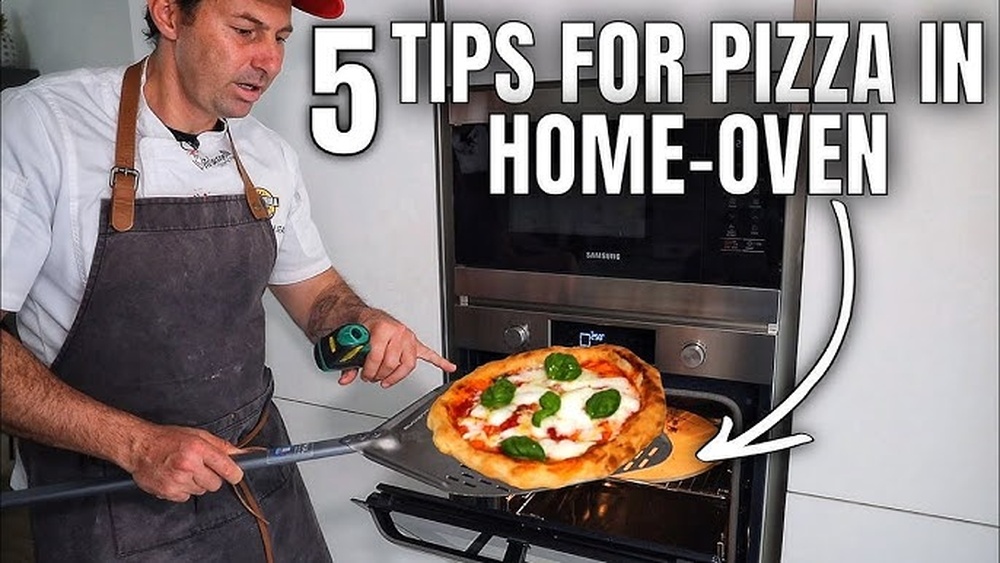
“Best Home Oven Settings for Pizza”
You want your homemade pizza to taste just like it came from a pizzeria, right? The secret isn’t just in the dough or toppings—it’s in your oven settings.
Using the right temperature and oven mode can transform your pizza from good to unforgettable. Whether you crave a crispy crust, perfectly melted cheese, or a golden-brown finish, knowing how to set your home oven is the key. Keep reading to discover the best oven settings that will help you bake the perfect pizza every single time.
Your taste buds will thank you!
Ideal Oven Temperatures
Choosing the right oven temperature is key to baking the perfect pizza at home. Oven heat affects crust texture, cheese melt, and cooking time. Setting your oven to the ideal temperature creates the balance between a crispy base and a well-cooked topping. Different pizza styles need different heat levels. Understanding these temperature ranges helps you bake delicious pizzas every time.
High Heat For Crispy Crust
High oven temperatures, around 500°F to 550°F (260°C to 290°C), are best for a crispy crust. This heat quickly cooks the pizza, creating a crunchy outside and soft inside. Use a pizza stone or steel to keep the heat steady. This method is great for thin crusts and Neapolitan-style pizzas. Keep an eye on your pizza, as cooking times are short at these temperatures.
Standard Temperature Range
Most home ovens reach a maximum of 450°F to 475°F (230°C to 245°C). This range works well for many pizza types. It allows the crust to cook evenly without burning. Bake your pizza on the middle rack for balanced heat. This setting suits hand-tossed and regular crust pizzas. Preheating your oven for at least 30 minutes helps maintain steady heat.
Settings For Thick And Deep Dish
Thick or deep-dish pizzas need lower temperatures, around 375°F to 425°F (190°C to 220°C). This slower cooking ensures the dough cooks through without burning the top. Use a heavy pan to hold heat and protect the crust. Bake longer, often 20 to 30 minutes, to cook toppings and cheese fully. Watch for bubbling cheese and a golden crust as signs of readiness.

Credit: cooking.stackexchange.com
Best Oven Modes For Pizza
Choosing the right oven mode plays a big role in baking a perfect pizza. Different settings affect how heat reaches the pizza and how the crust and toppings cook. This section explores the best oven modes for pizza to help you get the best result at home.
Upper And Lower Heat Combination
Using both upper and lower heat cooks the pizza evenly. The lower heat crisps the base while the upper heat melts and browns the cheese. This balanced heat helps avoid burning the crust or leaving the toppings undercooked.
This setting works well for most pizza types. It gives a good crust texture and nice topping color. Preheat your oven fully before baking for best results.
Fan Assist Benefits
The fan mode circulates hot air inside the oven. This speeds up cooking and heats the pizza evenly. It helps remove moisture, making the crust crispier.
Fan assist is ideal for thin-crust pizzas. It cooks the pizza faster without drying out the toppings. Use a fan setting with moderate heat to avoid burning.
Using Broil Setting Wisely
The broil setting uses intense heat from the oven’s top. It is great for adding a golden, bubbly finish to cheese and toppings. Use broil only in the last few minutes of baking.
Keep the pizza close to the broiler but watch carefully. Broiling too long can burn the pizza quickly. This setting is perfect for a quick, crisp top layer.
Tools To Improve Pizza Baking
Using the right tools can improve your pizza baking at home. They help create a crisp crust and even cooking. These tools make a big difference in your oven’s performance.
Simple additions like baking surfaces and thermometers can boost your results. They help control heat and avoid undercooked dough or burnt toppings. Here are some useful tools to try.
Pizza Stones Vs Steel Plates
Pizza stones and steel plates both hold heat well. Stones absorb moisture, giving a crispy crust. Steel plates heat up faster and transfer heat more efficiently. Steel creates a crunchier base in less time. Stones are more traditional and provide even heat over minutes. Choose based on your oven and pizza style.
Oven Thermometers For Accuracy
Oven settings can be wrong. An oven thermometer shows the exact temperature inside. This helps avoid baking at too low or too high heat. Consistent temperature leads to better pizza texture. Place the thermometer near the baking surface for best reading. It is a small tool with a big impact.
Using Preheated Baking Surfaces
Always preheat your pizza stone or steel before baking. This ensures the surface is hot enough to crisp the dough quickly. Preheating takes 30 to 45 minutes at the highest oven temperature. A cold surface makes the dough soggy and slows cooking. Hot surfaces give a golden crust and bubbly cheese fast.
Topping And Dough Tips
Perfect pizza begins with the right balance of toppings and dough. These elements affect cooking time, texture, and flavor. Use careful choices to achieve a delicious pizza at home. Follow simple tips to improve your pizza’s taste and appearance.
Avoid Overloading With Toppings
Too many toppings make the pizza heavy and soggy. They stop heat from cooking the dough properly. Use fewer toppings to keep the crust crispy and light. Spread toppings evenly to help heat reach all parts.
Optimal Sauce Quantity
Use just enough sauce to cover the dough thinly. Too much sauce makes the pizza wet and soft. A thin layer adds flavor without soaking the crust. Choose sauces that are not too watery for best results.
Dough Thickness Considerations
Thin dough cooks quickly and becomes crispy. Thick dough takes longer and stays soft inside. Match dough thickness with your oven’s temperature. For home ovens, medium-thick dough balances crispiness and chewiness well.
Timing For Perfect Pizza
Timing plays a crucial role in baking the perfect pizza at home. The right baking duration ensures a crispy crust and melted cheese. It balances cooking the dough fully without burning the toppings. Understanding how time works with temperature helps you achieve pizza that tastes like it came from a pizzeria.
Baking Duration At Different Temperatures
Higher temperatures need shorter baking times. At 500°F (260°C), bake pizza for 7 to 10 minutes. At 450°F (230°C), it takes about 10 to 12 minutes. Lower temperatures, like 400°F (200°C), require 12 to 15 minutes. Check the pizza early to avoid overcooking. Adjust based on your oven’s heat power.
Signs Of Doneness To Watch For
Look for a golden-brown crust with slightly charred edges. The cheese should be melted and bubbly. The bottom of the crust must be firm and crisp. Avoid dough that looks wet or undercooked. Smell helps too—a fresh, baked aroma means your pizza is ready.
Adjusting Time For Home Oven Variability
Every home oven cooks differently. Use an oven thermometer to know the exact temperature. Rotate the pizza halfway through baking for even cooking. If your oven runs hot, reduce the baking time slightly. For cooler ovens, add extra minutes but watch closely. Practice helps find the perfect timing for your setup.

Credit: www.youtube.com
Additional Tricks For Crispiness
Achieving a crispy pizza crust at home takes more than just the right temperature. Small adjustments in how you use your oven can make a big difference. These additional tricks help create that perfect crunch without burning your pizza. Try these easy tips to improve your baking results and enjoy a better pizza experience.
Preheating The Oven Properly
Always preheat your oven for at least 30 minutes. This allows the oven walls and air to reach a steady temperature. A fully hot oven cooks the pizza evenly and crisps the crust quickly. Use an oven thermometer for accuracy. Avoid opening the door often, as it lowers the temperature.
Using Convection Settings
Convection mode uses a fan to circulate hot air around the pizza. This helps cook the crust evenly and makes it crispier. If your oven has this setting, turn it on but lower the temperature by 25°F. The air flow removes moisture from the dough faster, improving texture.
Rotating The Pizza During Baking
Rotate your pizza halfway through baking. Most home ovens have hot spots causing uneven cooking. Turning the pizza ensures all sides get direct heat. Use a pizza peel or oven mitts to avoid burns. This step prevents soggy or burnt edges and keeps the crust crispy all over.
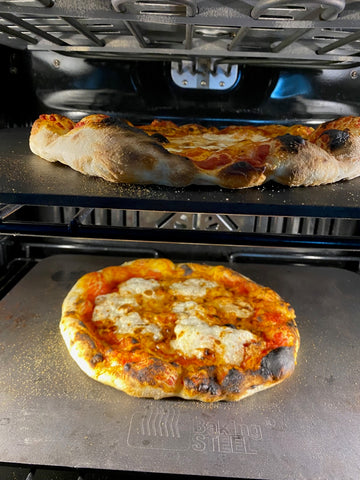
Credit: bakingsteel.com
Frequently Asked Questions
Which Oven Setting For Homemade Pizza?
Set your oven to the highest temperature, around 475-500°F (245-260°C). Use the bake setting with a pizza stone or steel for a crispy crust. Preheat the oven fully before baking. Bake pizza for 10-15 minutes until the crust is golden and cheese bubbles.
Should I Bake Pizza At 400 Or 450?
Bake pizza at 450°F for a crispier crust and better texture. Use 400°F for thicker or deep-dish pizzas. Preheat the oven and use a pizza stone for best results.
What Is The Best Temperature To Cook A Pizza In A Home Oven?
Set your home oven to 475°F to 500°F for the best pizza crispiness and even cooking. Preheat thoroughly. Use a pizza stone or steel for a crisp crust. Bake 10-15 minutes until cheese bubbles and crust turns golden brown.
What Setting Is Best For Pizza?
Set your oven to 475°F to 500°F using the bake mode. Preheat with a pizza stone for a crispy crust.
Conclusion
Choosing the right oven setting makes all the difference in pizza quality. High heat crisps the crust and melts cheese perfectly. Using a pizza stone or steel helps cook the base evenly. Avoid adding too many toppings to keep the crust from getting soggy.
Watch your pizza closely to catch the golden-brown finish. Small changes in temperature can change the taste and texture. With these tips, you can bake delicious pizza at home every time. Enjoy your pizza journey with confidence and simple oven tricks.

As the author of the “Ultimate Pizza Guide: Recipes, Tips & Secrets Revealed,” I’m dedicated to sharing my love for pizza and empowering others to create delicious homemade pizzas with ease. Join me on a journey to uncover the secrets to perfecting your pizza game!


