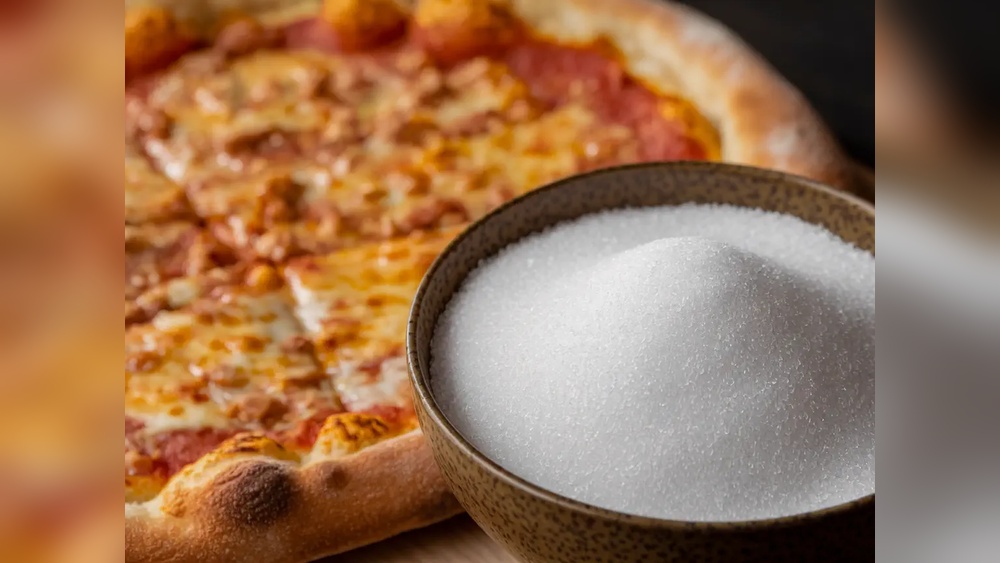
Have you ever wondered why some breads and pastries develop that perfect golden-brown crust while others stay pale and dull? The secret often lies in one simple ingredient: sugar.
But does sugar in your dough really affect browning, or is it just about sweetness? Understanding how sugar works during baking can transform your results, giving you that rich color and irresistible crust you crave. You’ll discover exactly how sugar influences browning, why it matters for your baking, and how to adjust your recipes to get the perfect crust every time.
Ready to unlock the science behind beautiful, golden baked goods? Let’s dive in.

Credit: www.youtube.com
Sugar’s Role In Dough
Sugar plays several important roles in dough beyond just adding sweetness. It influences the dough’s flavor, texture, and appearance. Understanding sugar’s role helps bakers control the final product’s qualities. Sugar affects how dough rises, browns, and feels after baking.
Sweetness And Flavor
Sugar gives dough its sweet taste. Different sugars, like honey or molasses, add unique flavors. These flavors deepen as the dough bakes. Sugar also balances other strong tastes in the dough.
Feeding The Yeast
Yeast uses sugar as food to grow and produce gas. This gas makes the dough rise and become fluffy. Some yeast can also break down flour starch for energy. More sugar can speed up yeast activity but may slow it if too much is present.
Tenderizing The Crumb
Sugar weakens gluten strands in the dough. This action softens the dough’s structure. The result is a tender, fine crumb inside the baked good. Too little sugar makes the crumb firmer and denser.
Moisture Retention
Sugar attracts and holds water in the dough. This helps keep baked goods moist and fresh longer. It prevents them from drying out quickly. Moisture retention also improves the softness of the final product.
Impact On Dough Texture
Sugar makes the dough stickier and softer. This change requires careful handling during mixing and shaping. The dough becomes less stretchy because sugar interferes with gluten development. Adjustments in kneading or proofing times may be needed.
How Sugar Influences Browning
Sugar plays a key role in the browning of dough during baking. It affects how the crust develops color and flavor. Understanding sugar’s impact helps create better baked goods. The browning depends on how sugar interacts with heat and other dough ingredients.
Caramelization Process
Caramelization is the breakdown of sugar under heat. It starts around 320°F (160°C). Sugar melts and changes color from clear to golden brown. This process adds a rich, sweet flavor and an attractive crust color. More sugar in dough leads to stronger caramelization effects.
Maillard Reaction And Sugar
The Maillard reaction happens between sugars and proteins. It begins at lower temperatures than caramelization. This reaction creates complex flavors and a brown crust. Sugar speeds up the Maillard reaction by providing more reactants. It also helps produce a glossy, appetizing finish on baked goods.
Effect Of Sugar Quantity
The amount of sugar changes browning intensity. Small sugar amounts cause light browning. Large amounts produce a dark, deep crust. Too much sugar can burn the crust quickly. Bakers balance sugar to get the desired color and taste. The type of sugar also influences browning speed and color.
Temperature And Browning
Temperature controls how fast sugar browns. Higher heat speeds both caramelization and Maillard reactions. Baking at low temperatures slows browning and crust development. High temperatures create a darker, crispier crust faster. Proper temperature helps avoid burning while achieving perfect browning.
Adjusting Recipes For Sugar Levels
Adjusting sugar levels in dough requires careful recipe tweaks. Sugar does more than sweeten. It affects texture, yeast activity, and crust color. Changing sugar amounts changes dough behavior. Bakers must balance sweetness, rise, and browning. Understanding these factors helps improve baking results.
Using Different Types Of Sugar
White sugar is common for sweetness and browning. Brown sugar adds moisture and richer flavor. Honey and maple syrup create deep color and complex taste. Each sugar type changes dough texture and crust color. Choose sugar based on desired sweetness and crust appearance.
Modifying Yeast And Proofing Time
Sugar feeds yeast but also slows fermentation by competing for water. Reducing sugar may speed up proofing. Increasing sugar may require more yeast or longer proofing. Adjust yeast amount and proofing time to keep dough rise consistent. Watch dough closely during fermentation changes.
Balancing Texture And Sweetness
More sugar makes dough softer and stickier. Less sugar leads to firmer, drier dough. Sugar weakens gluten, creating a tender crumb. Adjust flour and liquid to balance dough feel. Taste dough to ensure sweetness matches recipe goals.
Effects Of Reducing Sugar
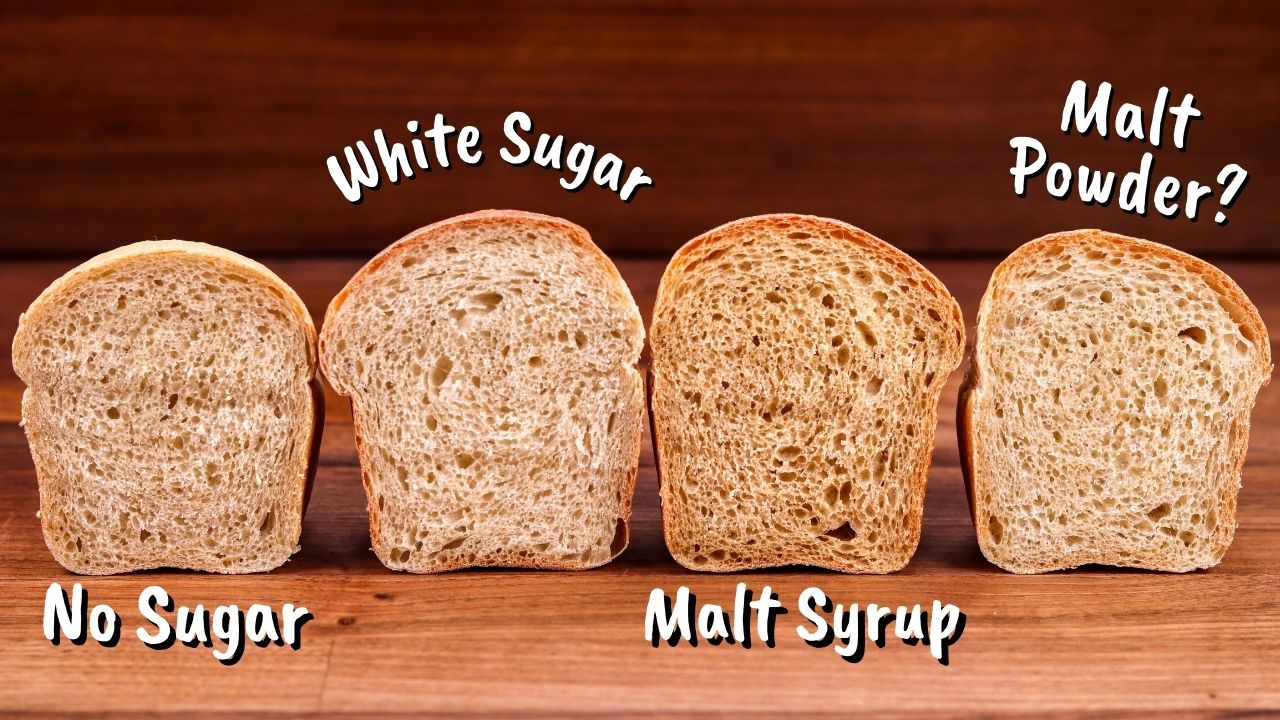
Cutting sugar lowers sweetness and slows browning. Crust may be paler and less caramelized. Dough may rise faster and feel stiffer. Moisture retention decreases, causing quicker staling. Compensate by adjusting yeast, proofing, or adding moisture sources.

Credit: www.reddit.com
Common Misconceptions
Many bakers believe sugar only makes dough sweet and helps it brown. These ideas miss other important effects sugar has in dough. Understanding these common myths helps improve baking results.
Sugar impacts dough in ways beyond taste and color. It affects dough rising, gluten structure, and texture. Clarifying these points can lead to better bread and pastry outcomes.
Sugar And Dough Rising
People often think sugar only feeds yeast to make dough rise faster. Yeast can also use flour starch for energy. Sugar does provide food for yeast, but it can slow fermentation by holding water away from yeast.
Too much sugar can make dough rise slower, not faster. Bakers sometimes add more yeast or increase proofing time when sugar is high. Sugar balances yeast activity, not just speeds it up.
Sugar’s Influence On Gluten
Many assume sugar does not affect gluten development. Sugar actually weakens gluten by pulling water away from flour. This makes dough softer and less elastic.
Less gluten strength means a finer, more tender crumb in baked goods. Sugar’s water absorption changes dough structure, creating a delicate texture instead of a tough one.
Sticky Vs. Stretchy Dough Explained
Sticky dough often confuses bakers who expect it to be stretchy. Sugar makes dough stickier by attracting water and softening gluten. This reduces dough’s stretchiness.
Sticky dough needs gentle handling and sometimes more flour. Stretchy dough has stronger gluten and less sugar. Knowing this difference helps handle dough properly during shaping.
Practical Tips For Bakers
Baking bread or pastries with the right browning can be tricky. Sugar in dough plays a key role in color and crust development. Practical tips help bakers control this process easily. Understanding sugar types and baking methods improves results and avoids common mistakes.
Choosing Sugars For Desired Browning
Different sugars create different browning effects. White sugar caramelizes quickly, giving a light golden crust. Brown sugar adds moisture and deeper color because of its molasses content. Honey and maple syrup create rich flavors and darker crusts. Bakers should select sugar based on the final look and taste they want.
Optimizing Baking Temperature
Temperature affects how sugar browns in dough. Higher heat speeds caramelization but can burn the crust. Lower heat may slow browning and create pale crusts. Setting the oven between 350°F and 375°F usually works well. Adjust time and temperature to get even, golden color without burning.
Monitoring Dough Consistency
Sugar changes dough texture by making it softer and sticky. Too much sugar can weaken gluten, causing flat or dense bread. Dough must be firm enough to hold shape but soft enough to rise well. Check dough feel before baking and adjust flour or liquid if needed for best browning and texture.
Troubleshooting Browning Issues
Light or uneven browning often signals sugar or oven problems. If crust is pale, try adding a small amount of sugar or increasing baking time slightly. Dark spots may come from uneven heat or too much sugar on the surface. Rotate pans during baking and use an oven thermometer to ensure steady heat.
Credit: www.chainbaker.com
Frequently Asked Questions
How Does Sugar Affect Browning?
Sugar promotes browning by caramelizing during baking, creating a darker crust. It also speeds the Maillard reaction, enhancing color and flavor.
What Is The Effect Of Sugar On Dough?
Sugar sweetens dough, feeds yeast to aid rising, tenderizes gluten for softness, retains moisture, speeds browning, and makes dough stickier.
What Happens If I Put Too Much Sugar In My Dough?
Too much sugar in dough slows yeast fermentation, making it rise slower. It also creates a stickier, softer dough and causes excessive browning or burning during baking.
What Happens If You Don’t Put Sugar In Dough?
Omitting sugar in dough reduces sweetness and slows yeast activity. The crust browns less, and texture becomes firmer and less tender. Dough may need longer rising time and adjustments for moisture and softness.
Conclusion
Sugar plays a key role in how dough browns during baking. It helps create a rich, golden crust by caramelizing under heat. Adding sugar also changes dough texture, making it softer and sweeter. Bakers should adjust yeast and proofing time when using sugar.
Reducing sugar means less browning and a different crumb. Understanding sugar’s effects helps improve your baking results. Try small changes to see how sugar affects your bread’s look and taste. Simple tweaks can make a noticeable difference in crust color and flavor.

As the author of the “Ultimate Pizza Guide: Recipes, Tips & Secrets Revealed,” I’m dedicated to sharing my love for pizza and empowering others to create delicious homemade pizzas with ease. Join me on a journey to uncover the secrets to perfecting your pizza game!