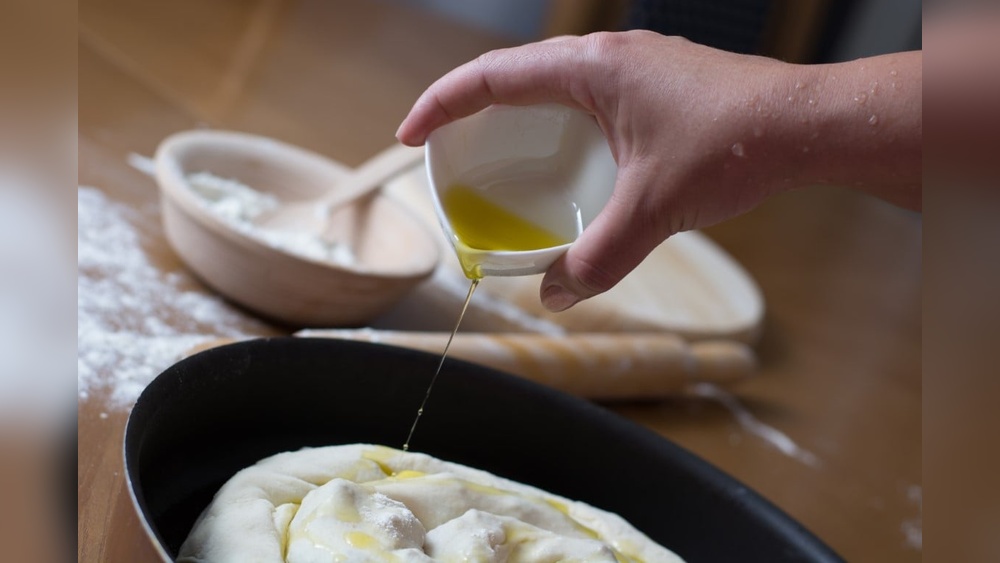
When you’re making dough, the type of oil you choose can change everything—from texture to taste. You might be wondering: should you go with olive oil or vegetable oil?
Each has its own unique qualities that affect your dough in different ways. Knowing which one to pick can elevate your baking and bring your recipes to life. You’ll discover the real differences between olive oil and vegetable oil in dough, and how making the right choice can transform your homemade bread, pizza, or pastries.
Ready to find out which oil suits your baking style best? Let’s dive in!
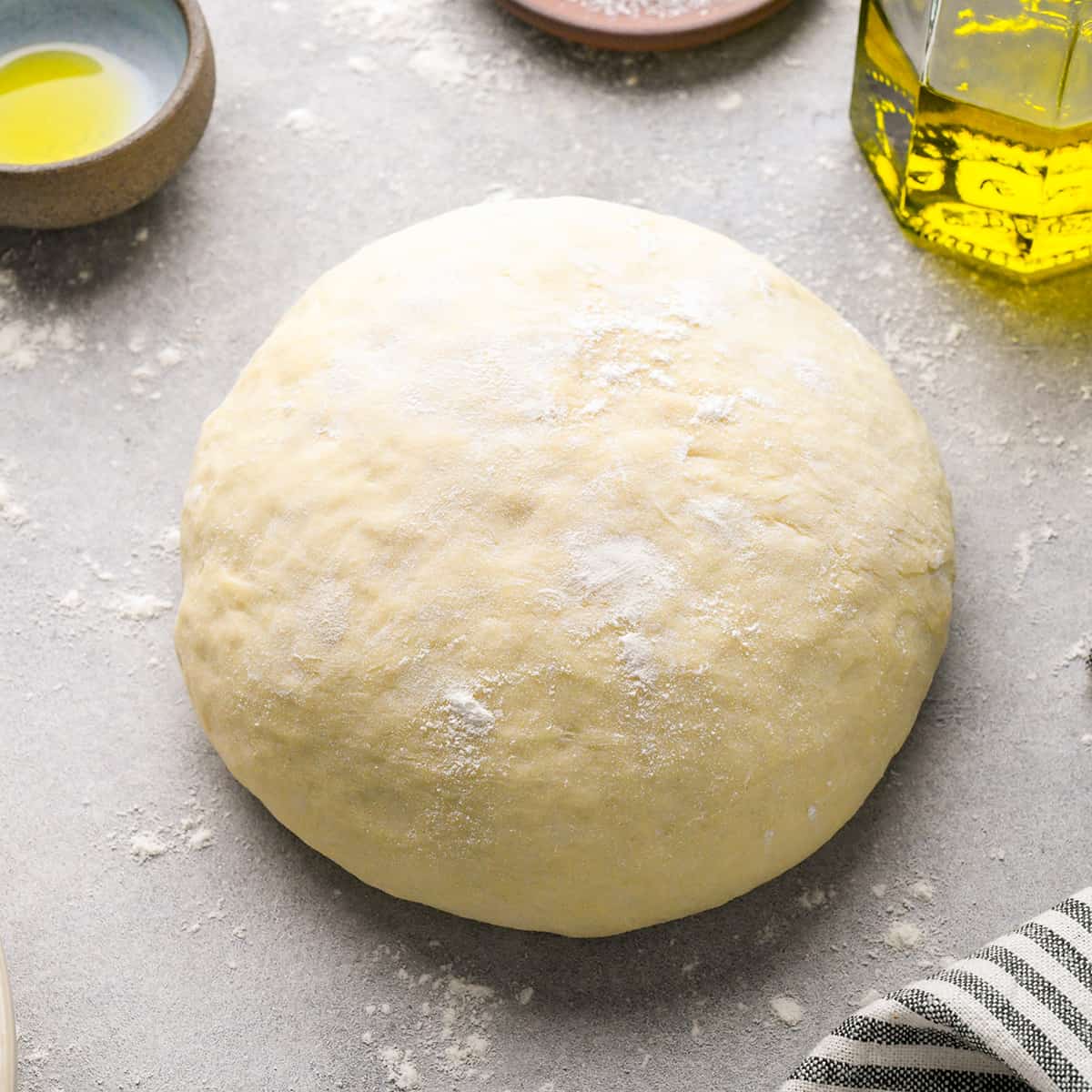
Credit: joyfoodsunshine.com
Flavor Profiles
Understanding the flavor profiles of olive oil and vegetable oil helps choose the right one for dough recipes. Each oil brings a distinct taste that changes the dough’s final flavor. This section explains how their flavors differ and affect your baked goods.
Taste Of Olive Oil
Olive oil has a rich, fruity taste. It often carries a slightly peppery or grassy note. This oil adds depth and a subtle bitterness to the dough. The flavor can be strong, especially with extra virgin olive oil. It works well in breads and doughs where a bold taste is welcome.
Taste Of Vegetable Oil
Vegetable oil has a very mild and neutral flavor. It is usually made from soy, corn, or sunflower seeds. This oil does not interfere with other flavors in the dough. It lets the natural taste of the flour and other ingredients shine through. Vegetable oil is a safe choice for delicate doughs.
Impact On Dough Flavor
Olive oil enriches dough with a unique and complex flavor. It pairs nicely with herbs, garlic, and savory toppings. The oil’s taste becomes part of the bread’s character. Vegetable oil keeps the dough’s flavor simple and clean. It helps create a soft texture without changing the taste. Choosing between the two depends on the desired flavor in your baked goods.
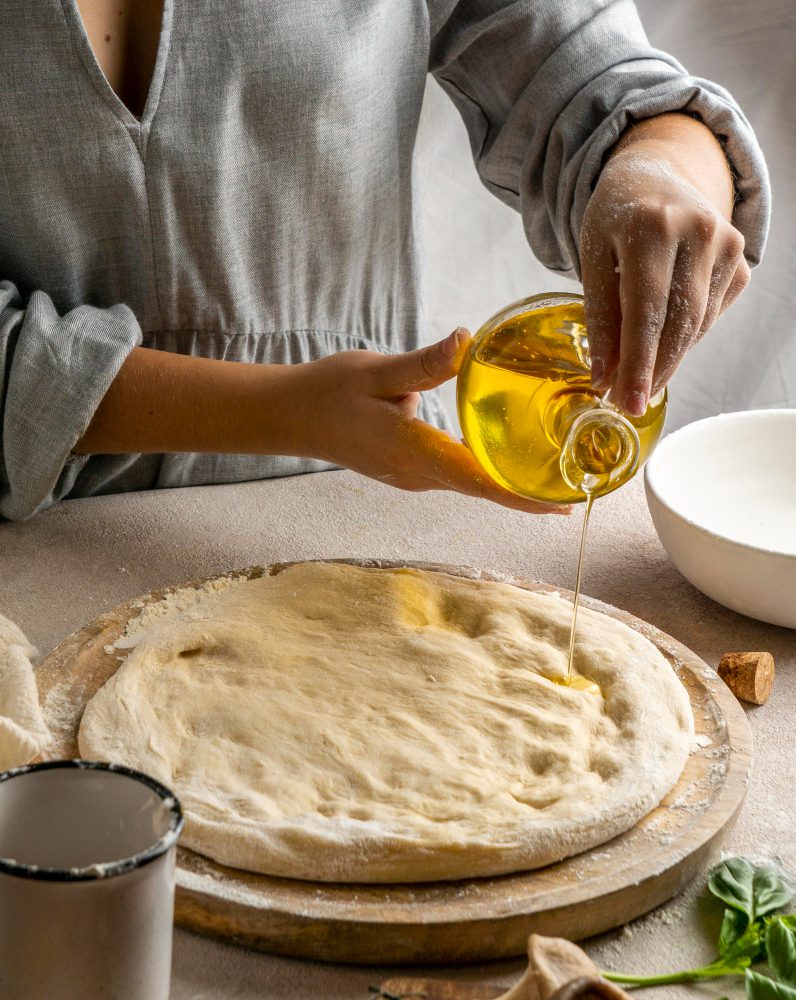
Credit: www.saffola.in
Smoke Points And Baking
Understanding the smoke points of olive oil and vegetable oil helps improve baking results. Smoke point is the temperature at which oil starts to burn. This affects dough texture, flavor, and how the baked goods cook. Choosing the right oil keeps dough moist without burning or tasting bitter. Let’s explore how these oils compare in baking.
Smoke Point Comparison
Vegetable oil usually has a higher smoke point than olive oil. Most vegetable oils smoke around 400°F (204°C) to 450°F (232°C). Extra virgin olive oil smokes at about 375°F (190°C). Refined olive oil can handle higher heat, near 465°F (240°C). This makes vegetable oil safer for high-heat baking and frying. Olive oil’s lower smoke point means it may burn faster at high temperatures.
Effects On Cooking Process
Oils with a high smoke point do not break down quickly. Vegetable oil keeps dough stable during baking or frying. Olive oil may start to smoke and lose flavor if the oven is too hot. Burnt oil affects dough taste and can create unwanted bitterness. Olive oil’s flavor changes with heat, adding richness but risking a burnt taste if overheated.
Best Uses In Baking
Vegetable oil works well for recipes needing neutral flavor and high heat. It suits bread, muffins, and cakes baked at higher temperatures. Olive oil adds a fruity, slightly peppery taste to dough. It is great for focaccia, pizza, and Mediterranean breads. Use olive oil for moderate baking temperatures or as a finishing touch after baking.
Health Benefits
Choosing the right oil for dough can affect your health. Both olive oil and vegetable oil offer different benefits. Knowing their health impacts helps you decide which is better for your recipes.
Nutritional Aspects Of Olive Oil
Olive oil is rich in monounsaturated fats. These fats support heart health and reduce bad cholesterol. It also contains antioxidants that fight inflammation. Olive oil has vitamins E and K, which help skin and bones. Using olive oil in dough adds healthy fats and subtle flavor.
Nutritional Aspects Of Vegetable Oil
Vegetable oil often contains polyunsaturated fats. These fats can help lower cholesterol but may oxidize when heated. Some vegetable oils have omega-6 fatty acids, which need balance with omega-3s. Many vegetable oils lack antioxidants and vitamins. Refined vegetable oils have a neutral taste, good for flavor-neutral dough.
Choosing Healthier Options
Pick oils based on fat type and cooking method. Olive oil suits low to medium heat baking and adds nutrients. Vegetable oil works for higher heat but may lack nutrients. Use extra virgin olive oil for best health benefits. Balance oils in your diet for overall wellness. Consider flavor and health to improve your dough recipes.

Credit: www.amazon.com
Texture And Dough Performance
Choosing between olive oil and vegetable oil can change how your dough feels and behaves. The texture and performance of dough depend a lot on the type of oil used. Each oil impacts the dough’s elasticity, moisture levels, and the final crumb and crust. Understanding these differences helps in making better bread, pizza, or pastry.
Influence On Dough Elasticity
Olive oil tends to make dough more flexible and soft. It coats the gluten strands, allowing them to stretch without breaking. This gives a pleasant chewiness in breads and pizza crusts. Vegetable oil also softens dough but usually results in less stretch. It creates a smoother dough but can feel a bit denser. The choice of oil affects how easy the dough is to shape and how it rises.
Moisture Retention
Olive oil helps lock moisture inside the dough better than vegetable oil. This keeps baked goods moist for longer periods. It reduces dryness and crumbly textures. Vegetable oil can also retain moisture but may not keep it as well over time. Using olive oil often leads to a fresher taste and texture after baking and storing.
Crumb And Crust Differences
Dough made with olive oil often has an open, airy crumb structure. The crust tends to be crisp yet tender, adding a nice bite. Vegetable oil usually creates a tighter crumb with a softer crust. This can be good for softer breads or cakes. The oil’s flavor also changes the crust’s taste; olive oil adds a rich, fruity note while vegetable oil stays neutral.
Cost And Availability
Cost and availability are key factors when choosing between olive oil and vegetable oil for dough. They affect your budget and ease of finding the oil. Both oils vary in price and where you can buy them. Understanding these differences helps in making smart choices for baking.
Price Comparison
Vegetable oil is usually cheaper than olive oil. It costs less per liter and is more budget-friendly for large batches. Olive oil, especially extra virgin, tends to be pricier due to its production process. The price difference can be significant for frequent bakers.
Common Varieties
Vegetable oil includes blends from soy, corn, or sunflower seeds. These oils have a neutral flavor and work well in many dough recipes. Olive oil comes in extra virgin, virgin, and refined types. Extra virgin offers strong flavor, while refined is milder and better for high heat.
Accessibility For Home Bakers
Vegetable oil is found in almost every grocery store. It is easy to buy in many sizes, from small bottles to large containers. Olive oil is also widely available but may be less common in low-cost stores. Specialty stores and supermarkets usually carry several types of olive oil.
Pairing With Recipes
Choosing the right oil for dough can change the taste and texture of your baked goods. Oils affect how dough feels and how it cooks. Some oils add flavor, while others stay neutral. Pairing oil with the right recipe helps create better results in the kitchen.
Understanding which oil to use helps you bake dough that fits your dish perfectly. Olive oil and vegetable oil each have their own strengths. Knowing when to use each oil makes baking easier and more delicious.
Olive Oil In Savory Doughs
Olive oil adds a rich, fruity flavor to savory doughs. It works well in breads, focaccia, and pizza crusts. The oil creates a tender texture and helps the dough brown nicely. Its strong taste pairs well with herbs, garlic, and cheese. Use olive oil to enhance the flavor of your savory recipes.
Vegetable Oil In Sweet Doughs
Vegetable oil has a light, neutral flavor. It is perfect for sweet doughs like cakes, muffins, and cookies. This oil does not change the taste of your baked goods. It helps keep sweet doughs moist and soft. Choose vegetable oil when you want the focus on sugar and spices.
When To Choose Each Oil
Pick olive oil for doughs that need extra flavor and richness. Use it in savory breads or recipes with herbs and spices. Choose vegetable oil for sweeter doughs or when you want a mild taste. Consider the recipe’s flavor and texture needs before selecting your oil.
Substitution Tips
Choosing between olive oil and vegetable oil in dough recipes can affect taste and texture. Substitution tips help maintain the dough’s quality while adapting the recipe to what you have. Small changes make a big difference in baking results.
Replacing Vegetable Oil With Olive Oil
Use the same amount of olive oil as vegetable oil in your dough. Olive oil has a stronger taste, so expect a richer flavor. Light or extra virgin olive oil works best for baking. Avoid very strong or flavored olive oils to keep balance.
Olive oil adds moisture and softness to dough. It also improves browning during baking. Test small batches first to see how the flavor changes your recipe.
Replacing Olive Oil With Vegetable Oil
Vegetable oil is neutral in flavor and lighter than olive oil. Swap olive oil with equal parts vegetable oil in dough recipes. This change reduces the olive oil’s fruity taste. It creates a milder dough flavor, suitable for sweet or plain breads.
Vegetable oil can make dough slightly softer but less flavorful. Use refined vegetable oil for a higher smoke point in baking. This substitution is good for delicate doughs that need a neutral oil.
Adjusting For Flavor And Texture
Adjust dough moisture by adding a teaspoon of oil less or more. Olive oil may require less oil because of its richness. Vegetable oil may need a bit more for softness.
Consider the dough’s final use. Olive oil suits Mediterranean and savory breads. Vegetable oil works well in cakes or pastries needing a light taste. Taste and texture change with each oil, so experiment carefully.
Frequently Asked Questions
Can I Use Olive Oil Instead Of Vegetable Oil For Dough?
Yes, you can use olive oil instead of vegetable oil in dough. Olive oil adds a distinct flavor and works well in most recipes. Choose mild or extra-virgin olive oil based on taste preference. Avoid using it for high-heat frying due to its lower smoke point.
Which Oil Is Best For Dough?
Extra-virgin olive oil is best for dough, offering great flavor and health benefits. Use vegetable or avocado oil for high-heat frying.
Can I Use Olive Oil Instead Of Vegetable Oil In Play Dough?
Yes, you can use olive oil instead of vegetable oil in play dough. Olive oil may add a slight flavor.
Is Vegetable Oil Or Olive Oil Better For Pizza Dough?
Extra-virgin olive oil enhances pizza dough with rich flavor and better browning. Vegetable oil offers a neutral taste and higher smoke point. Use olive oil for taste; choose vegetable oil for high-heat baking or neutral flavor.
Conclusion
Choosing between olive oil and vegetable oil in dough depends on your taste and cooking method. Olive oil adds a rich, fruity flavor to your dough. Vegetable oil keeps the dough neutral and lighter in taste. For baking at high heat, vegetable oil’s higher smoke point works better.
Olive oil suits recipes where its flavor can shine. Both oils affect texture and moisture differently. Experiment to find what fits your recipe best. Simple swaps can change your dough’s taste and feel. Try both and enjoy baking with your favorite oil!

As the author of the “Ultimate Pizza Guide: Recipes, Tips & Secrets Revealed,” I’m dedicated to sharing my love for pizza and empowering others to create delicious homemade pizzas with ease. Join me on a journey to uncover the secrets to perfecting your pizza game!