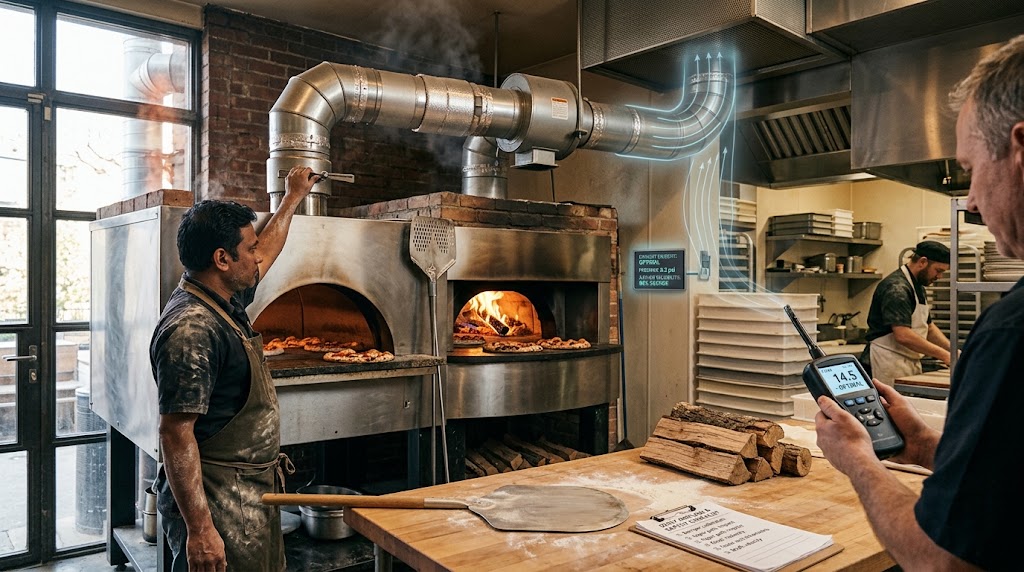
The consistent performance of a pizza oven hinges on a critical, often overlooked element: airflow reliability. This isn’t just about getting smoke out; it’s about precisely controlling the combustion process, maintaining optimal temperatures, and ensuring the consistent production of perfectly cooked pizzas. From the roaring wood-fired ovens that define Neapolitan tradition to the sophisticated gas-powered units found in high-volume pizzerias, understanding and managing exhaust airflow is paramount. Unreliable airflow can lead to a cascade of problems, including inefficient fuel consumption, uneven cooking, excessive smoke, and even safety hazards.
Achieving reliable airflow requires a deep understanding of the forces at play, chimney height, diameter, draft, ambient weather conditions, and the specific design of the oven itself. For commercial operations, where consistency and speed are non-negotiable, a well-engineered exhaust system is not a luxury but a fundamental necessity.
This article will explore the multifaceted aspects of pizza oven exhaust airflow reliability, from the scientific principles governing it to practical strategies for ensuring its consistent performance. We will examine the components of an effective exhaust system, common challenges and their solutions, and the impact of airflow on cooking results and operational efficiency.
Key Takeaways
- Draft is King: The primary driver of reliable airflow is achieving consistent chimney draft, which is influenced by temperature, height, and diameter.
- Component Integrity: All parts of the exhaust system, from the oven opening to the chimney cap, must be well-maintained and free from obstructions.
- Environmental Factors: External conditions like wind and barometric pressure can significantly impact airflow and require mitigation strategies.
- Oven Design Matters: The internal design of the oven, particularly the dome shape and vent placement, directly influences how effectively air circulates and exhausts.
- Fuel Type Impact: Different fuels (wood, gas) have varying combustion rates and produce different exhaust volumes, necessitating tailored exhaust solutions.
- Maintenance is Crucial: Regular cleaning and inspection of the exhaust system are vital for preventing blockages and ensuring consistent performance.

Credit: chicagobrickoven.com
Understanding The Science Of Draft In Pizza Ovens
The heart of reliable pizza oven airflow lies in the concept of draft. Draft is the pressure difference that causes air to flow through the oven and up the chimney. It’s a fundamental principle of combustion, driven by the difference in density between the hot exhaust gases inside the chimney and the cooler ambient air outside. This difference in density creates a lower pressure at the base of the chimney, drawing fresh air into the oven for combustion and pushing the exhaust gases upward.
How Draft Is Generated
Draft is primarily generated by two forces: thermal buoyancy and wind-induced draft.
- Thermal Buoyancy: This is the most significant factor in most pizza oven designs. Hot exhaust gases are less dense than the surrounding cooler air. As these gases rise within the chimney, they create a column of lower pressure. This pressure differential pulls fresh air into the oven’s combustion chamber to sustain the fire. The greater the temperature difference between the exhaust gases and the ambient air, and the taller the chimney, the stronger the thermal draft.
- Wind-Induced Draft: Wind blowing across the top of the chimney can create a Venturi effect, lowering the pressure at the chimney exit. This can either enhance or disrupt the natural thermal draft, depending on wind direction and velocity. A well-designed chimney cap can help mitigate negative impacts from wind.
Factors Influencing Draft Strength
Several variables critically influence the strength and consistency of the draft, directly impacting airflow reliability:
- Chimney Height: Taller chimneys generally produce a stronger draft because they allow for a greater column of hot gases to build up, increasing the pressure differential. However, excessive height can sometimes lead to over-drafting, where too much heat is lost, making it difficult to maintain optimal cooking temperatures.
- Chimney Diameter: The diameter must be appropriately sized for the oven’s combustion volume. Too small a diameter can restrict the flow of exhaust gases, leading to backdrafting and smoke spillage. Too large a diameter can reduce the velocity of the gases, weakening the draft. A common rule of thumb is that the chimney diameter should be roughly proportionate to the oven’s opening or the size of the combustion chamber.
- Temperature of Exhaust Gases: The hotter the gases, the less dense they are, and the stronger the draft. This is why it’s easier to achieve good draft once a pizza oven is fully heated. Cold starts can be problematic for airflow.
- Ambient Air Temperature and Barometric Pressure: Colder, denser ambient air creates a stronger draft. Higher barometric pressure can also increase draft. Conversely, warm, humid days with low barometric pressure can significantly reduce draft, leading to performance issues.
- Obstructions: Any blockage within the chimney or oven flue, such as creosote buildup, debris, or even bird nests, will severely impede airflow and reduce draft.
Understanding these principles is the first step toward ensuring reliable airflow. It highlights that airflow isn’t a passive phenomenon but a dynamic interplay of forces that must be managed.

Credit: marraforni.com
Essential Components Of A Reliable Exhaust System
A pizza oven’s exhaust system is more than just a chimney; it’s an integrated network of components designed to manage combustion gases effectively. Each part plays a crucial role in ensuring consistent and safe operation.
The Oven Mouth And Flue Transition
The oven mouth is where fresh air enters for combustion and where exhaust gases initially exit. Its size and shape are critical. A mouth that is too large relative to the oven’s internal volume can lead to poor heat retention and difficulty establishing a strong draft. The transition from the oven’s combustion chamber to the flue or chimney base must be smooth to avoid turbulence and airflow restrictions.
The Chimney Or Vent Pipe
This is the vertical conduit responsible for carrying exhaust gases away from the oven.
- Material: Chimneys can be constructed from various materials, including brick, stainless steel, or specialized refractory materials. Stainless steel is common for commercial applications due to its durability and resistance to corrosion. The material must withstand high temperatures and the corrosive nature of combustion byproducts.
- Insulation: For wood-fired ovens, especially those with longer horizontal flue runs before the vertical chimney, insulation is vital. An insulated chimney maintains the temperature of the exhaust gases, preserving thermal buoyancy and thus the draft. Uninsulated pipes lose heat rapidly, weakening the draft.
- Height and Diameter: As discussed previously, these dimensions are critical for establishing and maintaining adequate draft. Manufacturers typically provide specifications for optimal chimney height and diameter based on the oven’s size and intended use.
The Damper (optional But Recommended)
A damper is a movable plate or valve within the chimney that allows the user to control the size of the flue opening.
- Purpose: Dampers are invaluable for fine-tuning airflow. They can be used to:
- Reduce over-drafting on windy days or when the oven is very hot.
- Help retain heat when the oven is not in use or during initial heat-up.
- Prevent excessive cold air infiltration when the oven is cold.
- Types: Common types include throat dampers (located within the fireplace or chimney base) and rotary dampers (often found in metal chimneys).
- Reliability: A damper must operate smoothly and be able to be secured in place. A stuck or poorly functioning damper can severely compromise airflow control.
The Chimney Cap
The chimney cap sits atop the chimney and serves several crucial functions:
- Weather Protection: It prevents rain, snow, and debris from entering the chimney, which could cause blockages or corrosion.
- Animal Deterrent: A well-designed cap with mesh can prevent birds and other animals from nesting inside.
- Wind Deflection: Some caps are designed to minimize the downdraft effect caused by strong winds, helping to stabilize airflow. A common design is a wind-resistant chimney cap that incorporates features to direct wind away from the flue opening.
Connection Points And Seals
All joints and connection points between the oven, flue pipe, and chimney must be properly sealed. Gaps can allow uncontrolled air infiltration, which disrupts the intended airflow path, reduces draft, and can lead to smoke leaks into the cooking or surrounding area.
High-temperature sealant or refractory cement is typically used for these seals.
Ensuring each of these components is correctly sized, installed, and maintained is fundamental to achieving reliable exhaust airflow.
Common Airflow Challenges And Troubleshooting
Even with a well-designed system, pizza oven operators can encounter airflow issues. Understanding these common problems and their solutions is key to maintaining optimal performance.
Smoke Spillage (backdrafting)
This is perhaps the most noticeable and problematic airflow issue, where smoke fails to exit the chimney and spills out of the oven mouth.
- Causes:
- Insufficient Draft: The primary culprit. This can stem from a chimney that is too short, too narrow, or not hot enough.
- Cold Oven/Chimney: During initial heat-up, the exhaust gases are not hot enough to generate sufficient thermal buoyancy.
- Obstructions: Blockages in the flue or chimney.
- Wind Issues: Strong downdrafts caused by wind can push smoke back into the oven.
- Oven Door Too Large: An oversized oven opening can make it difficult for the draft to pull all the smoke up the chimney, especially during cooler periods.
- Poorly Designed Flue Transition: Turbulence at the entry to the chimney.
- Solutions:
- Preheat Thoroughly: Ensure the oven and chimney are fully heated before significant cooking.
- Increase Chimney Height: If feasible, extending the chimney can improve draft.
- Check for Blockages: Regularly inspect and clean the flue and chimney.
- Use a Damper: Partially close the damper to restrict cold air infiltration and help the oven heat up faster, or adjust it to manage strong winds.
- Install a Wind-Resistant Cap: Helps prevent downdrafts.
- Consider a Smoke Ejector: For persistent issues in commercial settings, a small fan can be temporarily used to assist smoke removal during startup.
Over-drafting
This occurs when the draft is too strong, pulling too much air and heat out of the oven.
- Causes:
- Excessively Tall Chimney: The chimney is taller than necessary for the oven’s size and operating temperature.
- Very Cold Ambient Air: Creates a strong natural draft.
- High Wind Speeds: Can exacerbate the draft.
- Chimney Diameter Too Small: Increases gas velocity, potentially leading to excessive pull.
- Solutions:
- Use a Damper: Partially closing the damper is the most effective way to control over-drafting.
- Reduce Chimney Height: If possible and practical, though often not feasible for existing structures.
- Insulate the Chimney: Can help moderate the temperature differential slightly.
Inconsistent Temperature Fluctuations
Airflow directly impacts temperature stability. Unreliable airflow leads to unreliable temperatures.
- Causes:
- Intermittent Draft Issues: Draft strength varying due to wind, fuel load changes, or temperature fluctuations.
- Air Leaks: Uncontrolled air entering the oven can cool the cooking chamber unevenly.
- Poor Fuel Management: Inconsistent addition of fuel (especially wood) can lead to fluctuating fire intensity and thus airflow demands.
- Solutions:
- Maintain Consistent Fuel Feed: Especially critical for wood-fired ovens.
- Seal Air Leaks: Inspect oven door seals, refractory joints, and chimney connections.
- Ensure Stable Draft: Address any underlying issues causing draft inconsistency (e.g., obstructions, insufficient preheating).
- Use a Thermometer: Monitor internal temperatures closely and adjust fuel and airflow as needed.
Excessive Fuel Consumption
An inefficient combustion process due to poor airflow leads to wasted fuel.
- Causes:
- Under-Drafting: Incomplete combustion, where fuel doesn’t burn efficiently, producing more smoke and less heat.
- Over-Drafting: Excessive heat is lost up the chimney, requiring more fuel to maintain temperature.
- Air Leaks: Cold air diluting the hot combustion gases, requiring more fuel to compensate.
- Solutions:
- Optimize Draft: Aim for a balanced draft that supports complete combustion without excessive heat loss.
- Ensure Proper Air Inlet Control: If your oven has adjustable air vents, learn to use them effectively.
- Maintain System Integrity: Seal leaks and ensure the chimney is functioning optimally.
Troubleshooting airflow issues often requires a methodical approach, starting with the simplest potential causes like blockages and preheating, and moving towards more complex factors like chimney design and environmental influences.

Credit: www.hoodmart.com
Impact Of Airflow On Cooking Performance And Pizza Quality
The reliability of your pizza oven’s exhaust airflow directly translates into the quality and consistency of the pizzas you produce. It’s not just about smoke management; it’s about creating the perfect cooking environment.
Temperature Control And Consistency
- Achieving High Temperatures: For styles like Neapolitan pizza, extremely high temperatures (800-900°F or 425-480°C) are essential for achieving the characteristic puffy, charred crust (cornicione) and rapid cooking time (60-90 seconds). Reliable airflow ensures the fire burns hot and consistently, delivering the necessary heat. Over-drafting can make it difficult to maintain these extreme temperatures, while under-drafting results in insufficient heat.
- Even Heat Distribution: Proper airflow helps distribute heat evenly throughout the oven dome and cooking surface. This prevents hot spots and cold spots, ensuring the pizza cooks uniformly from the top and bottom. A well-functioning exhaust system facilitates the natural convection currents within the oven that are crucial for even cooking.
- Maintaining Heat: A stable draft and well-sealed system minimize heat loss, allowing the oven to retain its temperature between pizzas, which is critical for high-volume operations.
Crust Development And Texture
- Charring and Leopard Spotting: The intense, radiant heat delivered by a well-managed fire, facilitated by good airflow, is responsible for the desirable charring and “leoparding” (small, dark blisters) on the crust. This requires a hot, clean burn, which in turn needs sufficient oxygen supply and efficient exhaust.
- Moisture Evaporation: The controlled flow of air helps manage moisture within the oven. Too much moisture can lead to a soggy crust, while an overly aggressive draft might dry out the dough too quickly before it can properly cook. The ideal airflow balances heat delivery with moisture management.
Cooking Speed And Efficiency
- Rapid Cooking: High, consistent temperatures enabled by reliable airflow allow for the rapid cooking times characteristic of traditional pizza making. This is essential for pizzerias aiming for high throughput.
- Fuel Efficiency: As mentioned, optimized airflow leads to more efficient combustion, meaning less fuel is needed to reach and maintain desired temperatures. This translates directly to lower operating costs. An unreliable system that requires constant “fighting” to maintain temperature is inherently inefficient.
Smoke And Flavor
- Clean Burning: A well-functioning exhaust system ensures that the combustion process is clean, minimizing the production of acrid smoke. While wood-fired ovens impart a desirable smoky flavor, excessive or uncontrolled smoke can lead to an unpleasant taste.
- Flavor Infusion: The subtle smoky notes from burning wood are an integral part of the flavor profile for wood-fired pizzas. Reliable airflow ensures this flavor is imparted without overwhelming the pizza with harsh smoke.
Example: Consider two pizzerias, both using wood-fired ovens. Pizzeria A has a meticulously maintained chimney system with excellent draft. Their pizzas consistently cook in 90 seconds, featuring a perfectly puffed, leopard-spotted crust and a delicate smoky aroma. Pizzeria B struggles with smoke spillage and temperature fluctuations due to an aging, partially blocked flue. Their pizzas take longer to cook, the crust is unevenly baked, and the flavor is sometimes marred by bitterness from incomplete combustion. The difference lies largely in the reliability of their exhaust airflow.
Environmental Factors And Mitigation Strategies
External environmental conditions can significantly influence pizza oven exhaust airflow, posing challenges to achieving consistent performance. Proactive mitigation strategies are essential, particularly for commercial operations.
Wind Effects
Wind is a major variable that can disrupt airflow.
- Downdraft: Strong winds blowing directly across the chimney top can create a low-pressure zone that forces air and smoke *down* the chimney and into the oven. This is a common cause of smoke spillage.
- Updraft Augmentation/Reduction: Wind can also increase or decrease the natural draft, leading to temperature fluctuations. A sudden gust might temporarily increase the draft, while a lull might reduce it.
- Mitigation:
- Chimney Height and Location: Locating the chimney away from prevailing winds or higher than nearby obstructions can help.
- Wind-Resistant Chimney Caps: Specially designed caps, often with larger shrouds or angled cowls, can effectively deflect wind and prevent downdrafts. Examples include static dissipative caps or those with rotating elements, though simpler designs are often sufficient.
- Damper Control: A damper allows for manual adjustment to counteract wind-induced draft changes. Partially closing it can reduce excessive updraft or help resist downdraft.
- Oven Design: Ovens with a more enclosed front or a deeper hearth can offer some protection against wind effects at the oven mouth.
Ambient Temperature And Humidity
- Temperature: As discussed, colder ambient air increases the density difference between exhaust gases and the outside air, strengthening the draft. Conversely, very hot days reduce draft.
- Humidity: High humidity can slightly increase the density of ambient air, potentially aiding draft, but it also affects combustion efficiency and can contribute to creosote formation. It primarily impacts the *performance* of the fire more than the draft mechanics.
- Mitigation:
- Thorough Preheating: Crucial on hot days when draft is weaker. Ensure the oven and chimney are thoroughly saturated with heat.
- Fuel Management: On hot days, use drier, high-quality fuel that burns hotter.
- Damper Use: May need to be kept more open on cooler days to prevent over-drafting and partially closed on hotter days to maximize draft.
Barometric Pressure
- Effect: Changes in barometric pressure influence the overall air density. Lower barometric pressure (often associated with stormy weather) means less dense air, leading to a weaker draft. Higher pressure means denser air and a stronger draft.
- Mitigation:
- Adaptation: The most practical approach is to adapt cooking techniques and fuel management based on observed pressure changes. Be prepared for weaker draft on low-pressure days.
- System Tuning: Rely on dampers and careful fire management to compensate for pressure-induced draft variations.
Rain And Snow
- Cold Gas Ingress: Rain or snow falling into the chimney can cool the flue gases, temporarily weakening the draft. If significant amounts enter, it can also create steam or affect combustion.
- Blockages: Over time, debris washed down by rain or accumulated snow can contribute to blockages.
- Mitigation:
- Effective Chimney Cap: A well-fitting cap is the primary defense against rain and snow ingress.
- Regular Cleaning: Essential to remove any accumulated debris.
Mitigation Summary Table
| Environmental Factor | Primary Impact | Mitigation Strategies |
|---|---|---|
| **Wind** | Downdraft, draft fluctuations | Wind-resistant cap, damper control, chimney location, oven design |
| **Ambient Temp** | Draft strength (colder = stronger) | Thorough preheating, fuel quality, damper adjustment |
| **Humidity** | Combustion efficiency, draft (minor) | Use dry fuel, manage fire intensity |
| **Barometric Pressure** | Draft strength (lower = weaker) | Adapt fire management, utilize dampers, focus on thorough preheating |
| **Rain/Snow** | Flue cooling, potential blockages | Effective chimney cap, regular cleaning |
By understanding these environmental factors and implementing appropriate mitigation strategies, operators can significantly improve the reliability of their pizza oven’s airflow, regardless of external conditions.
Fuel Type And Its Influence On Airflow Requirements
The type of fuel used in a pizza oven has a direct impact on the combustion process and, consequently, the airflow requirements for optimal performance. Different fuels burn at different rates, produce varying amounts of heat, and generate different volumes and temperatures of exhaust gases.
Wood-fired Ovens
Wood is the traditional fuel, prized for the unique flavor it imparts. However, it presents the most complex airflow challenges.
- Combustion Characteristics: Wood burns in stages (drying, pyrolysis, char burning). It requires a significant amount of air for efficient combustion, especially during the initial stages and when adding new logs. The fire intensity can fluctuate based on the type of wood, its dryness, and how it’s arranged.
- Airflow Needs:
- High Initial Airflow: Needed to establish a strong fire.
- Sustained, Controlled Airflow: Required to maintain optimal temperature without excessive burning or smoke. This often involves managing the air intake into the oven and the draft up the chimney.
- Variable Draft: The draft needs to be robust enough to handle fluctuating fire intensity and large volumes of exhaust gases, especially when adding wood.
- Challenges: Inconsistent fuel quality (wet wood), improper stacking, and fluctuating fire temperatures make airflow management critical. Smoke spillage is common if the draft isn’t strong enough during refueling.
Gas-fired Ovens
Gas-fired ovens offer a more controlled and consistent combustion process compared to wood, but they still demand carefully managed airflow.
Combustion Characteristics: Gas burns cleanly and efficiently when the air-to-fuel ratio is properly calibrated. The combustion rate is steady and can be precisely adjusted via valves, producing a consistent flame and predictable heat output. However, gas ovens produce significant amounts of water vapor and require adequate oxygen for complete combustion.
Airflow Needs:
- Precise Air-to-Fuel Ratio: Gas burners require a specific ratio of air to gas for optimal combustion. Too little air results in incomplete combustion and carbon monoxide production; too much air wastes heat and can blow out the flame.
- Consistent Draft: While gas ovens are less susceptible to draft fluctuations than wood-fired ovens, they still require a reliable draft to safely vent exhaust gases, including carbon monoxide.
- Moderate Exhaust Volumes: Gas ovens generally produce less visible exhaust than wood ovens, but the exhaust can be hotter and more concentrated.
Challenges: Gas ovens are prone to issues if the exhaust system is undersized or blocked, as carbon monoxide can accumulate. Wind-induced downdrafts can also extinguish pilot lights or disrupt the flame.
Pellet-fired Ovens
Pellet ovens combine some characteristics of both wood and gas ovens.
Combustion Characteristics: Pellets are dense, dry, and uniform, providing a more consistent fuel source than traditional wood logs. They burn hot and efficiently, with automated feed systems regulating the combustion rate.
Airflow Needs:
- Forced Air Assistance: Many pellet ovens use a small fan to assist combustion and exhaust flow, making them less dependent on natural draft.
- Moderate Draft: Even with forced air, a properly functioning chimney is essential for safety and efficiency.
- Clean Exhaust Path: Pellet ovens produce fine ash that can accumulate in the flue, requiring regular cleaning.
Challenges: Power outages can disrupt forced-air systems, leading to smoke spillage. Ash buildup in the exhaust path is a common maintenance issue.
Comparative Summary
| Fuel Type | Combustion Consistency | Exhaust Volume | Draft Sensitivity | Maintenance Needs |
|---|---|---|---|---|
| Wood | Low–Moderate | High | High | High (creosote, ash) |
| Gas | High | Moderate | Moderate | Low–Moderate |
| Pellet | High | Moderate | Low–Moderate | Moderate (ash) |
Understanding the specific airflow requirements of your fuel type allows for more precise system design and operation, ensuring reliable performance and safety.
Maintenance And Inspection: Ensuring Long-Term Reliability
Even the most well-designed exhaust system will degrade over time without proper maintenance. For commercial pizza operations, where downtime is costly and safety is paramount, a proactive maintenance schedule is not optional—it is essential.
Routine Cleaning
Chimney and Flue: Creosote, soot, and ash accumulate over time, narrowing the flue and restricting airflow. For wood-fired ovens, creosote buildup is particularly dangerous, as it is highly flammable and can lead to chimney fires. Commercial wood-fired ovens should have their chimneys inspected and cleaned at least quarterly, or more frequently if used heavily.
Oven Interior: Ash and debris inside the oven can obstruct air pathways and affect combustion. Regular sweeping of the oven floor and removal of ash from the combustion chamber helps maintain proper airflow.
Chimney Cap and Spark Arrestor: These components can become clogged with debris, leaves, or bird nests. Inspect and clean them regularly, especially after storms or seasonal changes.
Inspection Checklist
A thorough inspection should cover:
- Chimney Structure: Look for cracks, corrosion, or loose joints that could allow air leaks or structural failure.
- Insulation Integrity: Damaged insulation reduces draft efficiency and increases fuel consumption.
- Damper Operation: Ensure the damper moves freely and can be locked in position. Lubricate moving parts as needed.
- Seals and Gaskets: Check oven door seals, flue connections, and all joints for gaps or deterioration. Replace worn seals promptly.
- Bird Nests and Blockages: Even a small nest can significantly impede airflow. Use a flashlight or camera to inspect the full length of the flue.
- Carbon Monoxide Detectors: For gas ovens, ensure CO detectors are functional and placed correctly. Test them regularly.
Professional Servicing
While daily and weekly cleaning can be handled in-house, annual professional servicing is recommended for commercial operations. A certified chimney sweep or HVAC technician can:
- Perform a deep cleaning of the entire exhaust system.
- Inspect for hidden damage or wear.
- Verify that the system meets current safety codes.
- Recommend upgrades or repairs to improve performance.
Maintenance Schedule Example
| Frequency | Task |
|---|---|
| Daily | Remove ash, check for obvious blockages, verify damper operation |
| Weekly | Inspect oven door seals, clean chimney cap, check for smoke spillage |
| Monthly | Inspect flue connections, test CO detectors, clean spark arrestor |
| Quarterly | Professional chimney cleaning (wood-fired), full system inspection |
| Annually | Professional servicing, code compliance check, insulation inspection |
A consistent maintenance routine not only ensures reliable airflow but also extends the lifespan of your oven, reduces fuel costs, and enhances safety for staff and customers.
Conclusion
The consistent performance of a pizza oven hinges on a critical, often overlooked element: airflow reliability. From the science of draft to the intricacies of component design, from environmental challenges to fuel-specific requirements, and from cooking performance to maintenance protocols, it is clear that exhaust airflow is not a peripheral concern but the very foundation of successful pizza oven operation.
Key Takeaways:
- Draft is King: Reliable airflow begins with consistent chimney draft, governed by temperature differentials, chimney height and diameter, and proper system design.
- Component Integrity: Every part of the exhaust system—from the oven mouth to the chimney cap—must be correctly sized, installed, sealed, and maintained.
- Environmental Awareness: Wind, temperature, humidity, and barometric pressure all influence airflow. Proactive mitigation strategies, such as wind-resistant caps and damper control, are essential.
- Fuel Matters: Wood, gas, and pellet ovens each have unique airflow requirements. Tailoring your exhaust system and operational practices to your fuel type ensures optimal performance.
- Maintenance is Non-Negotiable: Regular cleaning, inspection, and professional servicing prevent blockages, reduce safety risks, and sustain consistent airflow over time.
- Airflow Drives Quality: From crust development and leopard spotting to cooking speed and fuel efficiency, airflow directly impacts the quality and consistency of every pizza you produce.
For commercial pizzerias, where consistency and speed are non-negotiable, a well-engineered and meticulously maintained exhaust system is not a luxury—it is a fundamental necessity. By understanding the forces at play and implementing the strategies outlined in this article, operators can achieve the reliable airflow that underpins perfectly cooked pizzas, efficient operations, and a safe working environment.
Investing time and resources in airflow reliability is, ultimately, an investment in the heart of your pizza oven—and in the success of your pizzeria.

As the author of the “Ultimate Pizza Guide: Recipes, Tips & Secrets Revealed,” I’m dedicated to sharing my love for pizza and empowering others to create delicious homemade pizzas with ease. Join me on a journey to uncover the secrets to perfecting your pizza game!