“Pizza Dough Overproofing Signs”
Have you ever taken your pizza dough out of the fridge, only to find it looking strange—too puffy, wrinkly, or even sunken in the middle? You might be dealing with overproofed dough.
Knowing the signs of pizza dough overproofing can save you from a disappointing crust and wasted ingredients. In this post, you’ll learn exactly how to spot when your dough has gone too far and what simple tricks you can use to fix it.
Keep reading, and you’ll never have to toss out dough again or settle for less-than-perfect pizza!
Credit: www.youtube.com
Signs Of Overproofed Dough
Recognizing the signs of overproofed pizza dough is essential for great baking results. Overproofing happens when dough ferments too long, causing the gluten to weaken. This affects the dough’s structure and baking quality. Noticing these signs early can save your pizza from becoming flat or tough.
Poke Test Results
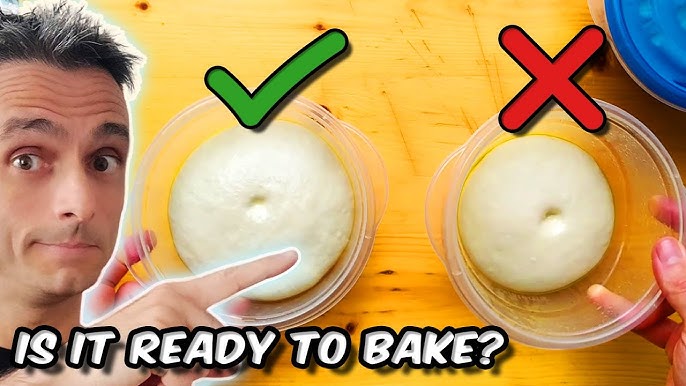
Gently press your finger into the dough’s surface. If the indentation stays and does not spring back, the dough is overproofed. Proper dough should bounce back slowly, leaving a small dimple. No bounce back means the dough has lost its strength.
Visual Changes
Overproofed dough often looks puffy or swollen. It may also appear deflated or sunken in the center. Large, irregular bubbles and a wrinkly surface are common signs. These visual clues show that the dough’s gas structure has broken down.
Texture And Feel
The dough feels slack and weak to the touch. It may be sticky or very soft, losing its usual elasticity. The texture can resemble a collapsed balloon, indicating that the gluten network is damaged. This makes the dough harder to work with.
Shaping Challenges
Try to shape the dough gently. Overproofed dough tears easily and loses its shape quickly. It may collapse or spread out instead of holding a tight form. This happens because the dough no longer has enough strength to stretch properly.
Smell Indicators
Overproofed dough often has a strong, sour, or alcoholic smell. This happens due to excess fermentation byproducts. A sharp or unpleasant odor means the dough has fermented too long and may affect the final flavor of your pizza.
Credit: www.reddit.com
Causes Of Overproofing
Overproofing happens when pizza dough ferments too long or under unsuitable conditions. This process weakens the dough’s structure and affects its texture and taste. Understanding the causes helps avoid overproofing and keeps dough perfect for baking.
Excessive Fermentation Time
Leaving dough to ferment for too long causes overproofing. Yeast consumes sugars and produces gas nonstop. The dough expands beyond its limit and then collapses. Timing is key to prevent the dough from becoming weak and overly airy.
Warm Environment Effects
Heat speeds up yeast activity and fermentation. A warm room or hot kitchen makes dough rise faster. Rapid fermentation can lead to overproofing if not checked. Cooler temperatures slow down yeast and help control the rise.
High Yeast Quantity
Using too much yeast causes the dough to ferment quickly. More yeast means faster gas production and expansion. This can result in the dough overproofing before baking. Measuring yeast carefully ensures the dough rises at the right pace.
Effects On Pizza Quality
Overproofing pizza dough changes the quality of your pizza in many ways. The dough loses its ideal texture, flavor, and look. These changes affect the final taste and enjoyment of your pizza. Understanding these effects helps you avoid common mistakes and bake better pizzas.
Crust Texture Changes
Overproofed dough creates a crust that is too soft or too chewy. The structure weakens, causing a dense or gummy texture. Instead of a crisp crust, you get a limp or soggy base. The dough may also collapse during baking, making the crust uneven and flat.
Flavor Alterations
When dough overproofs, it develops an unpleasant sour or alcoholic taste. This happens because yeast produces excess alcohol and acids. The natural sweetness of the dough decreases. The result is a pizza that tastes off or too tangy, ruining the balance of flavors.
Appearance Issues
Overproofed dough looks unattractive before baking. It often appears wrinkly, deflated, or too bubbly. Large, irregular bubbles form on the surface. After baking, the crust can have dark spots or uneven browning. These visual flaws make the pizza less appetizing.
Quick Fixes For Overproofed Dough
Overproofed pizza dough can ruin your baking plans. It becomes too soft and loses its shape. Quick fixes can help save the dough and improve your pizza. These simple methods bring back some strength and structure to the dough. Try these tips to rescue your dough before baking.
Knocking Back The Dough
Gently press down the dough to release excess gas. This resets the yeast activity and tightens gluten. After knocking back, shape the dough again. Let it rest briefly before shaping for the final time. This simple step revives overproofed dough effectively.
Refrigeration Technique
Place the dough in the fridge for 30 to 60 minutes. Cooler temperature slows yeast growth and firms the dough. Chilling helps restore dough elasticity and ease of handling. Remove from the fridge before shaping and baking. This method controls overproofing and improves texture.
Shortened Second Proof
Reduce the second rise time to avoid further overproofing. Keep an eye on the dough and test it often. Less proofing time keeps dough from becoming too soft. Shape the dough gently and bake as soon as it rises slightly. This step prevents dough collapse during baking.
Prevention Tips
Preventing pizza dough overproofing is key to a perfect crust. Simple habits help keep your dough just right. Watch the dough closely, control the environment, and tweak ingredients as needed. These steps stop overproofing before it starts.
Monitoring Rise Time
Set a timer for your dough’s rise. Check it regularly to avoid waiting too long. Follow the recipe’s suggested time but adjust for your kitchen’s conditions. Shorter rise times work better in warm spaces.
Using The Poke Test
Press your finger gently into the dough’s surface. If the dent springs back slowly, the dough is ready. If it stays or disappears quickly, it needs more or less time. This test helps catch overproofing early.
Controlling Temperature
Keep your dough in a cool, stable place. Warmth speeds up yeast activity, causing overproofing. A slightly cooler spot slows the rise and improves flavor. Avoid direct sunlight or hot appliances nearby.
Adjusting Yeast Amount
Use less yeast for longer rises or warm environments. Too much yeast can cause fast, uneven proofing. Measure carefully with a scale or precise spoon. Small changes make a big difference in dough behavior.
Credit: mypizzacorner.com
Frequently Asked Questions
How Do You Know If Your Pizza Dough Is Overproofed?
You know pizza dough is overproofed if the poke test dent stays, it looks deflated or wrinkly, feels slack, smells alcoholic, and tears easily when shaped.
What Happens If I Let Pizza Dough Rise Too Long?
Letting pizza dough rise too long breaks down gluten, causing it to become slack, tear easily, and lose shape. It may smell alcoholic and develop large bubbles. The dough often deflates and won’t spring back when poked, resulting in poor texture and difficulty shaping.
How To Tell If Pizza Dough Is Over Fermented?
You can tell pizza dough is over fermented if it feels slack, has a strong alcoholic smell, and tears easily. The poke test shows a dent that doesn’t spring back. The dough looks deflated, wrinkly, or has large bubbles and often collapses or loses shape.
What Does Overproof Pizza Dough Look Like?
Overproof pizza dough looks deflated, wrinkly, and slack. It has large bubbles, tears easily, and smells strong and alcoholic.
Conclusion
Overproofed pizza dough shows clear signs you can spot easily. The dough feels soft and weak, with dents that don’t bounce back. It may look wrinkly or have big bubbles. A strong smell like alcohol means the dough fermented too long.
Handling this dough can be tricky because it tears and loses shape. Knowing these signs helps you avoid baking problems. You can punch down the dough and let it rise again. This simple step can save your pizza and improve your baking results.

As the author of the “Ultimate Pizza Guide: Recipes, Tips & Secrets Revealed,” I’m dedicated to sharing my love for pizza and empowering others to create delicious homemade pizzas with ease. Join me on a journey to uncover the secrets to perfecting your pizza game!