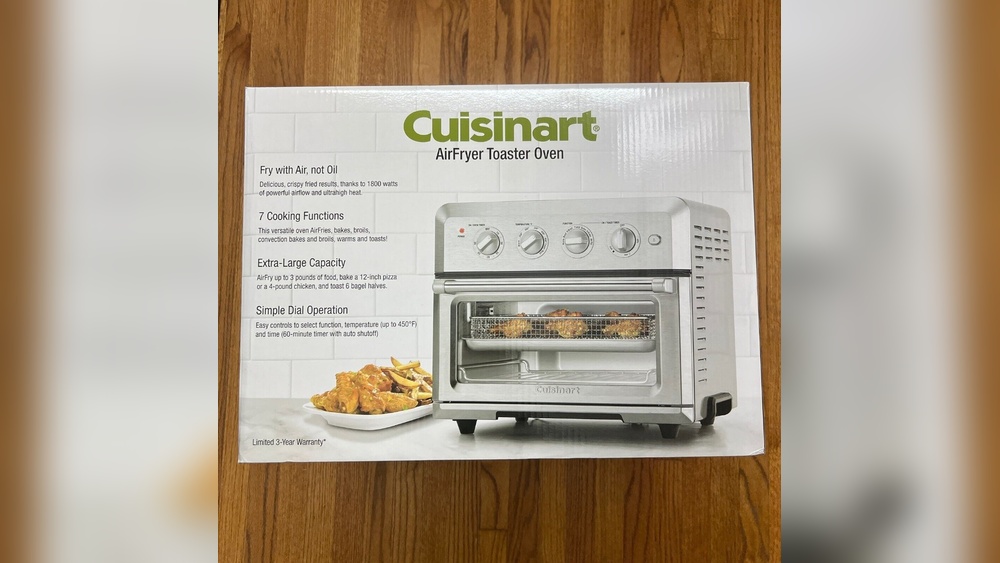
“Pizza Oven Airflow And Baking Results”
If you want to bake the perfect pizza, understanding how your pizza oven’s airflow affects baking results is key. Airflow controls how heat moves inside the oven, which directly impacts the crust’s crispness, cheese melt, and overall flavor.
Whether you’re using a wood-fired oven or a modern electric model, mastering airflow can take your pizza from good to unforgettable. You’ll discover simple tips to optimize airflow in your pizza oven and learn how it changes the baking process.
Ready to unlock the secret to that ideal, crispy, and delicious pizza? Keep reading and transform your pizza game for good.
Airflow Basics
Airflow is key to baking great pizza in a wood-fired oven. It controls heat, smoke, and how the fire burns. Good airflow means even cooking and a tasty crust. Understanding how air moves inside the oven helps you adjust vents and flames for the best results.
How Air Moves In Pizza Ovens
Air enters the oven through vents or doors. It feeds the fire with oxygen. Hot air rises inside the oven dome. This movement pushes smoke and gases out through the flue. The flow of air keeps the fire burning strong and the oven hot. Without proper airflow, the fire may smother or the oven will cool down.
Role Of Flue And Vents
The flue lets smoke escape from the oven. It creates a path for hot air to leave. Vents control how much fresh air enters the oven. Opening vents increases oxygen supply and fire intensity. Closing vents reduces airflow and cools the fire. Adjusting flue and vents balances heat and smoke for perfect baking.
Balancing Oxygen And Smoke
Oxygen fuels the fire and raises oven temperature. Too little oxygen causes smoke buildup and poor heat. Too much oxygen can burn the pizza crust quickly. Smoke adds flavor but too much makes pizza bitter. Finding the right airflow balance improves taste and cooks pizza evenly. Watch the fire and adjust vents as needed during baking.
Heat Distribution
Heat distribution plays a key role in how your pizza bakes inside a pizza oven. Even heat ensures a well-cooked crust and perfectly melted toppings. Uneven heat causes hot spots or cold patches, which can spoil your pizza’s texture and flavor.
Understanding how heat moves and stays inside the oven helps improve baking results. This section explores how the oven’s design impacts heat spread for better pizza making.
Dome Shape Effects
The dome shape helps circulate hot air evenly around the pizza. Heat rises and hits the curved ceiling, then spreads down the walls. This circulation creates a consistent cooking environment.
A well-designed dome reduces cold spots and keeps the temperature stable. It also helps cook the pizza toppings quickly while crisping the crust evenly.
Floor And Wall Heat Retention
The oven floor absorbs and stores heat from the fire. This heat cooks the pizza base, giving it a crispy bottom. Thick walls also store heat, releasing it slowly over time.
Good heat retention means the oven stays hot longer, even when the fire dims. This steady heat prevents sudden temperature drops that can undercook the pizza.
Temperature Zones Inside Oven
Inside a pizza oven, different areas reach different temperatures. The fire area is the hottest, while the edges are cooler. This creates zones to cook various pizza types or styles.
Understanding these zones lets you move the pizza around for perfect results. Use the hotter zone for quick cooking and the cooler zone for slower baking or keeping pizzas warm.
Temperature Control
Temperature control plays a vital role in pizza oven airflow and baking results. It affects the crust, toppings, and overall pizza quality. Proper control ensures even cooking and perfect texture. Understanding how to manage temperature helps create delicious pizza every time.
Ideal Baking Temperatures
The best pizza ovens bake between 700°F and 900°F. At this heat, the crust cooks quickly and crisps up nicely. The cheese melts evenly without burning. Maintaining this range produces a classic Neapolitan pizza texture. Too low a temperature causes soggy dough. Too high burns the crust before toppings cook.
Adjusting Flame Intensity
Flame intensity controls the oven’s heat output. Increasing the flame raises the temperature fast. Lowering it slows the cooking process. Adjust the flame based on pizza type and size. Thin crust pizzas need hotter flames for quick baking. Thick crusts require lower flames for even heat penetration. Watch the flame to avoid hot spots.
Managing Residual Heat
Residual heat remains in the oven after turning off the flame. Use this stored heat to finish cooking pizzas gently. It prevents burning and dries out the crust evenly. Rotate pizzas to use heat zones well. Managing residual heat extends your cooking time without extra fuel. It helps bake multiple pizzas with consistent results.

Credit: www.ozoraglobal.com
Impact On Crust Texture
The airflow inside a pizza oven directly affects the crust texture. Proper air circulation controls heat distribution and moisture removal. This balance shapes how the crust turns out—crispy, chewy, or soggy. Understanding airflow helps bakers achieve the crust texture they desire.
Creating Crispy Crusts
Strong airflow pushes hot air evenly around the pizza. This heat dries the dough surface quickly. It forms a thin, crunchy outer layer. Air movement also helps burn off excess moisture. The result is a crust with a satisfying crunch and golden color.
Avoiding Burnt Or Soggy Results
Too much airflow can burn the crust edges fast. It exposes the dough to intense heat without protection. On the other side, weak airflow traps moisture near the crust. This makes the bottom soggy and soft. Finding the right airflow balance prevents these problems.
Influence Of Airflow On Moisture
Airflow controls how much moisture stays in the dough. Moving air removes steam released during baking. Less steam means a drier, crispier crust. Stagnant air keeps moisture close, softening the crust. Proper airflow keeps the crust light, not wet.
Wood Selection And Smoke
Choosing the right wood affects your pizza oven’s airflow and baking results. Wood type influences heat, smoke, and flavor. Smoke quality changes the pizza’s taste and aroma. Controlling smoke keeps unwanted flavors away.
Best Wood Types For Baking
Hardwoods are best for pizza ovens. Oak, maple, and hickory burn hot and steady. Fruitwoods like apple and cherry add sweet, mild smoke. Avoid softwoods like pine; they create too much soot and resin. Use dry, well-seasoned wood for cleaner burns.
Reducing Unwanted Smokiness
Dry wood produces less smoke and burns better. Avoid green or wet wood that creates thick, bitter smoke. Keep airflow strong by opening oven vents properly. Clear ashes often to improve oxygen flow. Smoke should be thin and light, not heavy or dark.
Effect On Flavor And Aroma
Wood smoke adds unique flavors to your pizza. Fruitwoods give a subtle, fruity aroma. Oak and hickory offer a rich, smoky taste. Too much smoke can overpower toppings. Balanced smoke enhances crust and cheese, making your pizza tasty.
Common Challenges
Managing airflow in a pizza oven can be tricky. This affects how evenly your pizza bakes and the final taste. Many pizza bakers face common problems with heat and airflow control. Understanding these challenges helps improve baking results and avoid frustration.
Cold Weather Baking Tips
Cold weather slows down the oven heating process. It takes longer for the oven to reach the right temperature. Keep the oven door closed as much as possible. Preheat the oven for a longer time to build enough heat. Using dry wood helps maintain a steady flame. Avoid cooking when the wind is strong as it cools the oven faster.
Dealing With Uneven Heat
Uneven heat causes some pizza parts to burn while others stay raw. Check the fire placement; it should be on one side for heat control. Rotate the pizza regularly to cook all sides evenly. Use a pizza stone to spread heat across the oven floor. If hot spots appear, adjust the wood or airflow to balance temperatures. Keep ashes clear to avoid blocking heat flow.
Troubleshooting Airflow Issues
Poor airflow can cause smoke build-up and uneven cooking. Ensure the chimney is clean and open for proper ventilation. Blocked vents reduce oxygen flow, making the fire weak. Adjust the air vents to increase or decrease oxygen supply. Watch the flame color; a blue flame means good airflow. A smoky, yellow flame shows airflow problems that need fixing.
Advanced Techniques
Advanced techniques in pizza oven airflow and baking bring better control and tastier results. These methods help balance heat, airflow, and timing for perfect pizzas. Experimenting with these ideas can improve crust texture, topping cook, and baking speed. Understanding heat zones, rotation, and dough prep works together to enhance every bake.
Using Multiple Heat Zones
Create different temperature areas inside the oven. Place pizzas closer to the fire for faster cooking. Move them to cooler spots to finish without burning. This method controls crust crispness and topping doneness. It also allows baking several pizzas at once with varied heat needs.
Timing And Rotation Strategies
Rotate pizzas regularly to ensure even cooking. Turn them every 30 to 60 seconds depending on oven heat. This prevents hot spots from burning one side. Timing the bake helps achieve a golden crust and melted cheese. Use a timer and watch carefully for best results.
Combining Airflow With Dough Prep
Good airflow dries pizza crust for a crispy finish. Proper dough hydration and fermentation influence airflow impact. Well-prepared dough allows heat to penetrate and air to circulate better. This balance creates a light, airy crust with perfect chew. Adjust dough recipes to suit your oven’s airflow patterns.

Credit: www.ebay.com
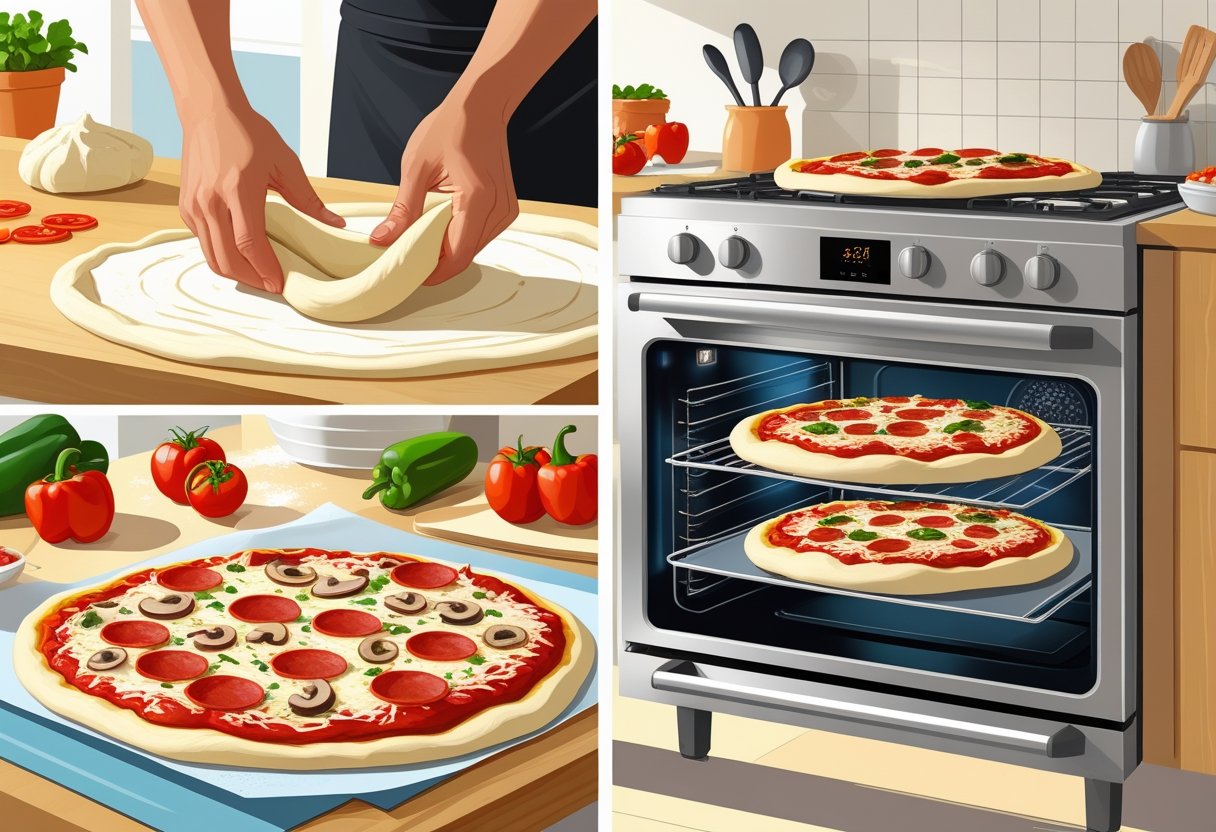
Credit: www.prepapizza.com
Frequently Asked Questions
How Long To Cook Pizza In A Pizza Oven At 700 Degrees?
Cook pizza at 700°F (370°C) for 90 seconds to 2 minutes in a pizza oven. Rotate halfway for even cooking.
How To Get Crispy Pizza In A Convection Oven?
Preheat the convection oven to 450°F (232°C). Use a pizza stone for even heat. Bake pizza on the stone for 10-12 minutes. Ensure good airflow by not overcrowding the oven. This method creates a crispy crust with evenly cooked toppings.
Is 450 Too Hot For Pizza?
450°F is an ideal temperature for baking pizza at home. It creates a crispy crust and melts cheese well. Too hot ovens risk burning; too low ovens undercook. Adjust time accordingly, usually 10-15 minutes at 450°F ensures a balanced, delicious pizza.
How Does Adjusting The Oven Temperature Affect The Baking Time For A Pizza?
Raising oven temperature shortens pizza baking time by cooking it faster. Lowering temperature extends baking time, risking a less crispy crust. Optimal heat ensures even cooking and perfect texture. Adjust temperature carefully for desired pizza doneness and crust quality.
Conclusion
Proper airflow in a pizza oven shapes the baking results significantly. It controls heat distribution and crust texture. Balanced airflow keeps the oven temperature steady and even. This helps create a crispy crust and perfectly melted toppings. Adjusting airflow lets you manage cooking speed and flavor.
Pay attention to how air moves inside your oven. Small changes can improve your pizza’s taste and look. Experiment with airflow to find what works best for you. Good airflow means better pizzas every time. Keep airflow in mind for consistently great baking results.

As the author of the “Ultimate Pizza Guide: Recipes, Tips & Secrets Revealed,” I’m dedicated to sharing my love for pizza and empowering others to create delicious homemade pizzas with ease. Join me on a journey to uncover the secrets to perfecting your pizza game!