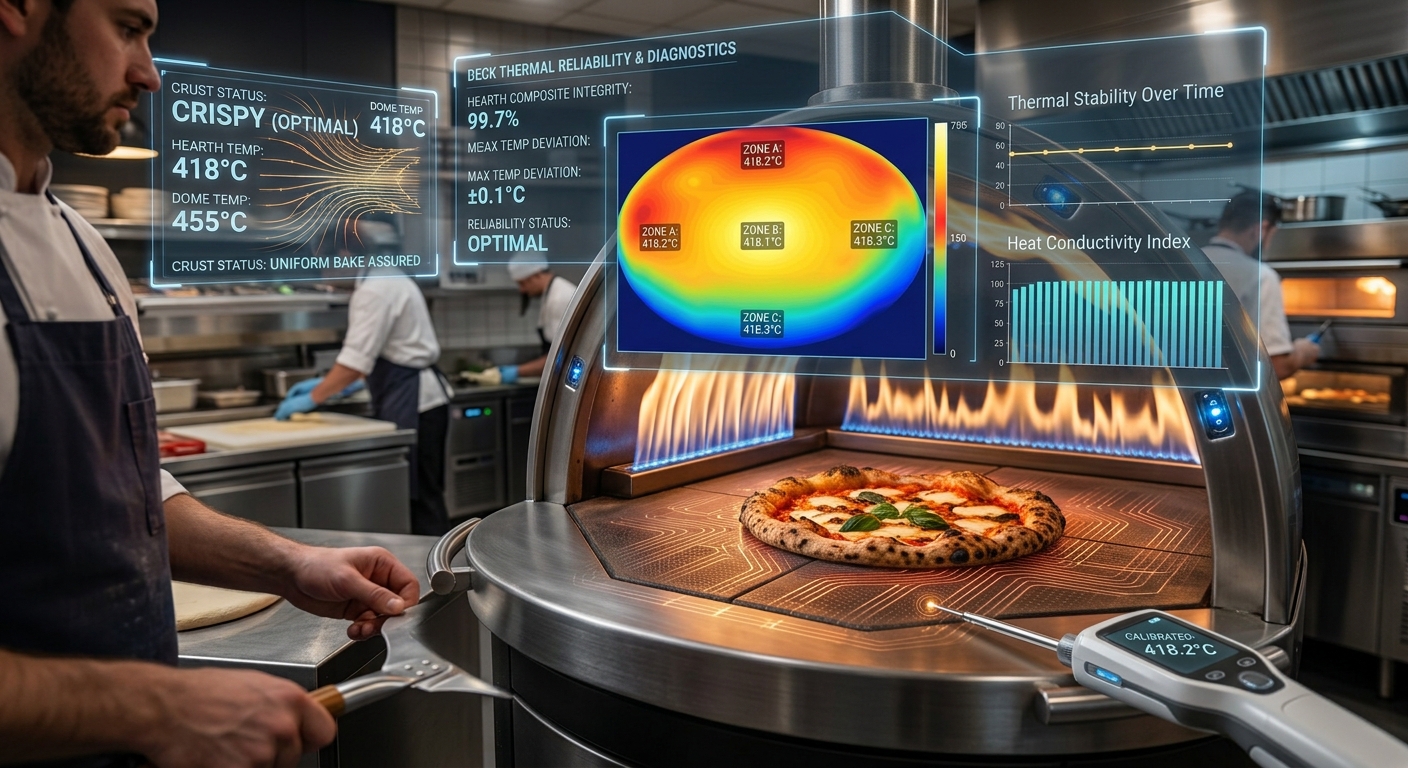
The consistent ability of a pizza oven to produce perfectly cooked pizzas hinges on a critical, yet often overlooked, element: pizza oven deck thermal reliability. This isn’t just about achieving a high temperature; it’s about maintaining that temperature with unwavering stability, ensuring even heat distribution across the entire cooking surface, and recovering quickly between bakes. For both home enthusiasts and professional pizzerias, a reliable deck is the bedrock of predictable results, from the crispiest crust to the perfectly melted cheese.
Understanding the nuances of thermal reliability allows operators to troubleshoot common issues, optimize cooking performance, and ultimately, elevate their pizza-making game. It involves a deep dive into the materials used, the engineering principles at play, and the operational practices that contribute to or detract from consistent heat.
This article will explore the multifaceted nature of pizza oven deck thermal reliability, offering insights into what makes a deck perform consistently and how to ensure yours meets the demands of delicious, perfectly baked pizzas every time.
Key Takeaways
- Material Science Matters: The choice of deck material (firebrick, cordierite, stainless steel) significantly impacts heat retention, conductivity, and thermal shock resistance, directly influencing reliability.
- Insulation is Crucial: Effective insulation around and beneath the deck is paramount for maintaining stable temperatures, minimizing heat loss, and ensuring rapid temperature recovery.
- Heat Distribution is Key: A reliable deck distributes heat evenly, preventing hot spots and cold zones that lead to unevenly cooked pizzas.
- Thermal Mass vs. Conductivity: A balance between these properties is vital. High thermal mass provides stability, while good conductivity ensures heat transfers efficiently to the pizza.
- Expansion and Contraction: Oven decks expand and contract with temperature fluctuations, and materials and construction methods must account for this to prevent cracking and ensure longevity.
- Maintenance and Usage: Proper preheating, cleaning, and avoiding thermal shock are essential operational practices for preserving deck reliability.
- Oven Type Influence: Different oven types (wood-fired, gas, electric) present unique challenges and requirements for deck thermal reliability.
Understanding Thermal Reliability In Pizza Ovens
At its core, thermal reliability for a pizza oven deck refers to its ability to consistently deliver and maintain the desired temperature across its entire surface over time. This consistency is not just about reaching a high peak temperature, but about its stability, evenness, and recovery rate. A reliable deck ensures that every pizza baked, regardless of its position on the deck or the order in which it’s cooked, experiences the same thermal environment.
The Importance Of Stable Temperatures
Pizza, especially Neapolitan-style, is highly sensitive to temperature. The rapid cooking process, often taking as little as 60-90 seconds in a 700-900°F (370-480°C) oven, relies on intense, consistent heat. If the deck temperature fluctuates wildly, or if there are significant hot or cold spots, the pizza will cook unevenly. One side might burn while the other remains undercooked, leading to a compromised crust texture and flavor. Stable temperatures mean the heat transfer from the deck to the pizza’s base is predictable, allowing for controlled browning and crisping.
Even Heat Distribution
A truly reliable deck distributes heat uniformly. This means that a pizza placed on one side of the oven should cook identically to a pizza placed on the opposite side. Uneven heat distribution, often caused by poor material choice, inadequate insulation, or flawed oven design, creates hot spots and cold zones. Hot spots can scorch the bottom of the pizza before the toppings are cooked, while cold zones result in a pale, doughy base. Achieving even heat distribution is a primary goal of good deck design and material selection.
Rapid Temperature Recovery
In a busy commercial kitchen or during a prolonged home pizza-making session, the oven deck loses heat every time a pizza is inserted and removed. Temperature recovery is the deck’s ability to regain its target temperature quickly after these heat losses. A highly reliable deck possesses sufficient thermal mass and excellent insulation to minimize the temperature drop and then efficiently reheat. Slow recovery means longer wait times between pizzas and a higher risk of inconsistent cooking as the temperature struggles to stabilize between bakes.
Deck Materials: The Foundation Of Reliability
The material used for the pizza oven deck is arguably the most significant factor influencing its thermal reliability. Different materials possess distinct properties related to heat retention, conductivity, durability, and thermal shock resistance, all of which play a crucial role.
Firebrick (refractory Brick)
Traditional wood-fired ovens often feature decks made from firebrick, typically composed of a high percentage of alumina and silica.
- Pros: Firebrick offers excellent thermal mass, meaning it can absorb and store a significant amount of heat. This contributes to temperature stability, especially in high-mass ovens like wood-fired models where the residual heat from the fire is stored. It’s also highly durable and resistant to extreme temperatures.
- Cons: Firebrick generally has lower thermal conductivity compared to other materials, meaning heat doesn’t transfer as quickly from the heat source to the pizza. It can also be prone to cracking if subjected to rapid temperature changes (thermal shock), especially if it’s porous or has absorbed moisture. The quality and density of the firebrick used are critical; denser, higher-quality bricks offer better performance.
Cordierite
Cordierite is a synthetic ceramic material increasingly popular for pizza oven decks, especially in home and professional gas or electric ovens. It’s a magnesium aluminum silicate.
- Pros: Cordierite boasts exceptional thermal shock resistance. This means it can withstand rapid temperature changes, from cold to hot and vice-versa, without cracking, making it ideal for ovens that may not be kept at a constant high temperature or are preheated and cooled more frequently. It also offers good heat retention and a reasonable rate of thermal conductivity, providing a good balance for pizza baking.
- Cons: While good, its thermal mass is typically lower than that of dense firebrick. This can sometimes lead to slightly less stable temperatures during very rapid baking cycles compared to a very high-mass firebrick deck. Over time, some cordierite decks can develop hairline cracks, though these usually don’t compromise performance significantly due to the material’s inherent resilience.
Stainless Steel
While less common for the primary cooking surface in traditional high-heat ovens, stainless steel is sometimes used, particularly in conveyor ovens or as a base layer beneath other materials.
- Pros: Stainless steel has very high thermal conductivity, meaning it heats up and transfers heat very rapidly. It is also extremely durable and resistant to thermal shock.
- Cons: It has very low thermal mass. This means it heats up quickly but also cools down quickly, making it difficult to maintain a stable, high temperature required for authentic pizza baking without constant, powerful heating elements. It’s also prone to warping under extreme, sustained heat.
Comparison Of Deck Materials
Here’s a table summarizing the key properties of common pizza oven deck materials:
| Material | Thermal Mass | Thermal Conductivity | Thermal Shock Resistance | Durability | Typical Application |
|---|---|---|---|---|---|
| Firebrick (Dense) | High | Moderate | Moderate (can crack if not careful) | High | Wood-fired ovens, traditional brick ovens |
| Cordierite | Moderate to High | Moderate to Good | Excellent | Good (can develop hairline cracks) | Home ovens, gas/electric professional ovens |
| Stainless Steel | Low | Very High | Excellent | Very High | Conveyor ovens, as a base layer |
The choice of material directly impacts how the oven behaves. For instance, a dense firebrick deck in a well-insulated wood-fired oven will retain heat for hours, providing a stable cooking environment for multiple pizzas. In contrast, a cordierite deck in a gas oven might preheat faster but may require more attention to maintain consistent temperature between bakes if the burner cycles frequently.
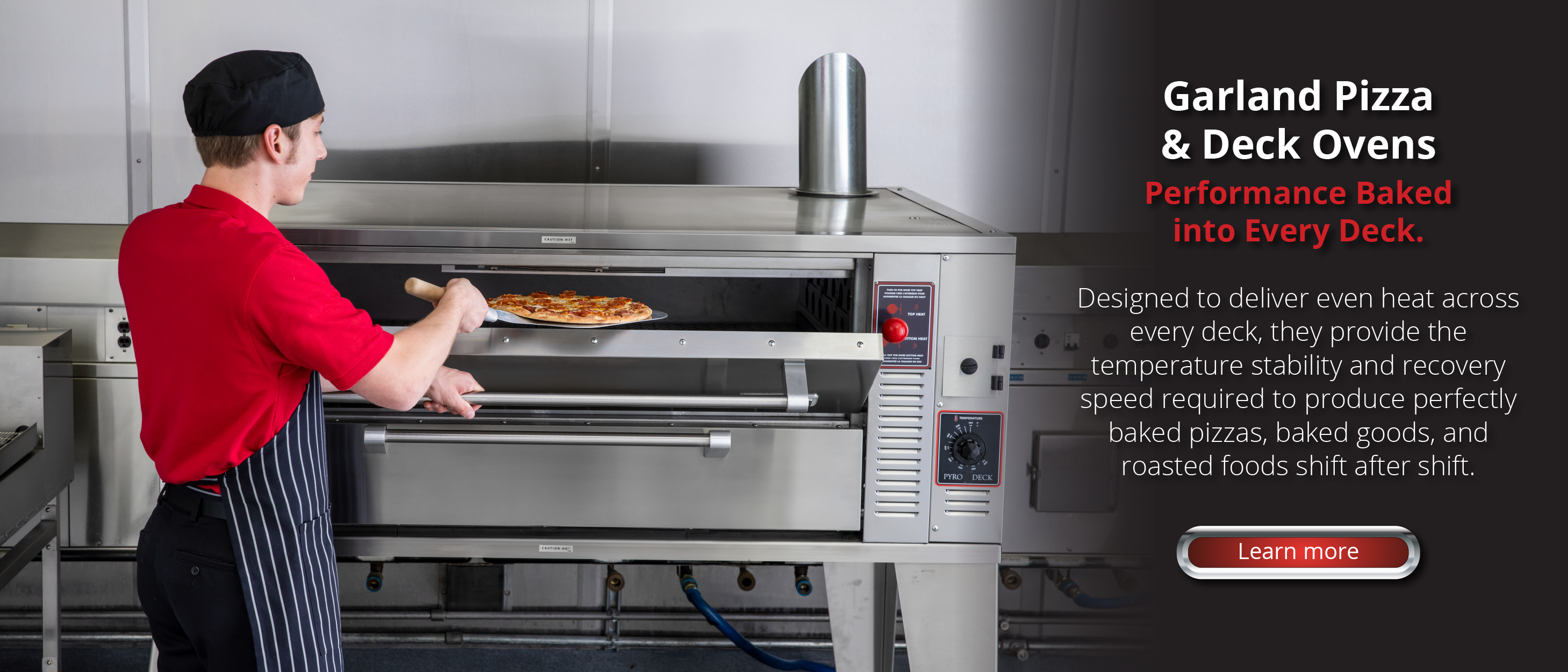
Credit: www.garland-group.com
The Role Of Insulation And Thermal Mass
Beyond the deck material itself, the insulation surrounding the deck and the overall thermal mass of the oven are critical components of thermal reliability. These elements work in concert to store heat, prevent its escape, and ensure consistent temperatures.
Insulation: The Heat Retainer
Insulation is the barrier that prevents heat from escaping the oven chamber. For a pizza oven deck to remain thermally reliable, it must be well-insulated from the ambient environment and the structural components of the oven that don’t need to be as hot.
- Under the Deck: Proper insulation beneath the deck is crucial. This prevents heat from being lost downwards into the oven stand or base. Materials like calcium silicate boards or ceramic fiber blankets are commonly used. Effective under-deck insulation ensures that the energy supplied by the heat source is directed upwards into the deck and cooking chamber, rather than dissipating.
- Around the Dome/Chamber: While not directly part of the deck, the insulation of the oven dome and walls is intrinsically linked to deck performance. A well-insulated dome retains heat within the cooking chamber, allowing the deck to stay hotter and recover faster. Without adequate insulation, the oven would require significantly more energy to reach and maintain temperatures, and the deck’s stability would be compromised.
Thermal Mass: The Heat Battery
Thermal mass refers to a material’s ability to absorb and store heat energy. Materials with high thermal mass, like dense firebrick, act as a “heat battery.”
- How it Works: When the oven is heated, the deck material absorbs a large amount of thermal energy. This stored heat is then slowly released during the cooking process. High thermal mass helps to buffer temperature fluctuations. When a cool pizza is placed on the deck, the deck doesn’t lose a significant amount of heat, allowing for consistent cooking.
- Oven Type Dependence: The importance of thermal mass varies by oven type. In wood-fired ovens, high thermal mass is essential for holding residual heat for hours after the fire has died down. In gas or electric ovens designed for rapid preheating, a balance is sought: enough thermal mass to provide stability, but not so much that it significantly slows down the preheating process. For example, a thick firebrick deck in a wood-fired oven might take 2-4 hours to reach optimal temperature, but once there, it will maintain it for many hours. A thinner cordierite deck in a gas oven might be ready in 30-45 minutes and maintain temperature well with intermittent burner use.
The Interplay
The effectiveness of thermal mass is amplified by good insulation. Insulation keeps the heat stored within the thermal mass from escaping, ensuring that the energy is available when needed for cooking. Conversely, thermal mass helps to stabilize temperatures even if the insulation isn’t perfect, by absorbing excess heat and releasing it when the temperature drops.
A pizza oven deck that is both made of a suitable material and is part of a well-insulated structure with adequate thermal mass will exhibit superior thermal reliability.

Credit: pizzamaster.com
Engineering For Even Heat Distribution
Achieving uniform heat across the pizza oven deck is as crucial as maintaining a stable temperature. This involves careful consideration of the oven’s design, including the placement of heat sources and the geometry of the cooking chamber.
Heat Source Placement
The location of the primary heat source (wood fire, gas burner, electric element) significantly impacts heat distribution to the deck.
- Wood-Fired Ovens: In traditional wood-fired ovens, the fire is typically built directly on or beside the cooking deck. Heat radiates from the fire, convects around the dome, and then heats the deck from above and indirectly. This requires the deck material to conduct heat effectively from the hotter areas (near the fire) to cooler areas.
- Gas Ovens: Gas burners can be located beneath the deck, at the rear, or on the sides. Burners beneath the deck require materials with good conductivity to transfer heat upwards efficiently. Rear or side-mounted burners often rely on convection and radiant heat from the dome, similar to wood-fired ovens.
- Electric Ovens: Electric elements are typically placed above the deck and sometimes below. Again, the conductivity of the deck material is vital for transferring heat from the lower elements to the pizza base.
Deck Thickness And Geometry
The thickness of the deck material plays a direct role in its thermal mass and heat distribution. Thicker decks generally have more thermal mass, leading to greater stability. However, excessively thick decks can increase preheat times and may hinder heat transfer from certain types of heat sources. The geometry of the deck, such as whether it’s a single slab or composed of interlocking tiles, can also affect heat flow and the potential for expansion/contraction issues.
Airflow And Convection
While the deck is primarily about radiant and conductive heat transfer, the overall airflow within the oven chamber influences how evenly heat reaches the deck. In some oven designs, specific airflow channels or baffle systems might be incorporated to ensure hot air circulates effectively over the entire deck surface, further contributing to even cooking.
Real-world Example: The “wfo” Oven Design
Many manufacturers of high-quality wood-fired ovens, often referred to as “WFOs” (Wood Fired Ovens), pay meticulous attention to deck design. For instance, some employ a combination of a thicker, denser firebrick base layer for maximum thermal mass and heat retention, topped with a slightly thinner layer of a more conductive firebrick or even a specialized composite material.
This layered approach aims to capture the benefits of high thermal mass while ensuring efficient heat transfer from the fire to the cooking surface. The precise dimensions and material choices are often proprietary, developed through extensive testing to optimize heat distribution and recovery.
Thermal Expansion And Contraction: A Silent Challenge
All materials expand when heated and contract when cooled. For pizza oven decks, these thermal expansion and contraction cycles are a significant factor in their long-term reliability and durability. If not managed properly, they can lead to structural damage.
Material Behavior Under Heat
Different materials expand and contract at different rates (measured by their coefficient of thermal expansion).
- Firebrick: Has a moderate coefficient of thermal expansion. While robust, repeated cycles of extreme heating and cooling can cause stress, especially if there are variations in density or composition within the brick.
- Cordierite: Has a very low coefficient of thermal expansion, which is a key reason for its excellent thermal shock resistance. This means it undergoes minimal dimensional change with temperature variations, reducing stress on the material and surrounding structures.
- Stainless Steel: Has a relatively high coefficient of thermal expansion, which is why it can warp or buckle if not designed to accommodate this movement.
Construction Techniques To Manage Expansion
Oven builders employ several techniques to mitigate the stresses caused by thermal expansion:
- Expansion Gaps: Leaving small gaps between deck tiles or between the deck and the oven walls allows the material to expand without building up immense pressure. These gaps are often filled with a flexible, heat-resistant material or are simply designed to remain open.
- Interlocking Designs: Some deck systems use interlocking shapes that allow for controlled movement.
- Support Structures: The way the deck is supported is critical. It needs to be robust enough to hold the weight of the deck and pizzas but flexible enough to accommodate expansion without cracking. A common method involves laying deck tiles on a bed of sand or vermiculite over an insulated base, which provides some cushioning and allows for minor shifts.
- Single-Piece Decks: In some smaller or more specialized ovens, the deck might be cast as a single piece from a composite material. This can eliminate grout lines and potential failure points from expansion, but requires materials that can handle significant stress.
Consequences Of Poor Management
Failure to account for thermal expansion can lead to:
- Cracking: Deck tiles can crack or break under pressure.
- Warping: The deck surface can become uneven, creating hot spots and making it difficult to slide pizzas.
- Structural Instability: In severe cases, expansion stress can affect the entire oven structure.
Pro Tip: When installing or replacing pizza oven deck tiles, always follow the manufacturer’s recommendations regarding expansion gaps and installation methods. Rushing this process is a common mistake that can lead to premature failure.
Maintenance And Operational Practices For Longevity
Even the best-designed and constructed pizza oven deck will suffer from neglect or improper use. Regular maintenance and adherence to best practices are crucial for preserving its thermal reliability over time.
Proper Preheating
- Gradual Heating: Never subject a cold deck to extreme heat rapidly. For wood-fired ovens, start with a small fire and gradually increase its size and intensity. For gas/electric ovens, follow the manufacturer’s recommended preheating schedule, which usually involves bringing the oven up to temperature over 30-60 minutes. This allows the deck material to heat up evenly and minimizes thermal shock.
- Full Preheat: Ensure the oven reaches its target temperature and that the deck has fully absorbed the heat. This means allowing sufficient time for the entire mass to stabilize, not just the air temperature. A common indicator for wood-fired ovens is when the black soot marks from the fire have burned off the dome.
Cleaning The Deck
- Avoid Water: Never use water to clean a hot pizza oven deck. The rapid vaporization can cause thermal shock and crack the material.
- Dry Brushing: Use a stiff-bristled brush (natural or wire, depending on the deck material and manufacturer recommendations) to sweep away flour, ash, and debris after the oven has cooled down significantly.
- Stubborn Residue: For baked-on residue, you might need a metal scraper once the deck is cool. Be gentle to avoid scratching or gouging the surface.
- Regularity: Frequent, light cleaning is better than infrequent, aggressive cleaning.
Preventing Thermal Shock
- Avoid Rapid Cooling: Don’t douse a hot oven deck with water or large amounts of cold ingredients.
- Manage Door Openings: While some airflow is necessary, excessively opening the oven door for long periods, especially when the deck is very hot, can cause rapid cooling and stress.
- Cool Down Period: Allow the oven to cool down gradually. Avoid extinguishing a hot fire with water.
Dealing With Minor Cracks
- Cordierite: Small hairline cracks in cordierite are common and usually do not affect performance. They are a result of the material’s inherent properties and the stresses of heating/cooling.
- Firebrick: Deeper cracks in firebrick may indicate a more serious issue. Some minor cracks can be repaired with specialized refractory cement, but significant structural damage may require tile replacement. Always consult the oven manufacturer or a professional for advice on crack repair.
Seasonal Considerations
- Moisture Prevention: In damp climates, ensure the oven is covered and protected from moisture when not in use. Moisture absorbed into porous deck materials can turn to steam when heated, causing significant damage. Some owners use electric heating elements on a very low setting for a short period to drive out ambient moisture before a full preheat.
Oven Type Specific Considerations
The type of pizza oven significantly influences how deck thermal reliability is achieved and maintained. Each type presents unique challenges and benefits.
Wood-fired Ovens
- Strengths: High thermal mass from thick firebrick decks, combined with the intense radiant heat from the fire, creates exceptional pizza quality. They can hold heat for extended periods.
- Challenges: Long preheat times (hours), requires active fire management, potential for thermal shock if not managed carefully, and uneven heat if the fire isn’t distributed correctly. Deck reliability is heavily dependent on the quality of the firebricks and the consistency of the fire.
Gas Ovens
- Strengths: Faster preheating than wood-fired ovens, easier temperature control, consistent heat source. Cordierite decks are very common and perform well.
- Challenges: Temperature recovery can be slower if the burner cycles off frequently and the deck lacks sufficient thermal mass. The location of the gas burner is critical for even heat distribution. Some cheaper gas ovens might use thinner decks or less effective insulation, compromising reliability.
Electric Ovens
- Strengths: Precise temperature control, very fast preheating, consistent heat. Often use cordierite or specialized composite decks.
- Challenges: Can be less powerful than high-end gas or wood-fired ovens, potentially limiting the maximum temperature achievable or the speed of recovery. Dependence on consistent power supply. Deck material choice is crucial for transferring heat from elements to the pizza base efficiently.
Comparison: Deck Performance Across Oven Types
| Oven Type | Typical Deck Material | Preheat Time | Temperature Stability | Recovery Rate | Key Reliability Factor |
|---|---|---|---|---|---|
| Wood-Fired | Firebrick | Long (2-4+ hrs) | Excellent (high mass) | Good | Brick quality, insulation, consistent fire management |
| Gas | Cordierite/Firebrick | Moderate (30-60 min) | Good | Moderate | Burner design, deck conductivity, insulation |
| Electric | Cordierite/Composite | Fast (20-40 min) | Very Good | Good | Element power, deck conductivity, insulation |
| Conveyor (Gas/Elec) | Stainless Steel/Ceramic | Very Fast (continuous) | Varies (consistent flow) | Excellent (continuous) | Belt material, heat zone calibration, airflow |
A key external resource for understanding oven performance and materials is the Brick Industry Association, which provides data on the properties of various refractory materials used in high-temperature applications, including oven construction.

As the author of the “Ultimate Pizza Guide: Recipes, Tips & Secrets Revealed,” I’m dedicated to sharing my love for pizza and empowering others to create delicious homemade pizzas with ease. Join me on a journey to uncover the secrets to perfecting your pizza game!