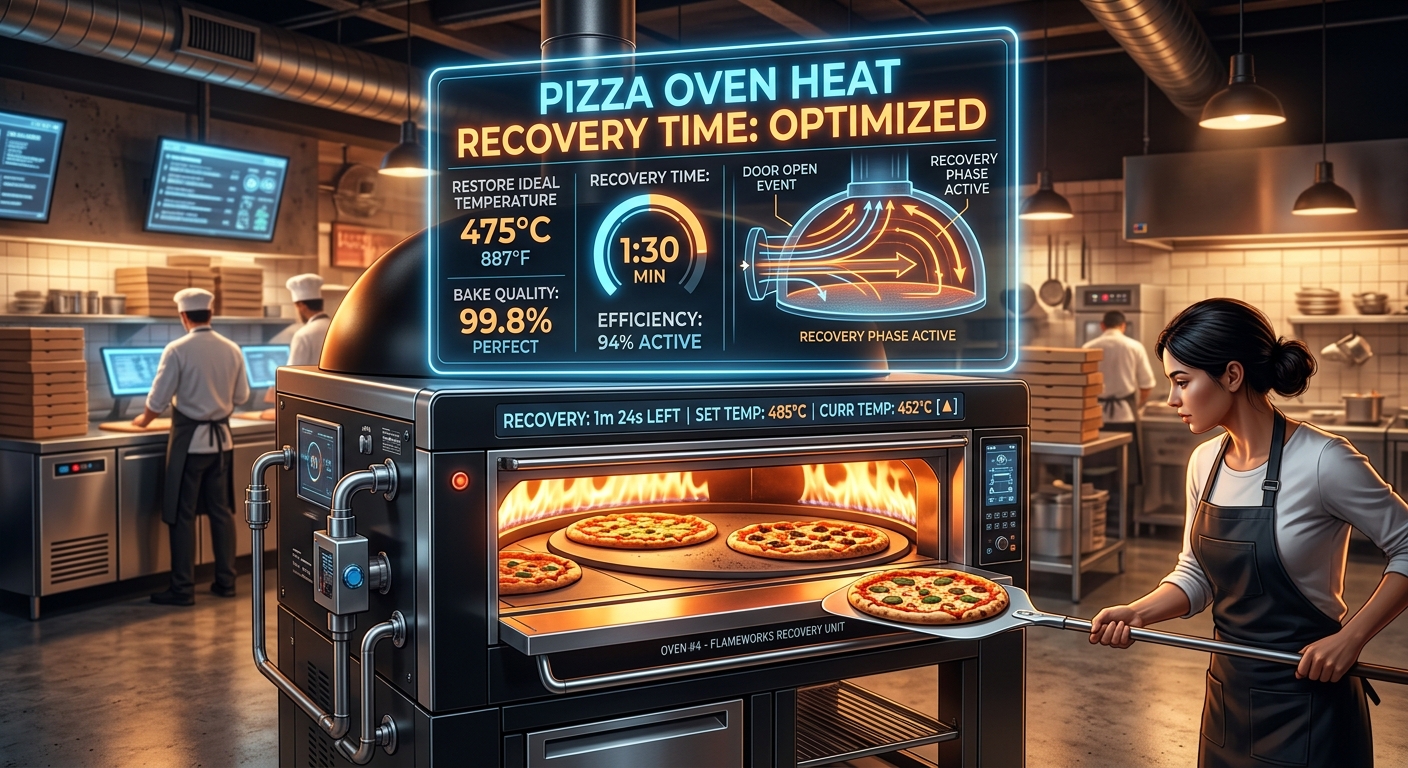
The allure of authentic, wood-fired pizza is undeniable. That smoky char, the perfectly blistered crust, and the incredibly high cooking temperatures create a culinary experience far beyond what most home ovens can achieve. However, to unlock this potential, you need a dedicated pizza oven. And central to the effective use of any pizza oven, especially wood-fired or gas models, is understanding pizza oven heat recovery time. This crucial metric dictates how quickly your oven returns to its optimal cooking temperature after opening the door, adding wood, or experiencing a dip due to cooking multiple pizzas. Mastering this aspect is key to consistent results and efficient cooking.
For anyone passionate about achieving that perfect Neapolitan-style pizza at home, or even for professional pizzerias looking to optimize their workflow, a deep dive into heat recovery is essential. It’s not just about how hot the oven gets initially, but how well it *retains* and *recovers* that heat.
This article will explore the factors influencing pizza oven heat recovery, provide practical tips for minimizing it, and compare different oven types to help you make informed decisions about your pizza-making journey.
Key Takeaways
- Heat recovery time is the duration an oven takes to return to its target cooking temperature after a heat loss event.
- Oven insulation, mass, and fuel type are primary determinants of heat recovery speed.
- Wood-fired ovens typically have longer recovery times due to their reliance on thermal mass and combustion.
- Gas ovens generally offer faster recovery due to more controllable and consistent heat input.
- Electric ovens can offer very fast recovery but may struggle with extremely high temperatures and thermal mass.
- Proper preheating and maintaining a hot fuel bed are crucial for minimizing recovery time.
- Opening the oven door is the biggest cause of heat loss, so minimizing door opening is vital.
- Understanding your oven’s thermal dynamics allows for more efficient and consistent pizza production.

Credit: diavolapro.com
Understanding Pizza Oven Heat Recovery
At its core, pizza oven heat recovery time refers to the period it takes for an oven to regain its optimal cooking temperature after a disturbance. This disturbance could be anything from opening the door to load or retrieve a pizza, adding more fuel (like wood), or even just the natural cooling that occurs during the cooking process itself, especially when baking multiple pies in quick succession. For pizza, the ideal cooking temperature is exceptionally high, often ranging from 750°F (400°C) to over 900°F (480°C). Maintaining these temperatures consistently is what allows for the rapid cooking times, typically 60-90 seconds, that characterize authentic wood-fired pizza.
When you open the door of a hot pizza oven, a significant amount of stored heat escapes. This is primarily due to convection (hot air rising and exiting) and radiation (heat energy radiating outwards). The rate at which this heat is lost and, more importantly, the speed at which it can be replenished, defines the oven’s heat recovery capability.
A well-designed oven with excellent insulation and sufficient thermal mass will lose heat more slowly and recover it faster than a poorly insulated or lightweight oven. This recovery is driven by the heat source, be it burning wood, gas burners, or electric elements, and the oven’s ability to absorb and store that heat.
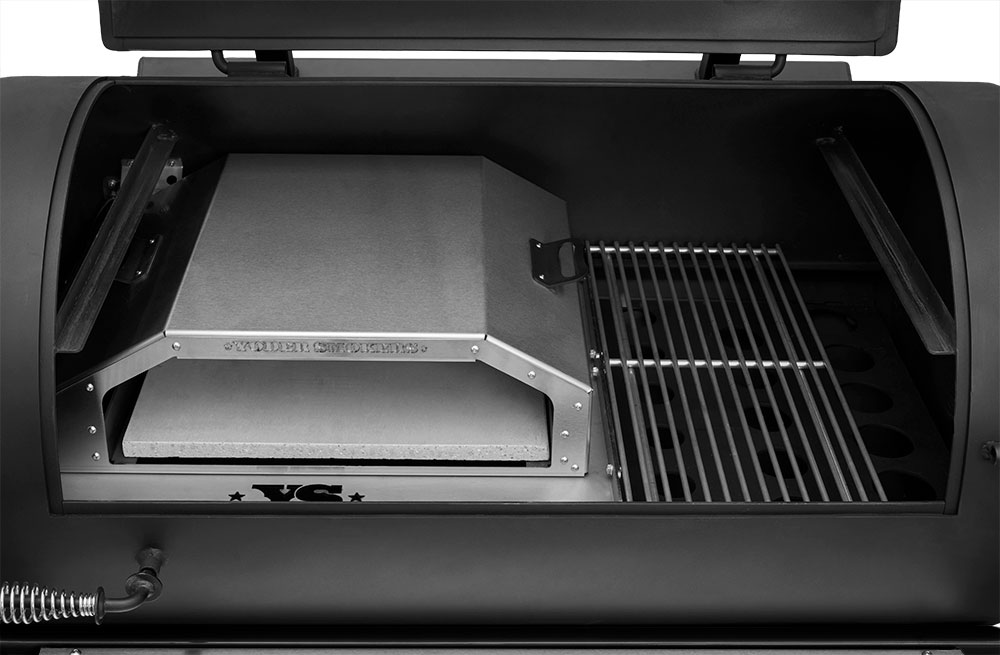
Credit: www.yodersmokers.com
Factors Influencing Heat Recovery Time
Several key elements contribute to how quickly a pizza oven can recover its temperature. These factors are intrinsic to the oven’s design, construction, and how it’s operated. Understanding these variables is the first step towards optimizing your pizza-making process.
Thermal Mass
The thermal mass of an oven refers to its ability to absorb, store, and radiate heat. Materials like firebrick, refractory concrete, and stone have high thermal mass. When heated, these materials store a substantial amount of thermal energy. This stored heat is then gradually released, helping to maintain a stable cooking temperature and aiding in recovery. Ovens with thick, dense refractory materials will generally have better heat retention and slower, more stable heat recovery compared to thinner-walled or metal-constructed ovens. The sheer weight and density of the materials play a significant role. For instance, a brick oven might weigh several tons, indicating a substantial capacity for heat storage.
Insulation
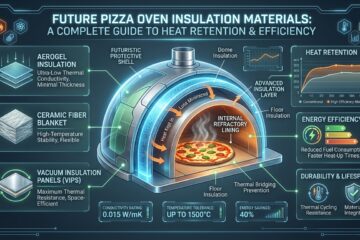
Insulation is critical for minimizing heat loss. A well-insulated oven acts like a thermos, keeping the heat inside where it belongs. High-quality insulation materials, such as ceramic fiber blankets, vermiculite, or perlite mixed with cementitious binders, are used to surround the cooking chamber. The effectiveness of the insulation is measured by its thermal conductivity, lower conductivity means better insulation. A thicker layer of superior insulation will drastically reduce the rate of heat loss when the door is opened, leading to much faster recovery times. Without adequate insulation, even the most robust thermal mass will struggle to retain heat, and recovery will be sluggish.
Oven Size And Shape
The size and shape of the oven also play a role. Larger ovens generally contain more thermal mass, which can be beneficial for heat retention. However, a larger volume of air also needs to be reheated if a significant amount is lost. The dome shape common in many wood-fired ovens is particularly effective at reflecting heat back down onto the cooking surface and food, creating a more efficient cooking environment. The ratio of the cooking floor area to the dome volume influences how heat circulates and is retained. A more compact design can sometimes lead to quicker heat-up and recovery, provided sufficient thermal mass and insulation are present.
Fuel Type And Intensity
The fuel type and the intensity with which it’s burned directly impact heat recovery.
- Wood: Requires time to build a substantial coal bed and hot flames. Recovery is dependent on the quality and quantity of wood added and the efficiency of the combustion. It can be less controllable for rapid recovery.
- Gas: Offers more precise control over the flame intensity. A powerful gas burner can quickly reintroduce heat into the oven chamber, leading to faster recovery times, especially in ovens designed to efficiently channel this heat.
- Electric: Heating elements can provide very rapid and precise heat delivery. However, electric ovens may have less thermal mass than traditional wood or gas ovens, potentially impacting their ability to *store* heat for sustained periods, although recovery can be swift once the elements are powered.
The intensity of the heat source is paramount. A roaring fire or a high-output gas burner will obviously contribute heat much faster than a smoldering fire or a low gas setting.
Door Management
The oven door is the primary culprit for heat loss. Every time it’s opened, hot air escapes, and cooler air enters. The longer the door remains open, the greater the heat loss and the longer the recovery time will be. Efficient pizza-making involves minimizing door-opening frequency and duration. This means having pizzas ready to go in, retrieving cooked pizzas quickly, and managing the cooking process with as few interruptions as possible. Some ovens feature thicker doors or specialized seals to mitigate heat loss, but diligent door management by the operator remains crucial.
Heat Recovery By Oven Type
Different types of pizza ovens have distinct characteristics that affect their heat recovery times. Understanding these differences can help you choose an oven that best suits your needs and expectations for cooking speed and consistency.
Wood-fired Pizza Ovens
Wood-fired ovens are celebrated for their authentic flavor and high-temperature capabilities. However, they often have the longest heat recovery times among common pizza oven types. This is primarily due to their construction, which typically involves substantial thermal mass (thick firebricks, concrete, or stone) and often relies on a large dome to retain heat.
- Heat-up: Reaching optimal temperatures (750°F – 900°F / 400°C – 480°C) can take anywhere from 1 to 3 hours, depending on the size, insulation, and ambient temperature.
- Recovery: When the door is opened to launch or retrieve a pizza, the temperature can drop significantly. Recovery depends on maintaining a robust fire and a bed of hot coals. This process might take 5-15 minutes to fully return to peak temperature, especially after cooking several pizzas consecutively. The thick refractory materials need time to reabsorb heat radiated from the coals and flames.
- Factors: The type of wood used (hardwoods burn hotter and longer), the dryness of the wood, and the operator’s skill in managing the fire are critical. A well-established coal bed is key to efficient recovery.
Gas Pizza Ovens
Gas pizza ovens offer a more controlled and often faster heat recovery experience compared to traditional wood-fired ovens. They utilize natural gas or propane burners to generate heat, allowing for precise temperature adjustments.
- Heat-up: Many gas ovens can reach pizza-cooking temperatures in 15-30 minutes, significantly faster than wood-fired models.
- Recovery: Due to the direct and controllable heat input from the gas burner, recovery times are typically much shorter. Opening the door might cause a temperature drop of 50-100°F (25-55°C), but the oven can often return to its set temperature within 3-10 minutes, depending on the burner’s power and the oven’s insulation. Some high-powered gas ovens designed for rapid recovery can bounce back in as little as 1-3 minutes.
- Factors: The power output (BTU rating) of the gas burner is the most significant factor. Better insulation also plays a role in retaining the heat generated by the burner. Consistent fuel supply ensures reliable recovery.
Electric Pizza Ovens
Electric pizza ovens use heating elements to generate heat. They are known for their ease of use, precise temperature control, and often rapid heat-up times.
- Heat-up: Many electric ovens can reach high temperatures very quickly, often within 10-20 minutes.
- Recovery: Recovery times can be very fast, sometimes rivaling or even exceeding gas ovens, especially for countertop models. The heating elements can quickly deliver energy to the cooking chamber. However, electric ovens often have less thermal mass compared to brick ovens. This means while they can *recover* quickly, they might not *retain* heat as effectively during prolonged cooking sessions or when cooking many pizzas back-to-back without significant temperature fluctuations.
- Factors: The wattage of the heating elements and the oven’s design (e.g., presence of stone decks) are key. Some professional electric ovens incorporate significant thermal mass to improve heat retention and recovery.
Hybrid Pizza Ovens
Hybrid ovens combine elements of different fuel sources, such as wood and gas, or wood and electric. The heat recovery characteristics will depend on the specific combination and design.
- Wood/Gas Hybrids: Often designed to use gas for quick heat-up and recovery, and wood for flavor. Recovery might be faster than a pure wood oven, especially when relying on the gas burner, but slower than a dedicated high-power gas oven if the thermal mass is substantial.
- Wood/Electric Hybrids: Can leverage electric elements for initial heat-up or supplementary heat, potentially speeding up recovery compared to wood alone.
Here’s a comparative overview:
| Oven Type | Typical Heat-Up Time | Typical Recovery Time (after door opening) | Heat Retention | Flavor Profile |
|---|---|---|---|---|
| Wood-Fired | 1-3 hours | 5-15 minutes | Excellent (high thermal mass) | Smoky, authentic |
| Gas | 15-30 minutes | 1-10 minutes | Good (depends on insulation/mass) | Clean, consistent |
| Electric | 10-20 minutes | 1-5 minutes | Fair to Good (less mass typically) | Clean, consistent |
| Hybrid (Wood/Gas) | 20-45 minutes (using gas) | 2-8 minutes (using gas) | Good | Wood flavor possible |
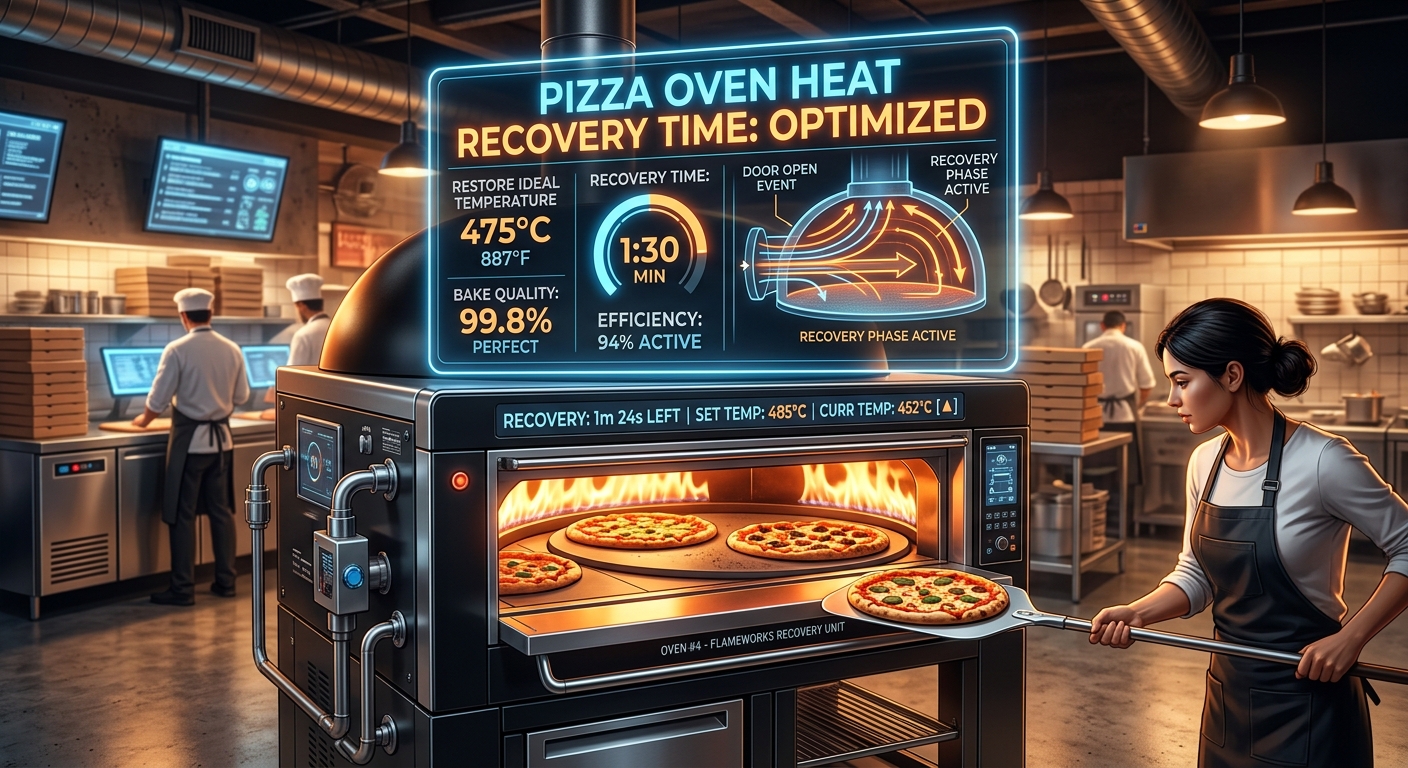
Strategies To Minimize Pizza Oven Heat Recovery Time
Regardless of your oven type, several practical strategies can help you minimize heat recovery time, ensuring efficient and consistent pizza production. These techniques focus on proactive management and minimizing heat loss.
Optimize Preheating
Thorough preheating is the most critical step for any pizza oven. Don’t rush this process. Allow the oven ample time to reach and stabilize at your target cooking temperature. For wood-fired ovens, this means building a substantial fire and letting it burn down to create a hot coal bed before starting to cook. For gas and electric ovens, ensure they are left at temperature for at least 15-20 minutes after reaching the target temperature to allow the cooking deck and oven walls to fully absorb heat. A properly preheated oven has stored thermal energy, making it more resilient to temperature drops and quicker to recover.
Maintain A Hot Fuel Bed (wood-fired Ovens)
For wood-fired ovens, a consistently hot fuel bed is paramount for rapid recovery. This means maintaining a healthy fire with active flames and glowing embers. As you cook pizzas, you’ll inevitably lose heat. The hot coals and flames are the primary source for replenishing this heat. Regularly adding small, dry pieces of hardwood to the firebox area helps maintain this intense heat. Avoid letting the fire die down too much between pizzas. The goal is a lively flame licking the dome and radiating intense heat.
Strategic Fuel Addition
When adding fuel (wood or adjusting gas), do so strategically. For wood ovens, add fuel *before* you anticipate a significant temperature drop or immediately after removing a pizza. Aim to add smaller pieces of wood more frequently rather than large logs infrequently. This provides a more consistent heat input. For gas ovens, ensure the burner is set to a higher output during the recovery phase.
Minimize Door Opening
This might seem obvious, but it bears repeating: reduce the frequency and duration of door openings. Each opening allows a significant amount of heat to escape. Train yourself and anyone helping you to be efficient. Have your next pizza ready to go in as soon as the previous one is out. Use a long-handled pizza peel and a turning peel to manage pizzas inside the oven with minimal door time. Consider using a pizza peel with a perforated surface to reduce the amount of cool air introduced when launching the pizza.
Utilize Oven Thermometers And Infrared Thermometers
Accurate temperature monitoring is key. Use a reliable oven thermometer (often built-in or placed inside) to monitor the ambient air temperature. More importantly, use an infrared thermometer to check the temperature of the cooking deck itself. The deck temperature is crucial for cooking the base of the pizza. A quick blast of heat from the flames or burners might bring the air temperature back up quickly, but the deck needs time to reheat. Knowing these temperatures helps you gauge when the oven is truly ready to cook the next pizza.
Manage Airflow (wood-fired Ovens)
For wood-fired ovens, managing airflow through the chimney and door opening can influence heat retention and recovery. Opening the damper too wide can draw excessive heat out of the oven. Conversely, insufficient airflow can starve the fire. Finding the right balance is essential. Experiment with slightly adjusting the damper or the door opening to see how it affects temperature stability and recovery.
Consider Oven Design Features
If you are in the market for a new pizza oven, look for features that enhance heat recovery. Thicker refractory materials, high-quality ceramic fiber insulation, and well-designed door seals are all indicators of a good heat-retaining oven. Some ovens also feature secondary burners or specific airflow designs aimed at improving recovery speed.
Real-world Examples And Case Studies
To illustrate the impact of heat recovery, let’s look at a couple of scenarios.
Case Study 1: The Home Pizza Enthusiast – Wood-fired Oven
Sarah, a passionate home cook, recently invested in a medium-sized (32-inch internal diameter) wood-fired brick pizza oven. During her first few attempts, she found that after cooking the first pizza, the oven temperature would drop from 850°F (455°C) to around 650°F (343°C). It would take nearly 20 minutes of tending the fire to get it back up to 850°F, often resulting in a long wait between pizzas for her family.
Pro Tip: To improve recovery, Sarah started preheating her oven for a full 2.5 hours instead of 1.5. She also focused on maintaining a more consistent bed of glowing coals by adding smaller, seasoned hardwood pieces every 15-20 minutes. She practiced launching and retrieving pizzas more quickly, reducing door-open time to under 10 seconds.
Result: After implementing these changes, Sarah found her oven temperature only dropped to about 750°F (400°C) after the first pizza. With a well-maintained coal bed and efficient door management, she could launch the next pizza within 5-7 minutes, significantly improving her pizza-making rhythm and consistency.
Case Study 2: The Pizzeria – High-output Gas Oven
“The Fiery Crust,” a popular local pizzeria, uses a commercial gas pizza oven rated at 50,000 BTUs, designed for rapid cooking and high volume. Their oven features a thick Cordierite stone deck and excellent insulation.
Challenge: During peak hours, they need to cook upwards of 15-20 pizzas per hour. While the oven heats up quickly (around 20 minutes to 800°F / 427°C), they noticed that after launching a pizza and the initial cooking phase, the deck temperature would dip noticeably, sometimes affecting the bottom crispness of subsequent pizzas if not managed.
Solution: The kitchen manager implemented a strict protocol:
- Pre-bake the Deck: Always ensure the oven has been at temperature for at least 25 minutes before the first pizza.
- “Power Boost” Recovery: Immediately after launching a pizza, they turn the gas burner to its maximum setting (50,000 BTU) for 1-2 minutes to rapidly reheat the deck and air.
- Timed Rotation: They use a timer to ensure pizzas are turned precisely at 30 seconds and removed at 75-90 seconds, minimizing guesswork and door time.
- Deck Temperature Check: A quick infrared check of the deck temperature after each pizza informs them if a slightly longer boost is needed before the next launch.
Result: This disciplined approach allows “The Fiery Crust” to maintain a deck temperature consistently above 700°F (371°C) even during intense rushes. Their heat recovery is almost instantaneous thanks to the powerful burner and well-insulated oven, ensuring every pizza cooks perfectly.
Measuring Heat Recovery Time
Quantifying heat recovery time requires a systematic approach and the right tools. While subjective experience is valuable, objective measurement provides a clearer understanding of your oven’s performance.
Tools Needed
- Infrared Thermometer: Essential for measuring the surface temperature of the cooking deck and oven dome. This is arguably the most critical tool for pizza oven temperature assessment.
- Oven Thermometer: A reliable thermometer placed inside the oven dome to measure ambient air temperature.
- Timer/Stopwatch: To accurately measure the duration of the recovery period.
The Measurement Process
- Preheat: Bring your oven to its standard target cooking temperature (e.g., 800°F / 427°C ambient, 750°F / 400°C deck). Let it stabilize for at least 15-20 minutes. Record these initial temperatures.
- Simulate Heat Loss: Open the oven door for a consistent duration (e.g., 15-20 seconds) to simulate launching a pizza. Close the door.
- Record Initial Drop: Immediately after closing the door, record the lowest temperature reached on both the ambient thermometer and the infrared thermometer (deck). This is your starting point for recovery.
- Start Timing: Start your timer the moment the door is closed.
- Monitor and Record: Monitor the temperatures. Record the temperature at regular intervals (e.g., every minute for the first 5 minutes, then every 2-3 minutes).
- Define Recovery: Decide on your recovery criteria. For example:
- Full Recovery: Time taken to return to the initial preheated temperature.
- Practical Recovery: Time taken to return to a sufficiently high temperature to cook the next pizza effectively (e.g., within 50°F / 28°C of the initial temperature, or reaching a specific deck temperature like 700°F / 371°C).
- Repeat: Perform the test multiple times to ensure consistency and average the results.
Interpreting The Data
- Short Recovery Time (1-5 minutes): Indicates excellent insulation, high thermal mass, and/or a powerful, responsive heat source (typical for high-end gas or electric ovens).
- Moderate Recovery Time (5-15 minutes): Common for well-built wood-fired ovens with good insulation and a strong fire, or efficient gas ovens.
- Long Recovery Time (15+ minutes): Suggests issues with insulation, insufficient thermal mass, a weak heat source, or poor heat management (typical for poorly built or very large wood-fired ovens without a strong fire).
By systematically measuring and understanding your oven’s recovery time, you can better plan your cooking sessions and troubleshoot any performance issues

As the author of the “Ultimate Pizza Guide: Recipes, Tips & Secrets Revealed,” I’m dedicated to sharing my love for pizza and empowering others to create delicious homemade pizzas with ease. Join me on a journey to uncover the secrets to perfecting your pizza game!