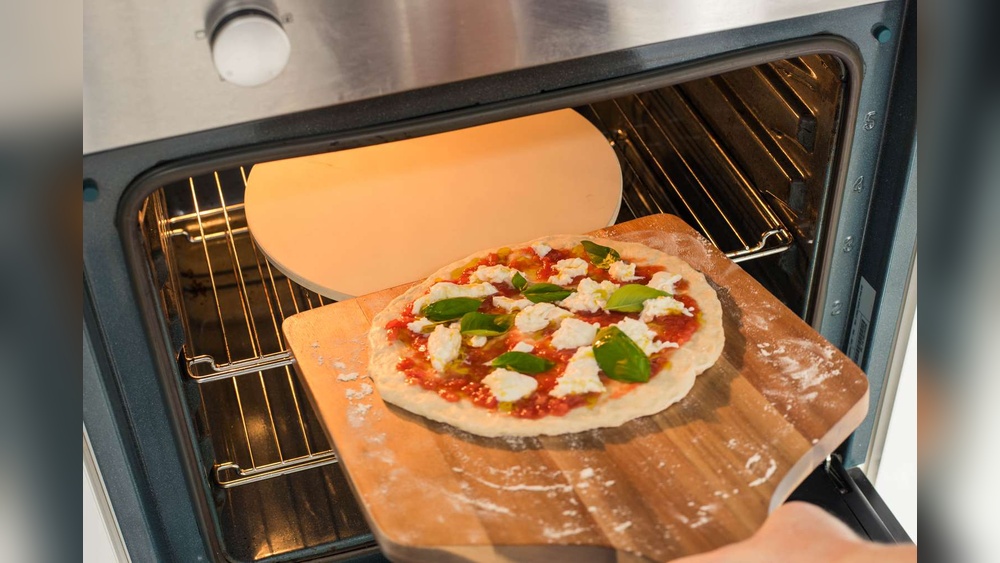
“Pizza Oven Stone Placement”
If you want perfect homemade pizza with a crispy, golden crust, where you place your pizza stone in the oven matters more than you might think. The right placement can make the difference between a soggy base and that deliciously crisp, pizzeria-quality crust you crave.
You might be wondering—should your pizza stone go on the bottom rack, middle, or even the top? Each spot changes how your pizza cooks, affecting heat distribution and how your toppings bake. You’ll discover simple, effective tips to position your pizza stone just right, so every pizza you make is a mouthwatering success.
Keep reading to unlock the secrets of perfect pizza stone placement and elevate your homemade pizza game today!
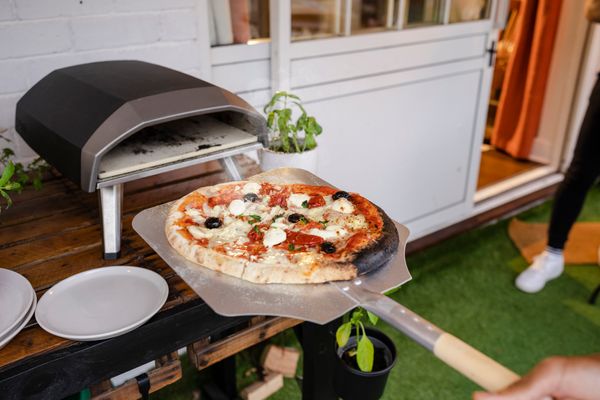
Credit: www.fbsappliance.com
Stone Placement Basics
Placing your pizza stone correctly in the oven is key for great pizza. The stone needs time to heat up evenly. This helps create a crispy crust and perfectly cooked toppings. Choosing the right rack makes a big difference in baking results. Understanding the basics of stone placement can improve your homemade pizza experience.
Bottom Rack Benefits
Placing the stone on the bottom rack gives direct heat from the oven’s base. This setup mimics traditional brick ovens. The intense heat crisps the pizza crust nicely. It also helps cook the dough quickly without drying the toppings. This position is great for those who like a crunchy base.
Middle Rack Advantages
The middle rack offers more balanced heat around the pizza. The toppings cook evenly without burning. This works well with convection ovens that circulate hot air. It prevents the bottom from cooking too fast. This position suits pizzas with many toppings or delicate ingredients.
Avoiding Oven Floor
Placing the stone directly on the oven floor is not recommended. The heat can be too intense, causing uneven cooking. It might also block heating elements or vents. This can damage the stone or the oven. Always use an oven rack to keep the stone stable and safe.
Step-by-step Setup
Setting up your pizza oven stone correctly is key for great pizza. Follow these steps to place your stone for the best results. Proper setup helps the stone heat evenly. It also creates a crispy crust and perfectly cooked toppings. Start with a cold oven and place the stone carefully. Then preheat the oven fully before baking. This method ensures your pizza cooks well every time.
Placing The Stone Cold
Always place your pizza stone in the oven before turning it on. Put the stone on the bottom rack for a crispy crust. The bottom rack gets more heat from the oven’s base. Avoid placing the stone directly on the oven floor. This can cause damage or uneven heating. Make sure the stone does not block any vents. Proper airflow keeps the oven heating evenly. Starting with a cold stone prevents cracking from sudden heat changes.
Preheating Tips
Preheat the oven with the stone inside for at least 45 minutes. This allows the stone to reach a high, even temperature. Use the highest temperature your oven allows for best results. Avoid opening the oven door often during preheating. Heat escapes and lowers the oven temperature. If your oven has a convection setting, use it for balanced heat. This helps cook the toppings and crust evenly. Once fully preheated, slide your pizza onto the stone quickly to keep heat in.
Oven Heat Zones
Understanding oven heat zones helps place your pizza stone for the best results. Each oven rack offers different heat levels that affect cooking. Knowing these zones guides you to a perfect crust and evenly melted toppings.
Top Rack Heat
The top rack gets heat mainly from the oven’s upper element. It cooks toppings faster but can burn the cheese if left too long. The crust may not get as crispy here. Use this zone for quick browning or finishing touches.
Middle Rack Evenness
The middle rack offers balanced heat from both top and bottom elements. It cooks the pizza evenly and melts toppings well. This zone suits convection ovens best. Your pizza stone here provides a good mix of crispy crust and cooked toppings.
Bottom Rack Intensity
The bottom rack receives the strongest heat from the lower element. It crisps the crust quickly and mimics a brick oven floor. Use this zone for a crunchy base. Watch closely to avoid burning the bottom of the pizza.
Maximizing Crispiness
Maximizing crispiness in your pizza starts with the right placement of the pizza stone inside the oven. The stone must absorb and radiate heat evenly to create that perfect crust. Proper positioning ensures the base cooks quickly without drying out the toppings. This balance is key for a delicious, crispy pizza.
Using Bottom Rack For Crust
Placing the pizza stone on the bottom rack gives it direct heat from the oven’s lower element. This intense heat cooks the crust fast, making it crispy and golden. The bottom rack mimics the heat of a traditional brick oven floor. It works best for a crunchy base with a soft, chewy inside.
Keep in mind that this position may cook the toppings slower. Watch your pizza closely to avoid burning the crust.
Balancing Toppings Cooking
Positioning the stone on the middle rack heats the pizza more evenly. The toppings get enough heat to cook without burning. This is useful for pizzas with many or delicate toppings. The middle rack allows heat from both the bottom and the top elements to balance the cooking.
Use this placement if you want a nicely cooked topping with a good crust. Adjust cooking time as the crust might be less crispy than on the bottom rack.
Common Mistakes To Avoid
Placing a pizza oven stone correctly is key to baking great pizza. Many beginners make mistakes that hurt the cooking process. Avoiding these errors helps the stone heat evenly and the pizza cook perfectly. Below are common mistakes to watch out for during stone placement.
Blocking Burners
Do not place the stone where it blocks oven burners or vents. Blocking burners stops proper heat flow. This issue is common in gas ovens with side or back burners. It causes uneven heating and longer cook times. Leave clear space around burners to let heat circulate freely. Proper airflow ensures the stone heats evenly.
Placing Stone On Oven Floor
Avoid placing the stone directly on the oven floor. The oven floor often gets too hot and can crack the stone. It also blocks heat from the bottom heating element or burner. Place the stone on a middle or lower rack instead. This position balances heat from both the top and bottom. It prevents damage and cooks pizza more evenly.

Credit: www.martinispa.com
Experimenting With Placement
Experimenting with the placement of your pizza oven stone can change your pizza’s texture and taste. Small changes in position affect how heat reaches the stone and cooks your pizza. Testing different spots helps find the best balance between a crispy crust and perfectly melted toppings.
Each oven heats differently. Knowing how to adjust the stone position can improve your baking results. This process takes some trial and error but leads to better pizzas every time.
Testing Rack Positions
Try placing the stone on various racks in your oven. The bottom rack gives intense heat from below. This heat crisps the pizza crust well. The middle rack heats the stone more evenly. It helps cook toppings without burning the crust. Testing both positions shows which works best for your oven.
Start with the stone on a cold oven rack. Let the oven heat fully before baking. This prevents cracking the stone and ensures even temperature.
Adapting To Oven Hot Spots
Every oven has hot spots where heat is stronger. Notice where your oven cooks faster or slower. Move the stone to balance these hot spots. Shifting the stone can stop the crust from burning in one area. It also helps toppings cook uniformly.
Watch how your pizza bakes. Adjust the stone’s position to control cooking speed. This adapts your baking to your oven’s unique heat pattern.
Additional Tips
Placing the pizza stone correctly is essential, but some extra tips can improve your baking results. These tricks help you get the perfect crust and evenly cooked toppings. Small changes make a big difference in your homemade pizza.
Rotating Pizzas
Rotate your pizza halfway through baking. This evens out heat and avoids hot spots. Use a pizza peel or a heatproof tool to turn the pizza carefully. Rotation helps the crust brown evenly on all sides.
Using Convection Settings
Convection ovens circulate hot air for faster cooking. Use convection settings for a crispier crust and well-cooked toppings. Place the stone on the middle rack to balance heat from top and bottom. Watch your pizza closely to avoid burning.
Helpful Demonstrations
Helpful demonstrations show the best ways to place your pizza oven stone. Watching these guides helps you avoid common mistakes. They provide clear visuals that explain where and how to set your stone.
Seeing the process step-by-step makes it easier to follow and apply. This saves time and improves your pizza results.
Video Tutorials
Video tutorials offer practical examples of stone placement in real ovens. They show how to position the stone on the bottom rack for a crispy crust. Some videos highlight using the middle rack for even cooking of toppings.
These videos often include tips about heating the stone slowly and avoiding direct contact with oven elements. Watching experts handle the stone gives confidence and helps avoid damage to the stone or oven.
Expert Recommendations
Experts suggest placing the stone on the lowest rack to get the hottest heat from the oven base. This placement mimics traditional brick ovens and crisps the pizza bottom well.
Some professionals recommend the middle rack when using convection ovens. This placement ensures heat circulates evenly, cooking toppings and crust at the same rate.
Experts also advise placing the stone in a cold oven before heating. This prevents cracks and extends the stone’s life. They warn against placing the stone directly on the oven floor to avoid overheating and blocking vents.
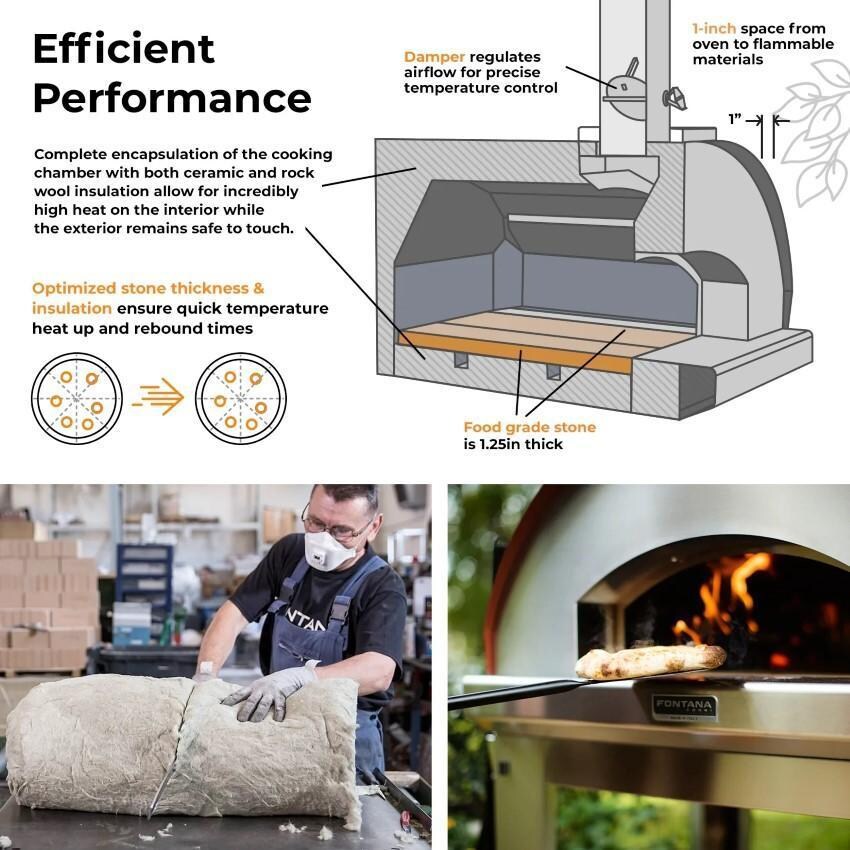 "Pizza Oven Stone Placement: Ultimate Guide for Perfect Pizzas 4")
Credit: www.bbqguys.com
Frequently Asked Questions
Where Should I Place My Pizza Stone In The Oven?
Place your pizza stone on the lowest oven rack for a crispy crust or the middle rack for even topping cooking. Always insert the stone into a cold oven and avoid blocking vents or placing it on the oven floor.
Experiment to find your oven’s best spot.
Which Rack In The Oven Is Hottest?
The top oven rack is the hottest due to rising heat and ceiling reflection. It browns tops best.
Do You Put The Rack In The Oven With The Pizza Stone?
Place the pizza stone on a cold oven rack before heating. Use the bottom rack for a crisp crust or middle rack for even cooking. Avoid placing the stone directly on the oven floor or blocking vents. Adjust placement to match your oven and pizza style for best results.
How Long Should A Pizza Stone Be In The Oven?
Place the pizza stone in a cold oven on the bottom or middle rack. Preheat for 30-45 minutes at 450-500°F for optimal heat.
Conclusion
Placing your pizza stone correctly improves pizza quality greatly. The bottom rack gives a crisp crust by using direct heat. The middle rack cooks toppings evenly, especially with convection ovens. Always put the stone in a cold oven to prevent cracking.
Avoid blocking vents or placing the stone on the oven floor. Testing both rack positions helps find what fits your pizza style best. Small changes in placement make a big difference in cooking results. Enjoy baking pizzas with the perfect stone placement every time.

As the author of the “Ultimate Pizza Guide: Recipes, Tips & Secrets Revealed,” I’m dedicated to sharing my love for pizza and empowering others to create delicious homemade pizzas with ease. Join me on a journey to uncover the secrets to perfecting your pizza game!