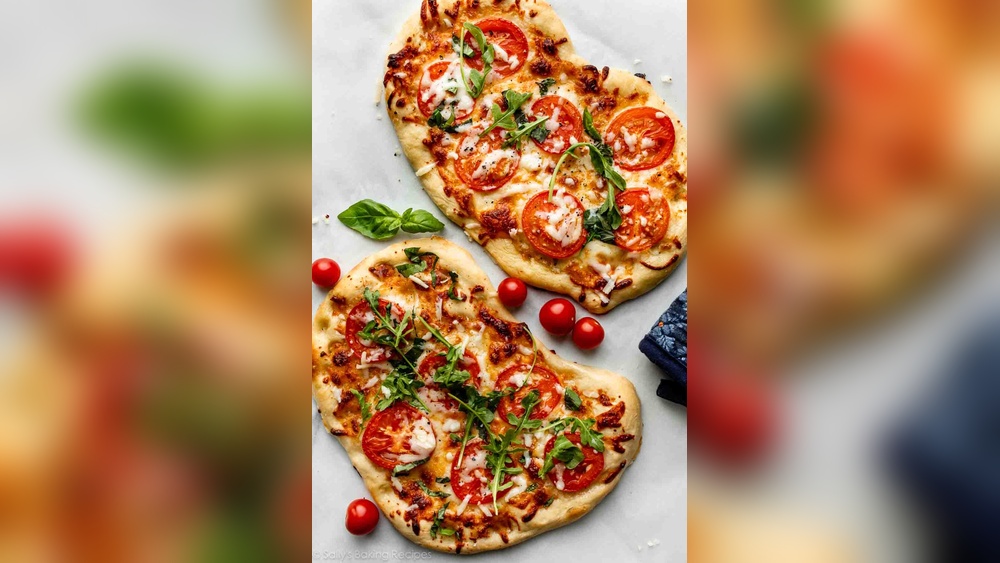
Craving a delicious pizza that’s also good for your body? The secret lies not just in the toppings or the crust but in the oven temperature you choose.
Getting the best oven temperature for healthy pizza can make all the difference—helping you achieve a perfect crust that’s crispy yet light, while preserving the nutrients in your fresh ingredients. You’ll discover the ideal heat settings to bake your pizza to perfection, so you can enjoy every bite guilt-free.
Ready to transform your homemade pizza into a wholesome treat? Keep reading to unlock the key temperature that brings health and flavor together.
Ideal Oven Temperatures
Finding the ideal oven temperature is key to baking healthy pizza with great taste and texture. The right heat helps control crust crispiness and cooking time. It also preserves nutrients in toppings while avoiding burnt spots.
Different oven temperatures suit different pizza styles and preferences. Here are three common temperature ranges to consider for your healthy pizza baking.
High Heat For Crispy Crust
Baking pizza at high heat, around 475-500°F (245-260°C), creates a crispy crust quickly. This temperature seals the dough surface fast. It locks in moisture and keeps the crust light.
High heat suits thin crust pizzas with fresh toppings. It cooks pizza in 8 to 12 minutes. This method reduces oil absorption, making the pizza healthier.
Moderate Heat For Versatility
Using moderate heat between 400-450°F (200-230°C) offers more control. It works well for medium-thick crusts and various toppings. This range allows even cooking without burning.
Moderate heat requires baking for 12 to 18 minutes. It balances crust texture and topping doneness. This temperature suits homemade pizzas with whole-grain or veggie crusts.
Lower Heat For Thick Crusts
Baking thick crust pizzas at lower heat, around 350-375°F (175-190°C), ensures thorough cooking. It prevents the crust from burning outside while cooking the inside fully.
Lower heat needs longer baking times of 18 to 25 minutes. This method helps dense doughs like cauliflower or spelt crusts. It also preserves nutrient quality in toppings.

Credit: www.wellplated.com
Choosing Healthy Crusts
Choosing the right crust is key to making a healthy pizza. The crust forms the base and affects the pizza’s nutrition. Opting for healthier crusts adds fiber, vitamins, and minerals. It can also reduce calories and carbs. This section explores better crust choices for your pizza.
Whole-grain Options
Whole-grain crusts use flour made from entire grains. These crusts have more fiber than white flour. Fiber helps digestion and keeps you full longer. Whole wheat and spelt are popular whole-grain flours. They give a nutty flavor and a denser texture. Whole-grain crusts support steady blood sugar and heart health.
Vegetable-based Crusts
Vegetable crusts use ingredients like cauliflower or zucchini. These crusts lower carbs and calories. They also add vitamins and antioxidants. Cauliflower crust is popular for its mild taste. Zucchini crust adds moisture and a light flavor. Vegetable crusts suit gluten-free and low-carb diets. They make pizza lighter and more nutrient-rich.
Thin Vs. Thick Crusts
Thin crusts have fewer calories and carbs. They allow more room for healthy toppings. Thin crusts bake faster and get crispier. Thick crusts are soft and doughy but heavier. Thick crusts add more calories and may feel heavier after eating. Choose thin crust for a lighter meal. Thick crust can be an occasional treat.
Sauce And Cheese Choices
Choosing the right sauce and cheese can make your pizza healthier without losing flavor. These ingredients affect calories, fat, and sugar content. Opting for smart choices helps keep your pizza light and nutritious. Here are some simple options to improve your sauce and cheese selections.
Homemade Low-sugar Sauces
Making sauce at home lets you control sugar and salt levels. Use crushed tomatoes, fresh garlic, and herbs like basil or oregano. Avoid store-bought sauces with added sugar. Fresh ingredients add natural flavor and nutrients. This keeps the pizza healthy and tasty.
Using Part-skim Cheese
Part-skim mozzarella has less fat than whole milk cheese. It melts well and tastes creamy. Using less cheese also reduces calories. Try sprinkling a small amount instead of covering the whole pizza. Mixing in stronger cheeses like feta gives more flavor with less quantity.
Alternatives: Pesto And Olive Oil
Pesto and olive oil are good options instead of tomato sauce. They add healthy fats and rich taste. Use a light drizzle of olive oil with garlic for a simple base. Pesto made from basil, nuts, and olive oil offers vitamins and antioxidants. These alternatives keep the pizza moist and flavorful without extra sugar.

Credit: www.sharkninja.com
Nutritious Toppings
Nutritious toppings make a big difference in the health of your pizza. Fresh, wholesome ingredients add vitamins, minerals, and fiber. They also bring flavor without extra calories. Choosing the right toppings helps keep your pizza balanced and satisfying. Focus on vegetables, lean proteins, and fresh herbs for the best results.
Vegetable Varieties
Vegetables add color, crunch, and nutrients to your pizza. Spinach, bell peppers, and mushrooms are great choices. Broccoli and onions provide fiber and vitamins. Tomatoes add natural sweetness and lycopene. Using a mix of veggies boosts your pizza’s health and taste.
Lean Protein Options
Lean proteins support muscle health and keep you full longer. Grilled chicken and turkey are excellent toppings. Plant-based proteins like tofu or beans work well too. Avoid processed meats like pepperoni or sausage. Lean options reduce unhealthy fats and calories.
Fresh Herbs And Greens
Fresh herbs add aroma and extra nutrients. Basil, oregano, and parsley are popular toppings. Arugula and baby spinach add a peppery, fresh bite. Add herbs after baking to keep their flavor bright. These greens enhance taste and offer antioxidants.
Portion Control And Sides
Controlling portions and choosing the right sides helps keep your pizza meals healthy. Eating too much pizza at once adds extra calories. Pairing pizza with light sides balances the meal. Both steps help manage hunger and nutrition.
Managing Slice Size
Cut pizza into smaller slices to control portions. Smaller slices make it easier to stop overeating. Use a pizza cutter or sharp knife for even pieces. This trick helps enjoy pizza without guilt. Count how many slices you eat to stay mindful.
Adding Healthy Side Salads
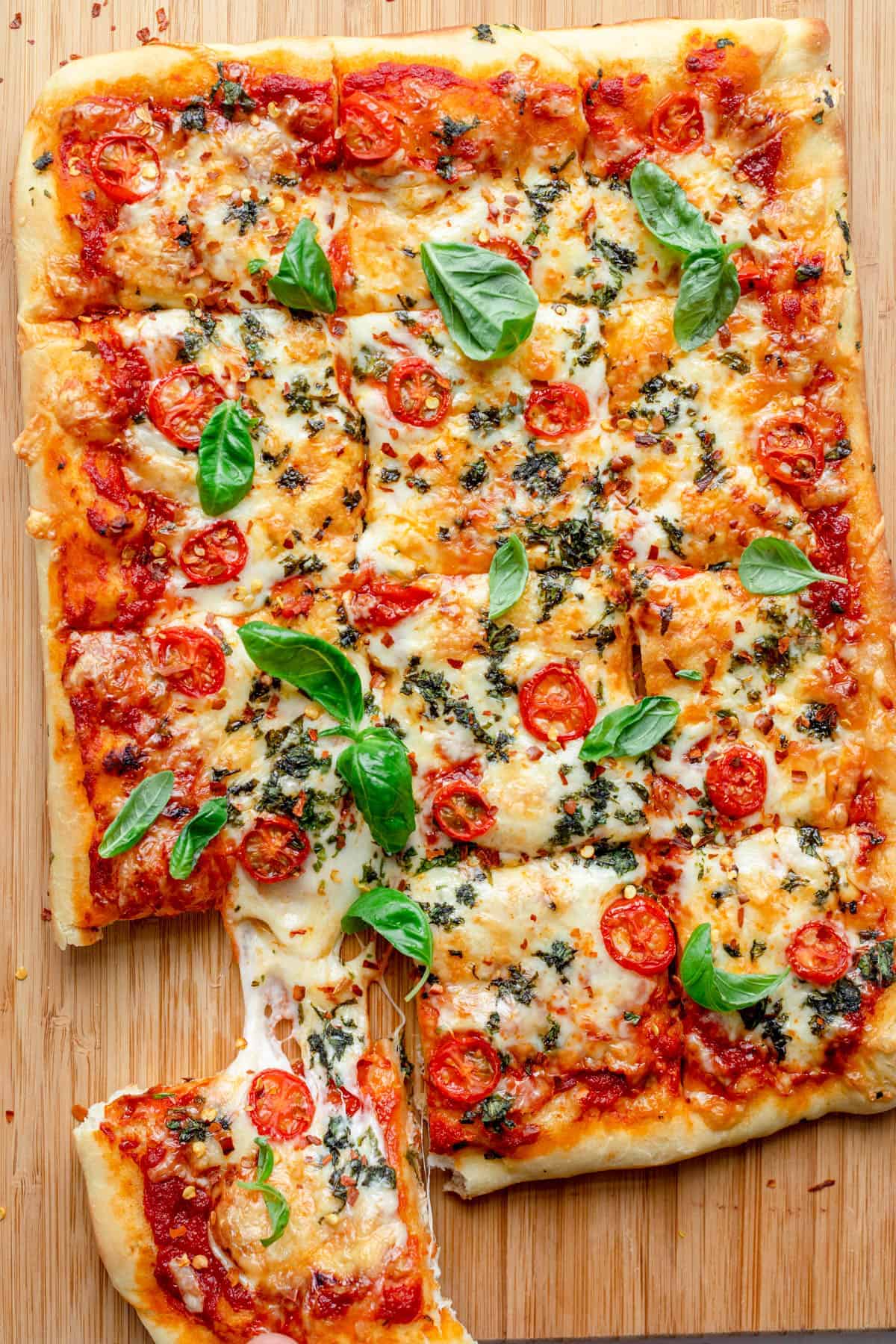
Serve a fresh side salad with your pizza for more nutrients. Salads add fiber, vitamins, and minerals to the meal. Choose leafy greens like spinach, arugula, or romaine. Add colorful veggies such as tomatoes, cucumbers, and carrots. Use a light dressing like olive oil and lemon juice. This side fills you up without many calories.
Credit: feelgoodfoodie.net
Baking Tips For Flavor And Health
Baking pizza at the right temperature improves both taste and health. Proper baking preserves nutrients and enhances flavors. Small changes in your oven setup make a big difference. Follow these tips for a delicious and healthy pizza.
Preheating The Oven
Always preheat your oven to the ideal temperature before baking. A hot oven cooks pizza evenly and quickly. This helps the crust stay crispy and the toppings fresh. Set the temperature between 450°F and 500°F for best results.
Using Pizza Stones Or Steel
Place a pizza stone or steel in your oven to bake your pizza. These tools hold heat well and create a crispy crust. They mimic the effect of a wood-fired oven. Make sure to preheat the stone or steel along with the oven.
Timing For Perfect Bake
Bake your pizza for 10 to 15 minutes depending on thickness. Thin crusts need less time, while thick crusts require more. Watch for a golden-brown crust and bubbly cheese. Avoid overbaking to keep the pizza moist and healthy.
Balancing Crispness And Nutrition
Finding the best oven temperature for a healthy pizza means balancing crispness and nutrition. The crust should be crunchy but not burnt. Toppings need to stay juicy and full of nutrients. Choosing the right temperature helps keep the pizza tasty and healthy.
Avoiding Burnt Edges
Burnt edges ruin both taste and nutrition. High heat can cook the crust too fast, causing blackened spots. Set the oven temperature between 425°F and 475°F for even cooking. This range crisps the crust without burning it. Rotate the pizza halfway through baking for uniform heat. Watch closely during the last minutes to avoid overcooking. Using a pizza stone helps distribute heat evenly.
Maintaining Moisture In Toppings
Toppings lose moisture at very high temperatures. Dry toppings lose flavor and nutrients quickly. Bake at moderate heat to keep vegetables and lean proteins juicy. Cover some toppings with foil if they cook faster than the crust. Add fresh herbs after baking for extra moisture and taste. Using sauces with a bit of olive oil also locks in moisture. This technique preserves the healthy benefits of your pizza toppings.
Frequently Asked Questions
Should I Bake Pizza At 400 Or 450?
Bake pizza at 450°F for a crispier crust and faster cooking. Use 400°F for thicker crusts or slower baking. Choose based on crust type and desired texture.
How To Make A Pizza More Healthy?
Choose whole-grain or veggie crusts to add fiber. Load pizza with vegetables and lean proteins. Use part-skim cheese and low-sugar tomato sauce. Control portion sizes and serve with a side salad for extra nutrients.
What Is The Best Temperature To Cook A Homemade Pizza In The Oven?
Preheat your oven to 475°F (245°C) for the best homemade pizza results. Bake for 10-15 minutes until crust is golden and cheese bubbles. This temperature ensures a crispy crust and perfectly melted toppings.
What Is The Rule Of 55 Pizza?
The Rule of 55 pizza means baking pizza at 550°F for about 5 minutes. This yields a crispy crust and perfectly melted toppings. It suits home ovens and mimics professional pizza ovens’ high temperature for ideal texture and flavor.
Conclusion
Baking pizza at the right temperature helps keep it healthy and tasty. Aim for around 425°F (220°C) to cook evenly without burning. This temperature crisps the crust while preserving nutrients in toppings. Use whole-grain crusts and fresh veggies to boost nutrition.
Choose lean proteins and moderate cheese for balance. Remember, portion size matters for a healthy meal. Pair your pizza with a salad for extra vitamins and fiber. Enjoy your homemade pizza that supports both health and flavor. Simple steps make a big difference in your pizza’s wellness.

As the author of the “Ultimate Pizza Guide: Recipes, Tips & Secrets Revealed,” I’m dedicated to sharing my love for pizza and empowering others to create delicious homemade pizzas with ease. Join me on a journey to uncover the secrets to perfecting your pizza game!


