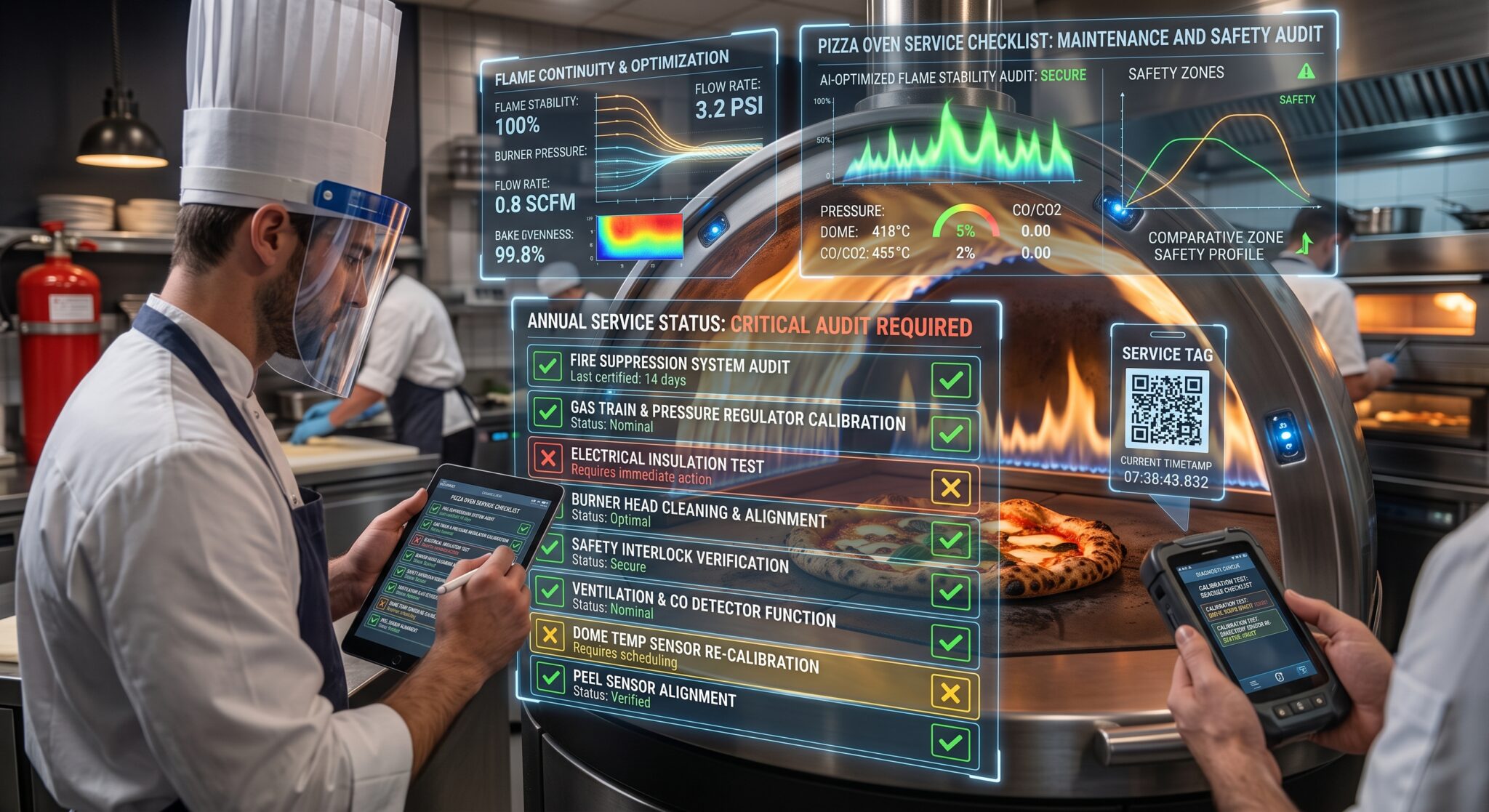
Maintaining a high-performing pizza oven is crucial for any establishment serving delicious, authentic pies. Whether you operate a bustling pizzeria, a high-end restaurant, or even a food truck, a well-maintained oven translates directly to consistent quality, efficient operation, and reduced downtime. Neglecting regular service can lead to a cascade of problems, from uneven cooking and burnt crusts to costly repairs and potential safety hazards. This comprehensive pizza oven service checklist is designed to guide you through the essential maintenance steps, ensuring your oven remains a reliable workhorse for years to come.
A proactive approach to pizza oven maintenance is far more economical than reactive repairs. Think of it like regular car maintenance: changing the oil and rotating tires prevents major engine failures and ensures a smoother ride. Similarly, a structured service routine for your pizza oven prevents minor issues from snowballing into significant operational disruptions. This checklist will cover everything from routine cleaning to more in-depth inspections, catering to various oven types, including deck ovens, conveyor ovens, and wood-fired ovens. By following these guidelines, you’ll not only extend the lifespan of your valuable equipment but also maintain the superior quality your customers expect.
Key Takeaways
- Regular Cleaning is Paramount: Consistent removal of ash, debris, and grease prevents buildup that can affect performance and create fire hazards.
- Inspect Heating Elements/Burners: Ensure even heat distribution by checking for damage, blockages, or proper flame patterns.
- Check Door Seals and Insulation: A tight seal is vital for maintaining consistent temperatures and energy efficiency.
- Calibrate Thermocouples and Thermometers: Accurate temperature readings are essential for predictable cooking results.
- Monitor Fan and Blower Systems: Proper airflow is critical for heat circulation and even cooking, especially in convection or conveyor models.
- Inspect Structural Integrity: Look for cracks, loose parts, or signs of wear and tear that could compromise safety or function.
- Test Safety Features: Regularly verify that safety mechanisms, like gas shut-offs or overheat protection, are operational.
Understanding Your Pizza Oven Type
Before diving into the specific maintenance tasks, it’s essential to understand the type of pizza oven you are working with. Different oven designs have unique components and require tailored servicing. While this checklist provides a general framework, always refer to your manufacturer’s manual for specific instructions and recommendations.
Deck Ovens
Deck ovens are a staple in many pizzerias, known for their ability to produce crispy crusts. They typically feature a stone or ceramic deck where pizzas are placed directly.
- Components: Heating elements (top and bottom), deck surface, oven chamber, door, thermostat, insulation.
- Maintenance Focus: Ensuring the deck is clean and level, heating elements are functioning evenly, and the door seal is intact to maintain consistent temperatures.
Conveyor Ovens
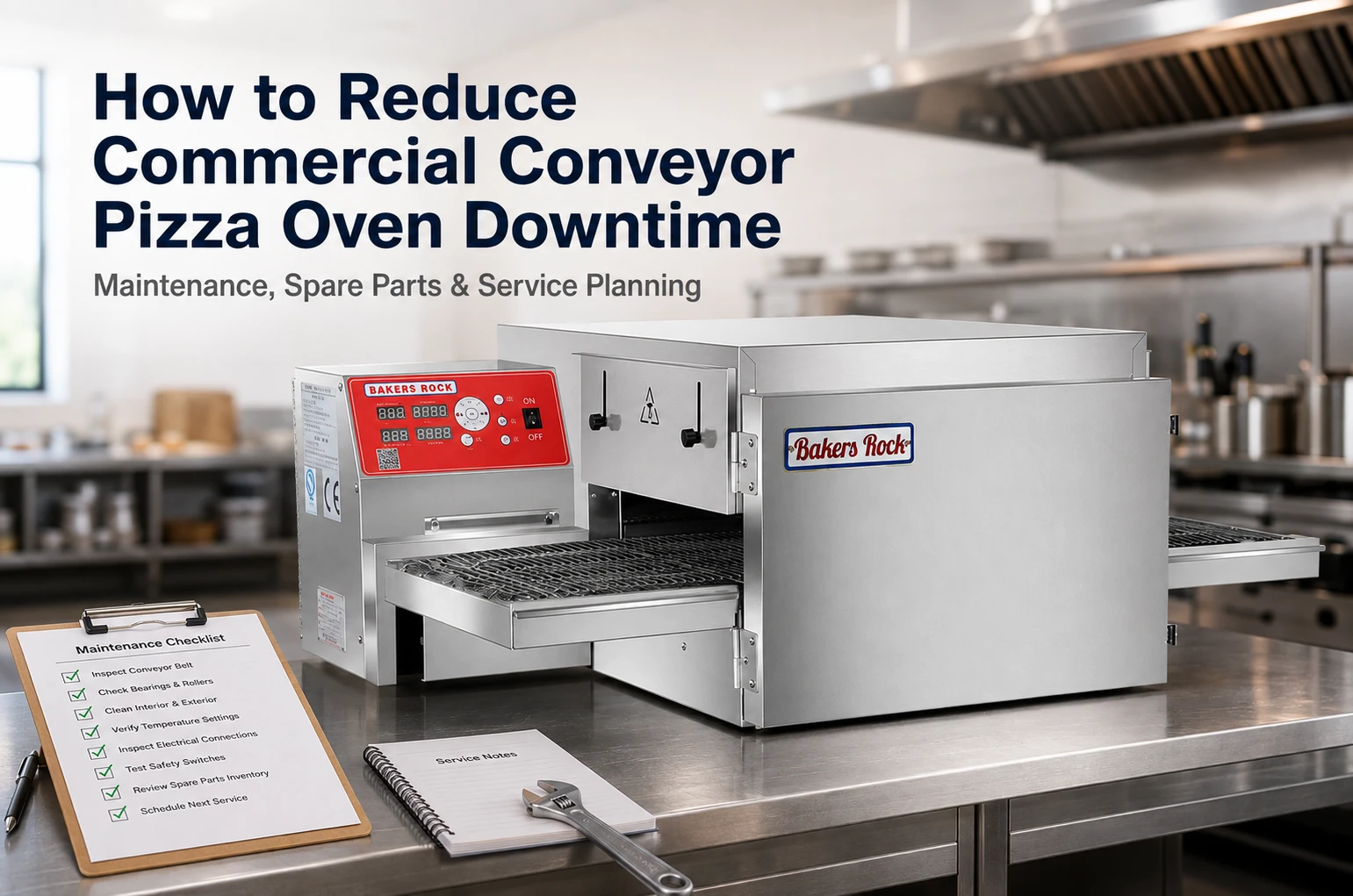
Conveyor ovens are ideal for high-volume operations. Pizzas are placed on a moving belt and travel through a heated chamber.
- Components: Conveyor belt, motor and drive system, heating elements (top and bottom), airflow fans, control panel, insulated housing.
- Maintenance Focus: Keeping the conveyor belt clean and properly tensioned, ensuring the motor and drive system are lubricated, and verifying that airflow is consistent throughout the cooking chamber.
Wood-fired Ovens
These ovens offer a distinct smoky flavor and high-heat cooking capabilities, often featuring a dome-shaped chamber.
- Components: Firebox, cooking floor, dome, chimney/flue, door, refractory materials.
- Maintenance Focus: Regular ash removal, inspection of refractory materials for cracks, ensuring proper draft through the chimney, and managing the fire for optimal heat.
Gas Vs. Electric Ovens
The power source significantly impacts maintenance.
- Gas Ovens: Require checks on gas lines, burners, pilot lights (if applicable), and ventilation to ensure safe and efficient operation. You’ll need to be mindful of gas pressure and potential leaks.
- Electric Ovens: Focus on electrical connections, heating element integrity, and insulation. Overheating protection mechanisms are crucial.

Credit: mitti.com
Routine Cleaning: The Foundation Of Maintenance
Consistent and thorough cleaning is the single most important aspect of pizza oven service. Neglecting this can lead to performance issues, health code violations, and even fires.
Daily Cleaning Tasks
These tasks should be performed at the end of each operating day.
- Ash and Debris Removal (Wood-Fired Ovens): Use a stiff brush and a metal shovel or ash pan to carefully remove all accumulated ash and burnt debris from the cooking floor and oven chamber. Never use water on a hot oven floor, as it can cause thermal shock and crack the refractory material.
- Wipe Down Surfaces: Use a damp (not wet) cloth or sponge to wipe down the interior walls, ceiling, and door of the oven. For stubborn grease, a mild, oven-safe degreaser can be used, but ensure it’s thoroughly rinsed and dried.
- Clean the Cooking Deck/Floor: For deck ovens, sweep the deck clean of any crumbs or debris. For conveyor ovens, ensure the belt is clear of any stuck-on food particles. Many conveyor belts can be cleaned with a brush while still warm or after a cool-down period.
- Exterior Wipe Down: Clean the exterior surfaces of the oven with a mild detergent and water to maintain a professional appearance and prevent grease buildup.
- Check and Empty Drip Trays: If your oven has drip trays, empty and clean them to prevent overflow and potential fire hazards.
Weekly Cleaning Tasks
These tasks require a bit more time and attention.
- Deep Clean the Oven Chamber: For deck and wood-fired ovens, this might involve using a specialized oven brush or scraper to remove any caked-on residue from the walls and ceiling. For conveyor ovens, pay close attention to the areas around the heating elements and fans.
- Inspect and Clean Heating Elements/Burners:
- Electric Ovens: Visually inspect heating elements for any signs of corrosion, breakage, or discoloration that might indicate failure. Gently brush away any dust or debris.
- Gas Ovens: Ensure burner ports are clear of debris. A small, stiff brush or compressed air can be used. Check the pilot light assembly (if present) for cleanliness. Always ensure the gas supply is turned off before performing this.
- Clean Conveyor Belt and Rollers: Thoroughly clean the conveyor belt according to the manufacturer’s instructions. Inspect the rollers for any debris buildup that could impede smooth operation.
- Inspect and Clean Door Seals: Check the door gasket for any signs of wear, cracking, or burning. Clean the seal and the area where it meets the oven opening to ensure a tight seal. Damaged seals lead to significant heat loss.
Monthly Cleaning Tasks
These tasks are more intensive and might be best performed during a scheduled downtime.
- Clean Fan Blades and Housings (Conveyor/Convection Ovens): Dust and grease can accumulate on fan blades, reducing airflow efficiency. Carefully remove fan covers (if accessible) and clean the blades and housing. Ensure the oven is unplugged before performing this.
- Inspect and Clean Air Vents and Filters: Ensure all air intake and exhaust vents are clear of obstructions. If your oven has air filters, clean or replace them as per the manufacturer’s recommendations.
- Check and Clean Chimney/Flue (Wood-Fired Ovens): Creosote buildup in chimneys is a serious fire hazard. Inspect the flue for blockages and clean it thoroughly using appropriate chimney brushes.

Credit: www.scribd.com
Performance Checks And Inspections
Beyond cleaning, regular inspections are vital to ensure your pizza oven is operating at peak efficiency and safely.
Heating Element / Burner Inspection
Consistent heat is the heart of good pizza making.
- Visual Inspection: Check for any physical damage, such as cracks or breaks in electric elements, or corrosion on gas burners.
- Even Heating Test: After preheating the oven, use an infrared thermometer to check temperatures across different areas of the deck or cooking chamber. Significant variations can indicate a problem with a heating element, burner, or gas flow.
- Flame Pattern (Gas Ovens): Observe the flame when the oven is operating. Flames should be a consistent blue with perhaps a slight yellow tip. Lazy, wavering, or entirely yellow flames can indicate incomplete combustion, poor gas pressure, or a need for cleaning.
Temperature Accuracy Calibration
Inaccurate temperature readings lead to unpredictable cooking results.
- Thermocouple/Thermistor Check: These are the sensors that measure temperature. Visually inspect them for damage. If temperature readings seem consistently off, the thermocouple or thermistor may need recalibration or replacement.
- Thermometer Comparison: Use a calibrated oven thermometer or an infrared thermometer to verify the oven’s built-in thermostat reading. If there’s a consistent discrepancy, you may need to adjust the thermostat or consider recalibration. Many professional ovens have a calibration adjustment accessible through the control panel or by a service technician. According to the National Institute of Standards and Technology (NIST), maintaining accurate temperature measurements is critical for quality control in food production.
Door Seal And Insulation Integrity
A well-sealed oven is an energy-efficient oven.
- Gasket Inspection: Check the door gasket (seal) for any signs of wear, tears, hardening, or complete detachment. A damaged gasket allows heat to escape, increasing energy consumption and leading to uneven cooking.
- Door Closure: Ensure the door closes firmly and evenly against the oven frame. If it feels loose or doesn’t seal properly, the hinges might need adjustment or replacement.
- Insulation Check: While difficult to inspect directly without disassembly, signs of failing insulation can include the exterior of the oven becoming excessively hot to the touch or longer preheating times.
Fan And Blower System Functionality (conveyor/convection Ovens)
Proper airflow is crucial for distributing heat evenly.
- Listen for Unusual Noises: Grinding, rattling, or squealing sounds from the fan motor can indicate bearing wear or a need for lubrication.
- Check Airflow: Feel the airflow exiting the vents. It should be consistent and strong. Reduced airflow can be caused by dirty fan blades, blocked vents, or a failing motor.
- Belt Tension (if applicable): Some fan systems use belts. Check for proper tension, not too tight, not too loose.
Structural Integrity And Safety Features
Ensuring the oven is physically sound and its safety systems work is non-negotiable.
- Examine for Cracks or Damage: Inspect the oven’s exterior and interior (especially the cooking deck and dome in wood-fired ovens) for any cracks, chips, or loose components. Small cracks in refractory material can sometimes be repaired, but larger ones may compromise structural integrity.
- Check Gas Lines and Connections (Gas Ovens): Visually inspect gas lines for any signs of wear or damage. Use a soap and water solution to check connections for leaks (look for bubbles). If you suspect a gas leak, immediately turn off the gas supply and contact a qualified professional.
- Test Safety Thermostats/Overheat Protection: Many electric ovens have safety thermostats that shut off power if the oven overheats. If your oven has this feature, ensure it’s functioning correctly (this may require a service technician).
- Verify Fire Suppression Systems (if applicable): Some commercial kitchens have integrated fire suppression systems for ovens. Ensure these are regularly inspected and maintained according to local regulations.
Credit: www.bakers-rock.com
Preventative Maintenance Schedule
Implementing a structured schedule ensures that all aspects of your pizza oven are addressed proactively. This schedule should be adapted based on your oven’s usage, type, and manufacturer recommendations.
Daily Tasks (as Detailed In The Cleaning Section)
- Ash removal (wood-fired)
- Interior wipe-down
- Deck/belt cleaning
- Exterior wipe-down
- Drip tray emptying
Weekly Tasks (as Detailed In The Cleaning Section)
- Deep clean oven chamber
- Inspect/clean heating elements/burners
- Clean conveyor belt/rollers
- Inspect/clean door seals
Monthly Tasks (as Detailed In The Cleaning Section)
- Clean fan blades/housings
- Inspect/clean air vents/filters
- Chimney/flue cleaning (wood-fired)
Quarterly (every 3 Months) Inspections
- Detailed Burner/Element Performance Check: Run the oven through a full heating cycle and monitor temperature stability. Check flame patterns or element glow consistency.
- Conveyor Belt Wear and Tear: Inspect the conveyor belt for signs of fraying, thinning, or stretching. Check the tracking mechanism to ensure it runs straight.
- Motor and Fan Lubrication: Check manufacturer recommendations for lubricating fan motors and drive systems. Over-lubrication can attract dirt, while under-lubrication causes wear.
- Electrical Connection Inspection: (Electric Ovens – Professional Recommended) Have a qualified technician inspect electrical connections for tightness and signs of overheating or corrosion.
- Gas Pressure Check: (Gas Ovens – Professional Recommended) A technician should check the gas pressure to ensure it’s within the manufacturer’s specified range.
Annual Servicing (recommended Professional Check)
- Comprehensive System Check: Engage a qualified pizza oven service technician for a thorough inspection and tune-up. This includes checking all safety systems, gas regulators, electrical components, and structural integrity.
- Calibration Verification: Ensure all temperature sensors and controls are accurately calibrated.
- Deep Component Cleaning and Servicing: Technicians have specialized tools and knowledge to clean and service components that may be inaccessible during routine maintenance.
- Replacement of Worn Parts: Proactive replacement of parts like door gaskets, thermocouples, or worn bearings can prevent costly breakdowns.
Common Pizza Oven Problems And Solutions
Even with diligent maintenance, issues can arise. Here are some common problems and how to address them.
Uneven Cooking
- Cause: Faulty heating elements/burners, poor airflow, damaged deck, or inconsistent temperature.
- Solution: Inspect and clean heating elements/burners. Check airflow in conveyor/convection ovens. Ensure the deck is clean and level. Verify temperature accuracy and calibrate if necessary. Rotate pizzas more frequently during cooking.
Oven Not Reaching Temperature
- Cause: Faulty thermostat, damaged heating elements/burners, leaking door seal, insufficient gas supply (gas ovens), or tripped safety thermostat.
- Solution: Check thermostat accuracy. Inspect heating elements/burners for damage. Repair or replace door seals. For gas ovens, check gas supply and pressure. Reset safety thermostat if tripped (consult manual or technician).
Excessive Smoke
- Cause: Food debris or grease buildup inside the oven, creosote buildup (wood-fired), or improper combustion (gas ovens).
- Solution: Thoroughly clean the oven interior. For wood-fired ovens, ensure proper draft and clean the chimney. For gas ovens, inspect burners for proper flame and ensure adequate ventilation.
Conveyor Belt Issues (sticking, Slowing, Not Moving)
- Cause: Debris on the belt or rollers, insufficient lubrication, worn motor, or loose/damaged belt.
- Solution: Clean belt and rollers thoroughly. Check and apply appropriate lubrication to the drive system. Inspect motor for signs of failure. Check belt tension and for damage.
Pizza Oven Service Checklist Summary Table
To help visualize the maintenance routine, here is a summary table.
| Task | Frequency | Oven Type | Notes |
|---|---|---|---|
| Ash Removal | Daily | Wood-Fired | Use appropriate tools; avoid water on hot surfaces. |
| Interior Wipe Down | Daily | All | Use damp cloth; mild degreaser for stubborn spots. |
| Deck/Belt Cleaning | Daily | All | Sweep deck; brush/clean conveyor belt. |
| Exterior Wipe Down | Daily | All | Maintain appearance, prevent grease buildup. |
| Empty Drip Trays | Daily | All (if applicable) | Prevent overflow and fire hazards. |
| Deep Clean Oven Chamber | Weekly | All | Scrape stubborn debris. |
| Inspect Heating Elements/Burners | Weekly | All | Check for damage, clean ports (gas). |
| Clean Door Seals | Weekly | All | Ensure tight seal for efficiency. |
| Clean Fan Blades/Housings | Monthly | Conveyor/Convection | Ensure proper airflow. Unplug oven first. |
| Clean Air Vents/Filters | Monthly | All | Ensure unobstructed airflow. |
| Chimney/Flue Cleaning | Monthly | Wood-Fired | Prevent creosote buildup/fire hazard. |
| Burner/Element Performance Check | Quarterly | All | Monitor temperature stability. |
| Conveyor Belt Wear Check | Quarterly | Conveyor | Inspect for fraying, thinning. |
| Lubrication Check | Quarterly | Conveyor/Convection | Motors, drive systems per manual. |
| Electrical Connection Check | Quarterly | Electric (Professional) | Tightness, signs of corrosion. |
| Gas Pressure Check | Quarterly | Gas (Professional) | Ensure correct pressure range. |
| Full Professional Service | Annually | All | Comprehensive inspection, calibration, part replacement. |
Example Case Study: The Pizzeria That Ignored Maintenance
“Luigi’s Authentic Pizza” was a beloved neighborhood spot known for its traditional Neapolitan-style pizzas. For years, their trusty gas deck oven performed admirably. However, as the business grew, the focus shifted heavily towards customer service and expanding menu offerings, pushing oven maintenance to the back burner.
Daily cleanings became rushed, weekly checks were skipped, and the quarterly professional service was deemed an unnecessary expense.
The first sign of trouble was inconsistent crust browning. Some pizzas came out perfectly charred, while others were pale. Then, the oven started taking longer to preheat. One busy Friday evening, the oven’s main burner flickered out entirely, plunging Luigi’s into chaos.
Customers waited, pizzas went unbaked, and the restaurant suffered significant losses in revenue and reputation that night.
A subsequent emergency service call revealed the extent of the neglect. The burners were severely clogged with grease and carbon buildup, leading to inefficient combustion and uneven heating. The door gasket had deteriorated completely, causing massive heat loss and forcing the oven to work overtime, straining the internal components. The gas regulator was also showing signs of wear, potentially leading to inconsistent gas flow and pressure issues. The repair bill, including parts and emergency labor, was substantial, far exceeding the cost of regular professional servicing. Luigi’s learned a hard lesson: neglecting pizza oven maintenance is a recipe for disaster. Since then, they implemented a strict adherence to a comprehensive service checklist, ensuring their oven remains a reliable asset.
Pro Tip: Keep A Maintenance Log
For every piece of commercial kitchen equipment, especially a critical one like a pizza oven, maintaining a detailed logbook is invaluable. Record:
- Date of service
- Tasks performed (cleaning, inspections, repairs)
- Technician’s name (if applicable)
- Any issues noted or parts replaced
- Oven usage hours (if tracked)
This log provides a history of the oven’s condition, helps identify recurring problems, and is essential for warranty claims or insurance purposes. It also makes it easier to schedule future maintenance and track the effectiveness of your service routine.
Frequently Asked Questions
What Is The Most Critical Part Of Pizza Oven Maintenance?
The most critical aspect is consistent and thorough cleaning. Regular removal of ash, grease, and food debris prevents buildup that can lead to poor performance, uneven cooking, fire hazards, and premature wear on components. This applies to all oven types, from wood-fired to conveyor.
How Often Should I Have A Professional Service My Pizza Oven?
It is highly recommended to have a professional service your pizza oven at least once a year. For high-volume operations or older ovens, a semi-annual check-up might be more appropriate. Professionals can identify potential issues that routine cleaning and inspection might miss, ensuring safety and optimal performance.
Can I Repair My Pizza Oven Myself?
Minor cleaning tasks can certainly be handled in-house. However, for anything involving gas lines, electrical components, complex mechanical parts (like conveyor motors), or recalibration of sensors, it is strongly advised to hire a qualified and certified technician. Working with gas or electricity without proper training can be extremely dangerous and may void your warranty.

As the author of the “Ultimate Pizza Guide: Recipes, Tips & Secrets Revealed,” I’m dedicated to sharing my love for pizza and empowering others to create delicious homemade pizzas with ease. Join me on a journey to uncover the secrets to perfecting your pizza game!


