“Does Pizza Dough Affect Digestion”
Have you ever wondered why sometimes after enjoying a delicious slice of pizza, your stomach feels uncomfortable or bloated? You’re not alone.
The type of pizza dough you choose can play a surprising role in how your digestion reacts. Whether it’s that heavy feeling, gas, or even acid reflux, your pizza dough might be the hidden culprit behind your discomfort. You’ll discover how different doughs affect your gut, what ingredients to watch out for, and simple tweaks you can make to enjoy pizza without the digestive drama.
Ready to enjoy pizza again without the stomach woes? Keep reading to find out how.

Credit: thevegan8.com
Pizza Dough And Digestion
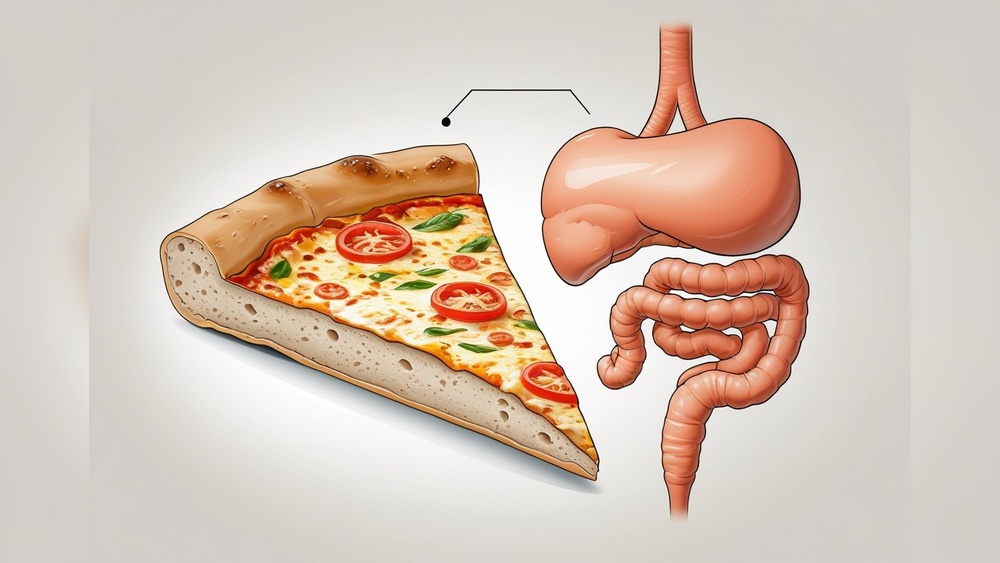
Pizza dough plays a key role in digestion. It forms the base of every pizza and impacts how your stomach handles the meal. The ingredients and preparation of the dough influence digestion speed and comfort. Understanding how dough affects digestion can help you enjoy pizza without discomfort.
Role Of Yeast In Dough
Yeast is a vital ingredient in most pizza dough recipes. It ferments the sugars in the flour, producing carbon dioxide. This causes the dough to rise and become light and airy. Yeast also starts breaking down starches during fermentation. This process makes the dough easier to digest.
When yeast ferments the dough, it helps reduce bloating and heaviness. The bubbles created improve texture and digestibility. Dough with yeast usually feels lighter in the stomach. It supports gut health by aiding the breakdown of complex carbohydrates.
Effects Of Unleavened Dough
Unleavened dough does not contain yeast or other rising agents. It remains dense and flat after baking. This type of dough is harder for the stomach to process. Without yeast, starches remain intact and are tougher to digest.
Eating unleavened pizza dough may cause a feeling of heaviness. Some people experience bloating or discomfort. The stomach works harder to break down the dense dough. This can lead to slower digestion and mild stomach upset.
Choosing leavened dough can reduce digestive issues. It allows your body to absorb nutrients faster and eases stomach strain. For sensitive digestion, yeast-based dough is often a better choice.
Common Digestive Issues From Pizza
Pizza is a favorite food for many, but it can cause digestive discomfort. Several ingredients in pizza may lead to common stomach issues. Understanding these can help you enjoy pizza without problems.
Digestive troubles from pizza often come from its dough, toppings, and sauces. Identifying the cause helps prevent bloating, gas, or heartburn after eating.
Impact Of Refined Carbs And Fats
Pizza dough usually contains refined flour, which breaks down quickly into sugar. This can cause a spike in blood sugar and may upset the stomach. The high fat content from cheese and processed meats slows digestion. This delay can cause bloating and a heavy feeling in the gut.
Lactose And Gluten Sensitivities
Many people struggle with lactose found in cheese. It can cause gas, cramps, and diarrhea in lactose-intolerant individuals. Gluten in wheat-based dough can trigger digestive issues for those with sensitivities or celiac disease. Both lactose and gluten can inflame the gut lining and disrupt digestion.
Acidity From Tomato Sauce
Tomato sauce is acidic and may cause acid reflux or heartburn. This happens when stomach acid flows back into the esophagus. The acidity can irritate the digestive tract, leading to discomfort or a burning sensation after eating pizza.
Processed Meat Concerns
Common pizza toppings like pepperoni and sausage contain high levels of sodium and preservatives. These can inflame the gut and disrupt healthy digestion. Processed meats also add saturated fats, which may slow digestion and cause discomfort.
Low Fiber Effects
Most pizzas lack fiber, which is important for smooth digestion. Without enough fiber, the digestive system can slow down. This may lead to constipation and feelings of fullness or bloating after a meal.
Making Pizza Easier To Digest
Making pizza easier to digest helps reduce stomach discomfort and bloating. Simple changes in ingredients improve digestion and nutrient absorption. This section explores ways to enjoy pizza without upsetting your gut.
Choosing Healthier Crust Options
Pick crusts made from whole wheat or cauliflower. These options contain more fiber and fewer refined carbs. Fiber supports digestion and prevents constipation. Avoid thick, heavy dough that can slow digestion.
Adding Fiber With Vegetables
Top your pizza with fresh vegetables like spinach, peppers, and mushrooms. Vegetables add fiber and essential nutrients. Fiber helps food move smoothly through your digestive system. It also reduces the risk of bloating and gas.
Limiting Processed Meats
Processed meats like pepperoni and sausage contain high fat and preservatives. These ingredients can irritate the stomach and cause inflammation. Choose lean proteins such as grilled chicken or turkey instead. This makes your pizza lighter and easier to digest.
Reducing Dairy Intake
Cheese is high in fat and lactose, which can cause digestive issues. Use smaller amounts of cheese or try lactose-free alternatives. Reducing dairy helps those with lactose intolerance enjoy pizza comfortably. It also lowers the fat content of your meal.
Pairing With Fiber-rich Sides
Serve pizza with fiber-rich sides like salads or steamed vegetables. These sides increase overall fiber intake and aid digestion. Fiber-rich foods balance the meal and prevent constipation. Avoid heavy, fried sides that slow digestion.
Importance Of Staying Hydrated
Drink plenty of water before, during, and after your meal. Water helps break down food and supports smooth digestion. Staying hydrated also prevents constipation and bloating. Avoid sugary drinks that can upset your stomach.

Credit: atomebakery.com
When Pizza Causes Severe Symptoms
Pizza can sometimes lead to serious digestive problems. These symptoms go beyond usual discomfort or mild bloating. Knowing when pizza causes severe symptoms helps protect your health. Some reactions require immediate attention. Understanding these signs supports better digestion and well-being.
Signs To Watch For
Severe stomach pain after eating pizza is a warning sign. Persistent nausea or vomiting also indicates trouble. Sudden swelling in the stomach or face is serious. Difficulty breathing or tightness in the chest needs quick action. Diarrhea lasting more than two days may signal a problem. Blood in stool or vomit requires urgent care. Feeling faint or dizzy after eating is another red flag. These symptoms suggest your body struggles with pizza ingredients.
When To Consult A Doctor
Seek medical advice if severe symptoms appear after pizza. Doctors can test for allergies or intolerances like gluten or lactose. They may check for infections or digestive disorders. Immediate help is necessary for breathing problems or chest pain. Persistent symptoms also need professional evaluation. Early diagnosis prevents complications. Treatment plans improve digestion and reduce discomfort. Do not ignore serious signs after eating pizza dough or toppings.
Credit: www.prepapizza.com
Frequently Asked Questions
Why Does Pizza Dough Upset My Stomach?
Pizza dough can upset your stomach due to gluten sensitivity, yeast fermentation, or high refined carbs. Dairy and fatty toppings may worsen digestion. Choosing thin crust, fewer processed meats, and more veggies helps reduce discomfort. Drinking water aids digestion and lessens bloating.
Is Pizza Hard On Your Digestive System?
Pizza can be hard to digest due to refined carbs, high fat, dairy, and acidity. Choose thin crust, veggies, and water to ease digestion.
What Is The Hardest Food For Your Stomach To Digest?
The hardest foods to digest include high-fat, fried foods, processed meats, dairy, and refined carbs like pizza dough. These cause bloating, gas, and discomfort.
Why Does Pizza Trigger Ibs?
Pizza triggers IBS due to high fat, refined carbs, dairy, gluten, and acidic tomato sauce that irritate sensitive digestive systems.
Conclusion
Pizza dough can influence digestion depending on its ingredients. Yeast helps break down starches, easing digestion. Unleavened dough may cause bloating or heaviness. High fat, refined carbs, and dairy in pizza can upset sensitive stomachs. Gluten and lactose intolerances also play a role.
Choosing whole-wheat or veggie crusts improves fiber intake. Adding vegetables supports digestion and reduces discomfort. Limiting processed meats and cheese can ease symptoms. Drinking water helps the digestive process too. Pay attention to your body’s reactions after eating pizza. Seek medical advice if severe symptoms persist.
Enjoy pizza wisely for better digestion and comfort.

As the author of the “Ultimate Pizza Guide: Recipes, Tips & Secrets Revealed,” I’m dedicated to sharing my love for pizza and empowering others to create delicious homemade pizzas with ease. Join me on a journey to uncover the secrets to perfecting your pizza game!